
Apothéose de Napoléon Ier — History & Facts
A radiant chariot drawn by four rearing horses dominates the center of Apothéose de Napoléon Ier, their golden forms suspended against a luminous blue sky. Standing tall in the chariot, a male figure draped in a red cloak raises a laurel wreath in his right hand and holds a golden orb in his left, his gaze turned upward. Beside him, a female figure dressed in blue gestures toward him, her posture calm and supportive, as she steadies the chariot.
Above the chariot, an eagle with outstretched wings soars against the sky, its presence echoing imperial symbolism. To the right, a woman in a flowing pink and white gown floats upward, arms raised as she offers a laurel crown and a palm branch, her expression exultant. Below, a vacant throne trimmed with gold and red velvet sits on a dark platform, flanked by two sphinxes, suggesting a seat of power now transcended.
At the lower left, a veiled woman in dark robes lifts her right arm in a gesture of appeal or farewell, her face turned toward the ascending chariot. On the right, a muscular, semi-nude male figure recoils and shields his face, while another crouches behind the throne, both cast in shadow and tension. The composition is framed by a painted arch, focusing attention on the celestial ascent at its heart.
Ingres arranges the figures in a dynamic spiral, leading the viewer’s gaze upward from the earthbound throne to the heavens above. The palette is dominated by cool blues and warm golds, with accents of red and pink, creating a sense of both grandeur and elevation. Brushwork is smooth and precise, with fine modeling of flesh and drapery, and subtle gradations of light that enhance the illusion of depth and atmosphere.
Every detail, from the intricate patterns on the chariot to the delicate feathers of the eagle, is rendered with clarity and care. Painted in 1853, Apothéose de Napoléon Ier is the work of Jean-Auguste-Dominique Ingres.
Sources: Wikidata Q104444011
More Artworks by Jean Auguste Dominique Ingres
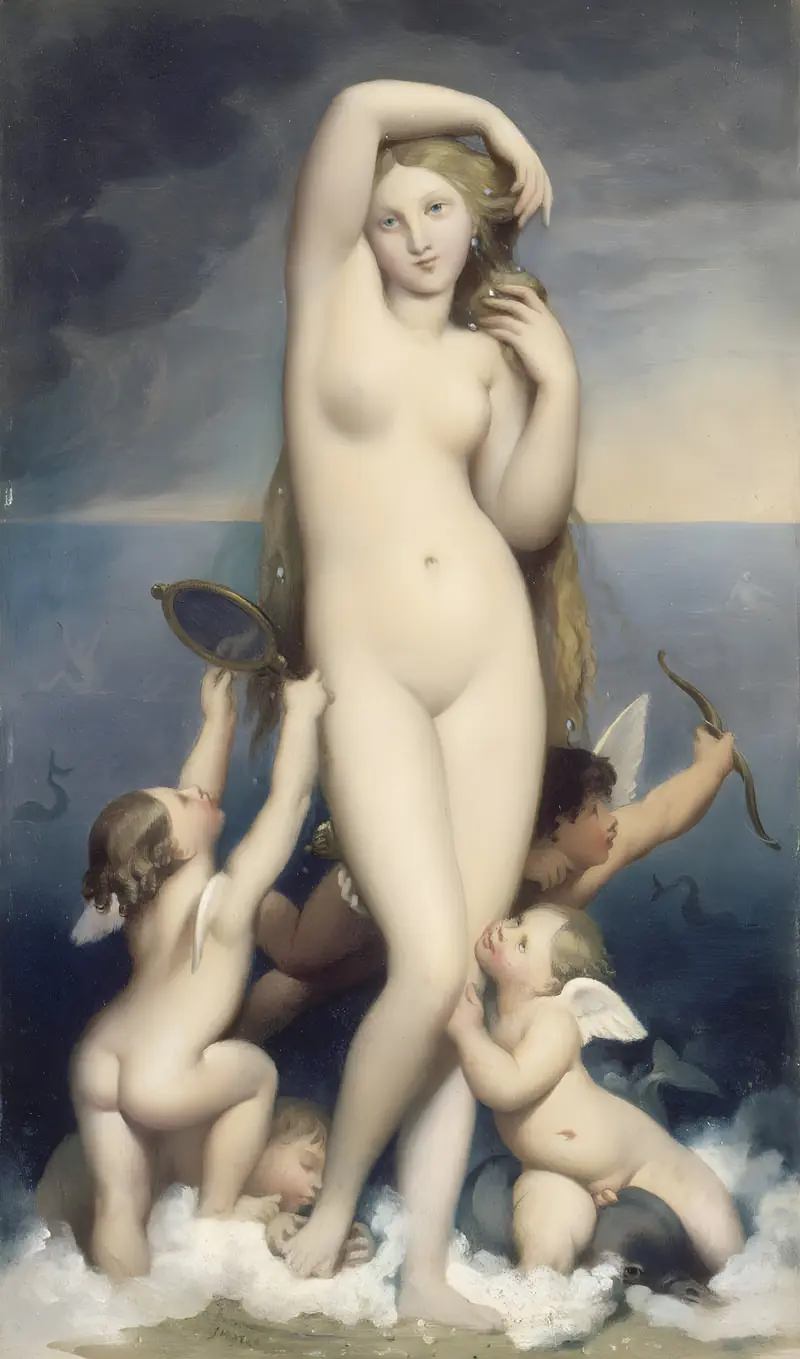
Vénus anadyomène
Jean Auguste Dominique Ingres
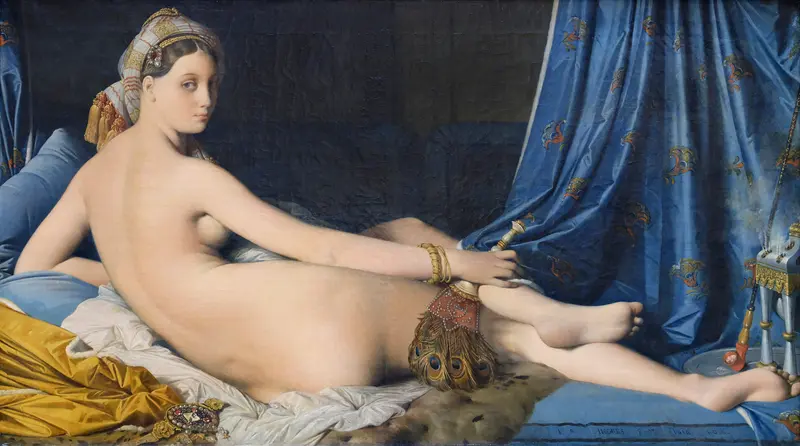
Grande Odalisque
Jean Auguste Dominique Ingres
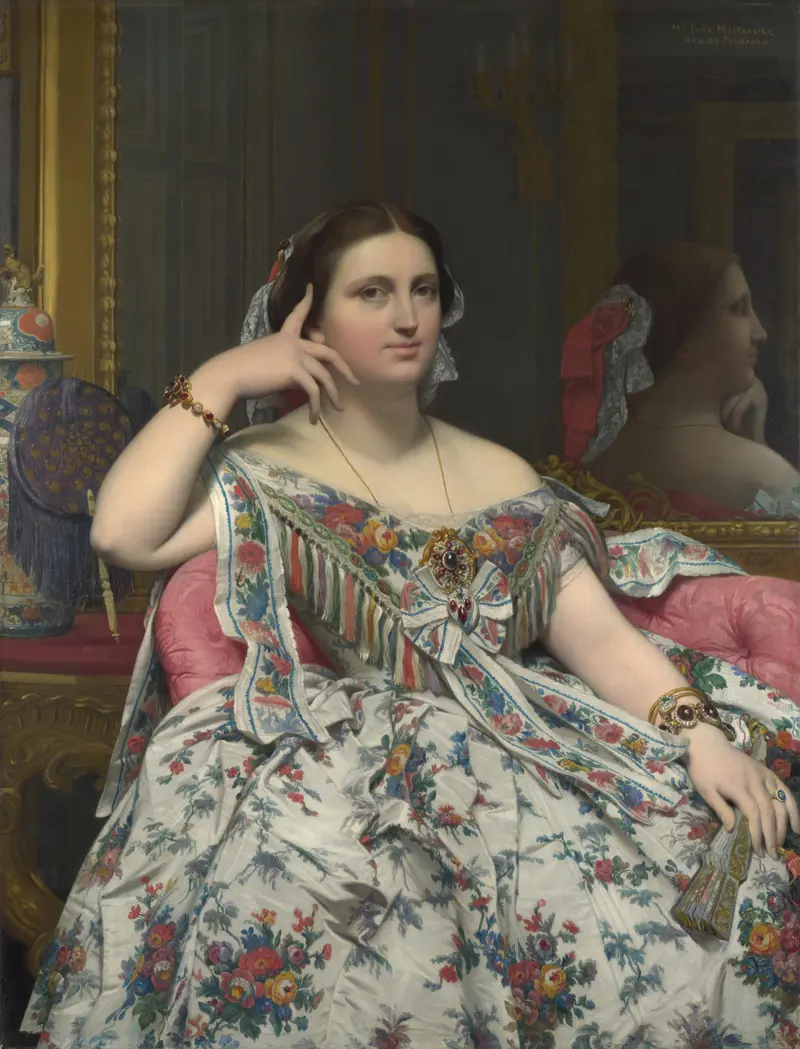
Madame Moitessier (seated)
Jean Auguste Dominique Ingres
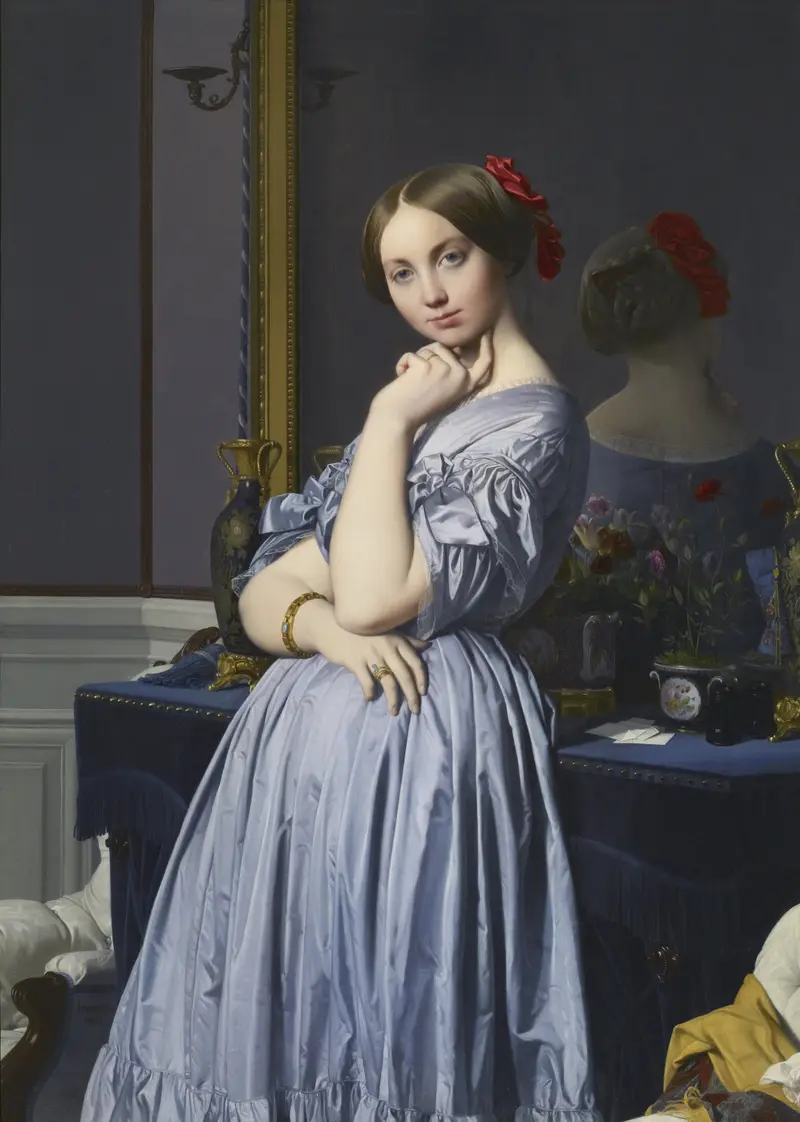
Portrait of Comtesse d’Haussonville
Jean Auguste Dominique Ingres
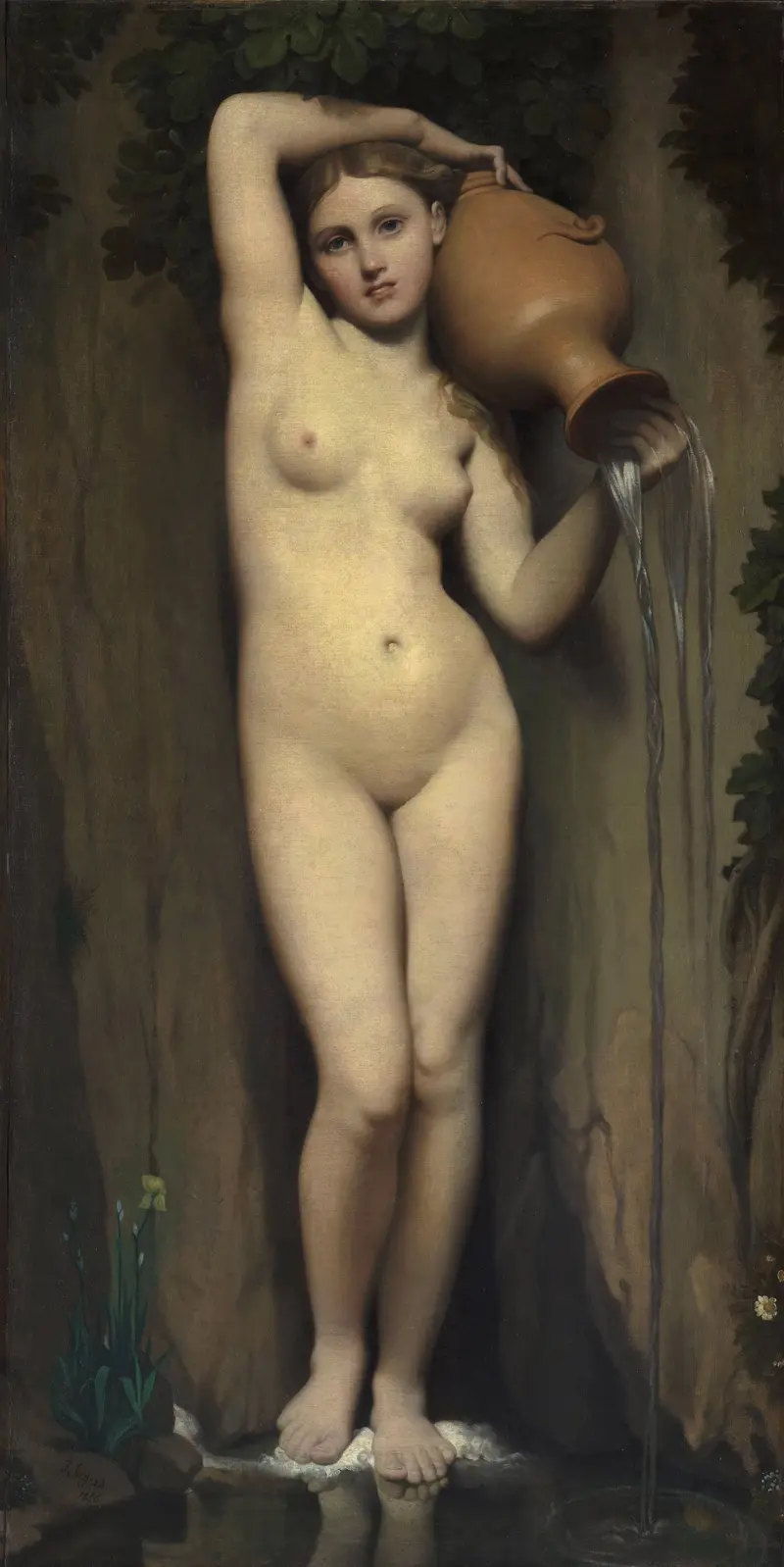
The Source
Jean Auguste Dominique Ingres
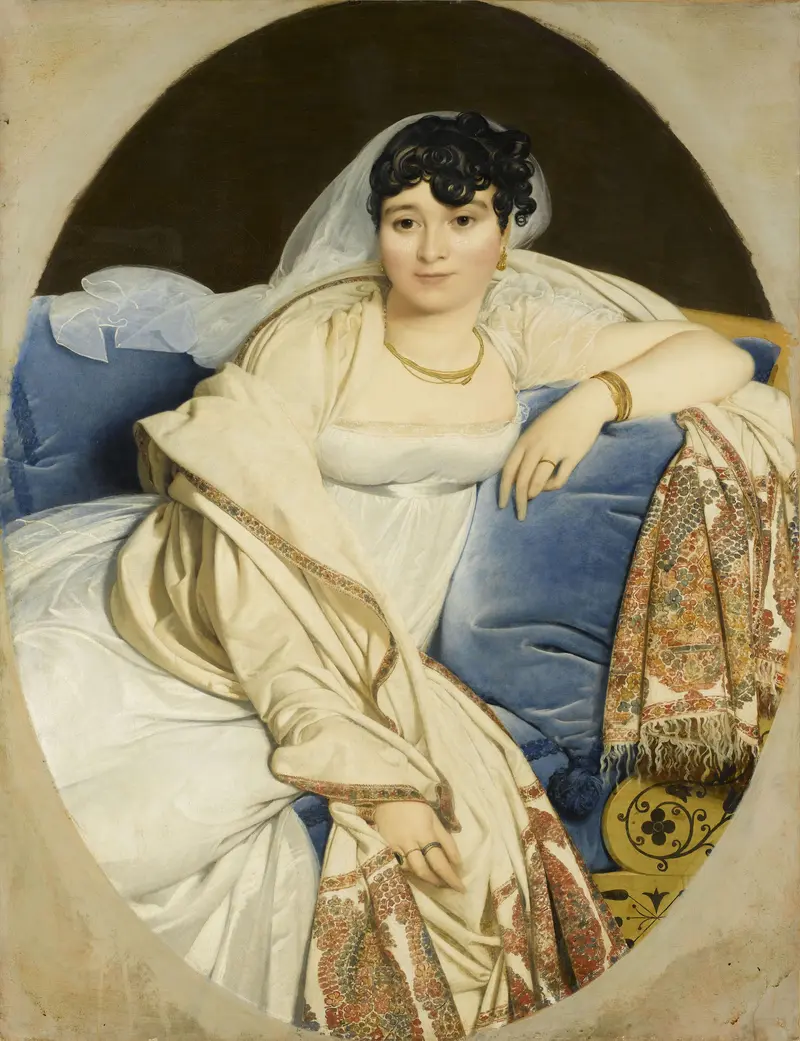
Madame Rivière
Jean Auguste Dominique Ingres

Madame Jean-Auguste-Dominique Ingres, née Madeleine Chapelle
Jean Auguste Dominique Ingres

Portrait of a Lady
Jean Auguste Dominique Ingres
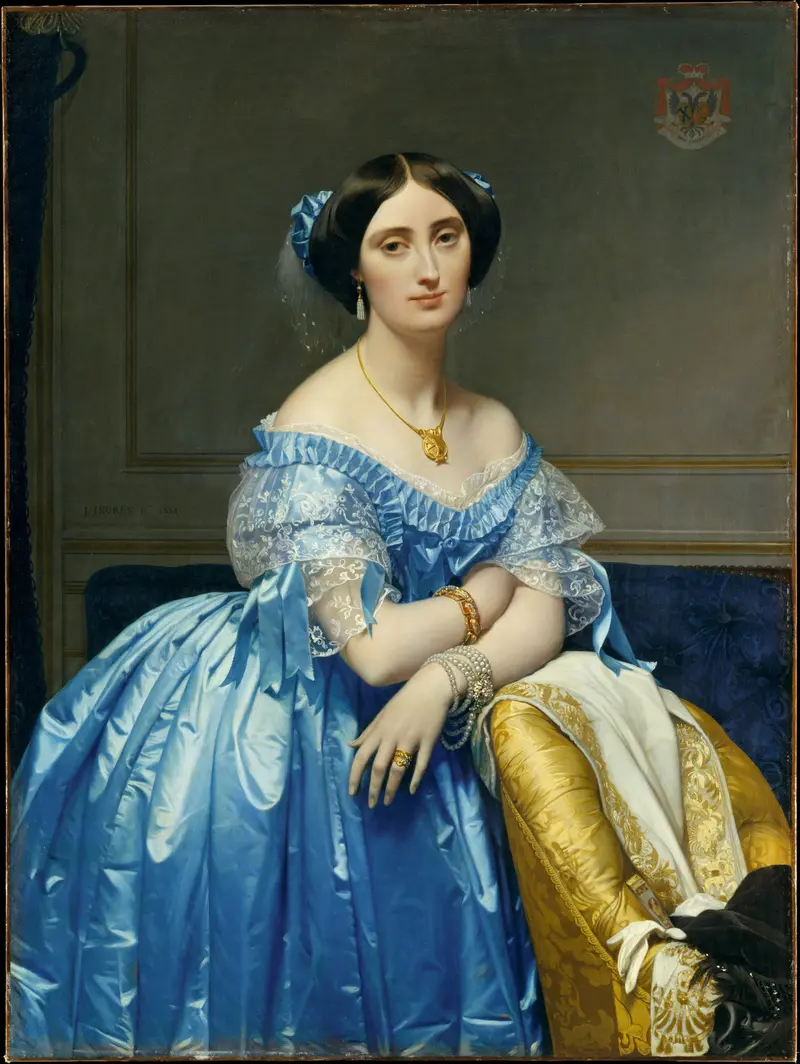
Joséphine-Éléonore-Marie-Pauline de Galard de Brassac de Béarn (1825–1860), Princesse de Broglie
Jean Auguste Dominique Ingres
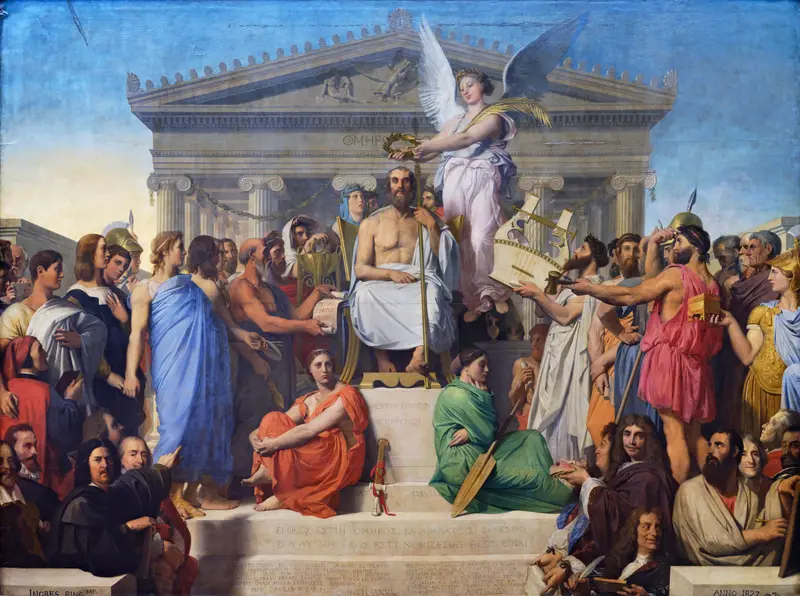
The Apotheosis of Homer
Jean Auguste Dominique Ingres





