
Grande Odalisque — History & Facts
A nude woman lies half-reclined on a bed, seen from behind, and turns her head to look at us over her shoulder. A pale turban with a gold-fringed tassel is wound around her hair, and gold bracelets circle her forearm. A fan of peacock feathers on a gilded handle rests beside her thigh, and behind her a blue curtain patterned with small gold and red figures falls to the floor.
A yellow cloth and white linen are heaped on the bed at the left. The Louvre calls her an imaginary figure, the slave of an Ottoman sultan, and names no real model. Jean-Auguste-Dominique Ingres painted her in Rome in 1814 for Caroline Murat, Queen of Naples, and signed and dated the canvas there. He cared most for the purity of line, the museum says, freeing himself from all anatomical truth: look at the length of her back. The Louvre says her serene pose and velvety skin make her an heir to the Venuses painted in Renaissance Venice.
The painting was shown at the Salon of 1819 and was bought by the museum in 1899. It is in the Musée du Louvre in Paris.
Sources: Wikidata Q1978815 · Wikipedia: Grande Odalisque · Image source (Wikimedia Commons)
More Artworks by Jean Auguste Dominique Ingres
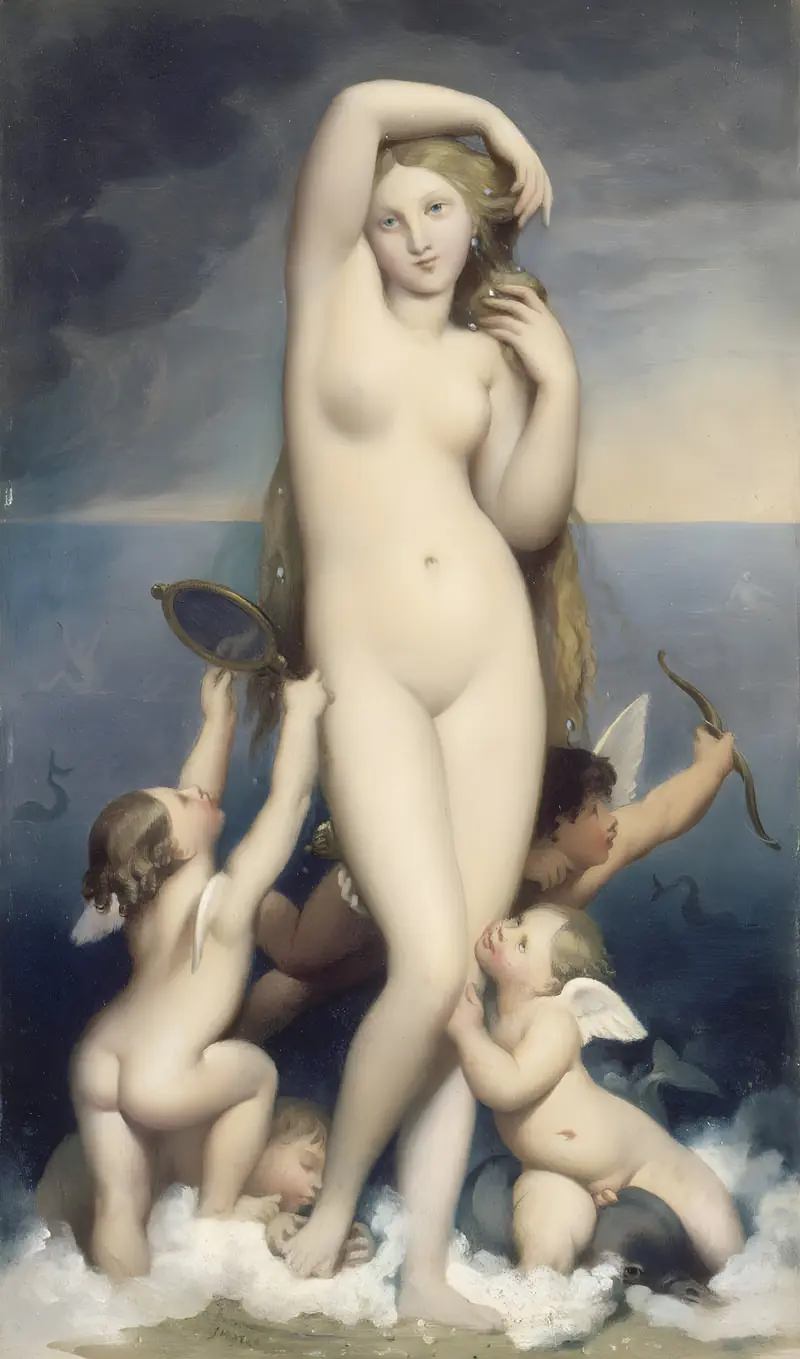
Vénus anadyomène
Jean Auguste Dominique Ingres
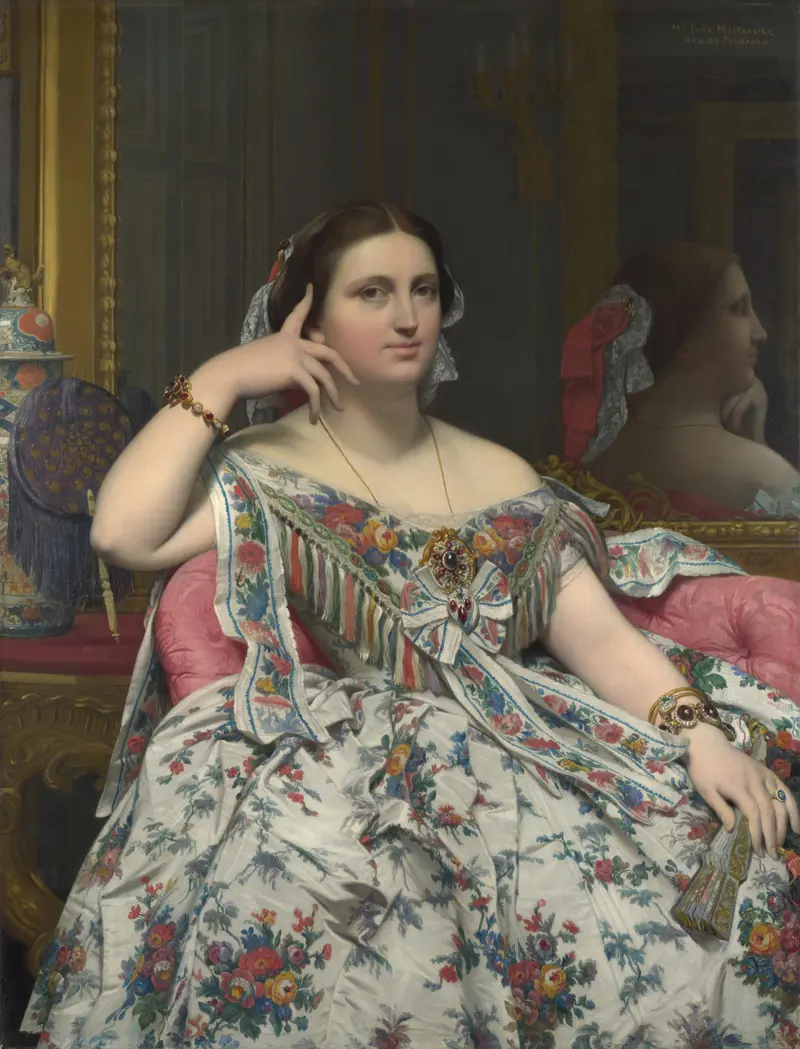
Madame Moitessier (seated)
Jean Auguste Dominique Ingres
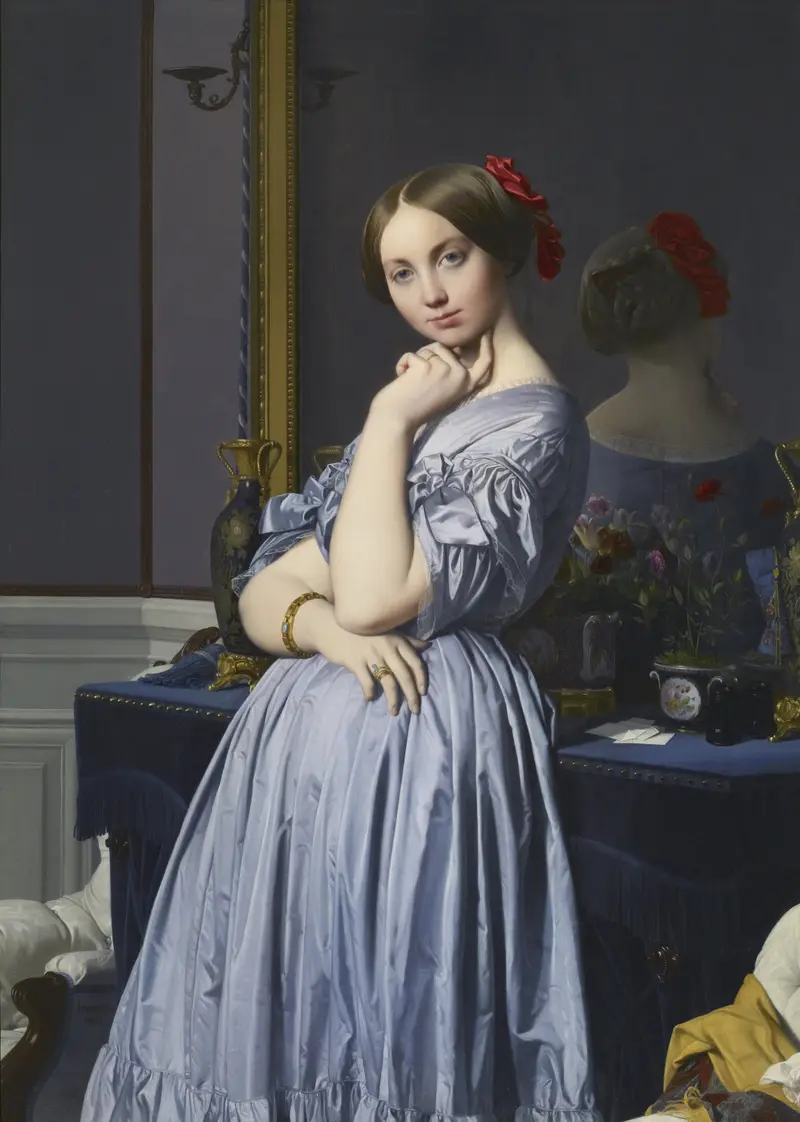
Portrait of Comtesse d’Haussonville
Jean Auguste Dominique Ingres
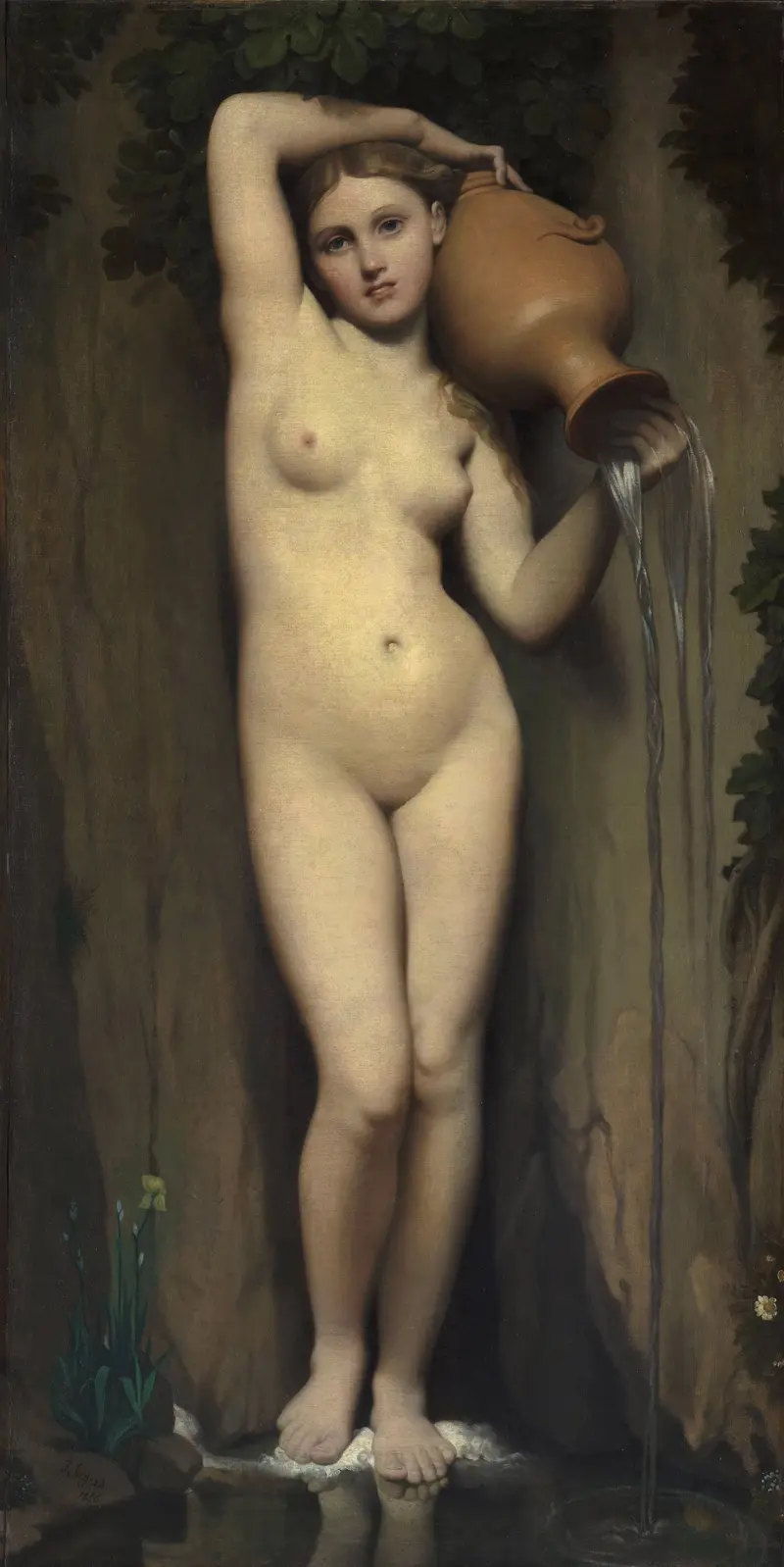
The Source
Jean Auguste Dominique Ingres
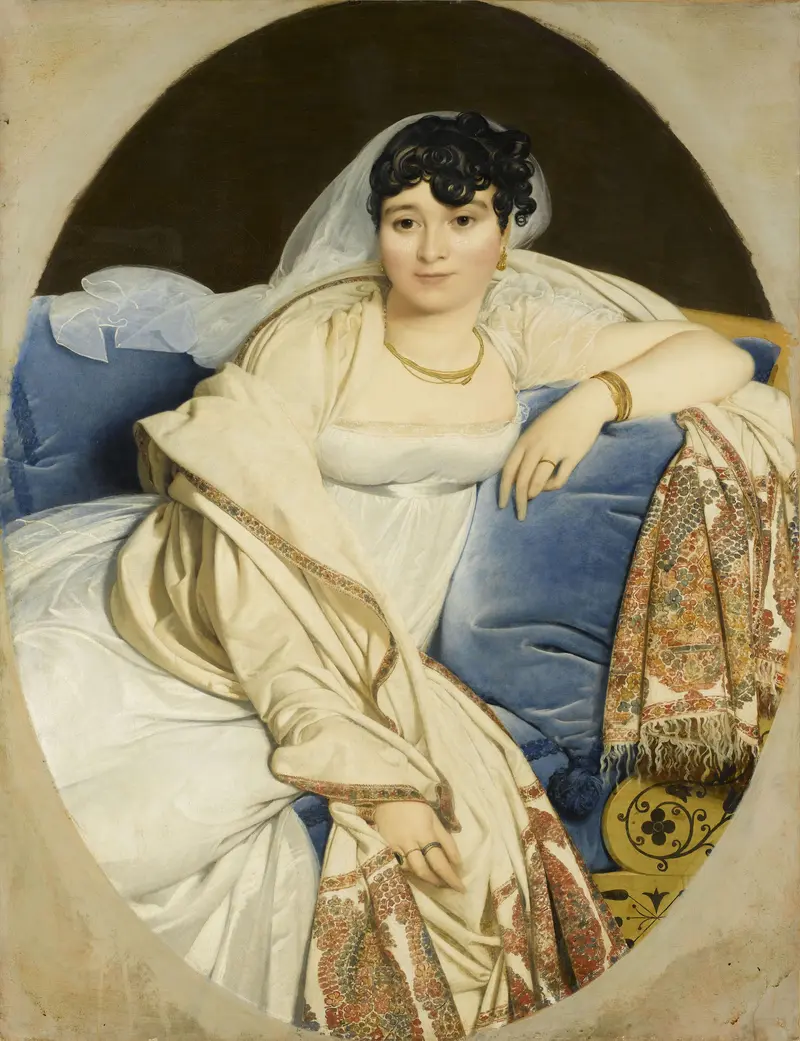
Madame Rivière
Jean Auguste Dominique Ingres

Madame Jean-Auguste-Dominique Ingres, née Madeleine Chapelle
Jean Auguste Dominique Ingres

Portrait of a Lady
Jean Auguste Dominique Ingres
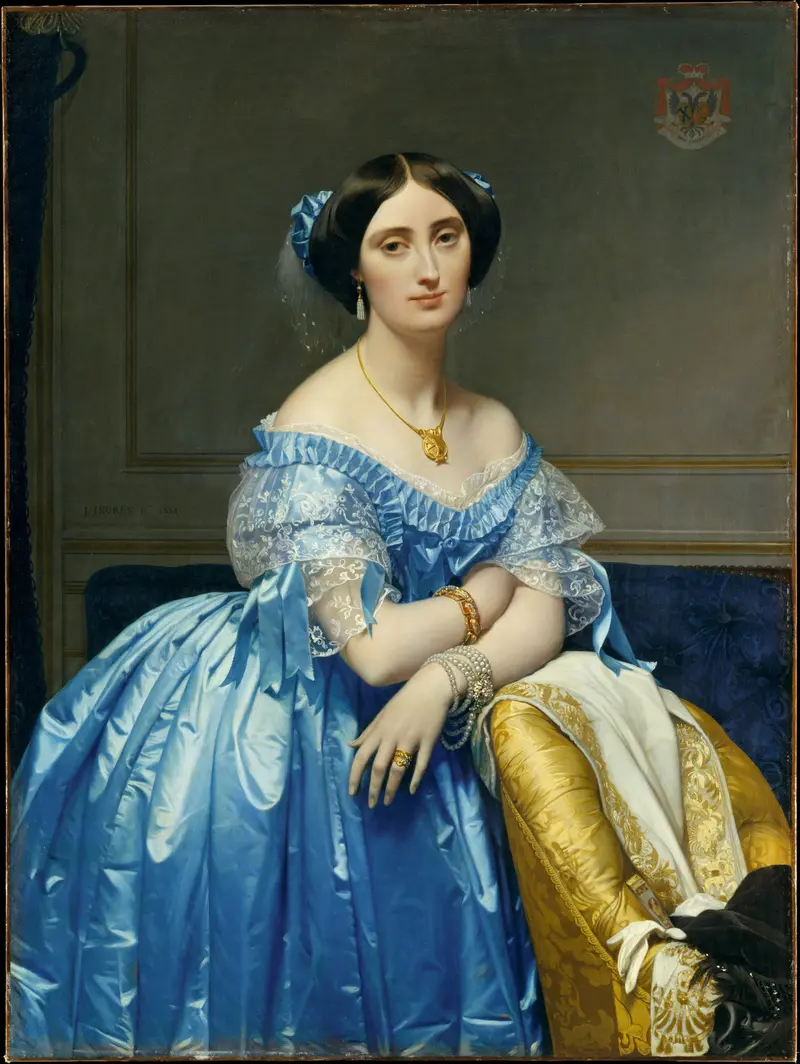
Joséphine-Éléonore-Marie-Pauline de Galard de Brassac de Béarn (1825–1860), Princesse de Broglie
Jean Auguste Dominique Ingres
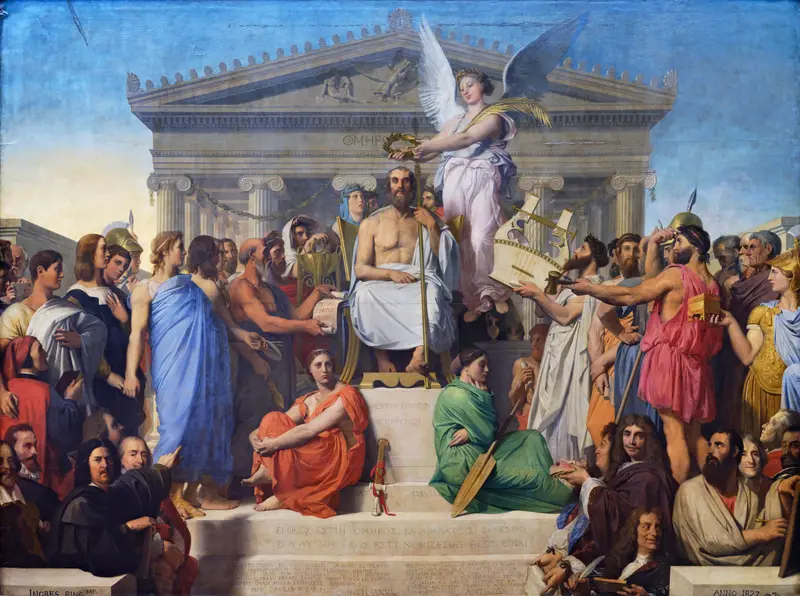
The Apotheosis of Homer
Jean Auguste Dominique Ingres
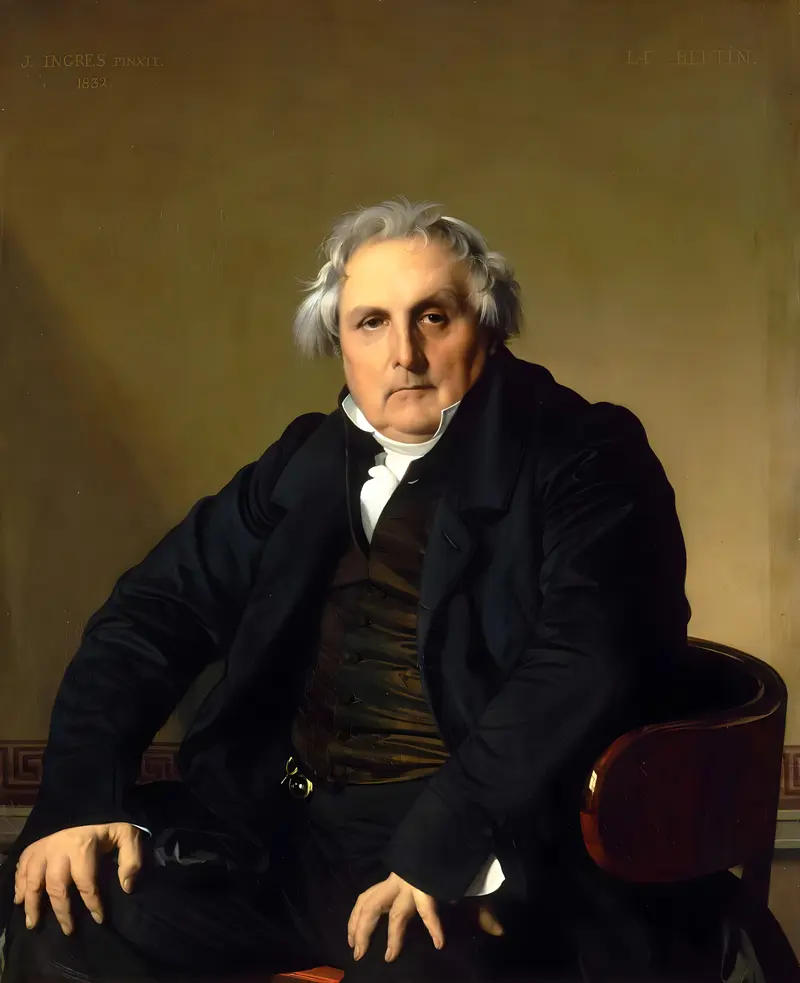
Portrait of Monsieur Bertin
Jean Auguste Dominique Ingres



