
Appelboom in landschap — History & Facts
What secret hides in the quiet of the canvas? A whisper of dreams and the gentle brush of nature's hand beckons viewers to step closer to the enchanting world depicted within. Look to the center of the composition, where a blossoming apple tree stands proudly, its branches adorned with delicate petals that seem to dance in the soft breeze. Notice how the light filters through the leaves, casting dappled shadows on the ground below. The artist's deft use of color — a vibrant palette of greens and whites — evokes a sense of tranquility, drawing the eye deeper into this pastoral landscape where the stillness of the moment invites contemplation. Beneath the surface, layers of meaning unfold.
The apple tree, a symbol of fertility and renewal, suggests the cyclical nature of life, while the expansive fields surrounding it speak to both solitude and abundance. Here, the interplay between light and shadow hints at life's fleeting beauty, striking a delicate balance between the ethereal and the earthly. The stillness resonates in the viewer’s heart, offering an invitation to reflect on the dreams that lie just out of reach. During the period between 1880 and 1911, the artist created this piece amidst a flourishing movement in Dutch landscape painting.
As European art began to shift with modernity, his focus remained on capturing the serene beauty of nature, a longing for an idyllic past. Dupont’s work reflects the transitional energies of his time, marked by a yearning for connection to the natural world amidst rapid changes in society.
More Artworks by Pieter Dupont
Browse all →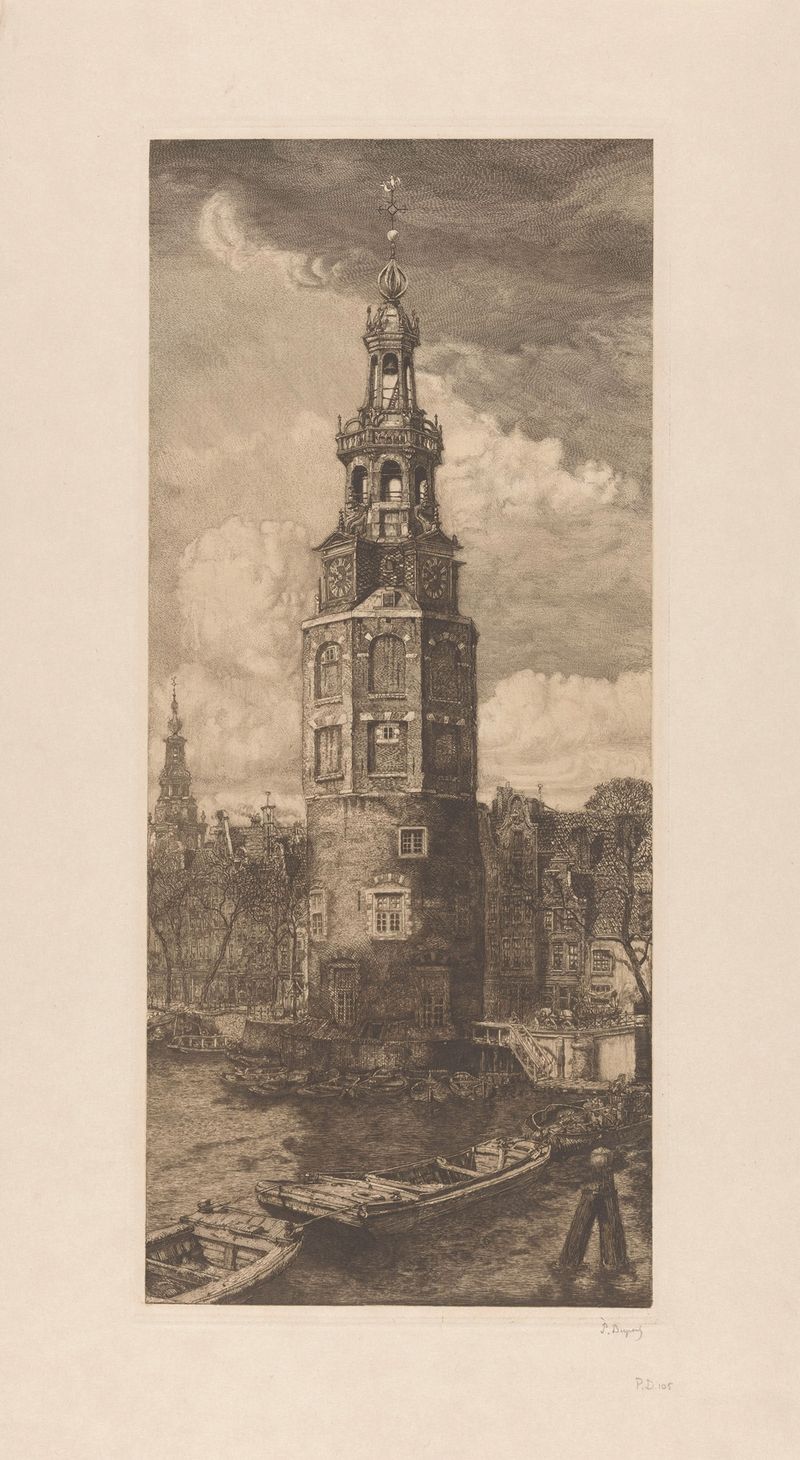
Montelbaanstoren aan de Oudeschans in Amsterdam
Pieter Dupont
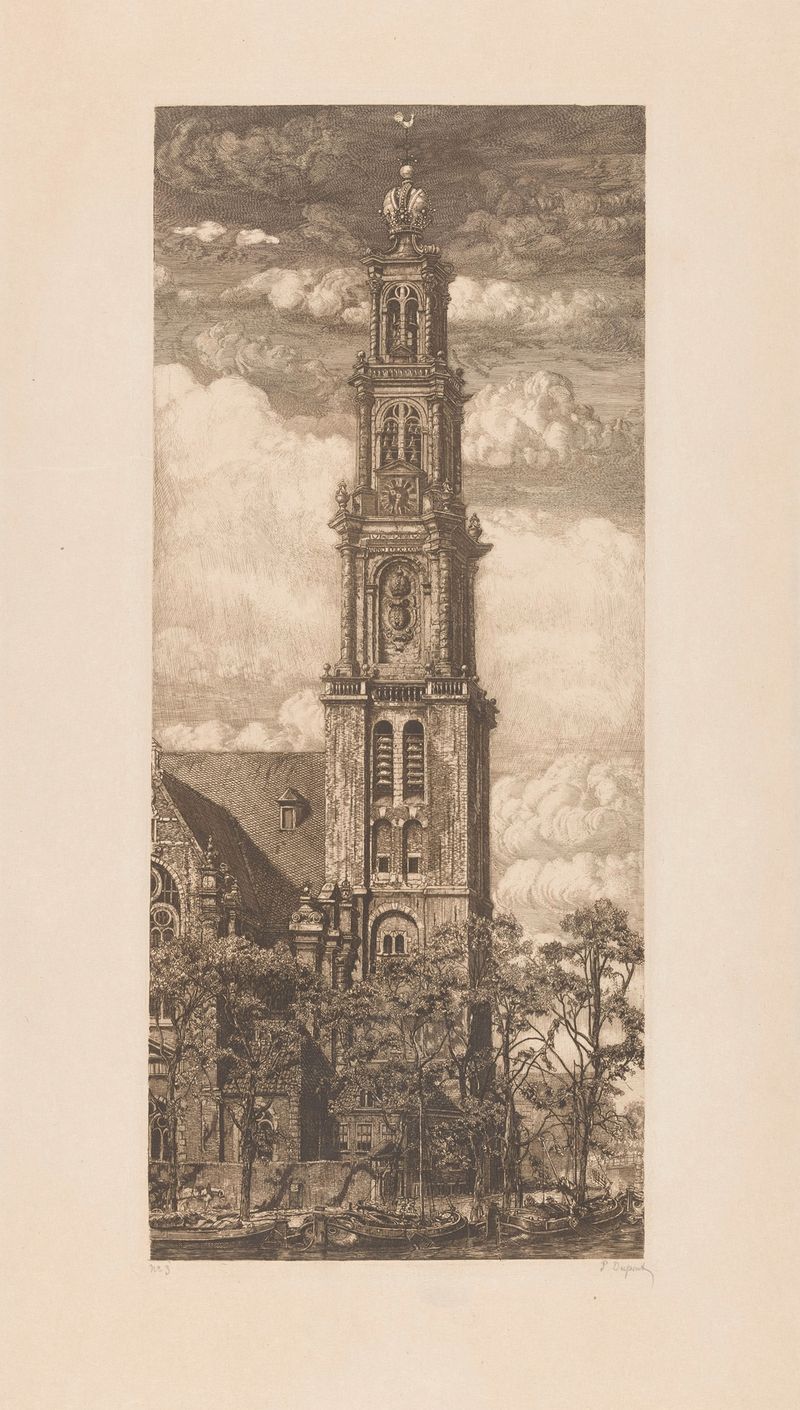
Westertoren in Amsterdam
Pieter Dupont
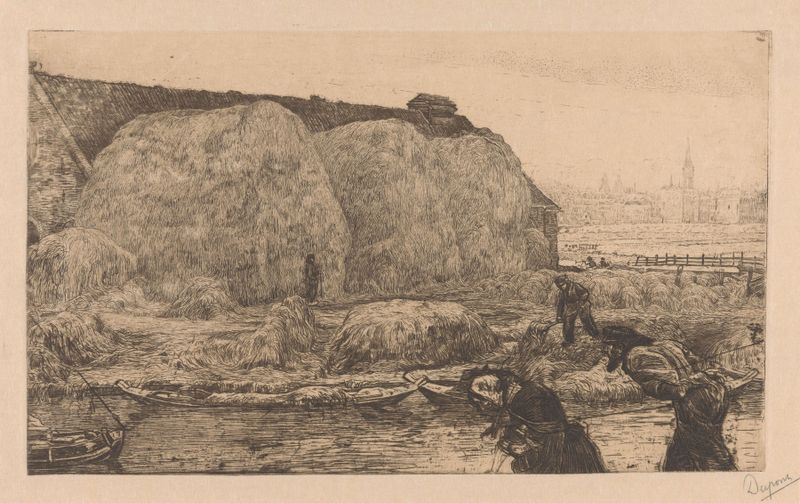
Boerderij met hooischelven aan het Jaagpad in Amsterdam
Pieter Dupont
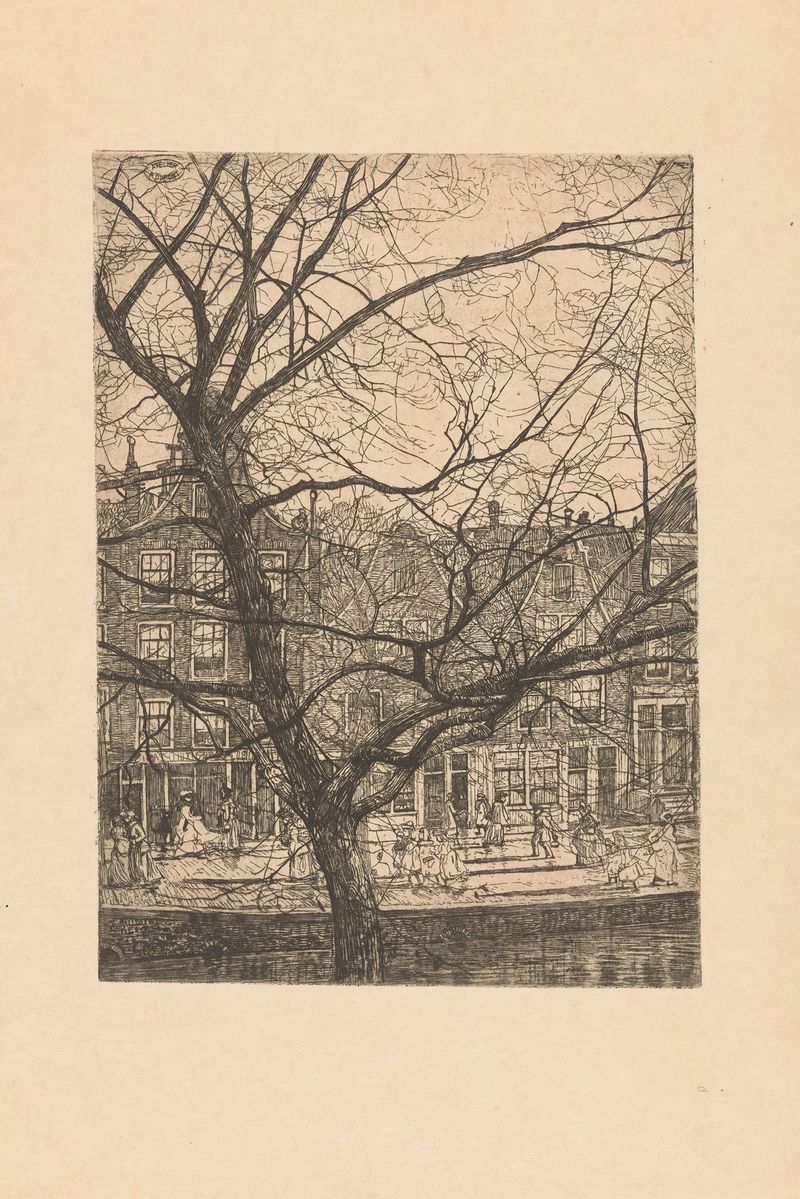
Grachtenhuizen met halsgevels in Amsterdam
Pieter Dupont
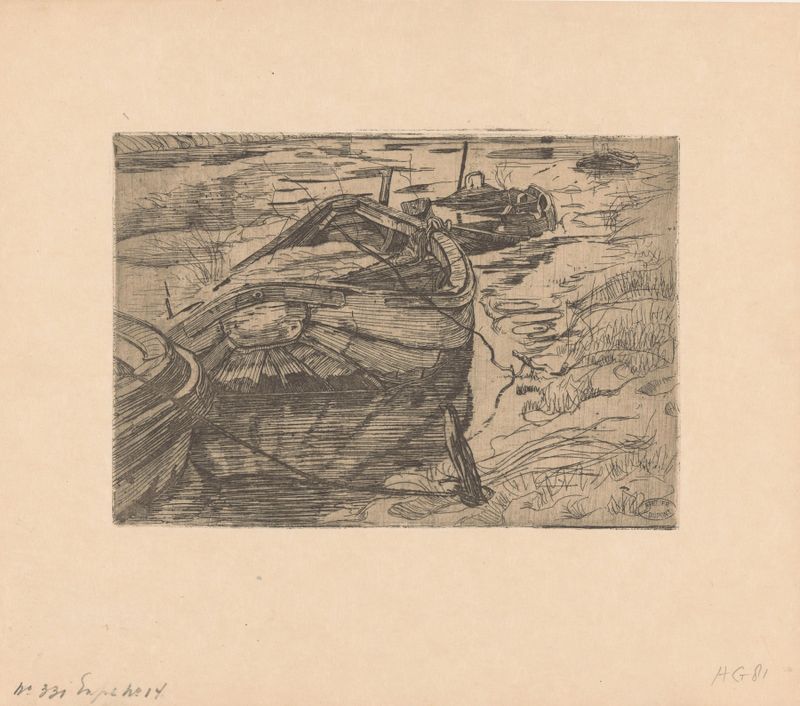
Afgemeerde roeiboten in een sloot
Pieter Dupont
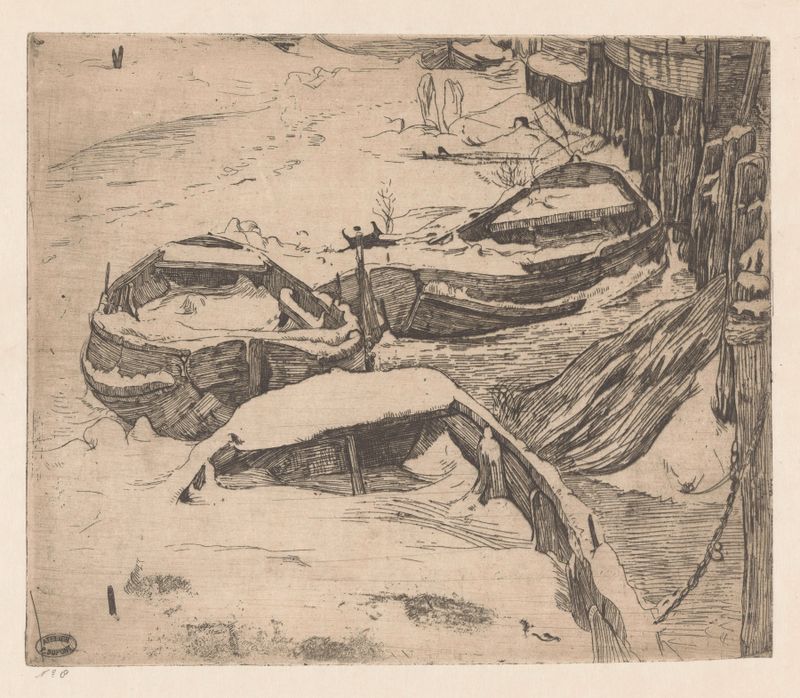
Drie besneeuwde roeiboten bij een wal
Pieter Dupont
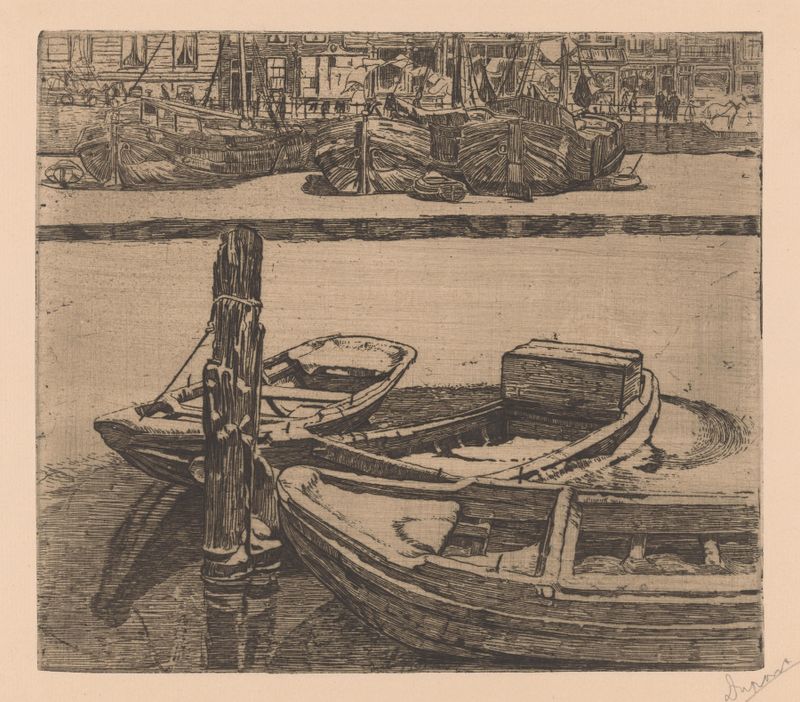
Schepen in het Damrak in Amsterdam
Pieter Dupont
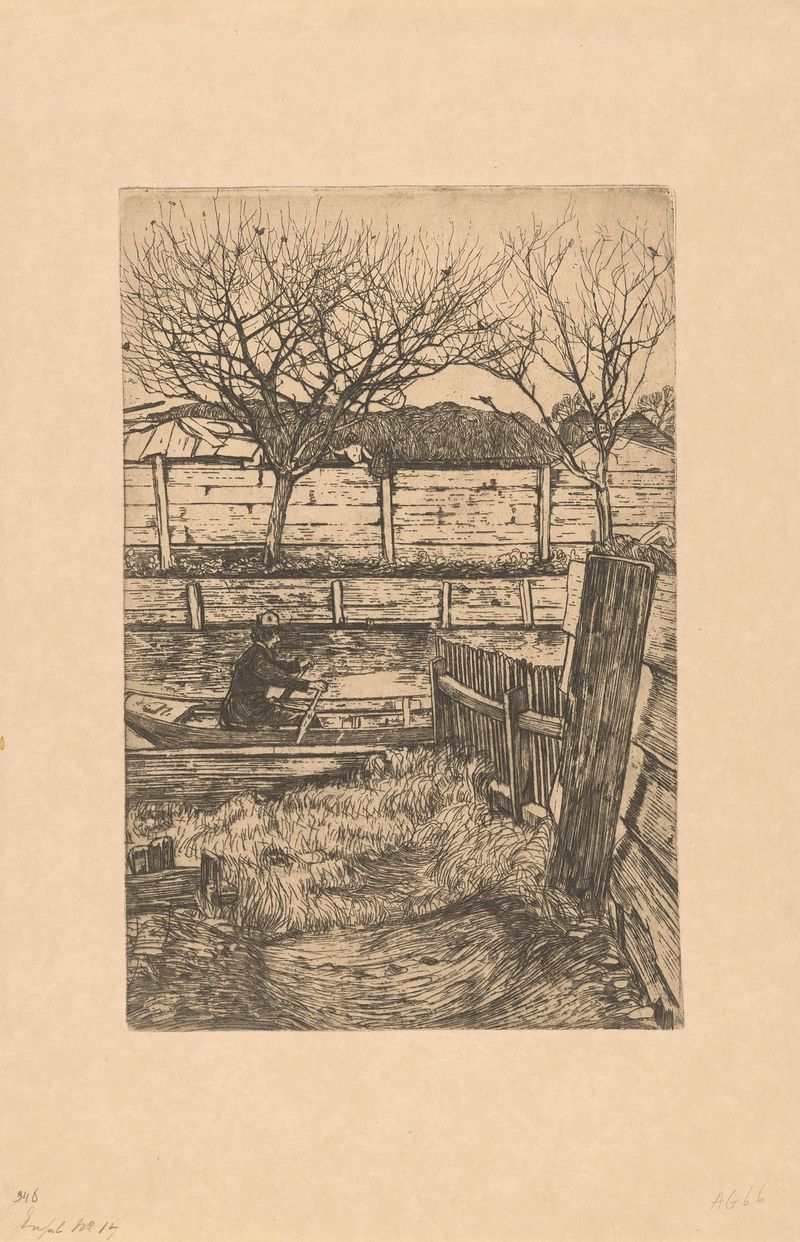
Man in een roeiboot, waarschijnlijk bij de Slatuinen in Amsterdam
Pieter Dupont
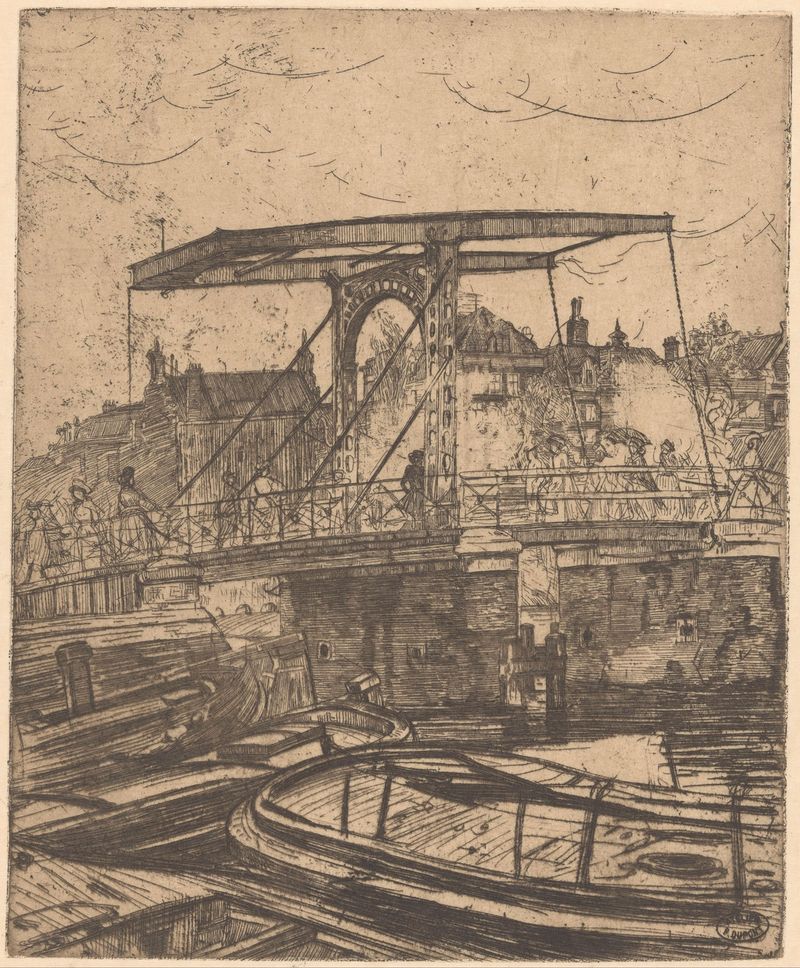
Magere Brug in Amsterdam
Pieter Dupont
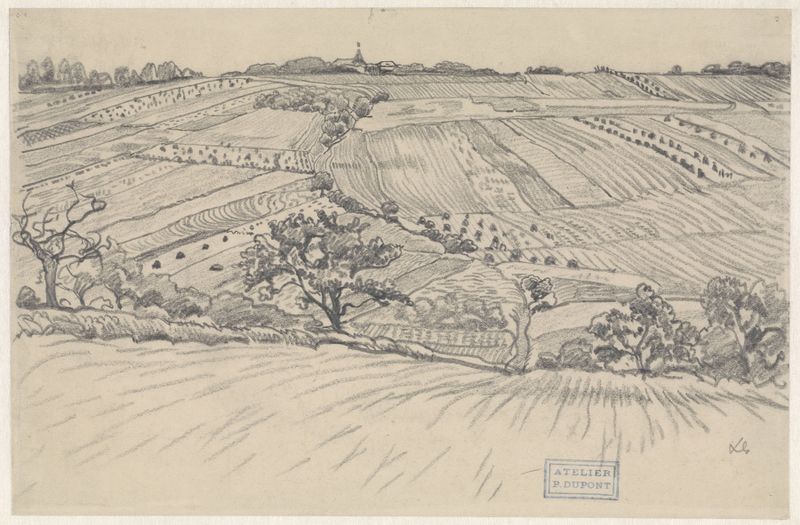
Heuvelachtig landschap met korenvelden
Pieter Dupont





