
Apple Trees — History & Facts
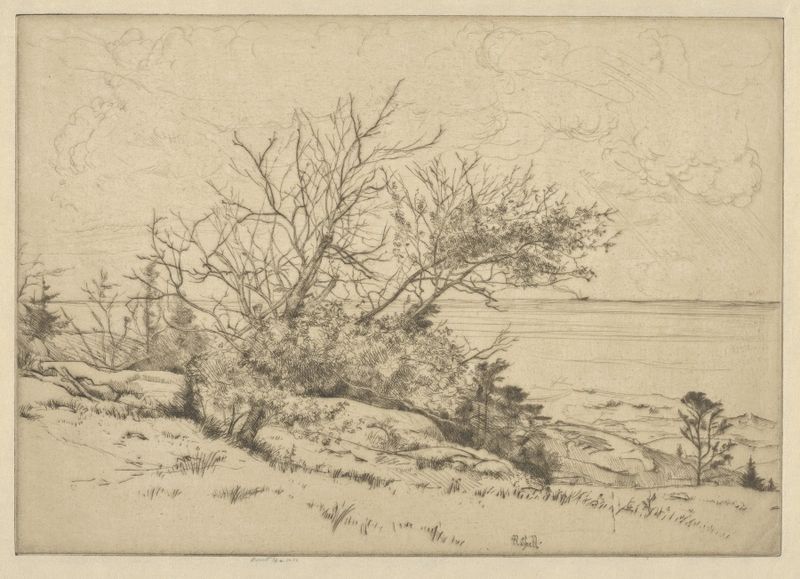
In the soft embrace of nostalgia, art becomes a portal to cherished moments, bridging time and memory. Look to the vivid greens and gentle blues of Apple Trees, where the painter’s hand dances across the canvas, conjuring a serene landscape alive with the promise of fruit. The trees stand tall, their branches cradling clusters of apples, inviting the viewer to delve deeper into their boughs. Notice how the sunlight filters through the leaves, dappled shadows creating a rhythm of light and contrast that breathes life into the scene.
Haskell's technique is evident in the textured strokes, which suggest not just the physicality of the trees but also the emotional weight of the memories they carry. Beneath this tranquil exterior lies a poignant exploration of transience. The apples, ripe and ready to fall, evoke the bittersweet nature of recollection—moments of joy tinged with the inevitability of change. Each tree may symbolize a different chapter, a story filled with laughter, love, or loss.
The harmony of color not only captures the essence of a rural landscape but embodies the longing for simpler times, turning the viewer's gaze inward to their own past. In 1923, when Apple Trees was painted, Haskell was immersed in the creative pulse of the post-World War I era, a time when artists sought solace in nature and the familiar. Living in New England, he found inspiration in the calm and beauty surrounding him, reflecting a collective yearning for peace after tumultuous years. The artwork stands as a testament to both personal and universal memories, inviting us to pause and reflect on the moments that shape our lives.
More Artworks by Ernest Haskell
Browse all →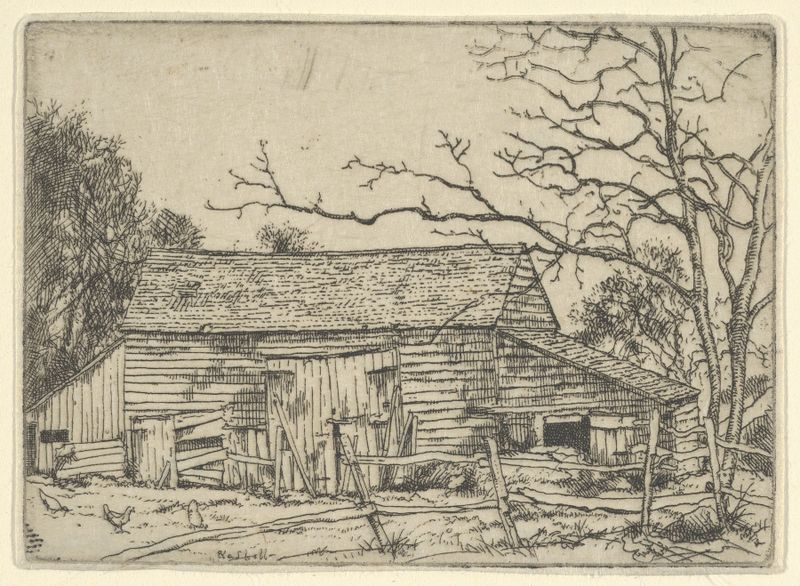
The Barn–Staten Island, N.Y.
Ernest Haskell

Four Live Oaks
Ernest Haskell
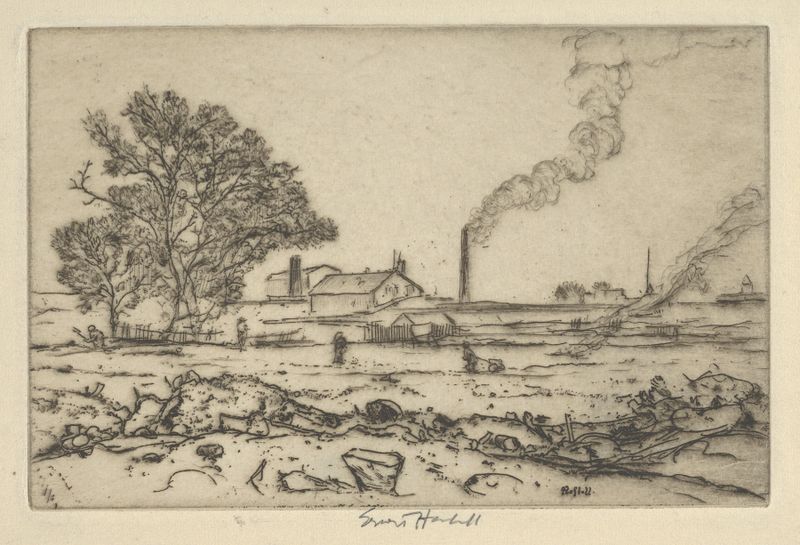
Outskirts of Boston
Ernest Haskell
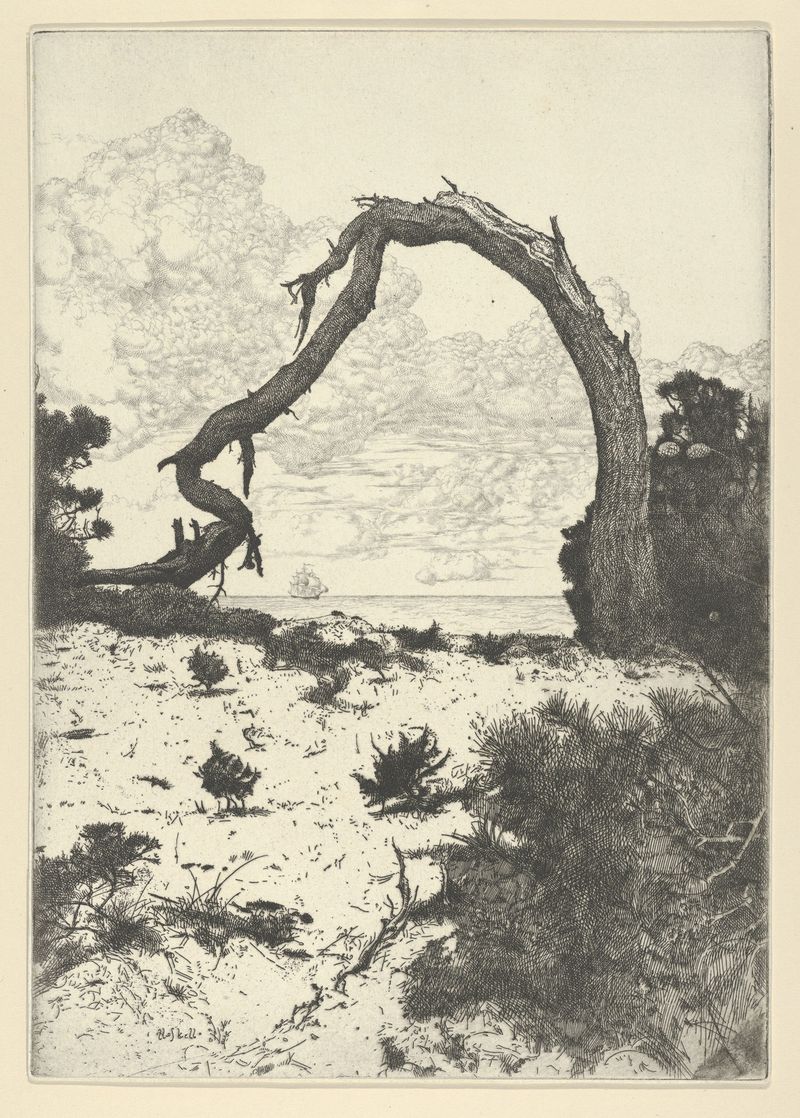
Pine Arch
Ernest Haskell

General Sherman
Ernest Haskell
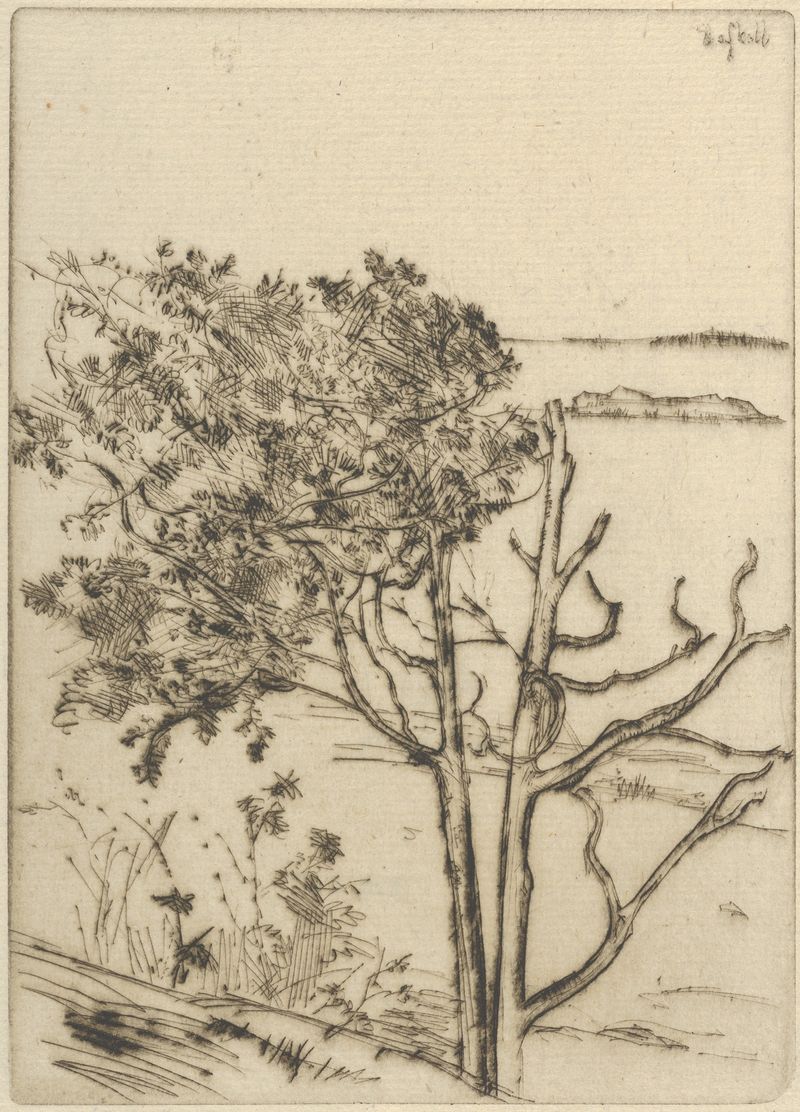
Ragged Tree – Maine
Ernest Haskell

Tide Mill
Ernest Haskell

Ship Building
Ernest Haskell
To the Southward – Ragged Island, Me.
Ernest Haskell
Long Island Marshes
Ernest Haskell





