
Apple Trees — History & Facts
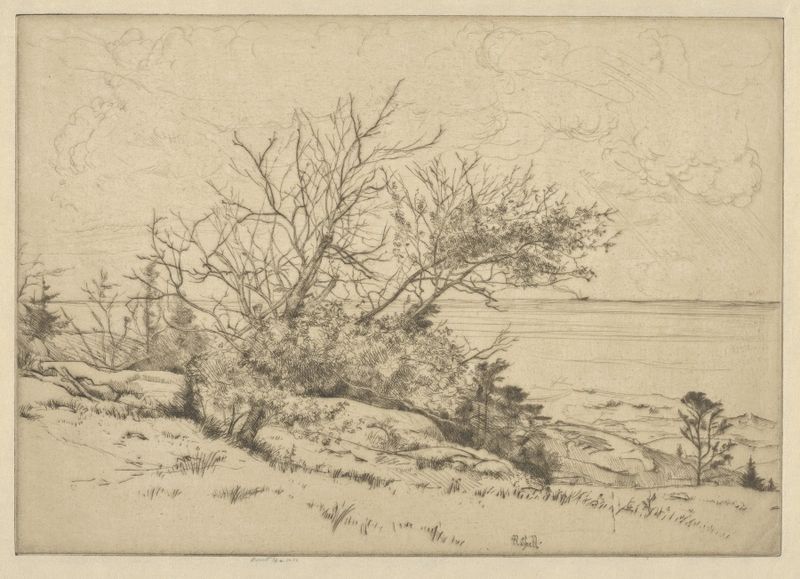
Who listens when art speaks of silence? In the delicate interplay of light and shadow within Apple Trees, a profound faith emerges—a belief in nature's quiet endurance. Look to the left at the gentle sway of the apple trees, their branches heavy with fruit, each glimmering with hints of sunlight. The muted greens and soft browns provide a tranquil backdrop, while dappled light filters through, casting intricate patterns on the ground. The brushstrokes are subtle yet deliberate, evoking a sense of serenity that invites the viewer to linger.
Notice how the composition leads the eye toward a patch of sky, a reminder of the vastness beyond the orchard, suggesting both confinement and freedom. Beneath the surface, the scene conveys a deeper narrative. The trees, steadfast in their stance, symbolize resilience and the cyclical nature of life, standing firm against the passage of time. The play of light suggests hope—an affirmation of belief in renewal and growth, even in periods of stillness.
The juxtaposition of ripe fruit against the earth underscores the tension between abundance and the inevitability of decay, inviting reflection on the transient beauty of existence. Created in 1923, this piece emerged during a time when Ernest Haskell was exploring the relationship between nature and humanity. Living in a world still reeling from the aftermath of World War I, Haskell sought solace in the simplicity of rural landscapes, grappling with themes of rebirth and healing through his art. This period marked a significant evolution in his work, as he embraced a style that bridged realism with impressionism, echoing the broader shifts in the art world toward more introspective and contemplative expressions.
More Artworks by Ernest Haskell
Browse all →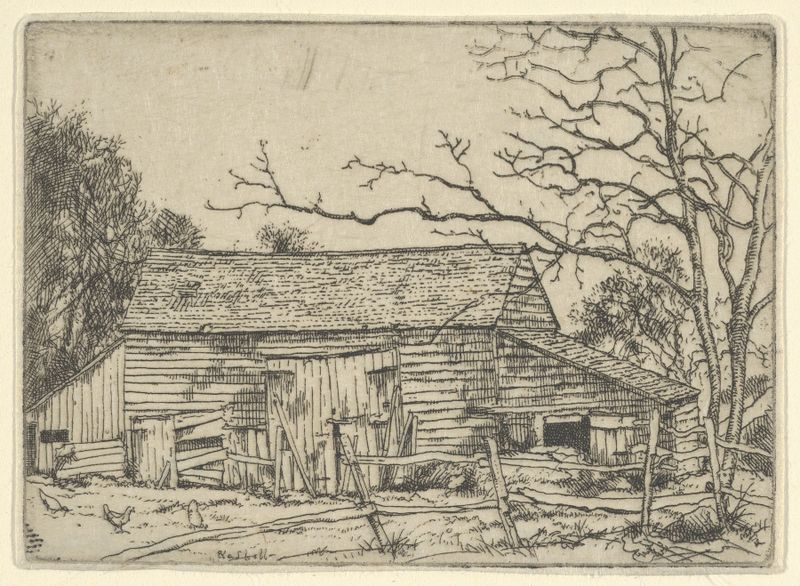
The Barn–Staten Island, N.Y.
Ernest Haskell

Four Live Oaks
Ernest Haskell
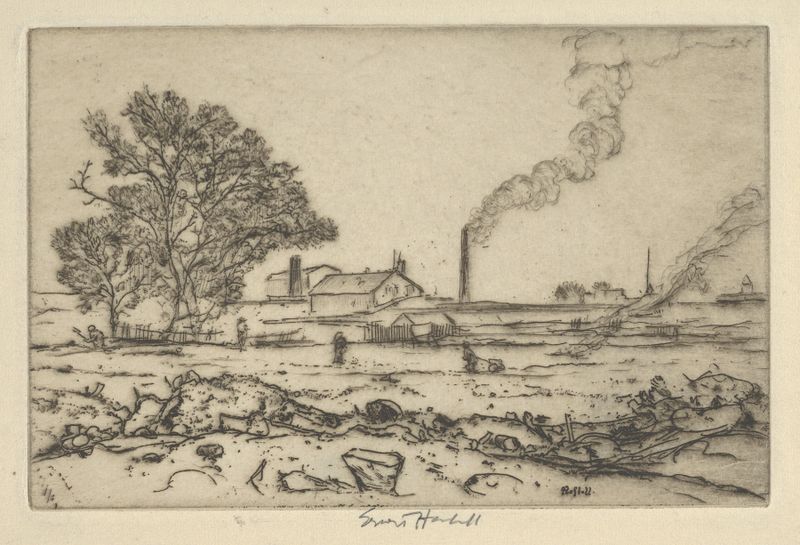
Outskirts of Boston
Ernest Haskell
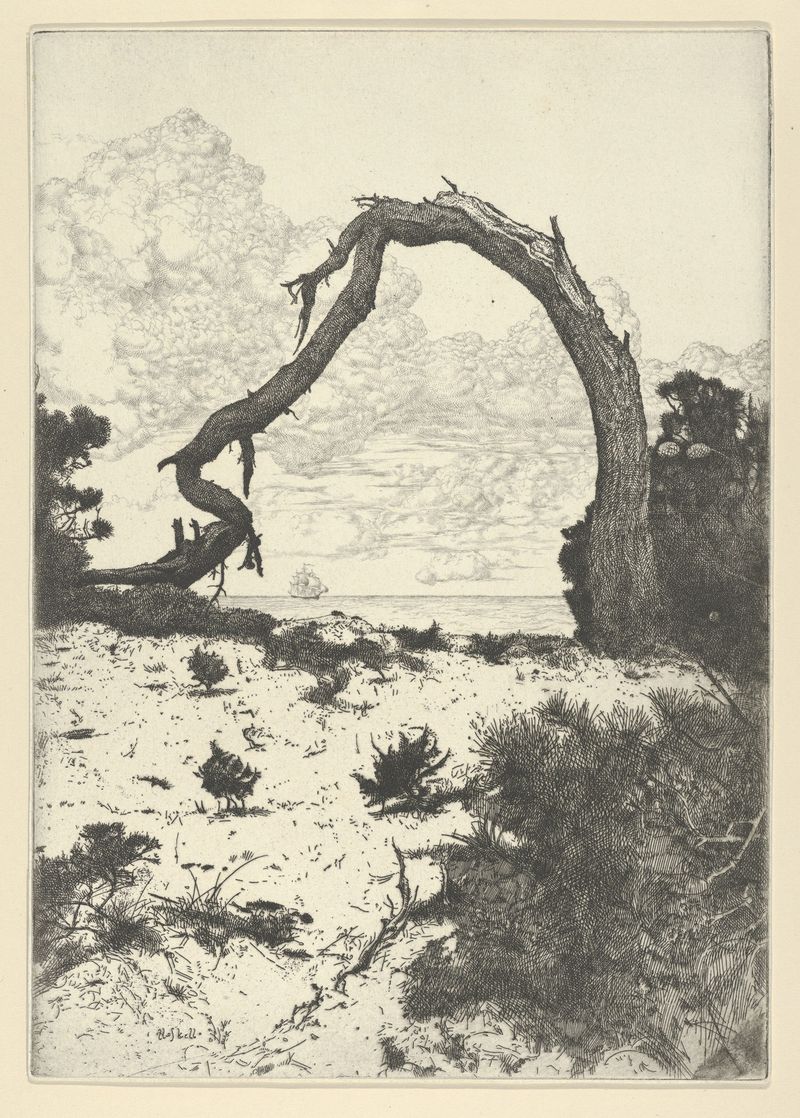
Pine Arch
Ernest Haskell

General Sherman
Ernest Haskell
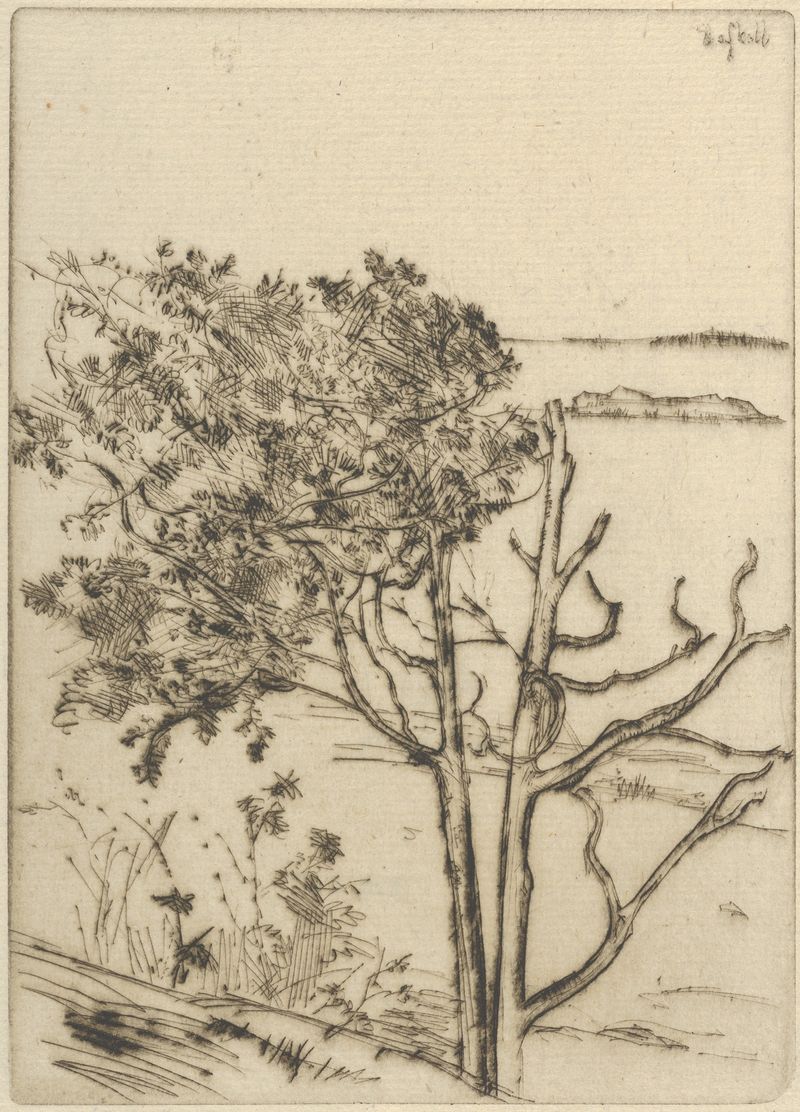
Ragged Tree – Maine
Ernest Haskell

Tide Mill
Ernest Haskell

Ship Building
Ernest Haskell
To the Southward – Ragged Island, Me.
Ernest Haskell
Long Island Marshes
Ernest Haskell





