
Arakawa no shigure — History & Facts
Who listens when art speaks of silence? In the gentle embrace of a rainy autumn afternoon, yearning echoes through each brushstroke. Look to the foreground, where the softly falling raindrops create a delicate veil over the scene, rendering the world both present and elusive. Notice how the muted colors of ochre and gray blend seamlessly, evoking the somber beauty of the season. The composition draws your eye towards the silhouettes of willows, their drooping branches framing the distant, hazy horizon — a balance of nature’s melancholy and resilience.
Each detail, from the ripples in the water to the mist rising gently, captures an atmosphere that is profoundly introspective. Within this tranquility lies an emotional tension; the rain symbolizes both sorrow and renewal, a bittersweet reminder of what is lost and the hope of what may come. The juxtaposition of the vibrant foliage against the somber backdrop speaks to the transient nature of beauty, prompting reflection on the passage of time. This silent dialogue between the elements invites viewers to ponder their own experiences of longing and nostalgia. Created during a period of artistic exploration in the early 20th century, the work reflects Takahashi Hiroaki's deep engagement with traditional Japanese aesthetics while also embracing modern sensibilities.
Painted in Arakawa, the artist captured the serene yet haunting quality of the late autumn landscape, a time when nature speaks most poignantly of change. This piece stands as a testament to a moment in a world rapidly evolving, where old traditions start to mingle with new perspectives.
More Artworks by Takahashi Hiroaki
Browse all →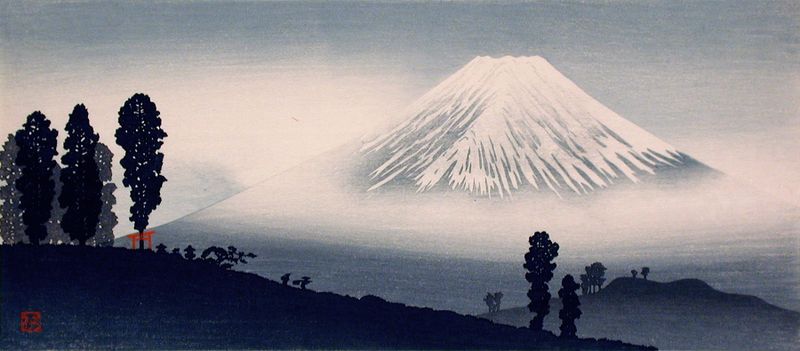
Mount Fuji
Takahashi Hiroaki

Mount Fuji seen near Tamaho, Dawn
Takahashi Hiroaki
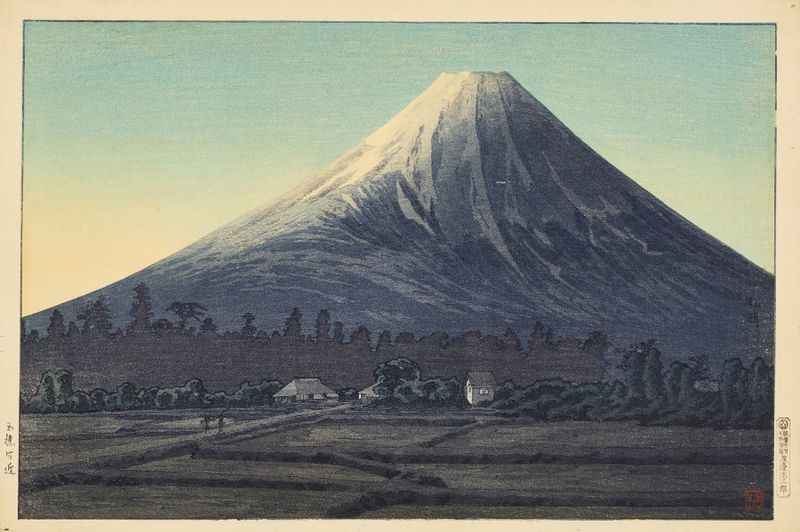
Mount Fuji seen near Tamaho, day
Takahashi Hiroaki
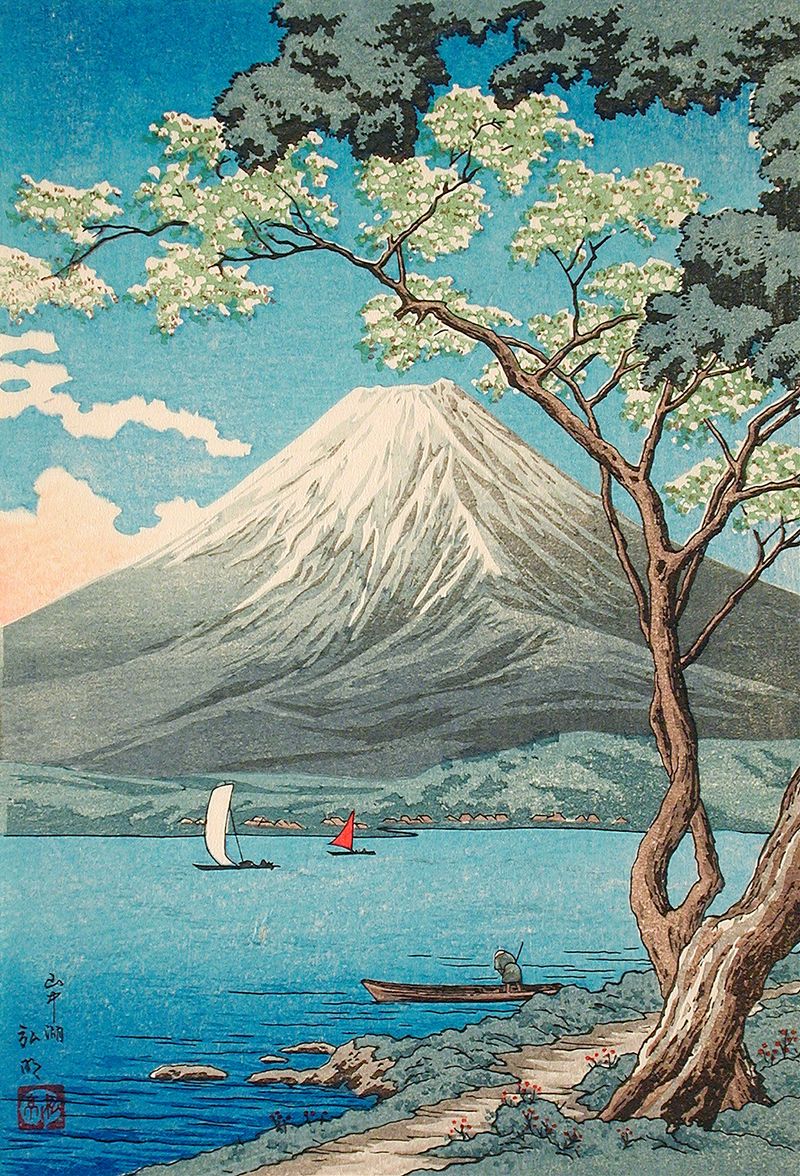
Mount Fuji from Lake Yamanaka
Takahashi Hiroaki

Mt. Fuji from Tagonoura, Snow Scene
Takahashi Hiroaki

Egoda no tsuki
Takahashi Hiroaki
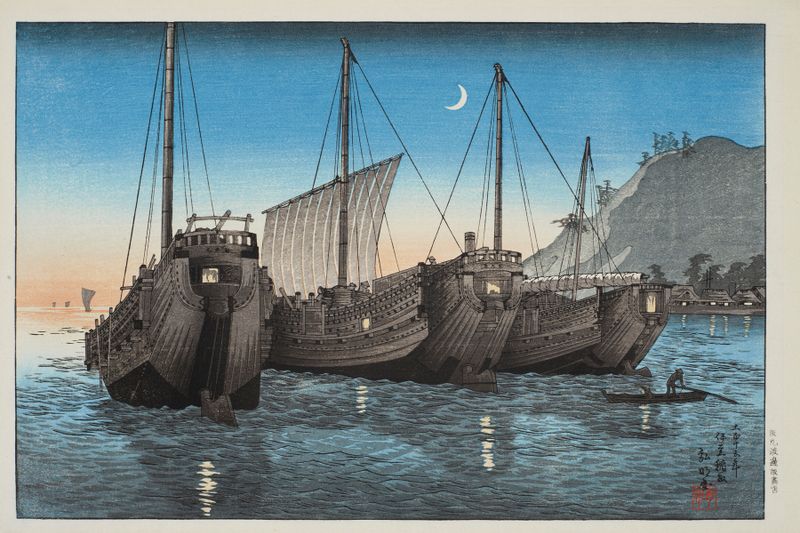
Junks in Inatori Bay, Izu
Takahashi Hiroaki

Izumibashi no ame
Takahashi Hiroaki
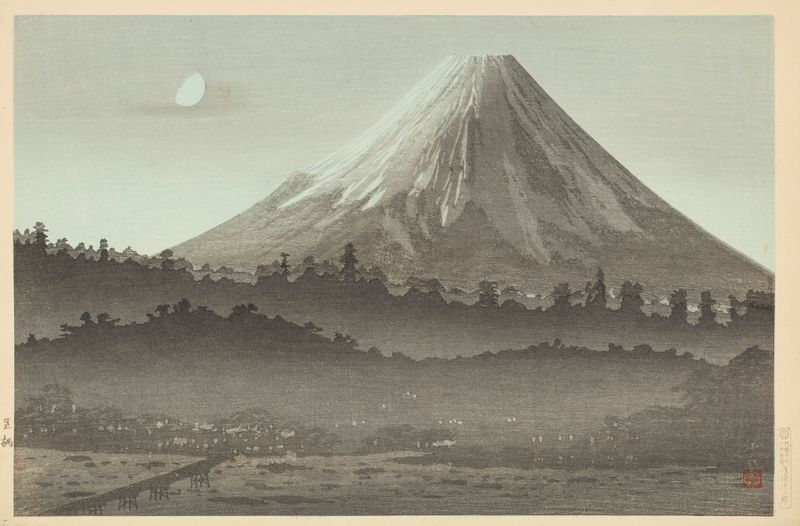
Mount Fuji seen near Tamaho, Night
Takahashi Hiroaki

Fishing nets at Tsukuda
Takahashi Hiroaki





