
Arend — History & Facts
In the depths of silence, where fear lingers like a shadow, the human essence emerges. What do we find when we turn inwards, confronting the unspoken anxieties that reside within us? Focus first on the figure at the center, cloaked in a heavy garment that seems to absorb the surrounding light. Notice the interplay of chiaroscuro—the deep contrasts highlighting the somber expression etched upon the subject's face.
The subtle yet deliberate strokes reveal not only the contours of the figure but also a tension that dances on the periphery of understanding. The muted palette amplifies the emotional gravity, guiding the viewer's eye towards the somber gaze that beckons for connection. As you observe, consider the implications of the figure's stance—both vulnerable and defiant. The tight grip on the fabric hints at an internal struggle, a desperate defense against the world outside.
This portrayal becomes a mirror of our deepest fears, nudging us to confront the discomfort of isolation and uncertainty. The delicate lines and ghostly textures evoke a sense of fragility, suggesting that in this moment, the line between existence and oblivion hangs by a thread. Created in 1654, this work emerged during a tumultuous time in Europe, marked by conflict and upheaval, particularly the Thirty Years' War. Wenceslaus Hollar, a prominent printmaker and draftsman based in England, captured the mood of his era through a lens that melded observation with emotion.
This piece reflects not only his mastery over detail but also a profound understanding of human vulnerability amidst societal chaos.
More Artworks by Wenceslaus Hollar
Browse all →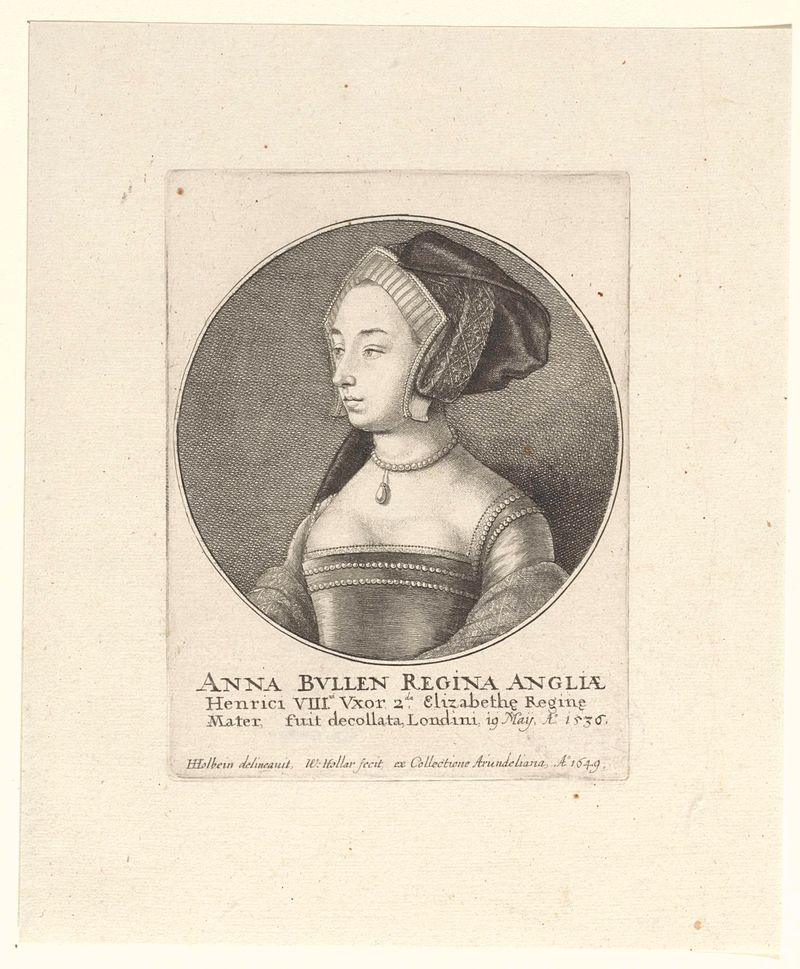
Portret van Anna Boleyn, koningin van Engeland
Wenceslaus Hollar
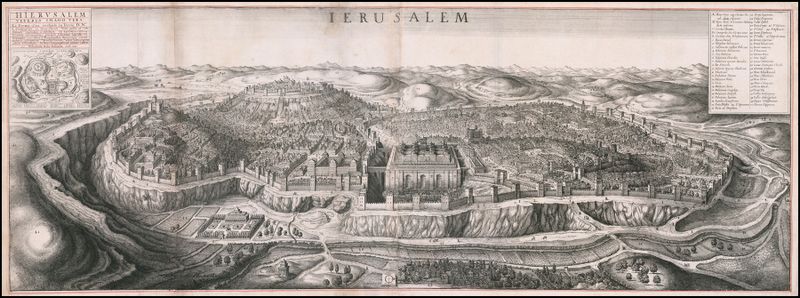
Bird’s eye view of Jerusalem
Wenceslaus Hollar
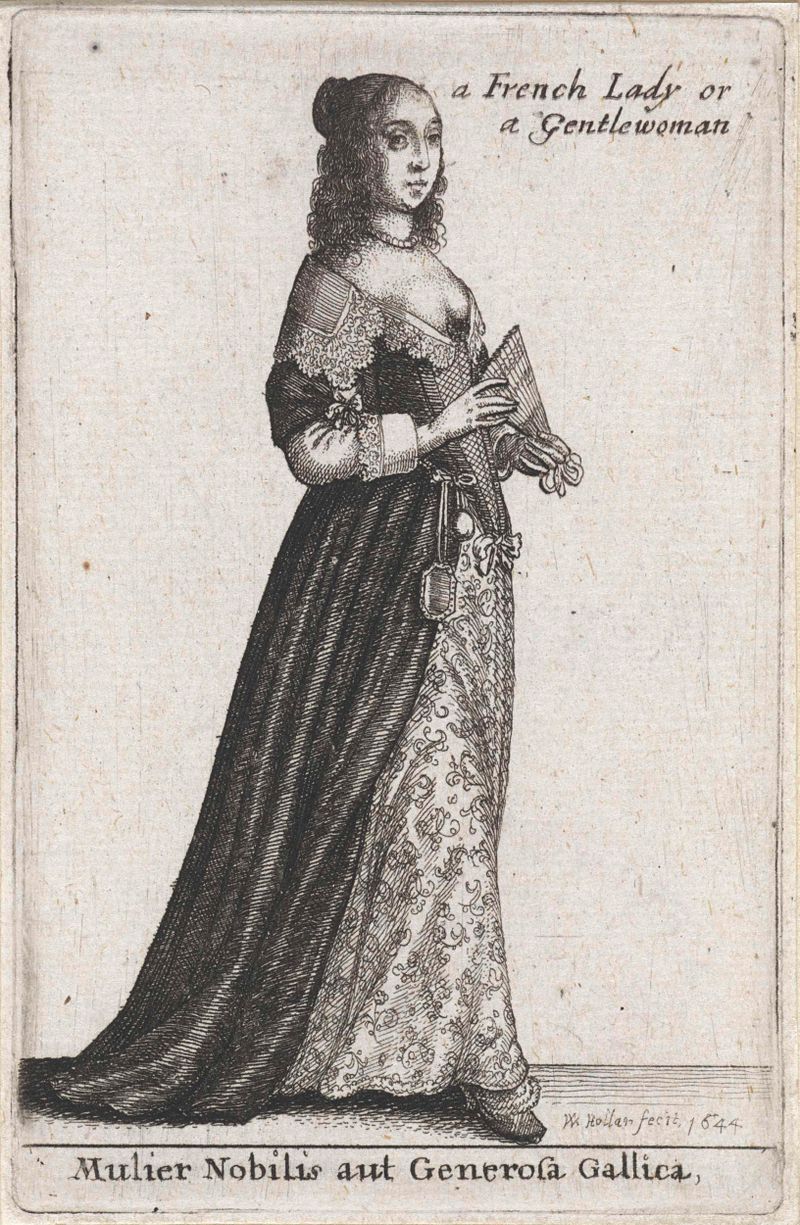
Mulier Nobilis aut Generosa Gallica / a French Lady or Gentlewoman
Wenceslaus Hollar
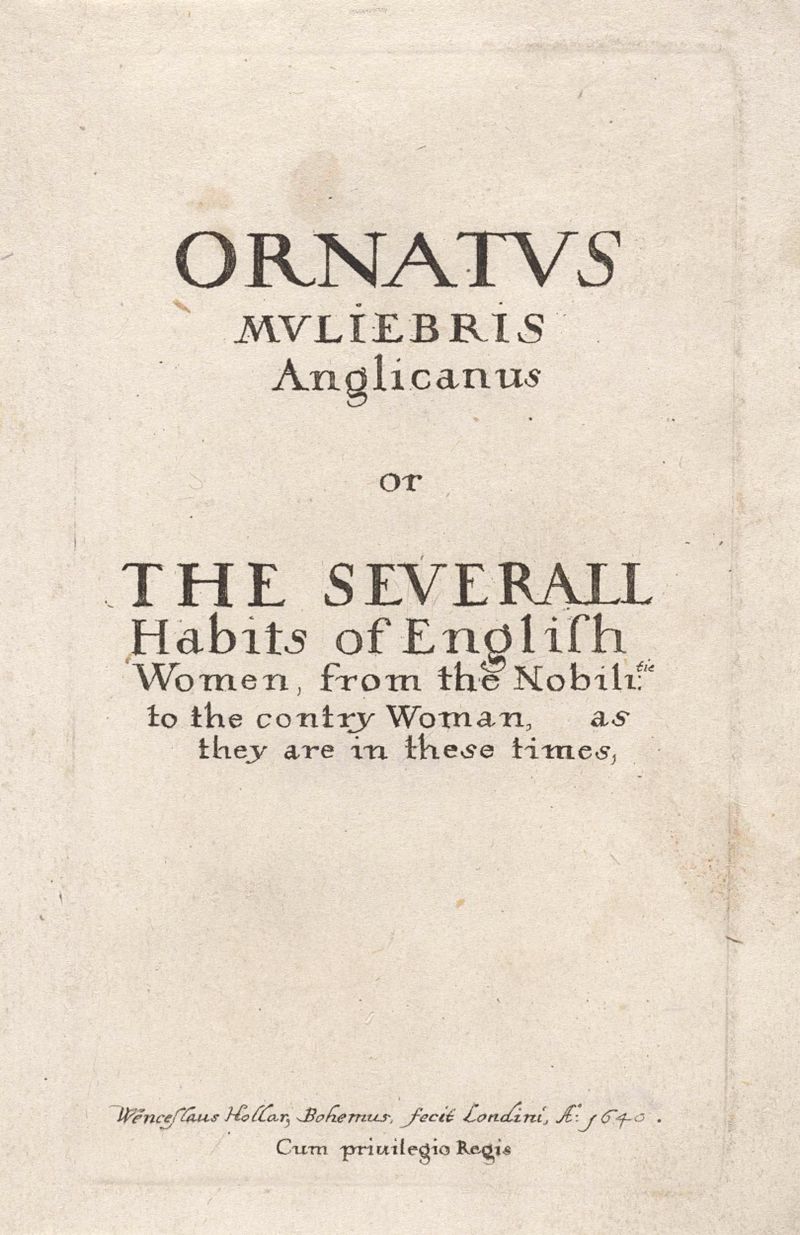
Titelprent voor: Ornatus Muliebris Anglicanus
Wenceslaus Hollar
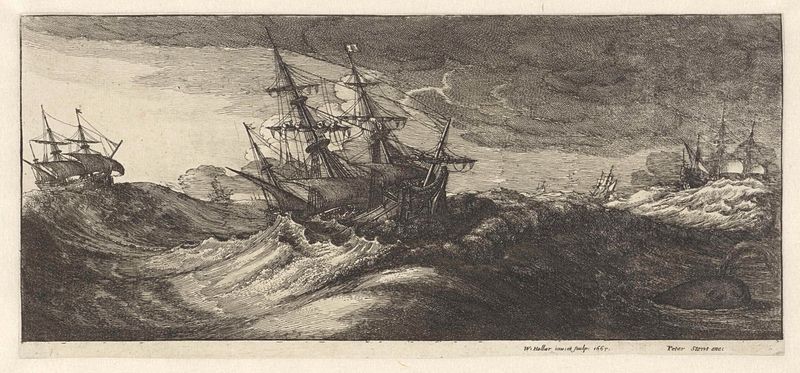
Oorlogsschepen en een walvis in een zeestorm
Wenceslaus Hollar
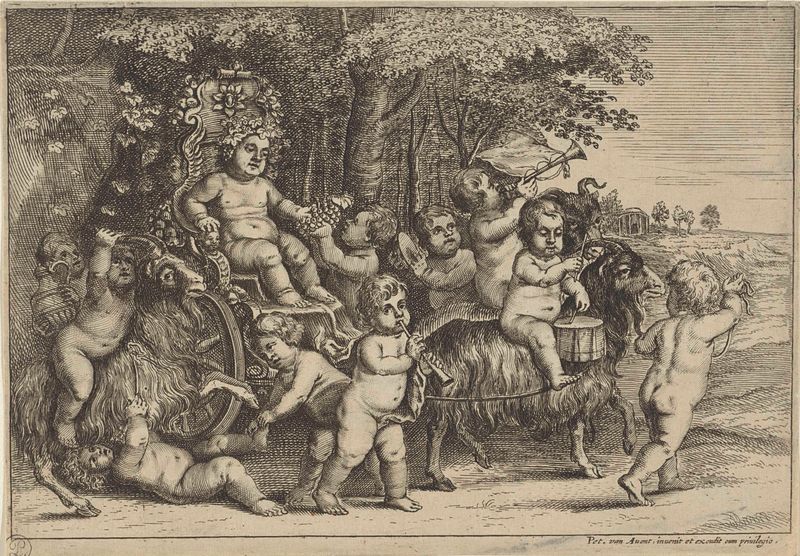
Optocht van bacchant en jongetjes op geiten
Wenceslaus Hollar
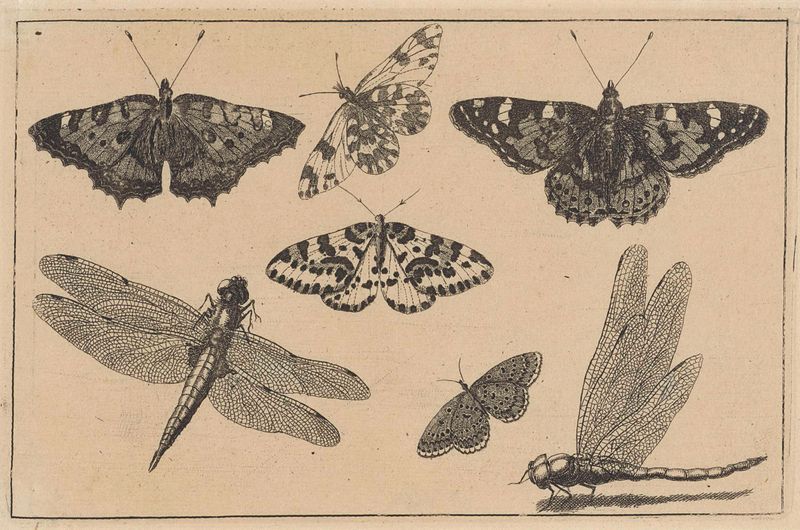
Twee libellen en vijf vlinders
Wenceslaus Hollar
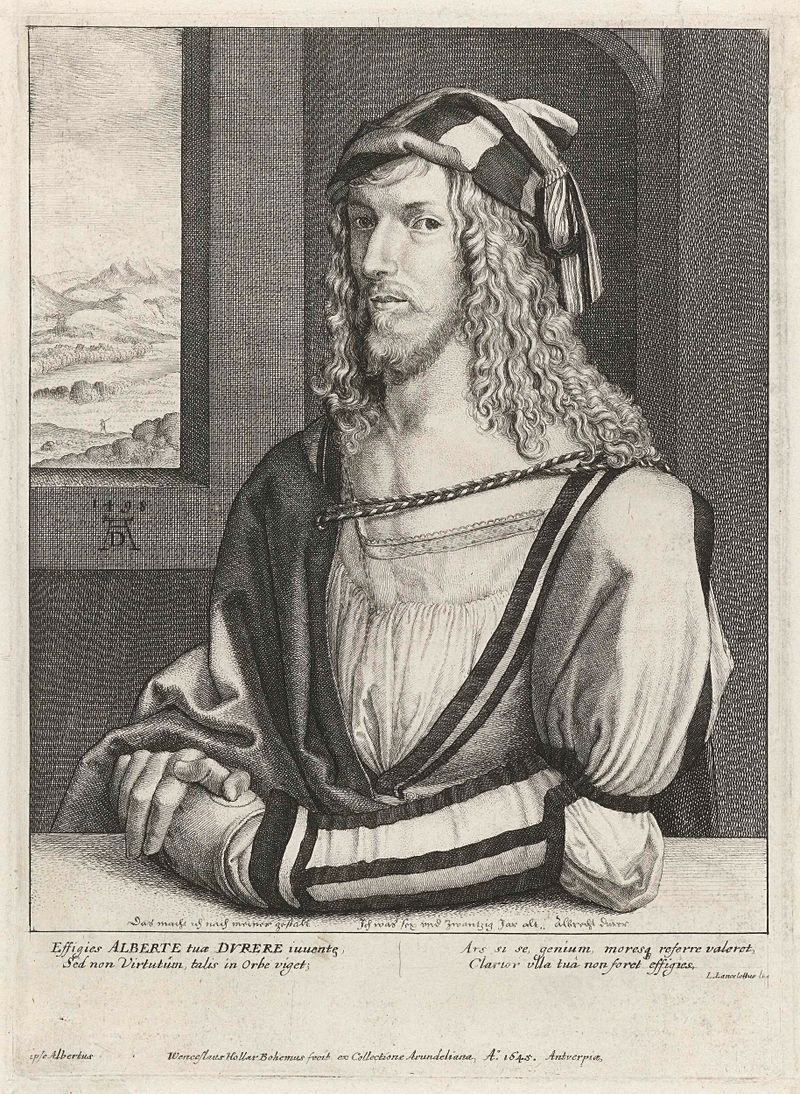
Portret van Albrecht Dürer
Wenceslaus Hollar
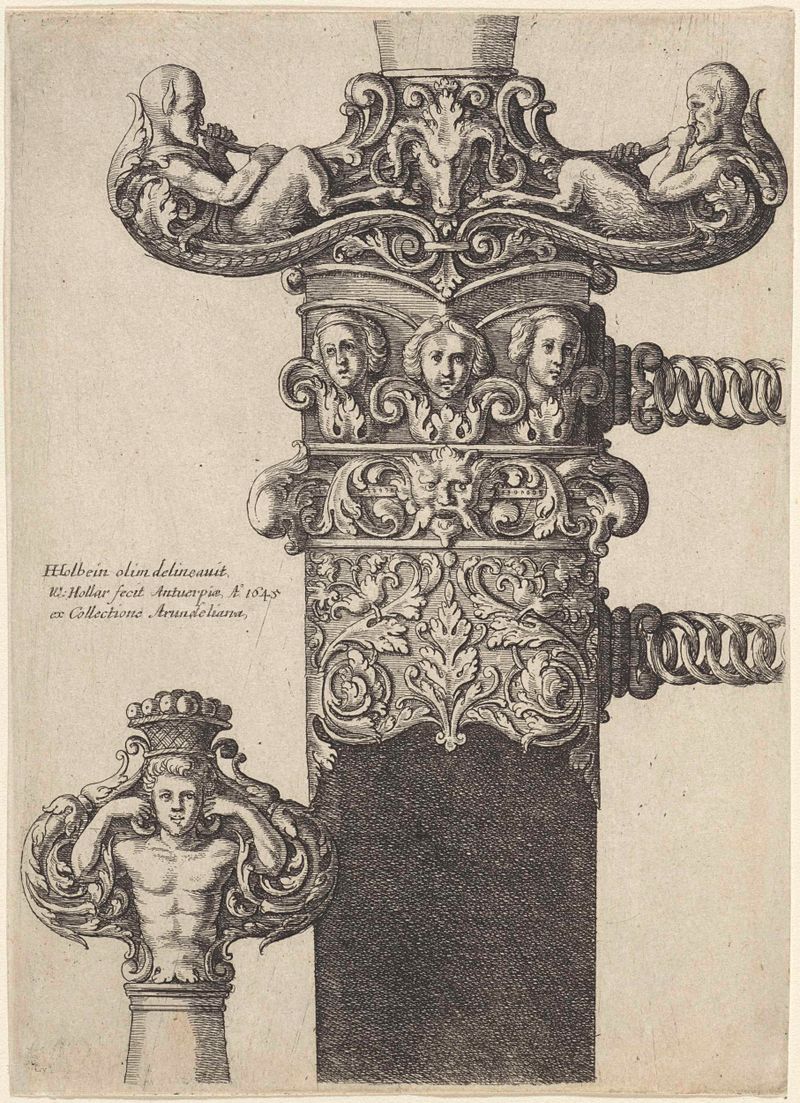
Ornamenteel ontwerp voor een dolk
Wenceslaus Hollar
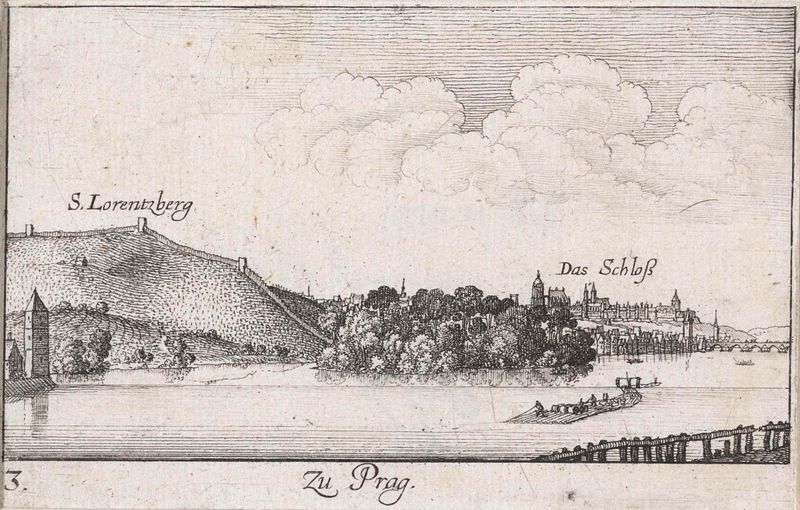
Gezicht op Praag vanaf de Moldau
Wenceslaus Hollar
More Portrait Art
Browse all →
Las meninas
Diego Velázquez

Self-portrait with a Bandaged Ear and Pipe
Unidentified artist

Girl with a Pearl Earring
Johannes Vermeer

The Sampling Officials of the Amsterdam Drapers’ Guild, Known as ‘The Syndics’
Rembrandt van Rijn

The Hundred Guilder Print: the man seen on the back in the lower left corner
Rembrandt van Rijn

Portrait of Dr Gachet
Vincent van Gogh