
Aristoteles en Phyllis — History & Facts
What if beauty was never meant to be finished? In the dance of intellect and desire, where the fragility of desire brushes against the raw edges of violence, moments of truth emerge. Look to the center of the canvas, where the figures of Aristotle and Phyllis engage in a tension-filled exchange. Notice how the artist meticulously crafts their expressions — Aristotle’s furrowed brow suggests contemplation, while Phyllis, draped in opulent fabrics, exudes an assertive allure. The rich palette of deep blues and golds draws the eye, highlighting the contrasts between their worlds, where wisdom clashes with seduction, and authority is questioned.
The careful layering of textures invites you to explore the intricacies of their garments, symbolizing the complexity of their relationship. Within this tableau lies a story of power dynamics and unfulfilled desires. The subtle but palpable tension between the two figures speaks to the violence inherent in desire itself, as Phyllis’s confident pose challenges the philosopher's authority. The delicate interplay of light and shadow accentuates their contrasting positions, capturing the moment before either submission or rebellion prevails.
It is not just a depiction of a philosophical encounter, but a vivid reminder of how beauty can mask deeper struggles, making us question what lies beneath the surface. The artist, known as Meester van het Amsterdamse Kabinet, created this work between 1483 and 1487 during a period when Northern European art was embracing humanism, reflecting newfound interests in classical philosophy and emotion. As artists sought to depict the complexities of human experience, this painting emerges from a time of rich cultural exchange and intellectual curiosity, embodying the tensions between enlightenment and desire.
More Artworks by Meester van het Amsterdamse Kabinet
Browse all →
De Heilige Familie bij de rozenstruik
Meester van het Amsterdamse Kabinet

Hertenjacht
Meester van het Amsterdamse Kabinet
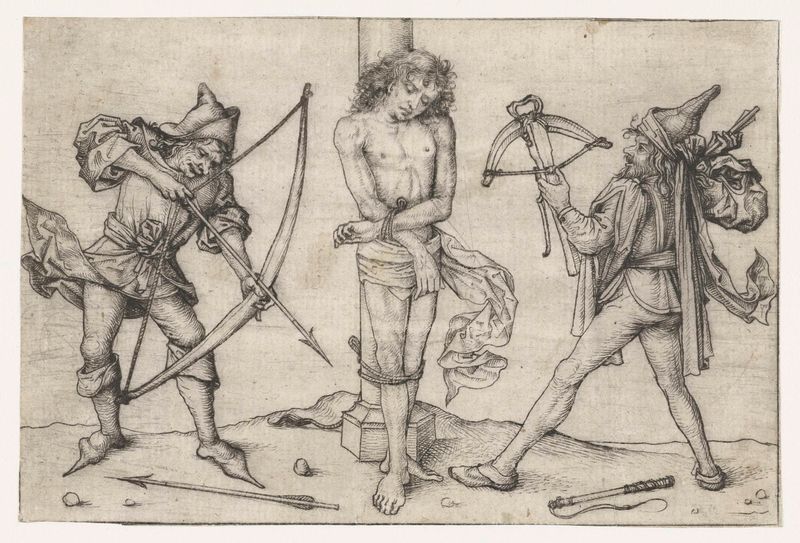
Heilige Sebastiaan met boogschutters
Meester van het Amsterdamse Kabinet

Het lichaam van Christus ondersteund door twee engelen
Meester van het Amsterdamse Kabinet

Heilige Anna-te-Drieën
Meester van het Amsterdamse Kabinet

Heilige Barbara (grote versie)
Meester van het Amsterdamse Kabinet
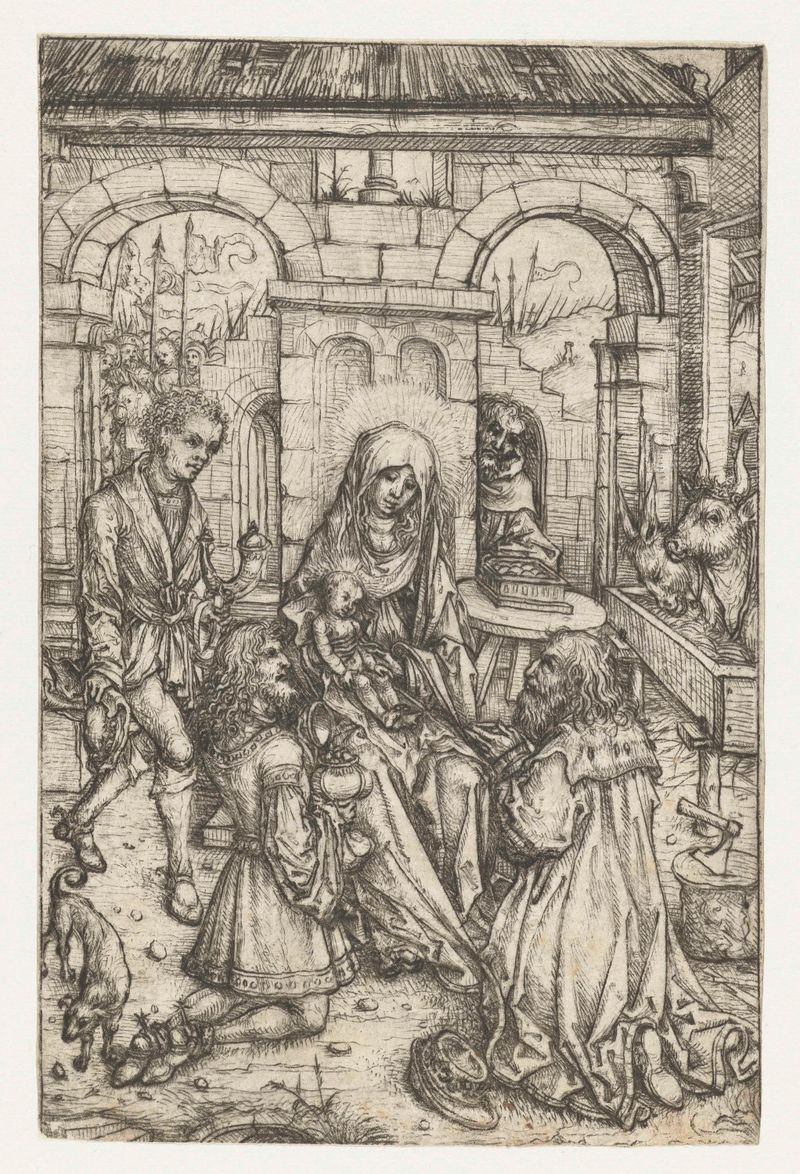
Aanbidding der koningen
Meester van het Amsterdamse Kabinet
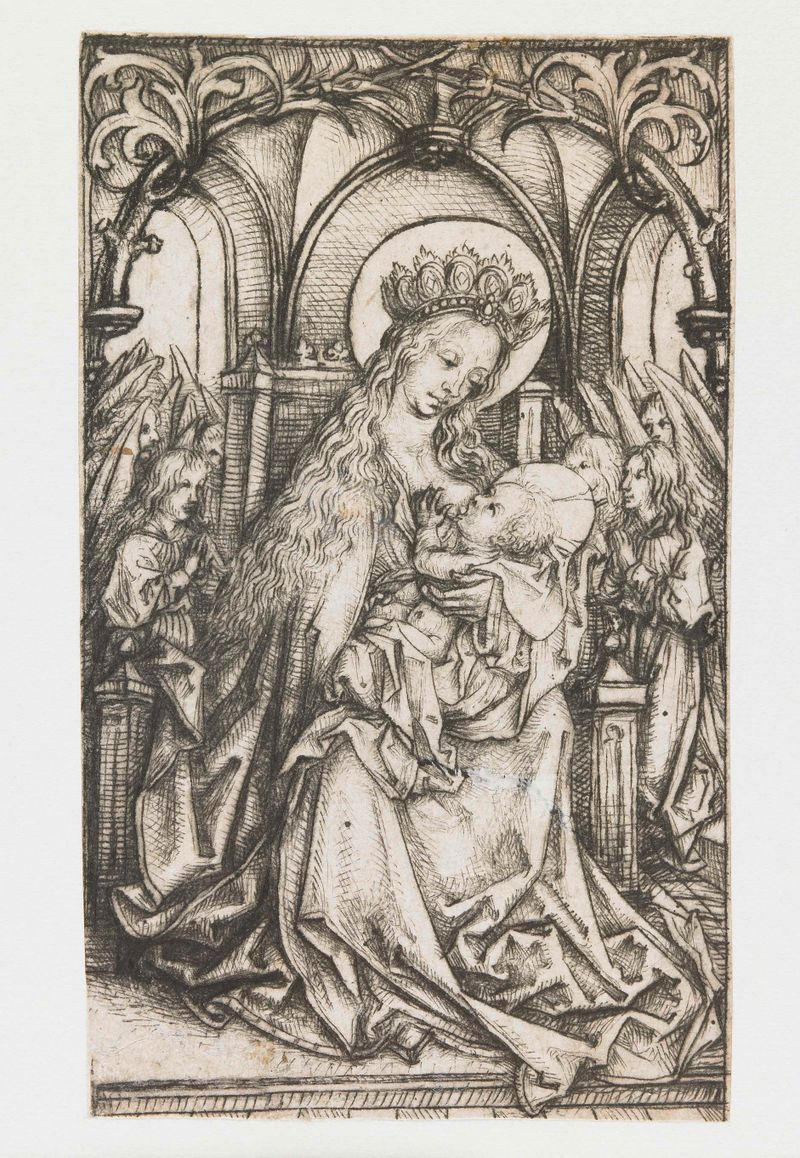
Tronende Madonna door engelen aanbeden
Meester van het Amsterdamse Kabinet

Het zegenend Christuskind
Meester van het Amsterdamse Kabinet
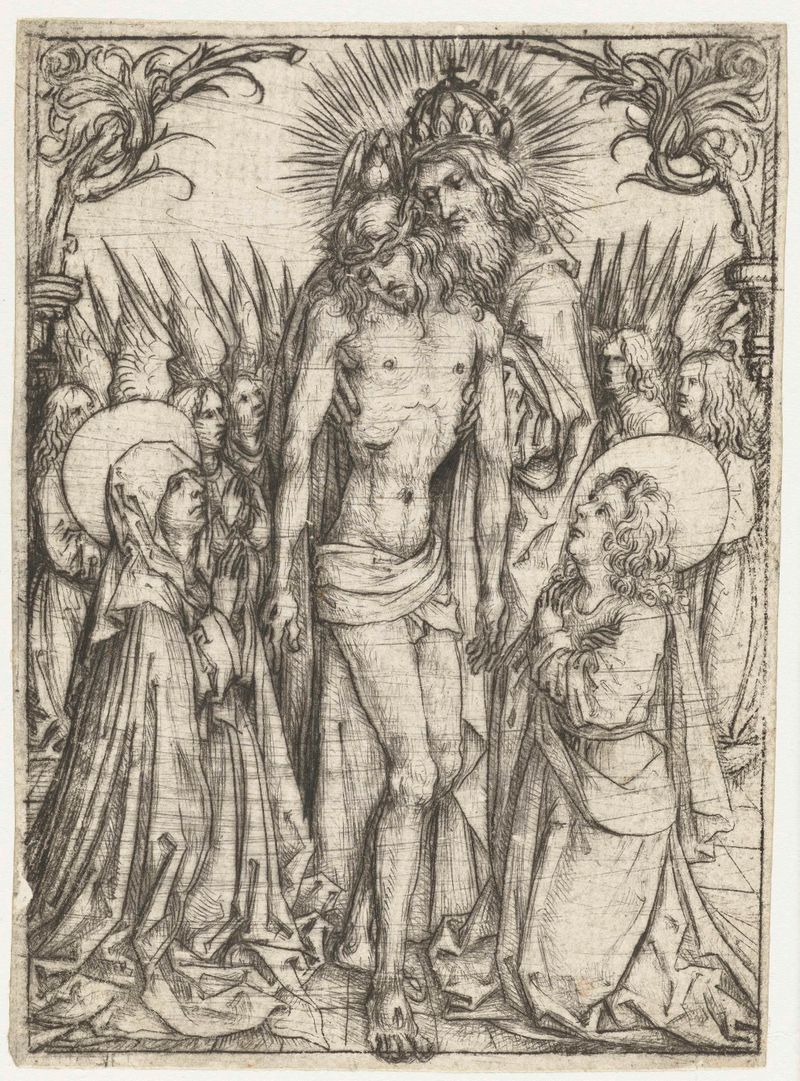
Aanbidding van de Heilige Drieëenheid door Maria, Johannes de Evangelist en engelen
Meester van het Amsterdamse Kabinet
More Historical Art
Browse all →
The Night Watch Militia Company of District II under the Command of Captain Frans Banninck Cocq
Rembrandt van Rijn

Lincoln Memorial
Henry Bacon

The Third of May 1808
Francisco de Goya

Isaac and Rebecca, Known as ‘The Jewish Bride’
Rembrandt van Rijn

The Charge of the Mamelukes (1814)
Francisco de Goya

De vier ruiters van de apocalyps
Albrecht Dürer