
Ark van het verbond en reukofferaltaar — History & Facts
Did the painter know this moment would outlive them? In Ark van het verbond en reukofferaltaar, a stillness lingers, hinting at violence concealed beneath sacred surfaces, beckoning the viewer to delve deeper into its significance. Focus first on the altar’s intricate details. The rich hues of crimson and gold radiate a solemn warmth, inviting your gaze to the carefully arranged offerings. Notice how the light dances across the surfaces, illuminating the textures that suggest both reverence and the weight of expectation.
The Ark, central yet understated, exudes an aura of mystery, embodying the divine and the human struggle intertwined in faith. Hidden within this solemn assembly are contrasts that reveal deeper emotional tensions. The juxtaposition of the sacred altar against the backdrop of impending conflict subtly evokes the fragility of peace within religious devotion. The placement of the offerings, arranged meticulously yet hinting at desperation, suggests a dual purpose: worship and plea, reflecting humanity's ceaseless quest for divine favor amidst chaos.
Each element, while beautiful, whispers of the violence that often shadows piety. During the years 1523 to 1526, Lucas Cranach (I) painted this work in Wittenberg, a time when the Reformation was reshaping the religious landscape of Europe. As a close associate of Martin Luther, Cranach faced the tumult of transforming faith and societal structure. His art captured not only aesthetic beauty but also the underlying currents of conflict, revealing the challenges of his era and the complex relationship between faith and violence.
More Artworks by Lucas Cranach (I)
Browse all →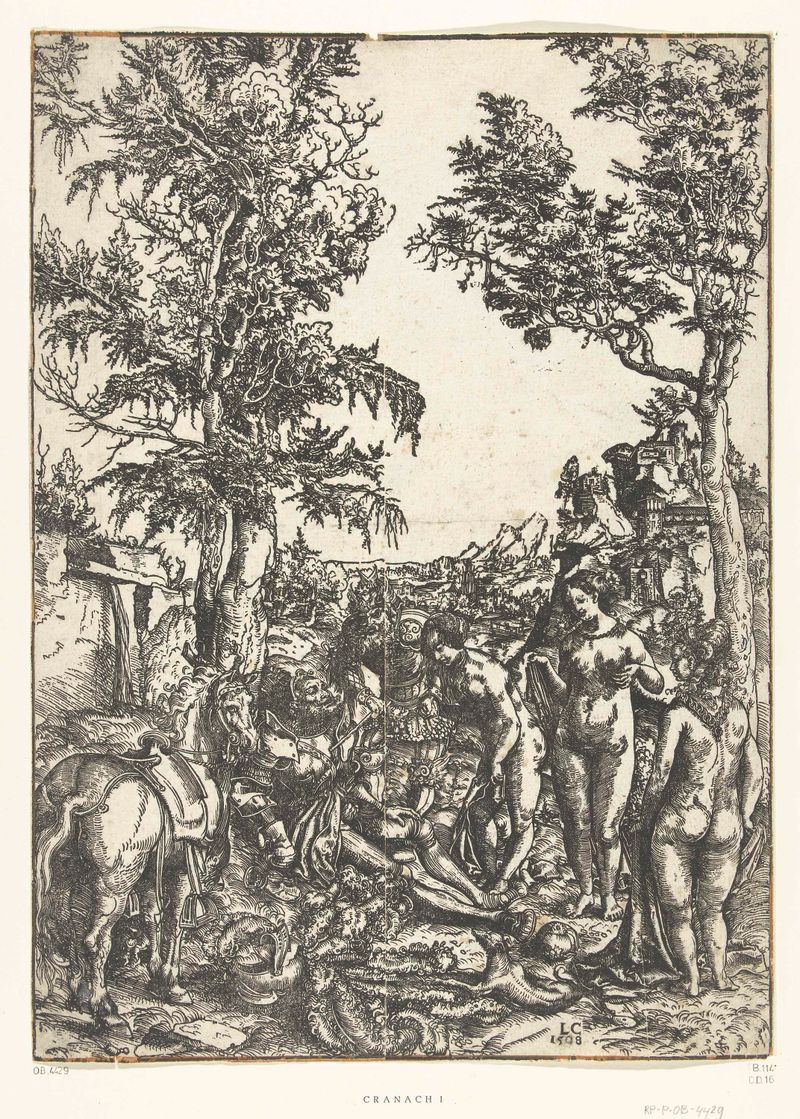
Oordeel van Paris
Lucas Cranach (I)
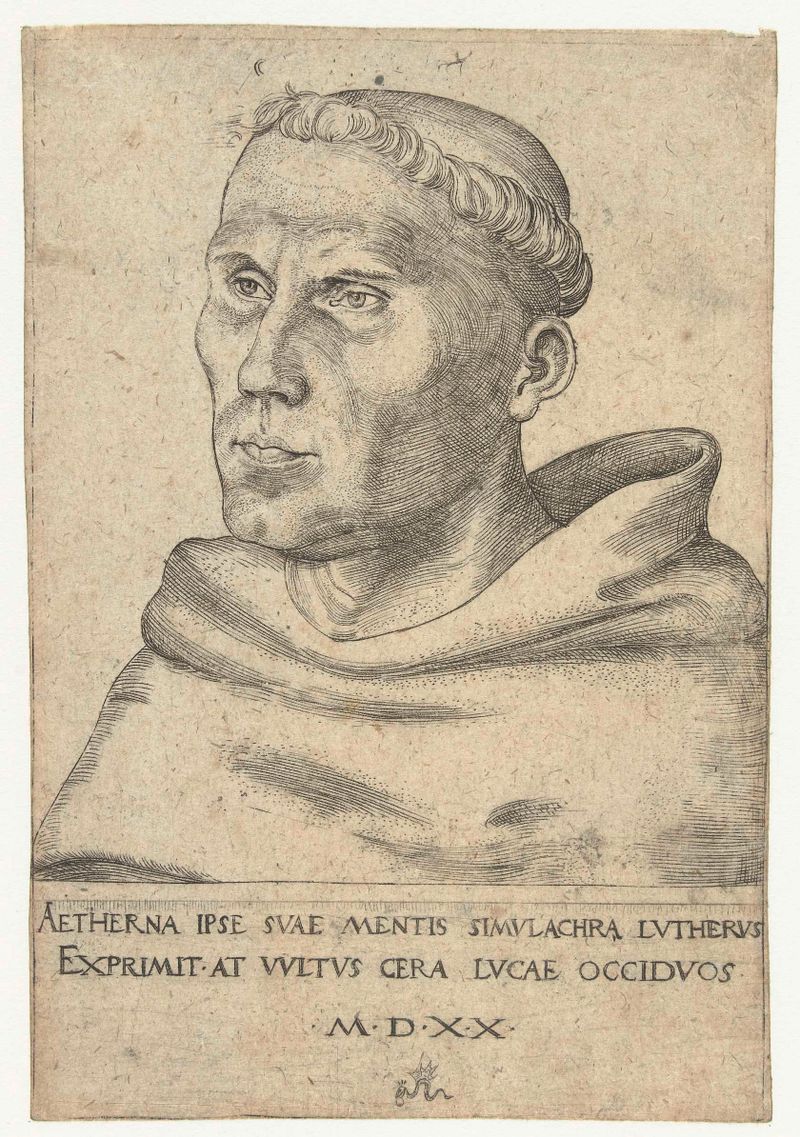
Portret van Martin Luther als Augustijner monnik
Lucas Cranach (I)
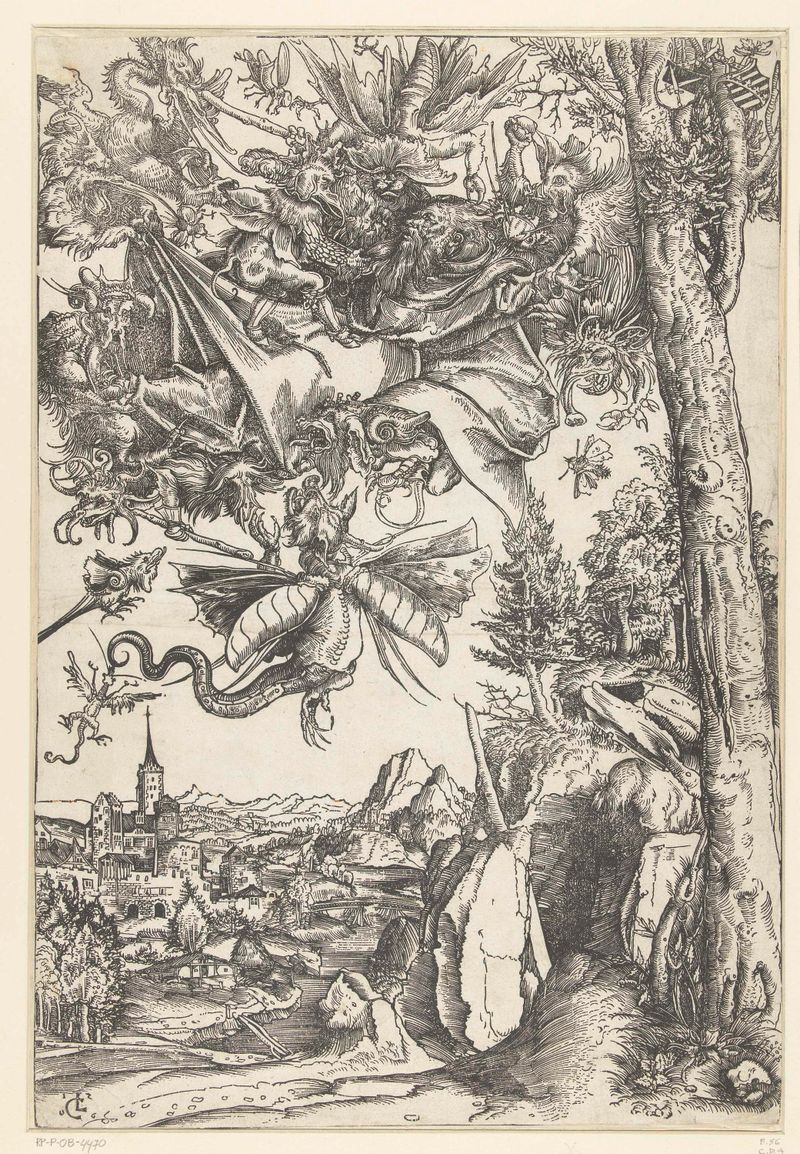
Verzoeking van Antonius met aanval door demonen
Lucas Cranach (I)

Christus en de Samaritaanse vrouw
Lucas Cranach (I)

Duits toernooi met twee edelmannen als ridders te paard
Lucas Cranach (I)
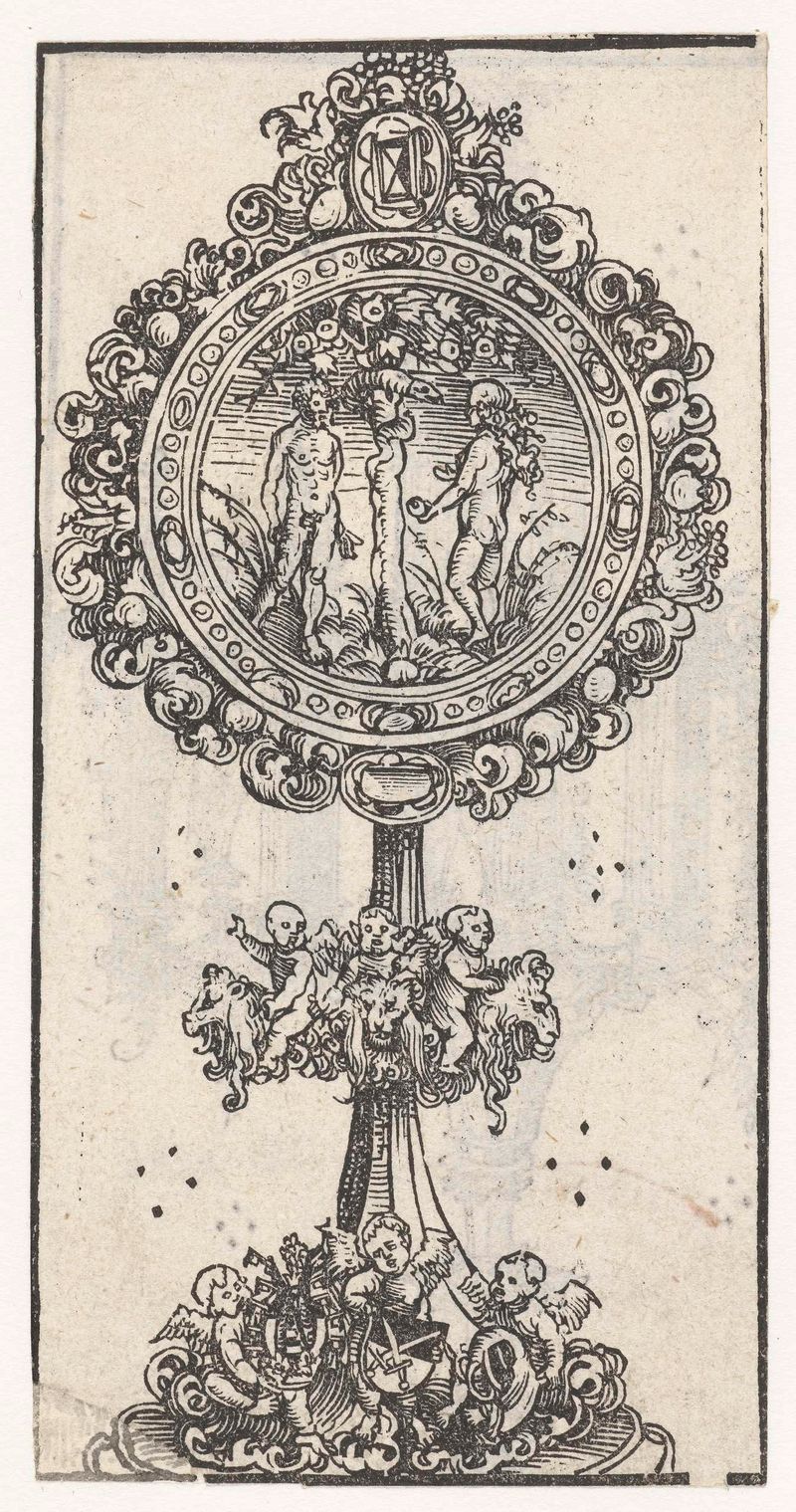
Reliekhouder met de verzoeking van Adam en Eva
Lucas Cranach (I)

Intocht van Christus in Jerusalem
Lucas Cranach (I)
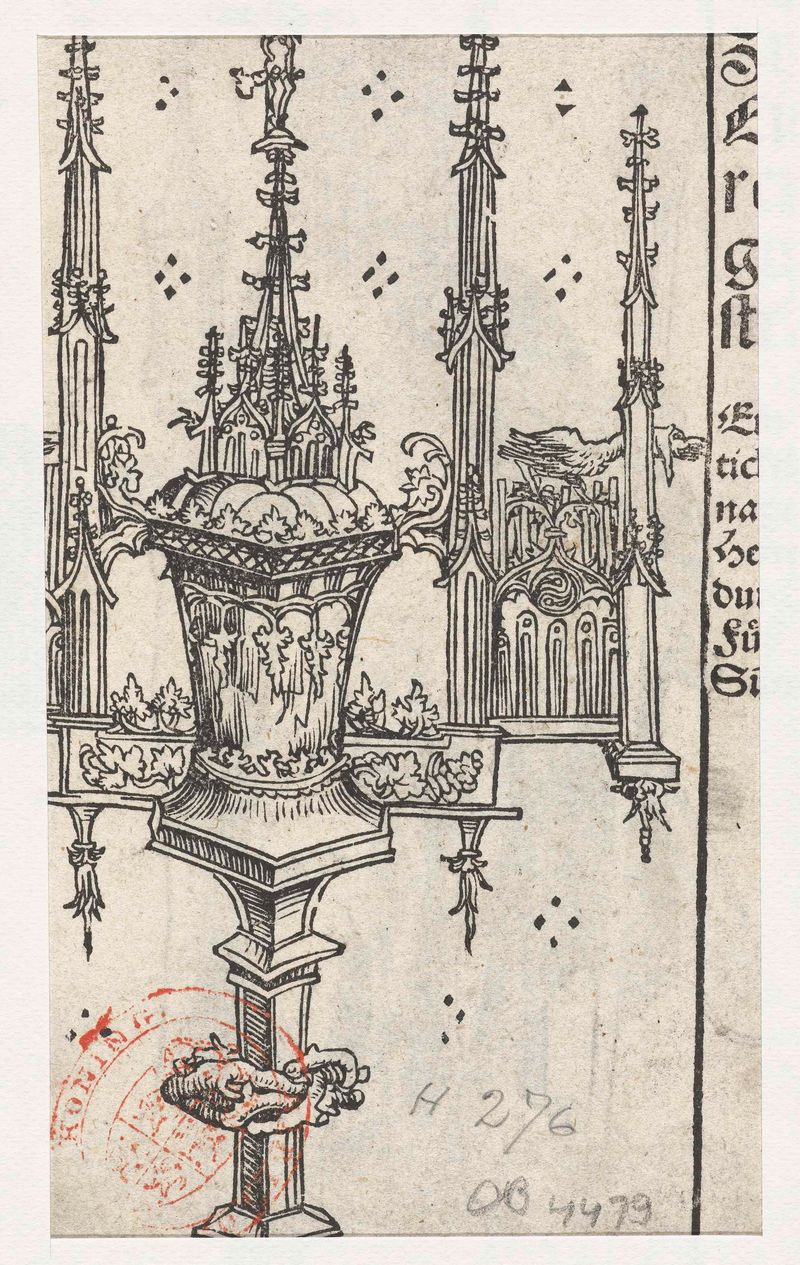
Monstrans met vogel (pelikaan)
Lucas Cranach (I)
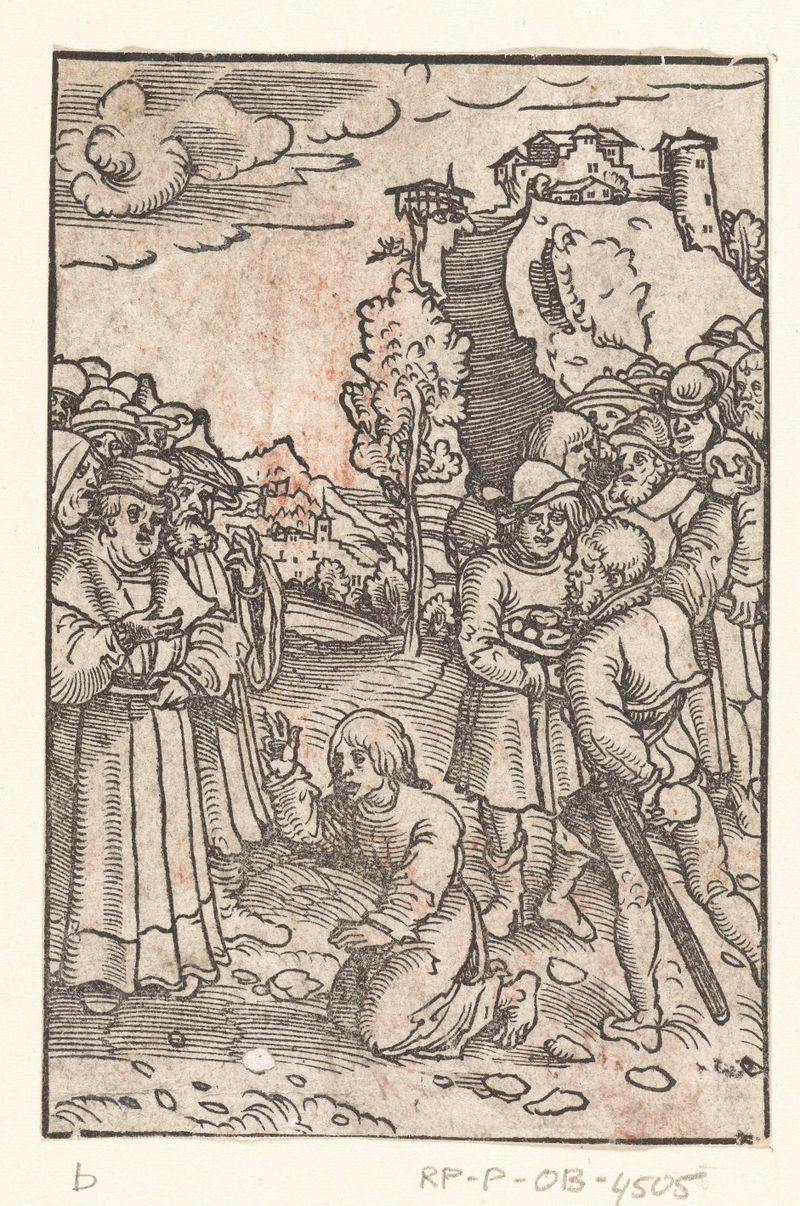
Steniging van Stefanus
Lucas Cranach (I)
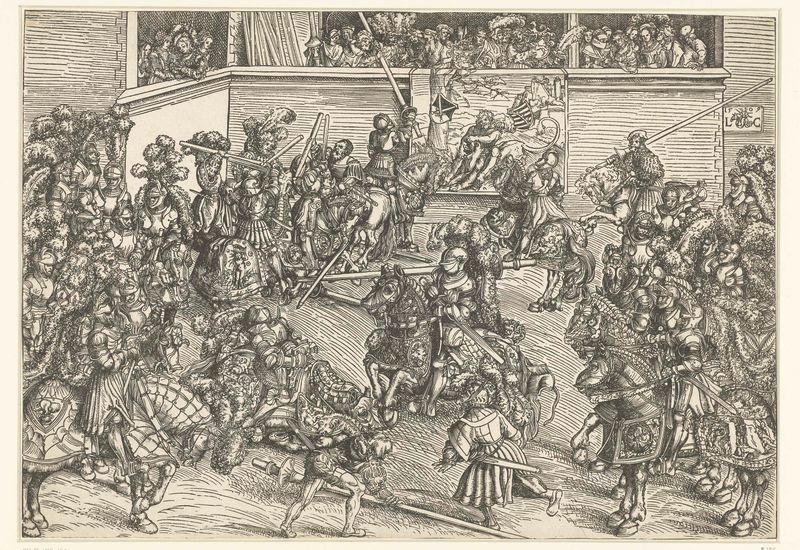
Toernooi van het keurvorstelijk hof van Saksen met wandtapijt Simson doodt de leeuw
Lucas Cranach (I)
More Religious Art
Browse all →
The Return of the Prodigal Son
Rembrandt van Rijn

The Garden of Earthly Delights
El Bosco

Count Orgaz’ funeral
El Greco

The Hundred Guilder Print: the central piece with Christ preaching, the plate arched
Rembrandt van Rijn

The Descent from the Cross
Rogier van der Weyden

The return of the prodigal son
Rembrandt van Rijn