
Arrival of the tsars Peter I and Ivan V — History & Facts
A wave of anticipation seems to ripple through the crowd, every face turned toward the two central figures—one in a heavy fur coat, the other draped in darker robes—who command the scene with a gravity that is almost physical. The artist, Ilya Repin, draws the viewer into the heart of a spectacle, where gestures speak as loudly as words: the outstretched arm of the man at right signals both welcome and proclamation, while the richly dressed figure in gold, cane in hand, meets the gaze of the onlookers with a wary authority. The jester crouched at the center, bright in red, injects a note of festivity, yet the palette leans toward the somber, the sky a pale wash above the teeming throng, lending the moment a sense of weight and consequence.
The eye is led from the richly textured garments to the animated faces, then back to the distant towers and the green-capped guardhouse, rooting the event firmly in a Russian past both ceremonial and restless. Painted in 1900, Arrival of the tsars Peter I and Ivan V belongs to a world where history painting was called upon to shape national memory and identity. In the Russia of Repin’s day, such grand reconstructions of the past were often commissioned for public spaces or private collections eager to display patriotic pride or dynastic legitimacy. The turn of the twentieth century was a time of searching for roots, as the old order faced new pressures and artists like Repin looked to the pageantry and personalities of earlier centuries for inspiration.
Little is recorded about the specific journey of this work, now documented only through a digital collection, but its date and subject place it squarely in the era when Russian painting was most intent on making the past vivid and immediate. The crowd’s energy and the painter’s attention to costume and gesture invite you to linger, searching for echoes of history in every face.
More Artworks by Ilya Repin
Barge Haulers on the Volga
Ilya Repin
Reply of the Zaporozhian Cossacks
Ilya Repin

Religious Procession in Kursk Province
Ilya Repin
Akseli Gallen-Kallela
Ilya Repin
Seeing off the Recruit
Ilya Repin
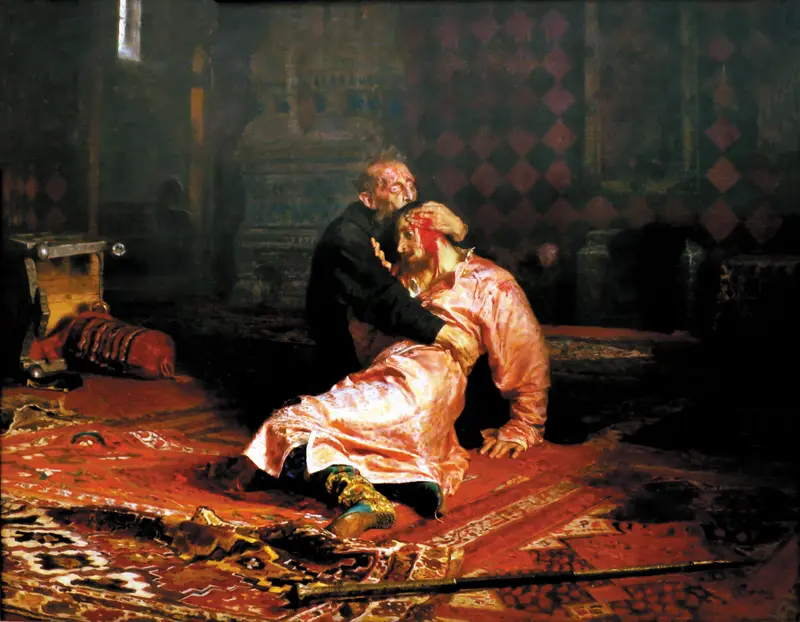
Ivan the Terrible and his son Ivan on November 16
Ilya Repin
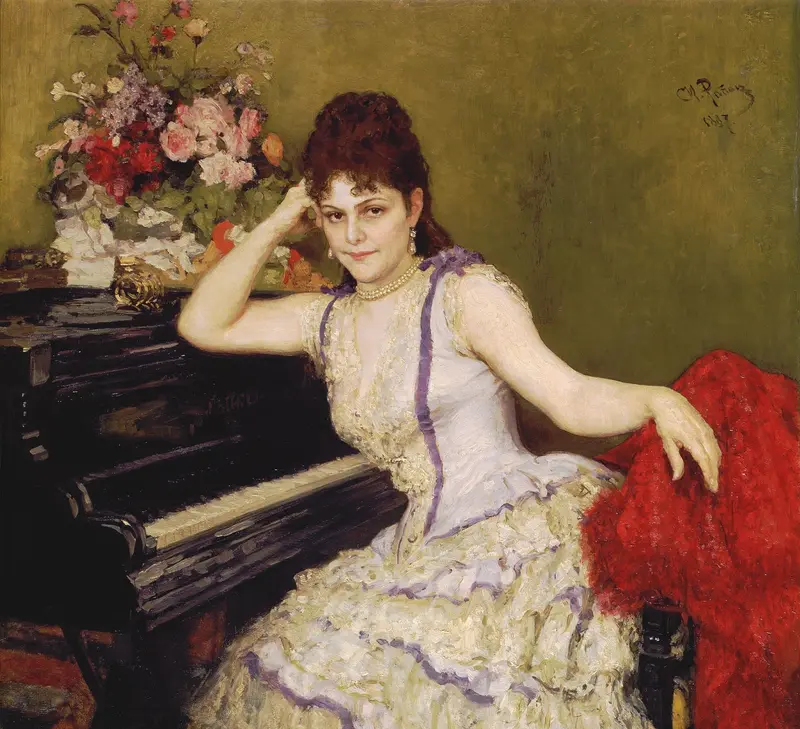
Menter by Repin
Ilya Repin
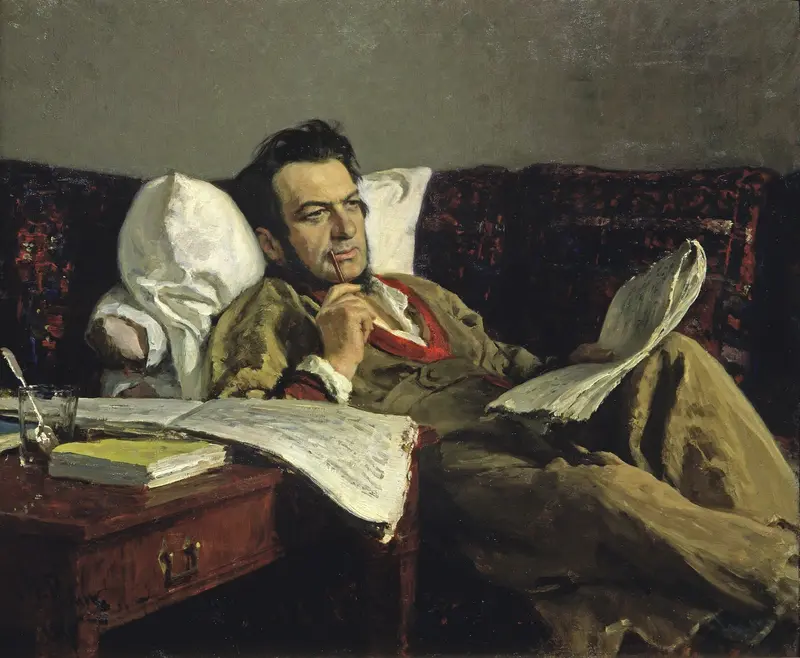
Mikhail Ivanovich Glinka during the composition of the opera “Ruslan and Lyudmila”
Ilya Repin
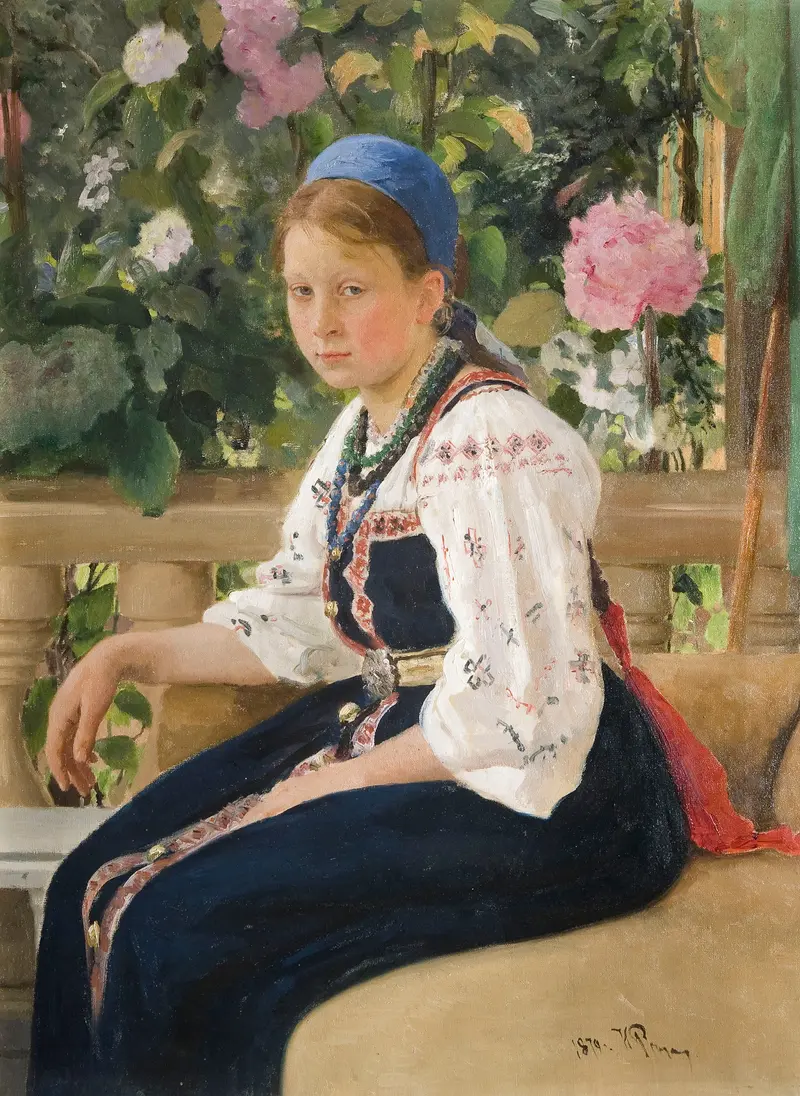
Портрет Софьи Федоровны Мамонтовой
Ilya Repin
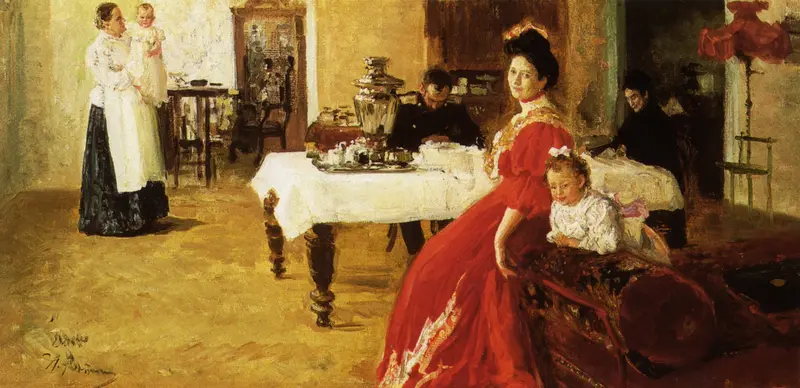
Family Portrait: The Artist's Daughter, Tatyana, and her familiy"
Ilya Repin





