
Akseli Gallen-Kallela — History & Facts
A single, mischievous glance draws you in—this is not a portrait that sits quietly on a wall. The sitter’s eyes dart upward, his brow furrowed in thought or perhaps in jest, while a sturdy pipe juts from his lips, lending him an air of rugged self-assurance. The brushwork is brisk and lively, with strokes that seem almost impatient to capture the man’s restless energy.
The artist lingers on the flushed cheeks and bold mustache, letting the rest of the canvas dissolve into suggestion: a hand, a shoulder, the barest outline of a shirt. Even the unfinished background feels intentional, as though this figure has just emerged from the canvas, half-formed but fully alive. Painted in 1920, this work belongs to a world still reeling from the shocks of war and revolution, when artists across Europe sought new ways to capture the complexities of modern life. Portraits like this were often commissioned to honor friends, colleagues, or notable figures, but they also served as experiments in character and technique—a chance to test the limits of paint and personality.
The artist’s signature, boldly inscribed alongside the date, is a reminder of the personal encounter between painter and sitter. Now held in the collection of the Kansallisgalleria, the painting invites us to imagine the conversations and histories behind that sly, knowing look—leaving us with more questions than answers, and a face that refuses to fade from memory.
More Artworks by Ilya Repin
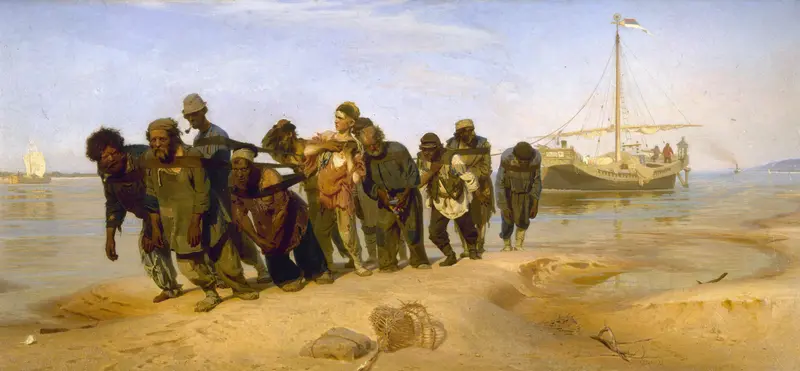
Barge Haulers on the Volga
Ilya Repin
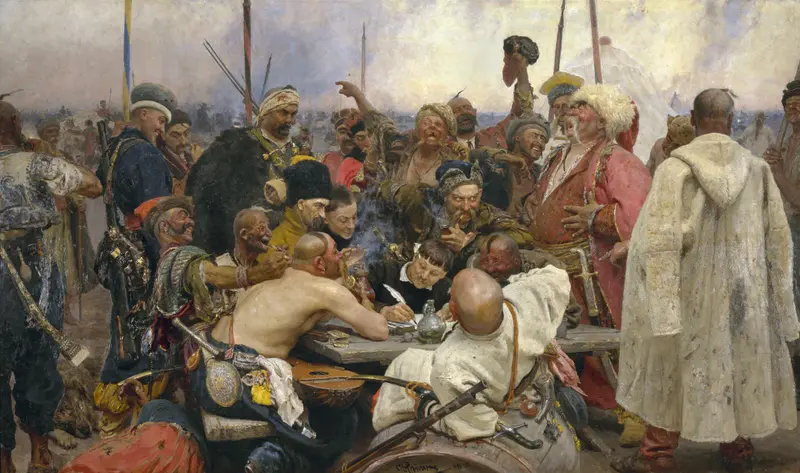
Reply of the Zaporozhian Cossacks
Ilya Repin

Religious Procession in Kursk Province
Ilya Repin
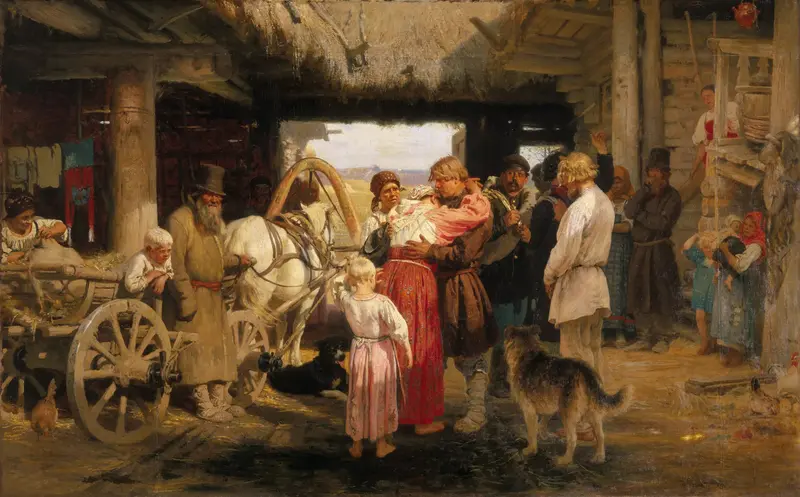
Seeing off the Recruit
Ilya Repin
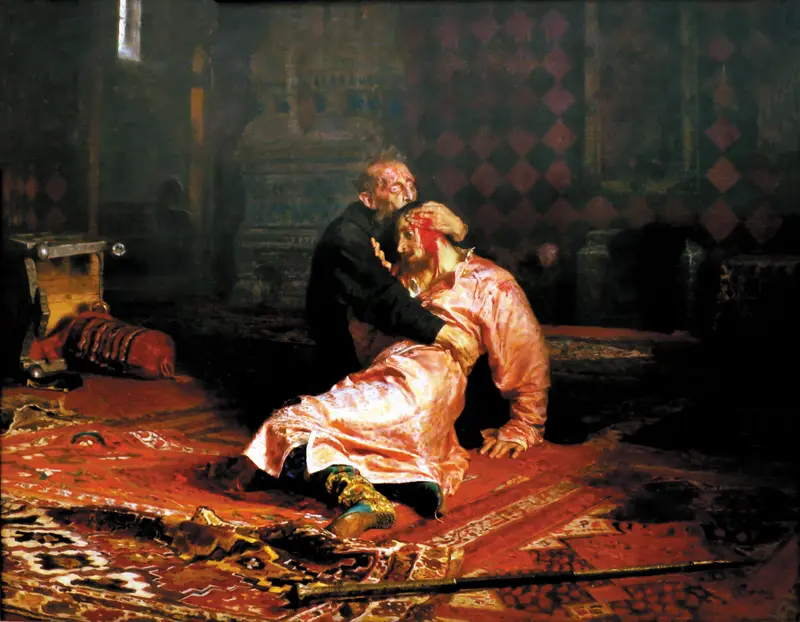
Ivan the Terrible and his son Ivan on November 16
Ilya Repin
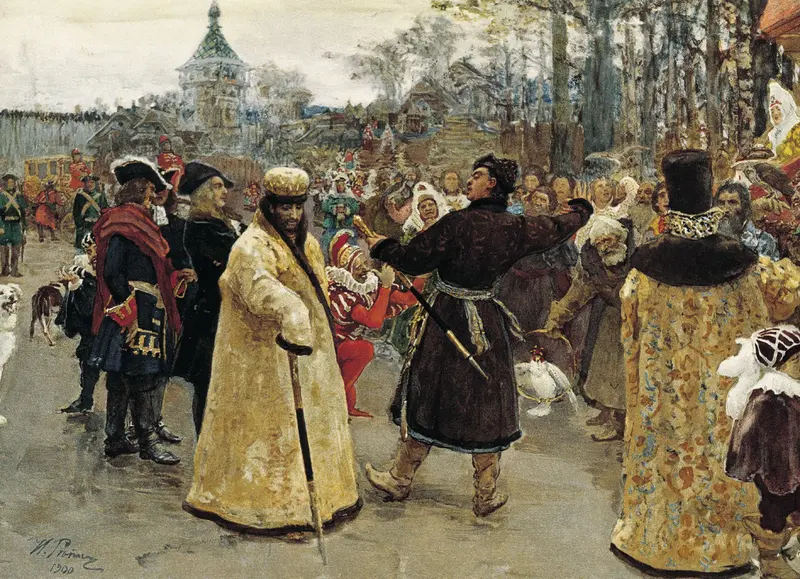
Arrival of the tsars Peter I and Ivan V
Ilya Repin
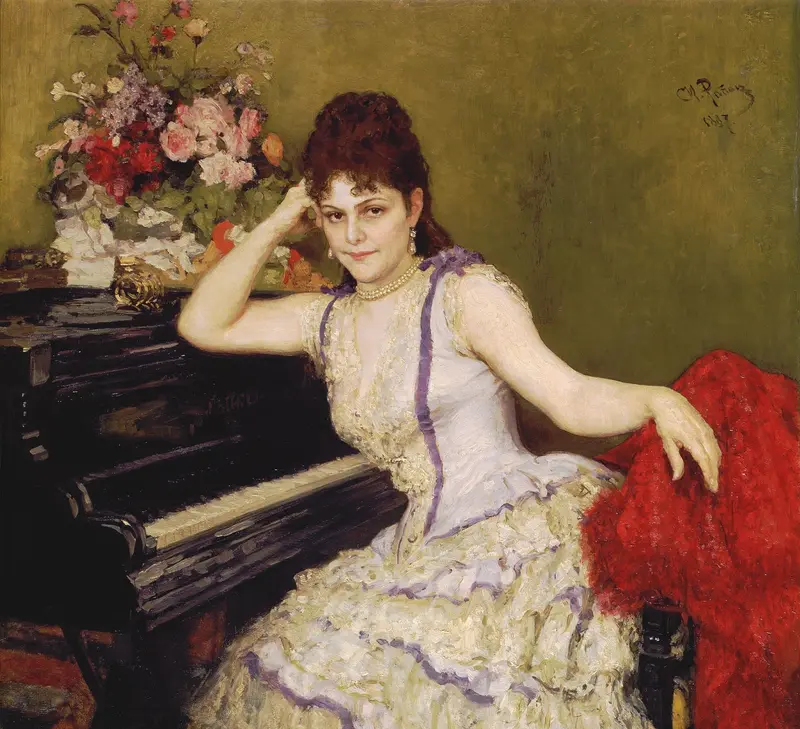
Menter by Repin
Ilya Repin
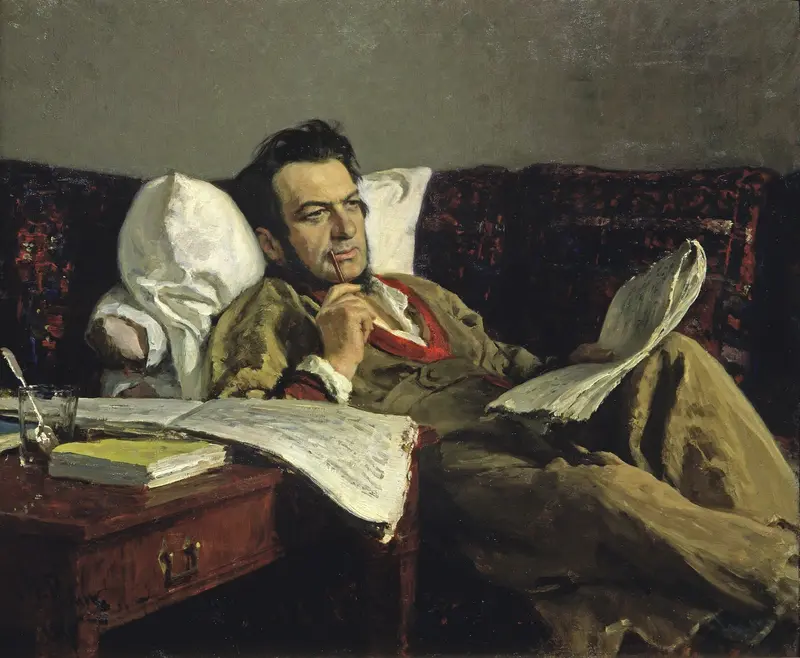
Mikhail Ivanovich Glinka during the composition of the opera “Ruslan and Lyudmila”
Ilya Repin
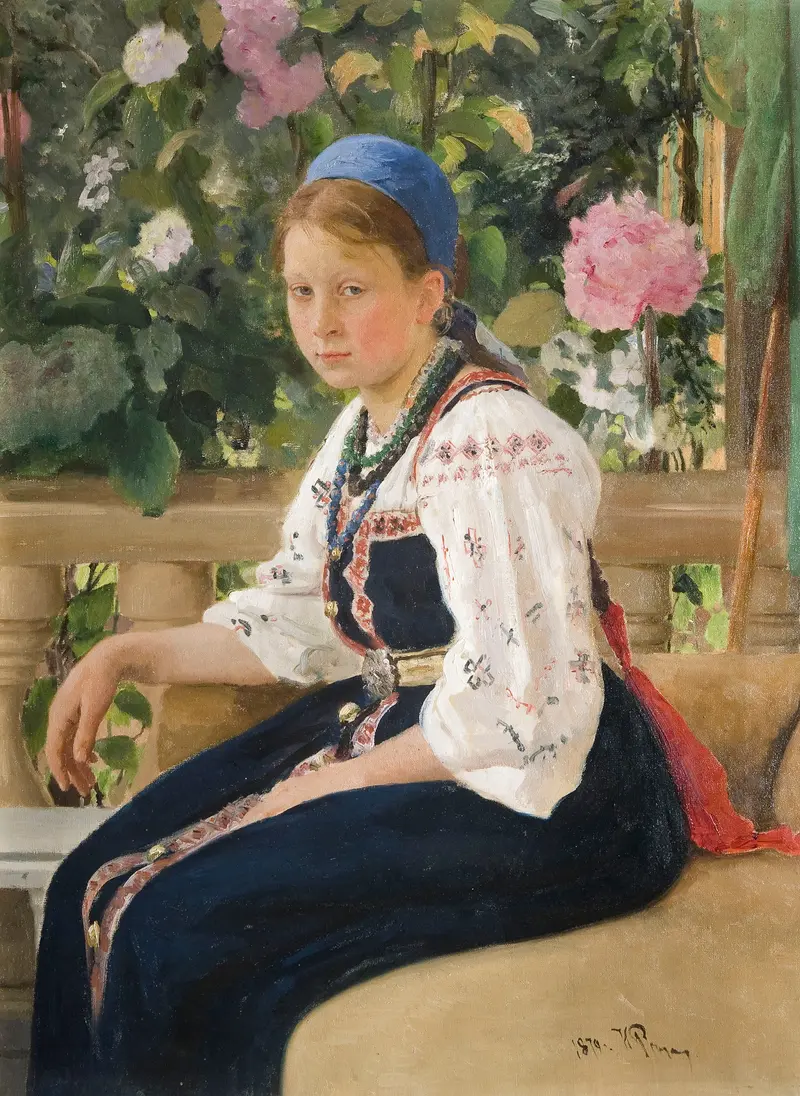
Портрет Софьи Федоровны Мамонтовой
Ilya Repin
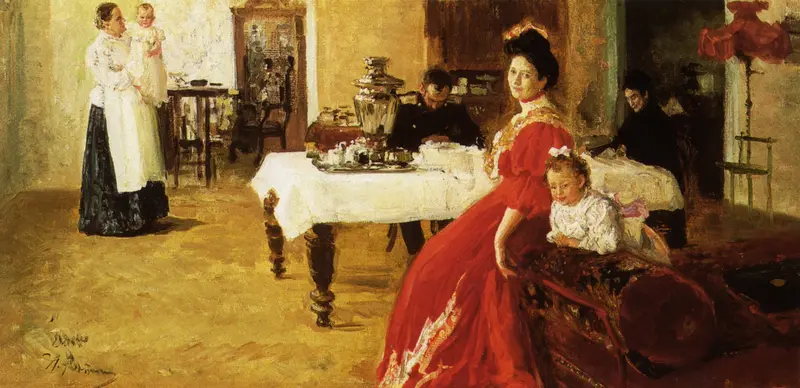
Family Portrait: The Artist's Daughter, Tatyana, and her familiy"
Ilya Repin





