
Barge Haulers on the Volga — History & Facts
Barge Haulers on the Volga is a large oil painting created by Ilya Repin between 1870 and 1873, measuring 131.5 by 281 cm. The work was produced early in Repin’s career, during a period when he was closely associated with the Peredvizhniki movement, which sought to address social realities through realism in Russian art. The painting is set on the banks of the Volga River, a major artery of Russian commerce and culture, and focuses on a group of men engaged in the arduous labor of hauling a barge upstream. The composition presents eleven barge haulers, known as burlaks, harnessed together with leather straps, straining as they pull a vessel along the sandy riverbank.
Repin uses a naturalistic palette dominated by earthy browns, ochres, and blues, with the figures rendered in careful detail against the broad, sunlit expanse of water and sky. The men’s worn clothing, slumped postures, and weathered faces emphasize the physical toll of their work, while the distant sailboats and the barge itself highlight the contrast between human and mechanical power. The light falls from the left, casting long shadows and illuminating the figures’ expressions and gestures. The painting was first exhibited in 1873 and quickly became a landmark of Russian realism, drawing attention to the harsh conditions of the working poor.
It was acquired by the Russian Museum in Saint Petersburg, where it remains today under the inventory number Ж-4056. Barge Haulers on the Volga is widely recognized as a defining work of the Peredvizhniki movement and a touchstone in the history of Russian art, noted for both its technical accomplishment and its social commentary.
Sources: Wikidata Q175628 · Wikipedia: Barge Haulers on the Volga · Image source (Wikimedia Commons)
More Artworks by Ilya Repin
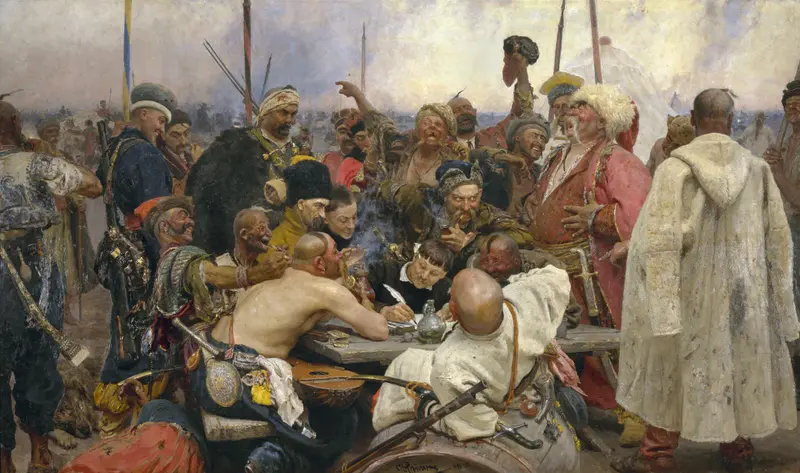
Reply of the Zaporozhian Cossacks
Ilya Repin

Religious Procession in Kursk Province
Ilya Repin
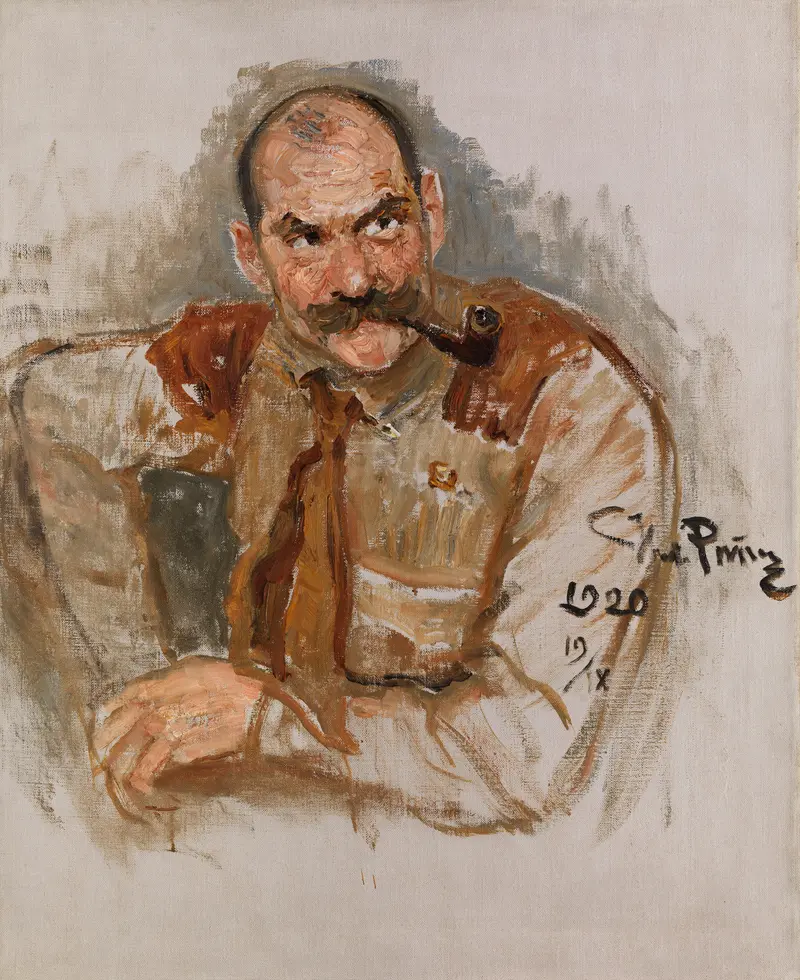
Akseli Gallen-Kallela
Ilya Repin
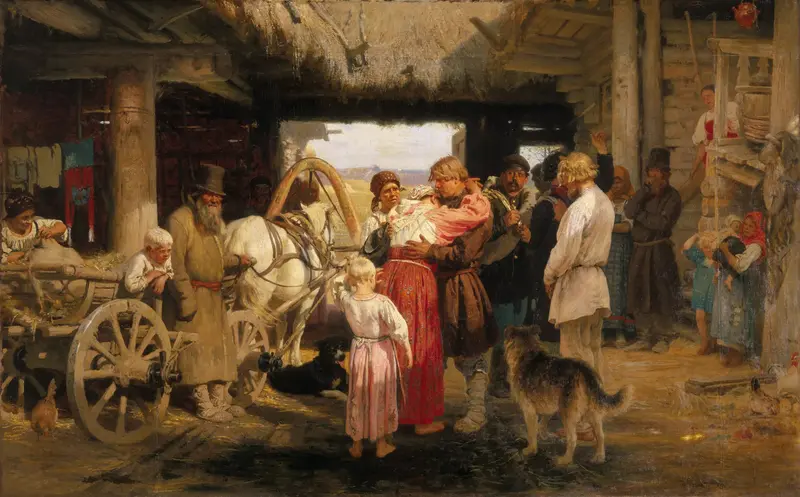
Seeing off the Recruit
Ilya Repin
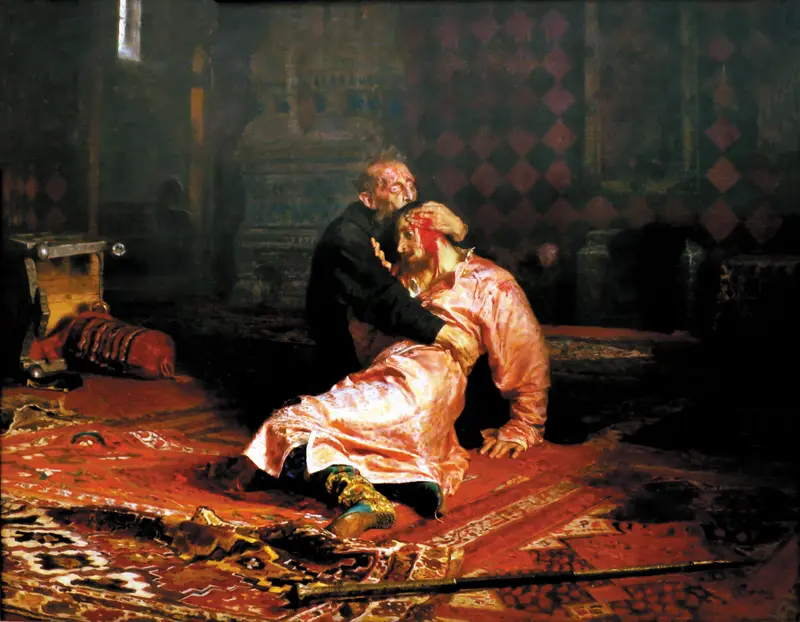
Ivan the Terrible and his son Ivan on November 16
Ilya Repin
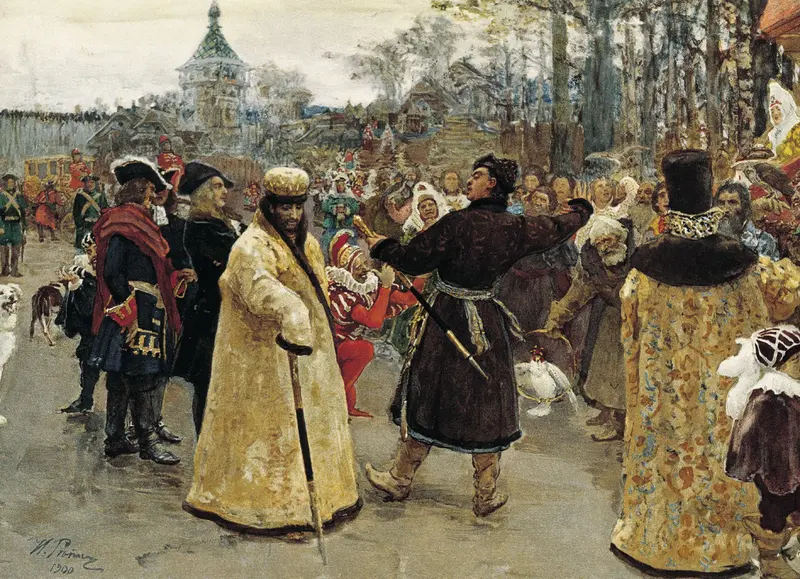
Arrival of the tsars Peter I and Ivan V
Ilya Repin
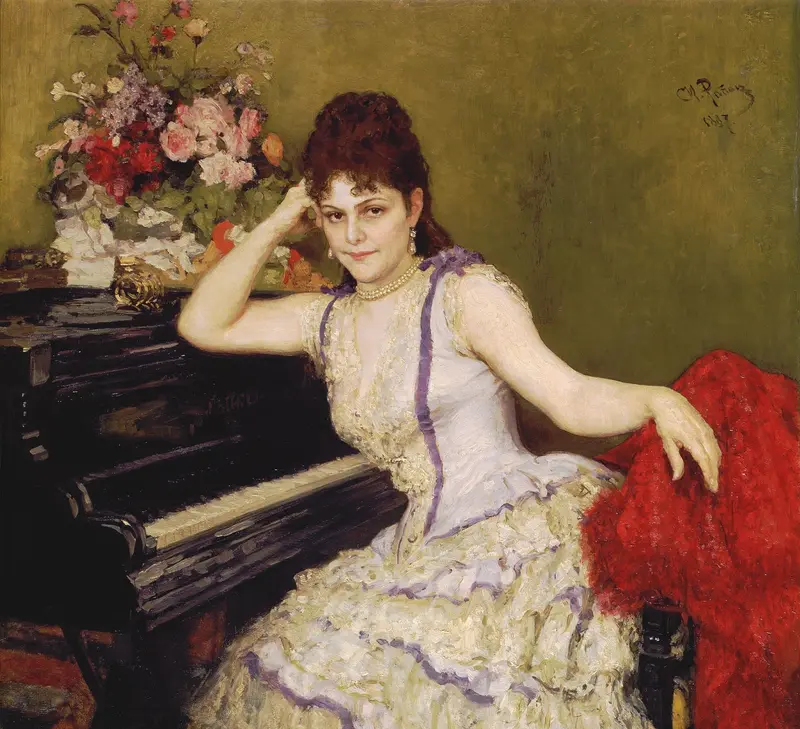
Menter by Repin
Ilya Repin
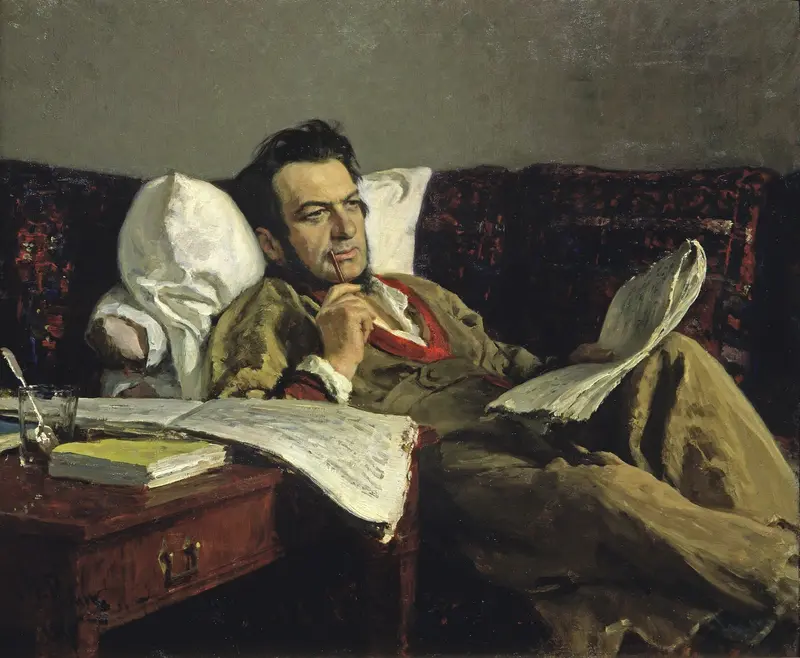
Mikhail Ivanovich Glinka during the composition of the opera “Ruslan and Lyudmila”
Ilya Repin
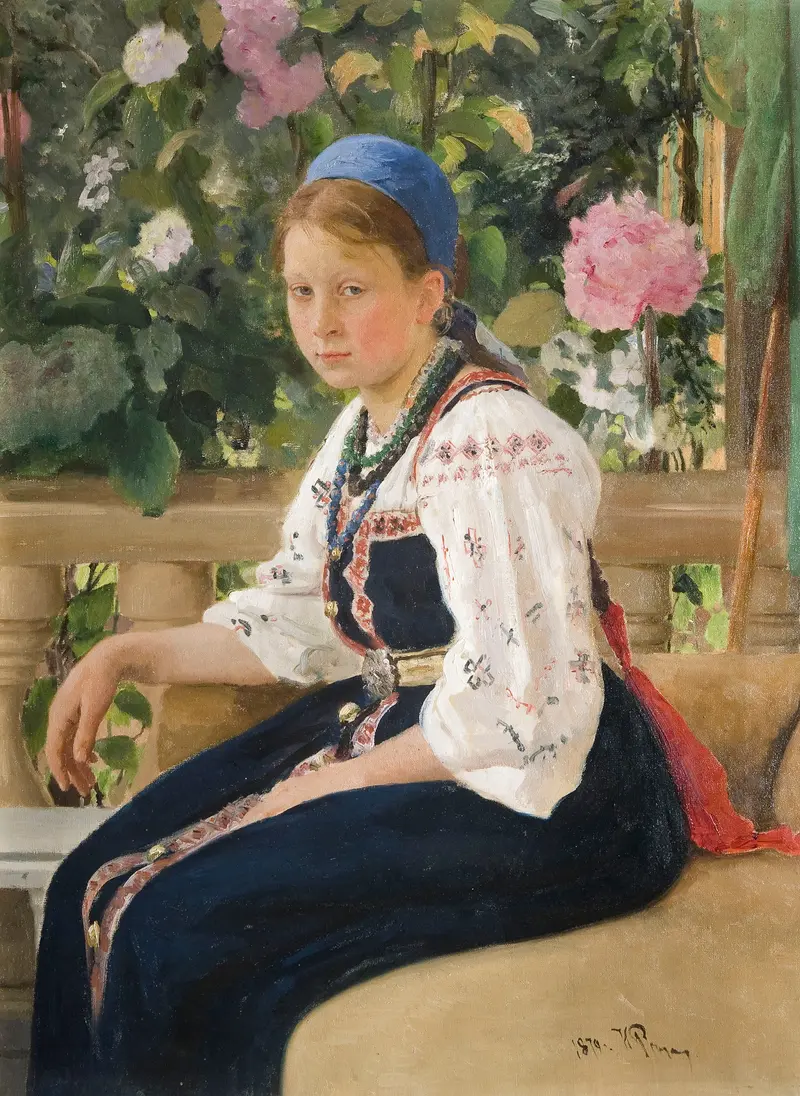
Портрет Софьи Федоровны Мамонтовой
Ilya Repin
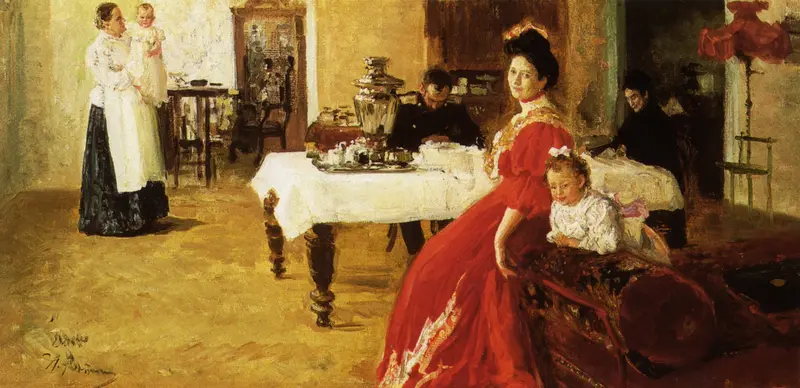
Family Portrait: The Artist's Daughter, Tatyana, and her familiy"
Ilya Repin
More Genre Scene Art

Banquet of the Officers of the St George Civic Guard
Frans Hals

Rembrandt and Saskia in the Scene of the Prodigal Son
Rembrandt van Rijn

Bal du moulin de la Galette
Pierre-Auguste Renoir

Quadrille at the Moulin Rouge
Henri de Toulouse-Lautrec

A Burial at Ornans
Gustave Courbet

When Will You Marry?
Paul Gauguin