
Seeing off the Recruit — History & Facts
What first draws the eye in Seeing off the Recruit is not the departing soldier, but the knot of emotion at the painting’s center: a woman, arms wrapped around a young man, her face etched with worry and sorrow. The sunlight falls brightest on her and the child she holds, forcing the viewer to feel the gravity of the moment. Around them, the village gathers—some with faces turned away, others watching intently, each figure caught in a different posture of farewell.
The white horse and cart, ready for departure, stand idle, their stillness underscoring the tension of the pause before parting. Every detail—the slant of the shadows, the cluster of children, the old man’s stoop—works to slow time, making us linger in this charged threshold between home and the unknown. Painted in 1879 by Ilya Repin, this scene belongs to a world where conscription was a rite of passage that shaped the lives of countless Russian families. Genre paintings like this, especially in the hands of the Peredvizhniki movement, were not mere records but acts of social witness, intended to stir empathy and debate.
These works often found homes in public exhibitions or were commissioned by collectors eager to capture the realities of rural life as Russia modernized and old traditions met new pressures. Though history has kept few traces of this specific canvas’s journey, its place in a Russian collection and its date root it firmly in the late nineteenth century, when artists like Repin made the everyday struggles of ordinary people the subject of national conversation. The story here is unfinished—return to the faces, and you might sense the weight of every goodbye.
More Artworks by Ilya Repin
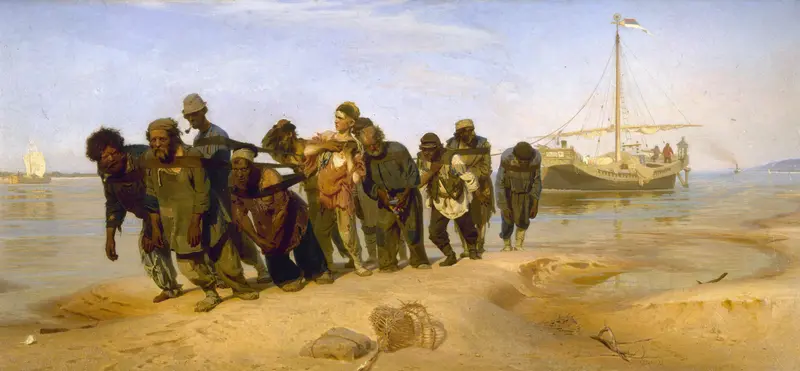
Barge Haulers on the Volga
Ilya Repin
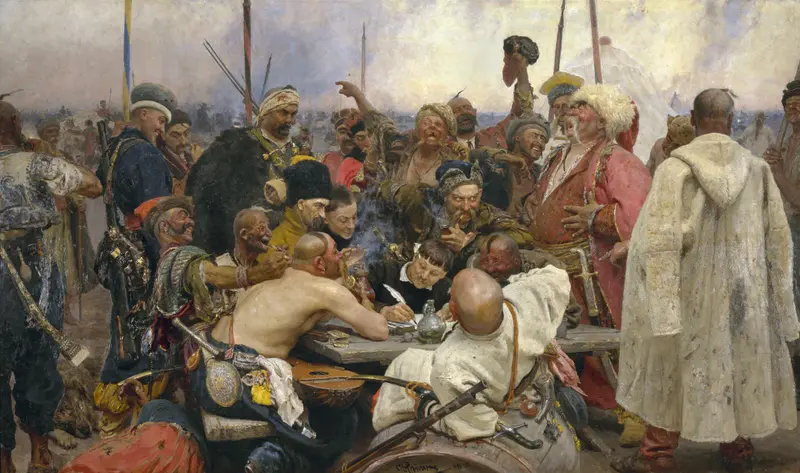
Reply of the Zaporozhian Cossacks
Ilya Repin

Religious Procession in Kursk Province
Ilya Repin
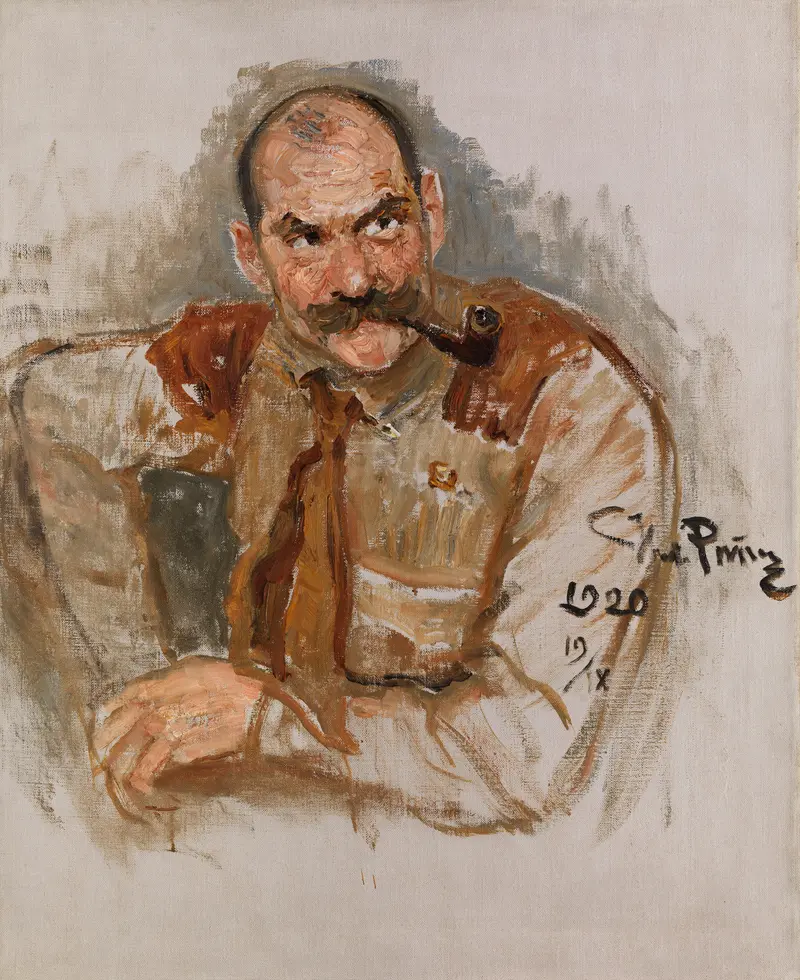
Akseli Gallen-Kallela
Ilya Repin
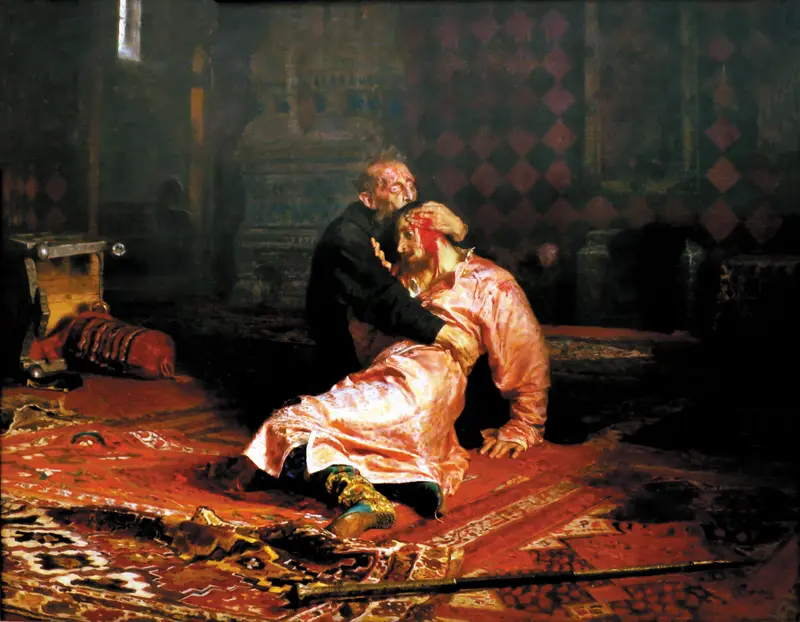
Ivan the Terrible and his son Ivan on November 16
Ilya Repin
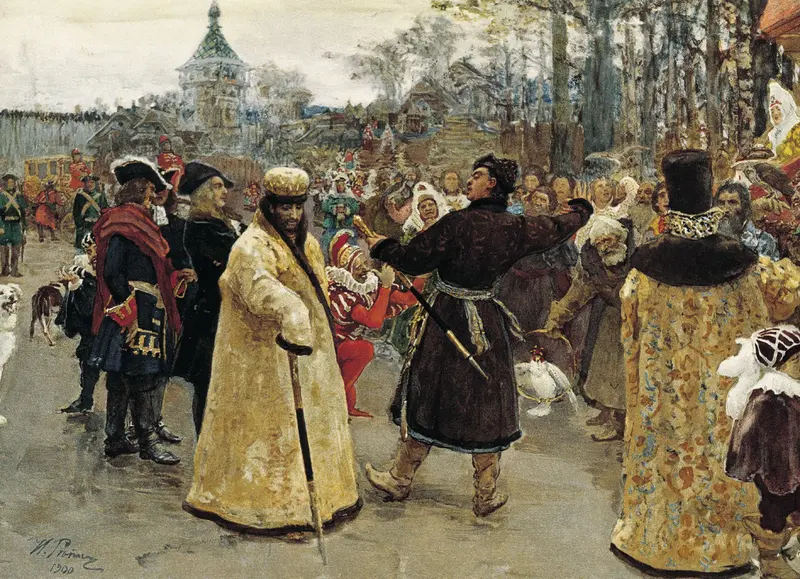
Arrival of the tsars Peter I and Ivan V
Ilya Repin
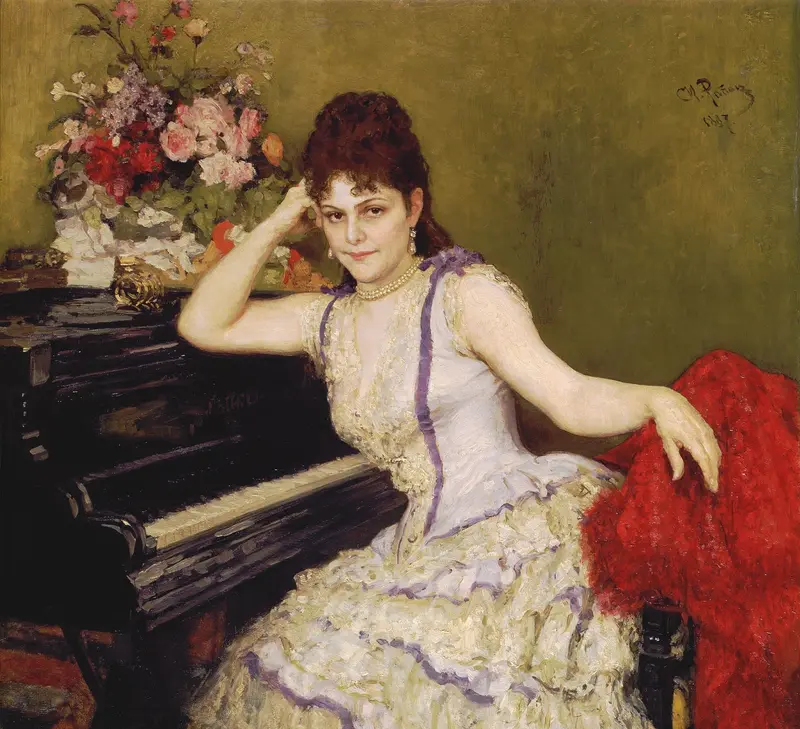
Menter by Repin
Ilya Repin
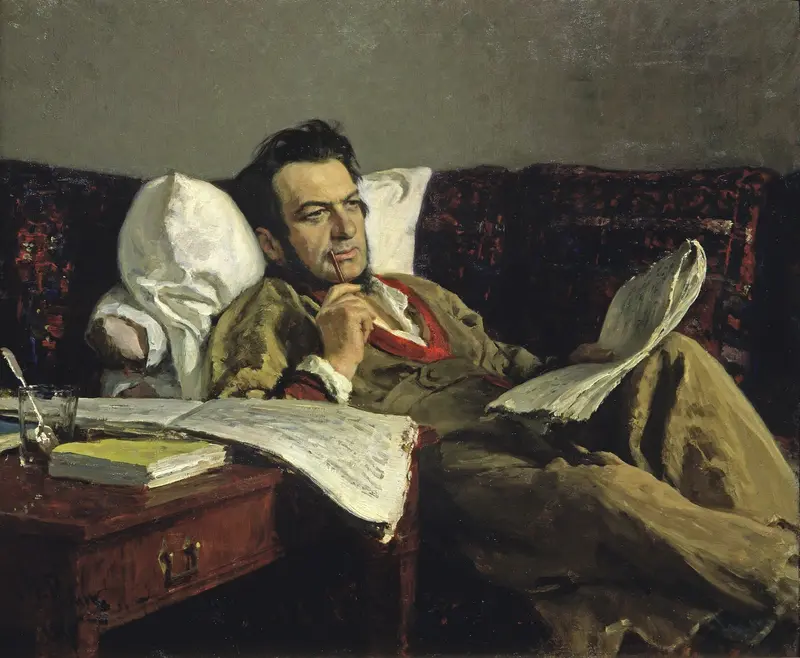
Mikhail Ivanovich Glinka during the composition of the opera “Ruslan and Lyudmila”
Ilya Repin
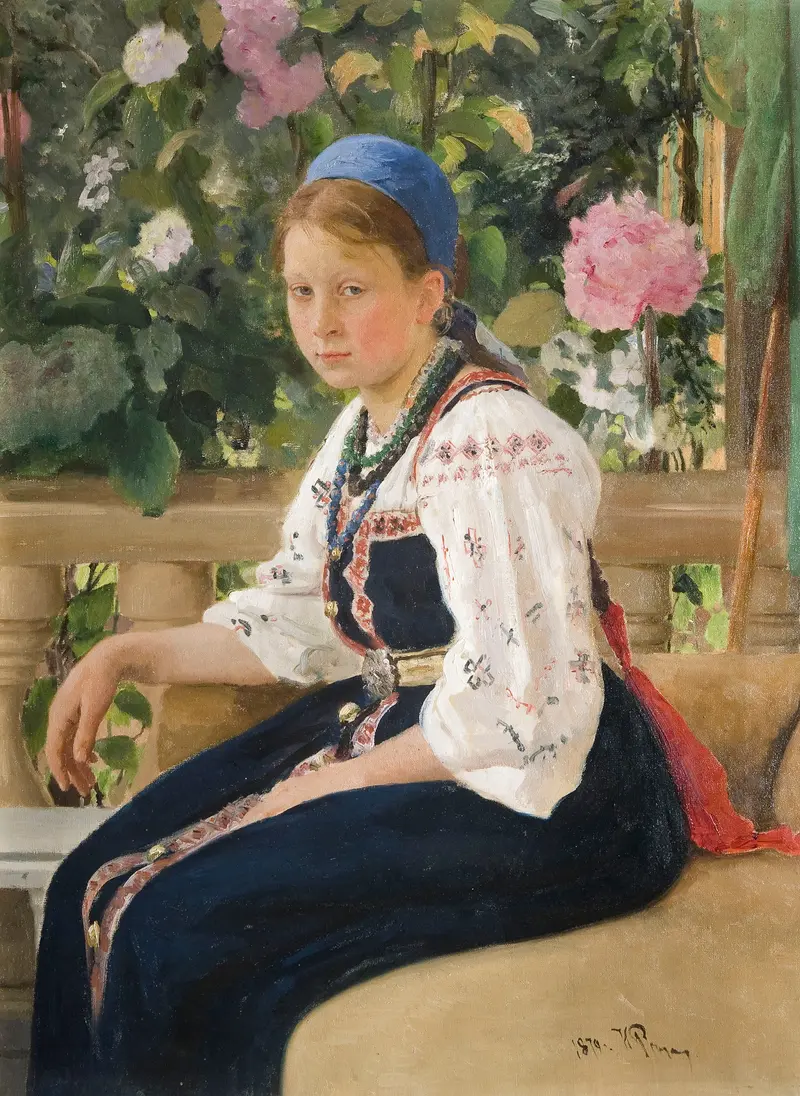
Портрет Софьи Федоровны Мамонтовой
Ilya Repin
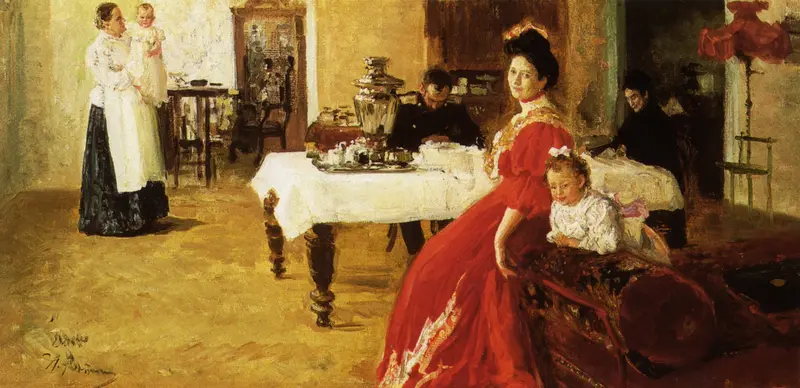
Family Portrait: The Artist's Daughter, Tatyana, and her familiy"
Ilya Repin
More Genre Scene Art

Banquet of the Officers of the St George Civic Guard
Frans Hals

Rembrandt and Saskia in the Scene of the Prodigal Son
Rembrandt van Rijn

Bal du moulin de la Galette
Pierre-Auguste Renoir

Quadrille at the Moulin Rouge
Henri de Toulouse-Lautrec

A Burial at Ornans
Gustave Courbet

When Will You Marry?
Paul Gauguin