
Religious Procession in Kursk Province — History & Facts
A river of humanity surges through the dusty road, each face etched with its own story, yet all drawn together by the gleaming shrine at the painting’s edge. The eye is pulled first to the gilded canopy festooned with ribbons, carried aloft by sturdy men whose beards and boots speak of rural Russia’s hard routines. Around them, a tide of pilgrims presses forward: some crippled and bent, straining on crutches, others upright and richly robed, while children and women clutch icons and hands in anxious devotion.
The banners and priests at the procession’s heart catch the sunlight, their gold and crimson signaling both authority and hope. The crowd’s density, the swirl of dust, and the cacophony of gestures—all these details transform the scene into a living chronicle of faith and hierarchy, where desperation and celebration jostle side by side. Works like this, painted in the early 1880s by Ilya Repin, belong to a moment when Russian artists turned their gaze to the realities of their own people—often on a monumental scale. The late nineteenth century saw the rise of the Peredvizhniki, or Wanderers, a group committed to bringing art to the people and to telling the stories of everyday life, not just the triumphs of tsars or saints.
Religious processions such as the one shown here were common across the Russian Empire, drawing together every stratum of society in a ritual both sacred and social. Painted between 1880 and 1883, this work now appears in the digital halls of Google Arts & Culture, its sheer scale and teeming detail inviting viewers to lose themselves in the crowd, to search for a single face or gesture that might unlock the whole.
More Artworks by Ilya Repin
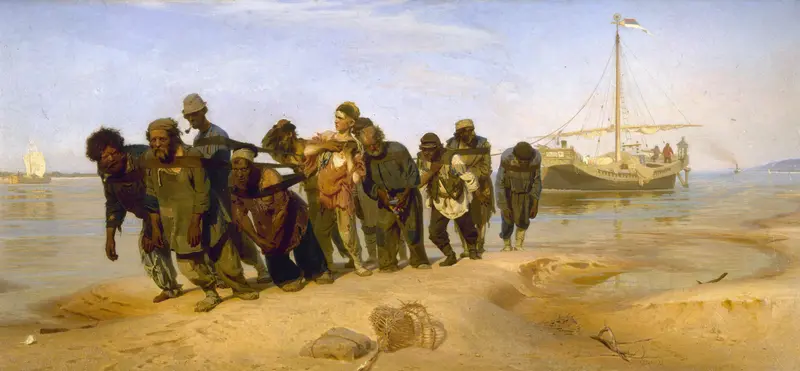
Barge Haulers on the Volga
Ilya Repin
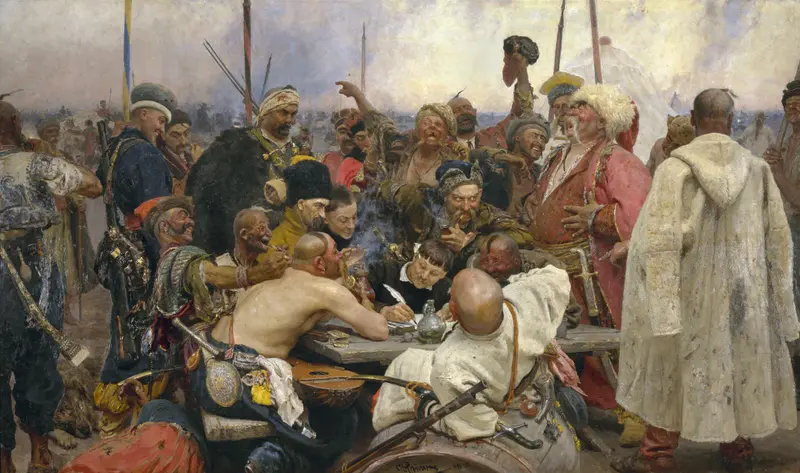
Reply of the Zaporozhian Cossacks
Ilya Repin
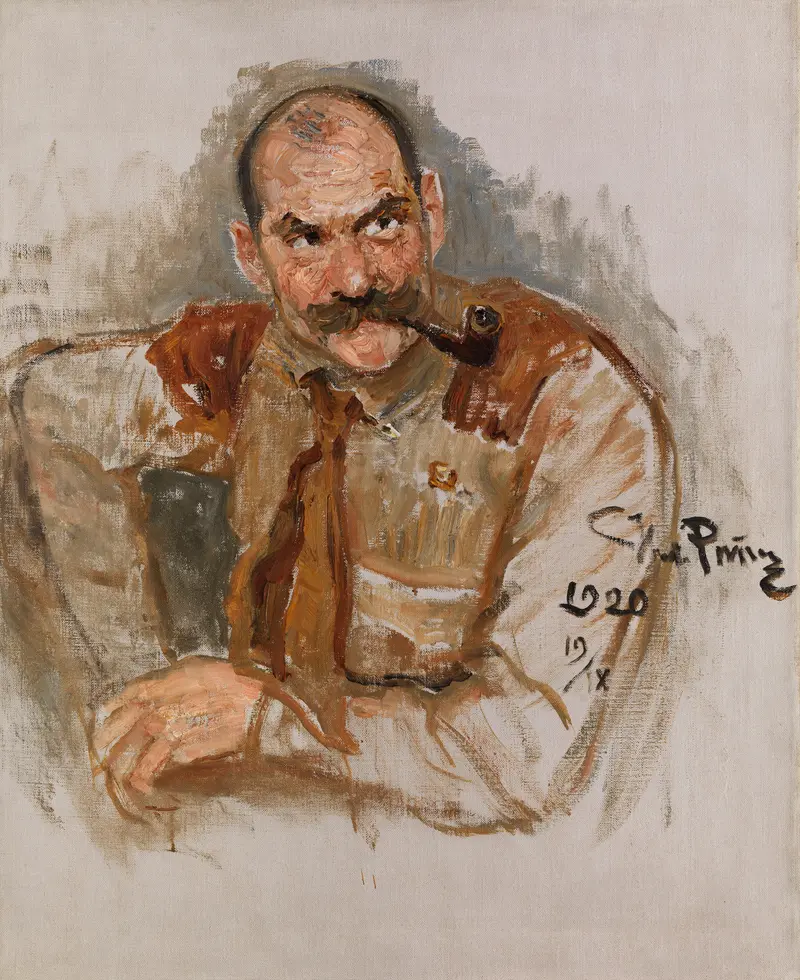
Akseli Gallen-Kallela
Ilya Repin
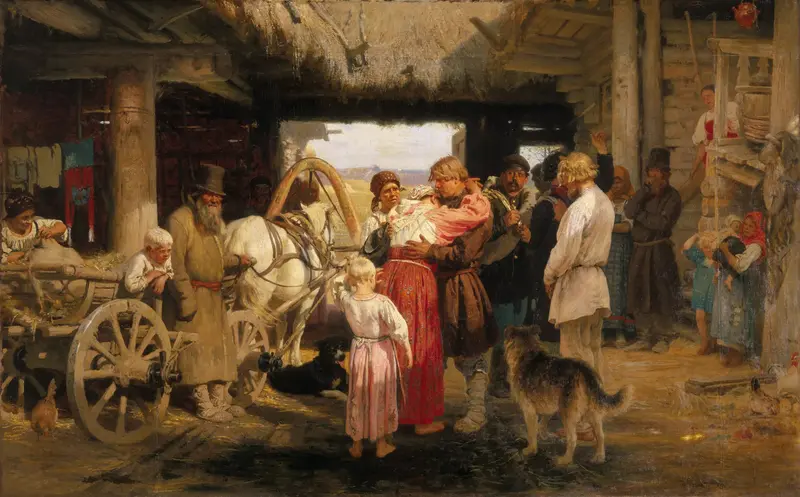
Seeing off the Recruit
Ilya Repin
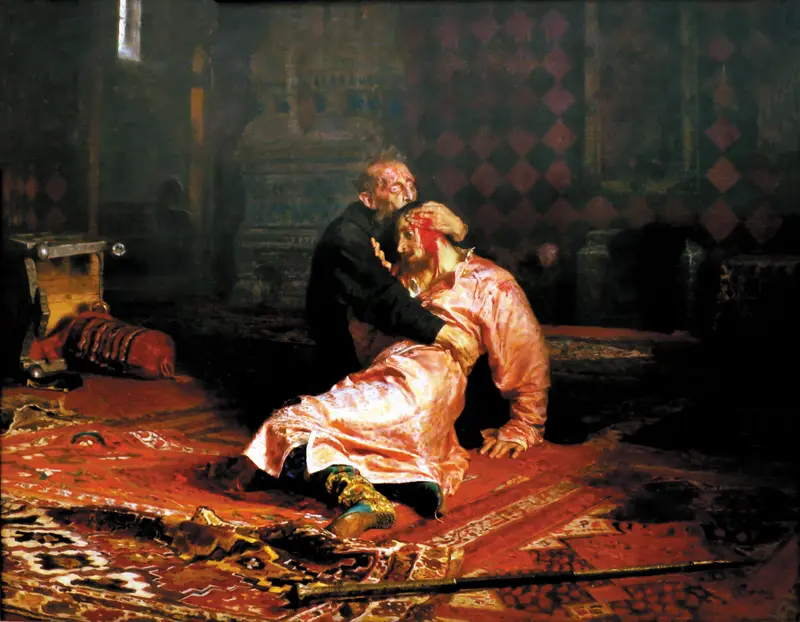
Ivan the Terrible and his son Ivan on November 16
Ilya Repin
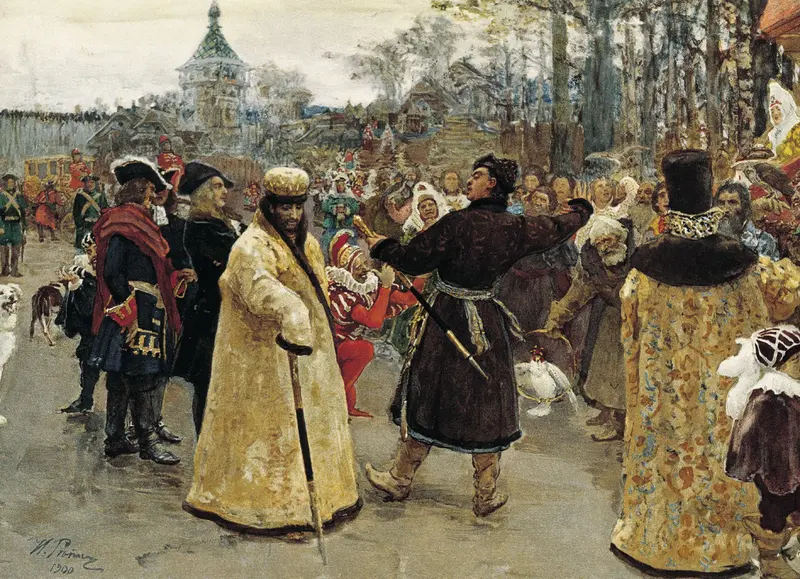
Arrival of the tsars Peter I and Ivan V
Ilya Repin
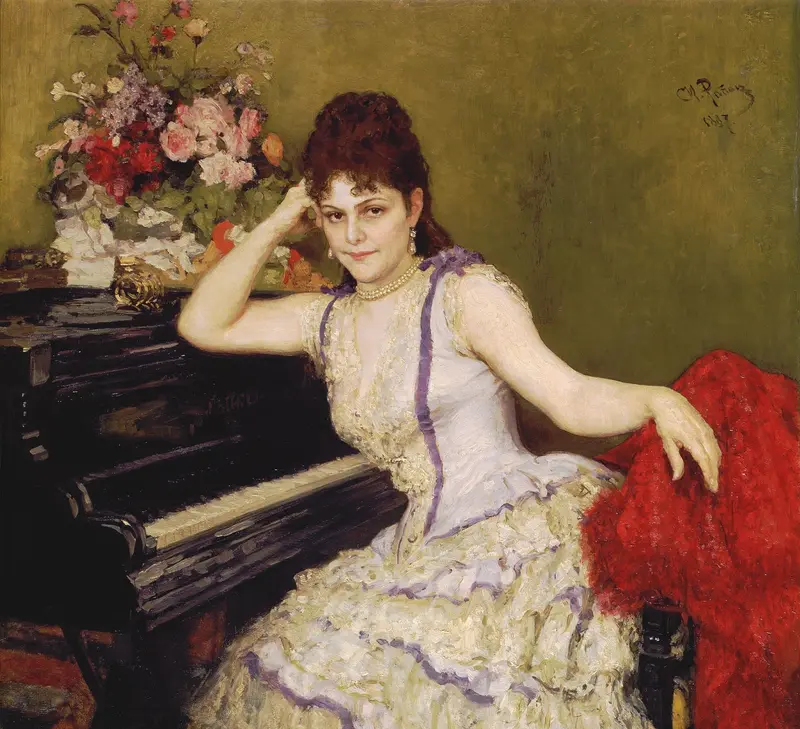
Menter by Repin
Ilya Repin
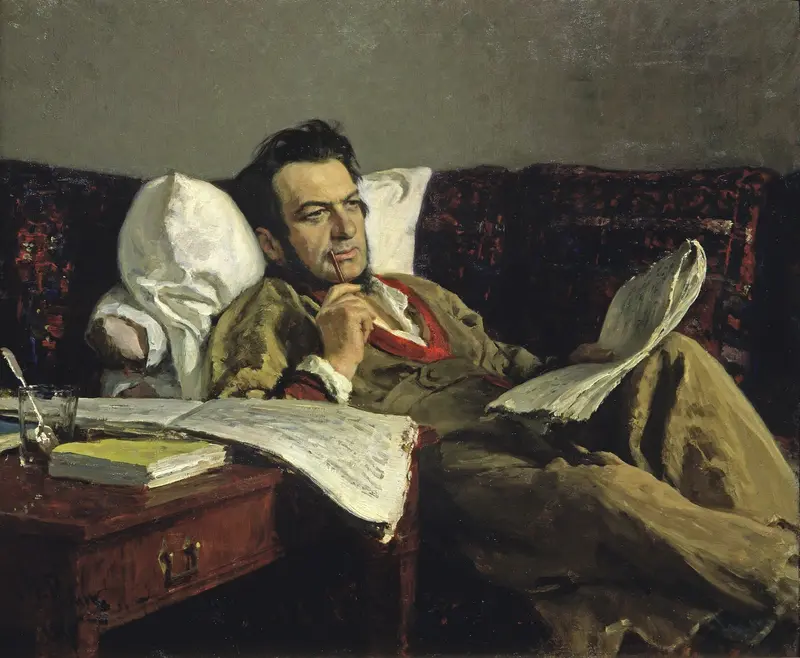
Mikhail Ivanovich Glinka during the composition of the opera “Ruslan and Lyudmila”
Ilya Repin
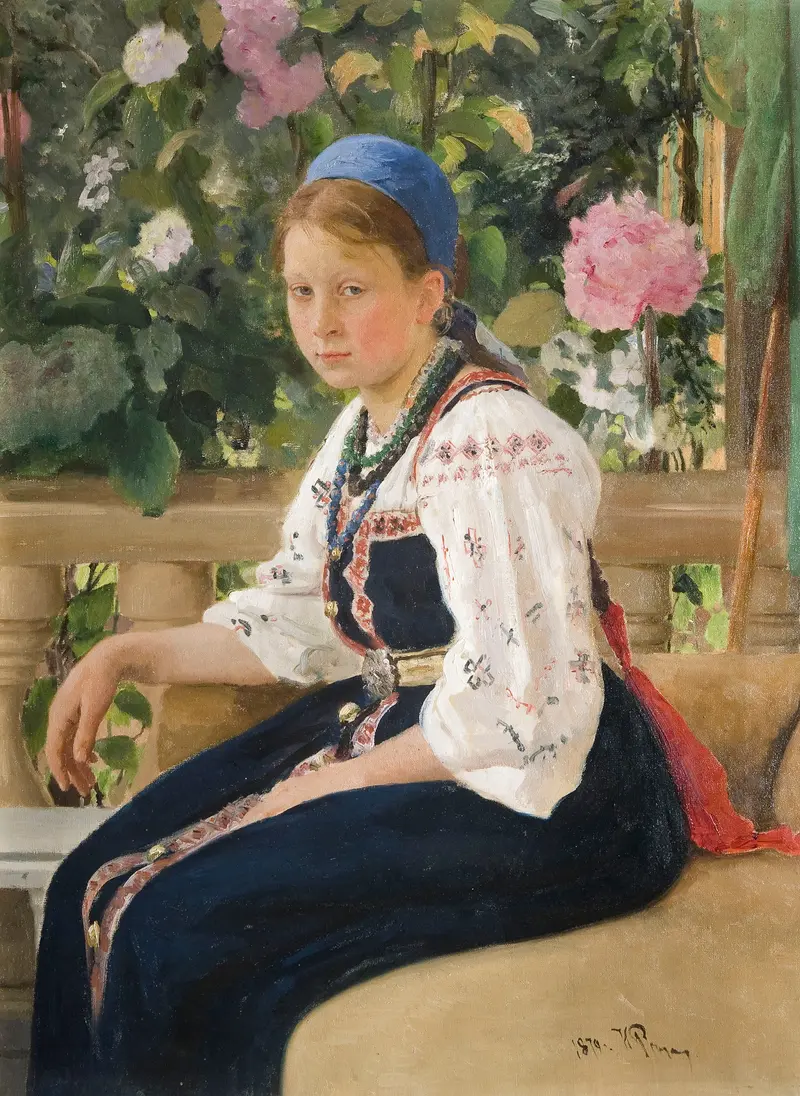
Портрет Софьи Федоровны Мамонтовой
Ilya Repin
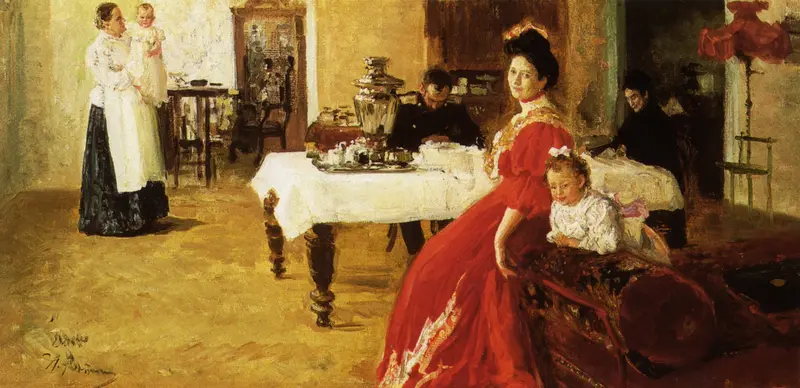
Family Portrait: The Artist's Daughter, Tatyana, and her familiy"
Ilya Repin
More Genre Scene Art

Banquet of the Officers of the St George Civic Guard
Frans Hals

Rembrandt and Saskia in the Scene of the Prodigal Son
Rembrandt van Rijn

Bal du moulin de la Galette
Pierre-Auguste Renoir

Quadrille at the Moulin Rouge
Henri de Toulouse-Lautrec

A Burial at Ornans
Gustave Courbet

When Will You Marry?
Paul Gauguin