Arthur E. Brown — History & Facts
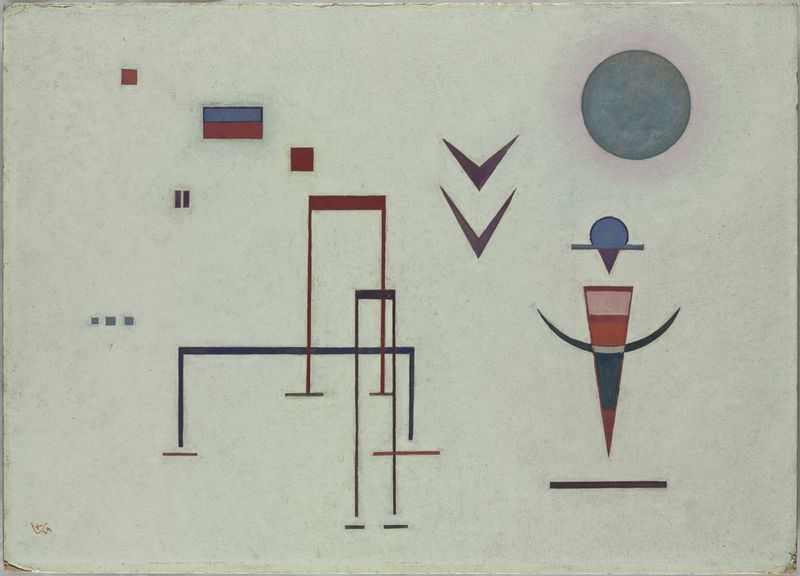
In the stillness of this piece, a deep sense of serenity envelops the viewer, inviting quiet introspection and reflection. Look to the center of the canvas, where soft washes of muted blues and gentle grays intertwine. Notice how the brushstrokes blend seamlessly, creating a tranquil atmosphere that feels almost like a whisper. The subtle gradations of color guide your gaze, drawing you into a meditative space where chaos seems distant.
In this way, the composition embodies a harmony that is both soothing and thought-provoking. As you delve deeper, you might discover the tension between this serenity and the underlying emotions that ripple beneath the surface. The delicate contrasts between light and dark suggest shadows of thought or memory, hinting at stories unspoken. Each layer of color reveals nuance, inviting you to ponder what lies behind the calm exterior—perhaps a longing, a sense of loss, or a quiet hope. In 1931, Kanji Nakamura created this work during a period marked by significant change in the art world, where traditional techniques were being redefined amid the rise of modernism.
Working in Japan, he sought to capture the essence of Japanese aesthetics while responding to Western influences, creating a unique dialogue that reflects his personal journey through an evolving cultural landscape.
More Artworks by Kanji Nakamura
Browse all →
Courtyard of an Old Palace, Palermo
Kanji Nakamura
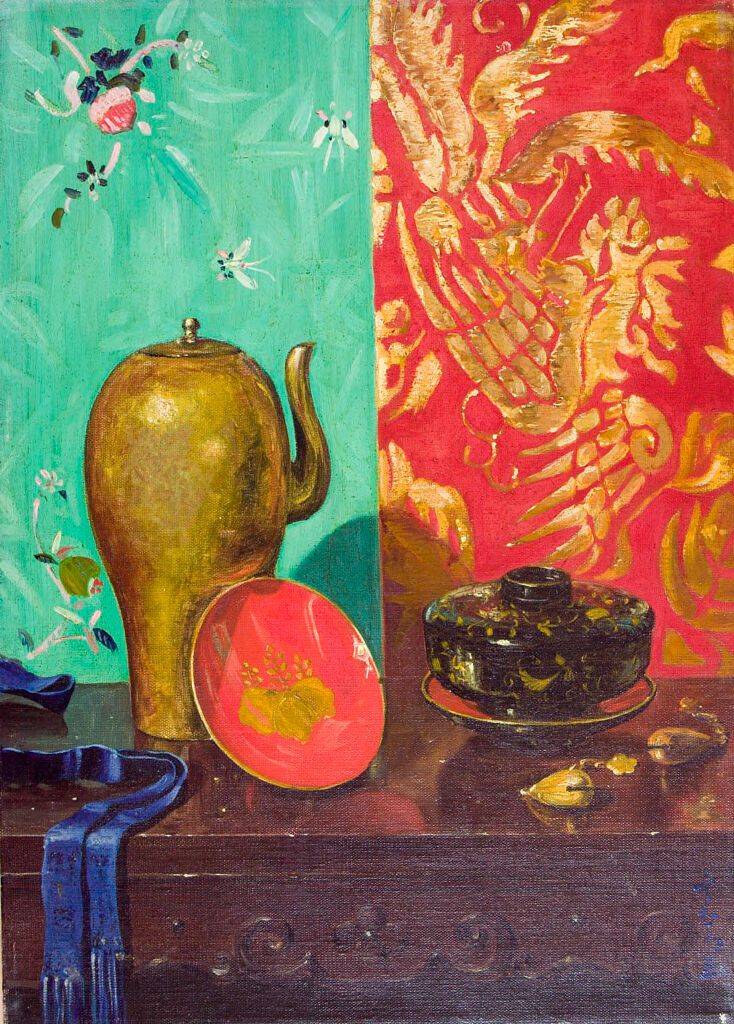
Still Life with Vessel, Plate and Ink Jar
Kanji Nakamura
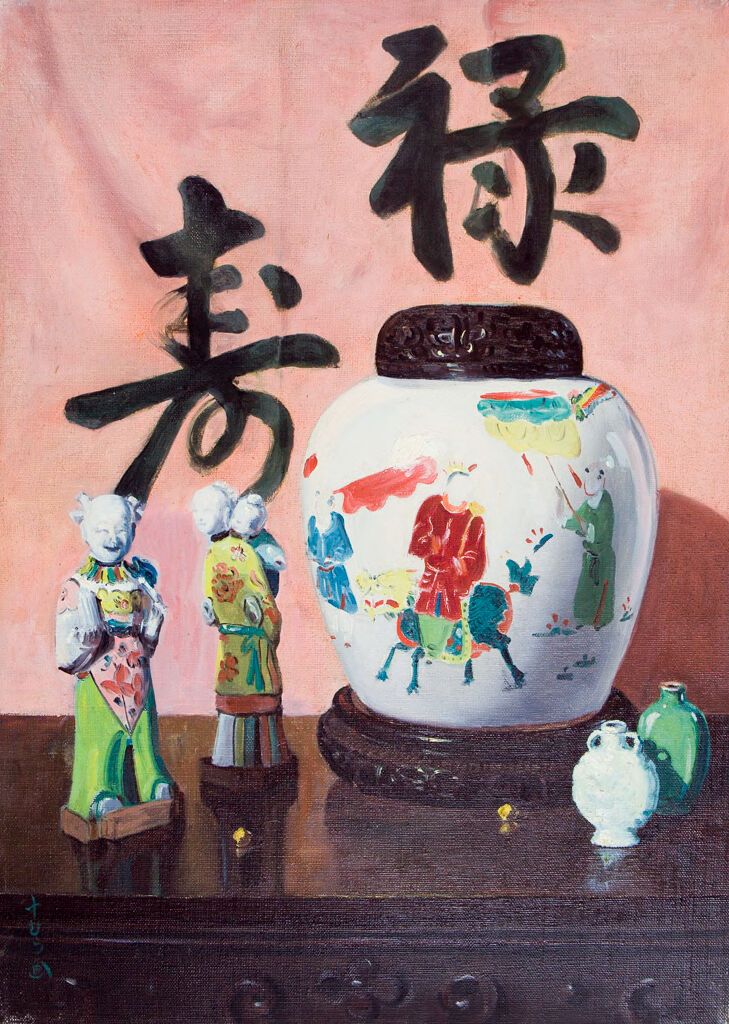
Still Life with Jars and Figurines
Kanji Nakamura
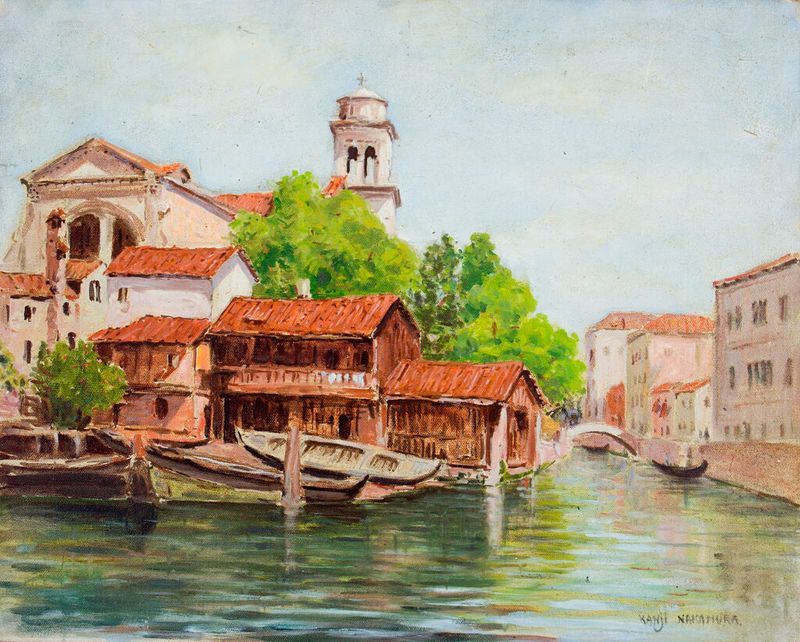
Canal Scene with Buildings and Steeple
Kanji Nakamura

Flowers
Kanji Nakamura

Orizaba, Mexico
Kanji Nakamura

Self-Portrait
Kanji Nakamura

Still Life with Oriental Head
Kanji Nakamura
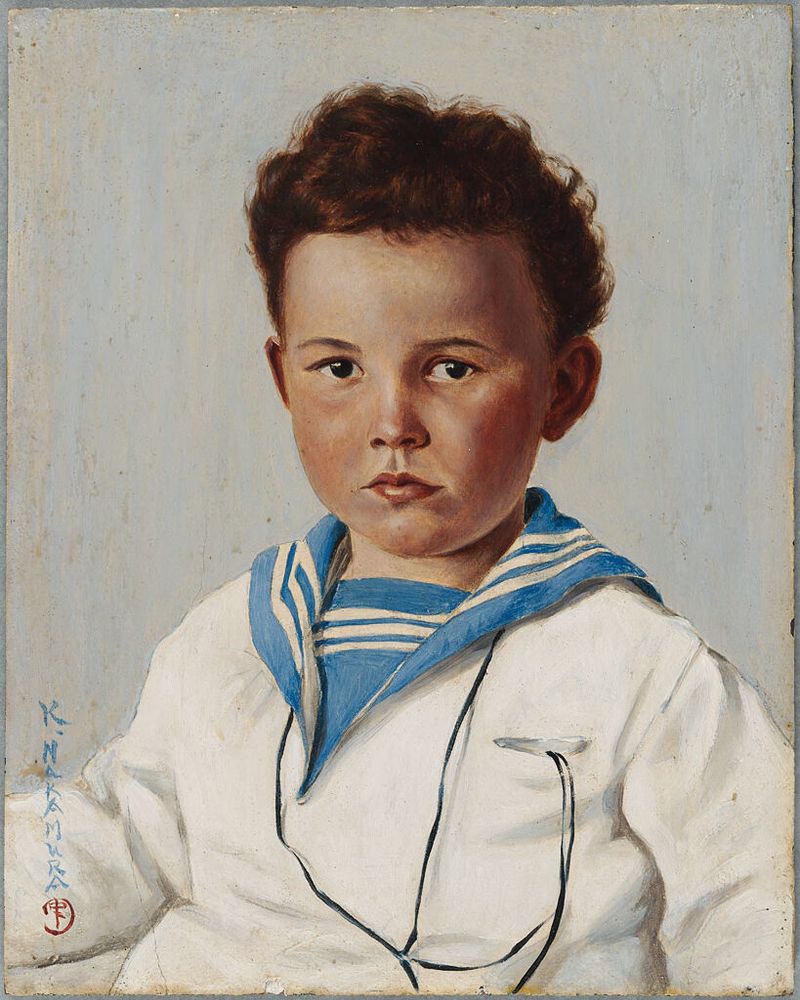
Portrait of a Boy
Kanji Nakamura

Still Life with Grapes and Pomegranates
Kanji Nakamura