
Asakusa kannon no yukibare (Clear weather after snow at Asakusa Kannon Temple) — History & Facts
What if beauty was never meant to be finished? In the serene stillness of Asakusa kannon no yukibare, a moment unfolds, inviting us to ponder the delicate interplay between nature and man-made sanctity. Look to the foreground, where the soft, powdery snow blankets the temple’s red rooftops, contrasting with the deep azure sky that hints at the promise of a clear day. Notice how the gentle strokes of blue and white blend seamlessly, evoking a tranquil atmosphere. The artist employs a woodblock print technique that captures the exquisite details of the temple’s architecture, from the intricate carvings to the bold lines that define its silhouette.
Each element is meticulously arranged, drawing the eye toward the temple as a focal point, while the surrounding landscape whispers of winter’s retreat. Beneath the surface, this work speaks of transience and renewal. The snow, a symbol of purity and impermanence, suggests a moment on the cusp of change – nature's quiet surrender to the warmth of spring. The juxtaposition of the temple against the snow-filled landscape creates a profound tension between human endeavor and the uncontrollable forces of nature.
It stirs a contemplation of faith as the temple stands unwavering amidst the fleeting beauty of the world it inhabits. In 1926, when this piece was created, Kawase Hasui was deeply rooted in the Shin-hanga movement, which sought to bridge traditional Japanese art with Western techniques. Living in a rapidly modernizing Japan, he drew upon his experiences and surroundings, channeling a sense of nostalgia and reverence for cultural heritage through his depictions of landscapes and urban scenes. This artwork reflects not only a moment in time but also an enduring connection to the past, as the artist captured the essence of a beloved landmark in the midst of transformation.
More Artworks by Kawase Hasui
Browse all →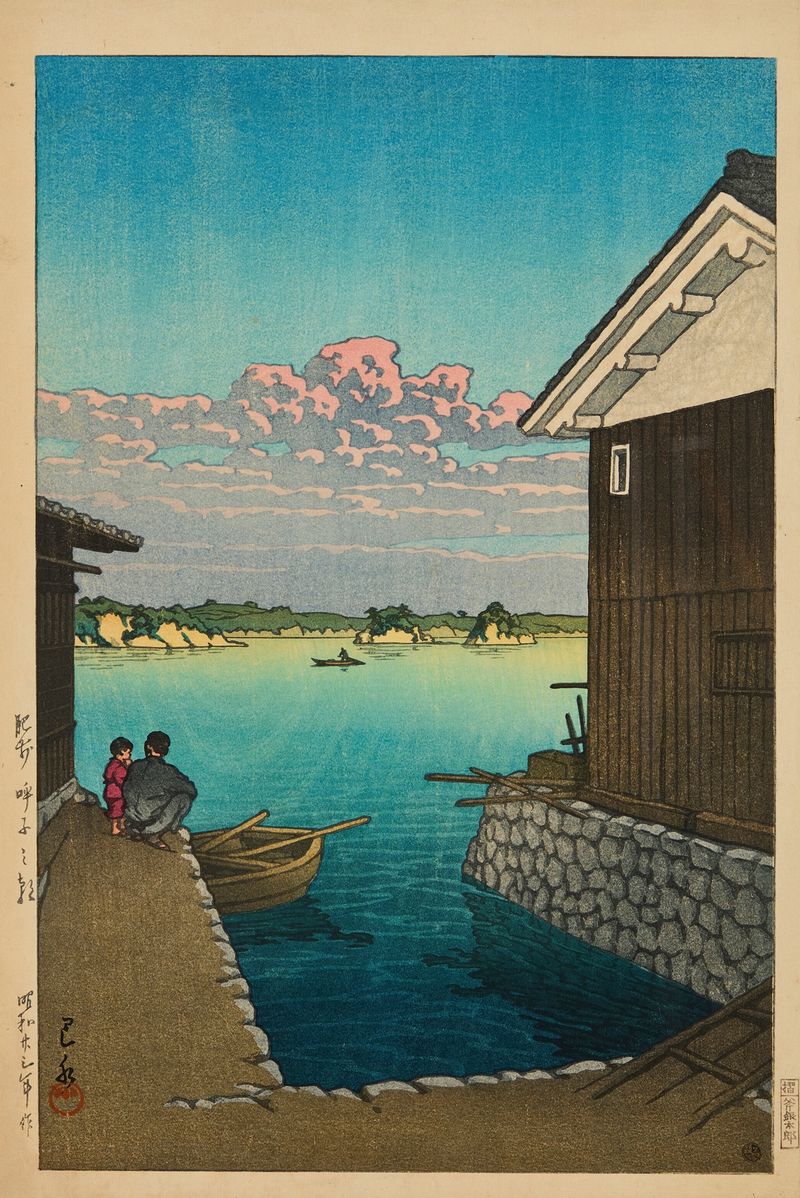
Hizen Yobuko no asa (Morning in Yobuko, Hizen)
Kawase Hasui
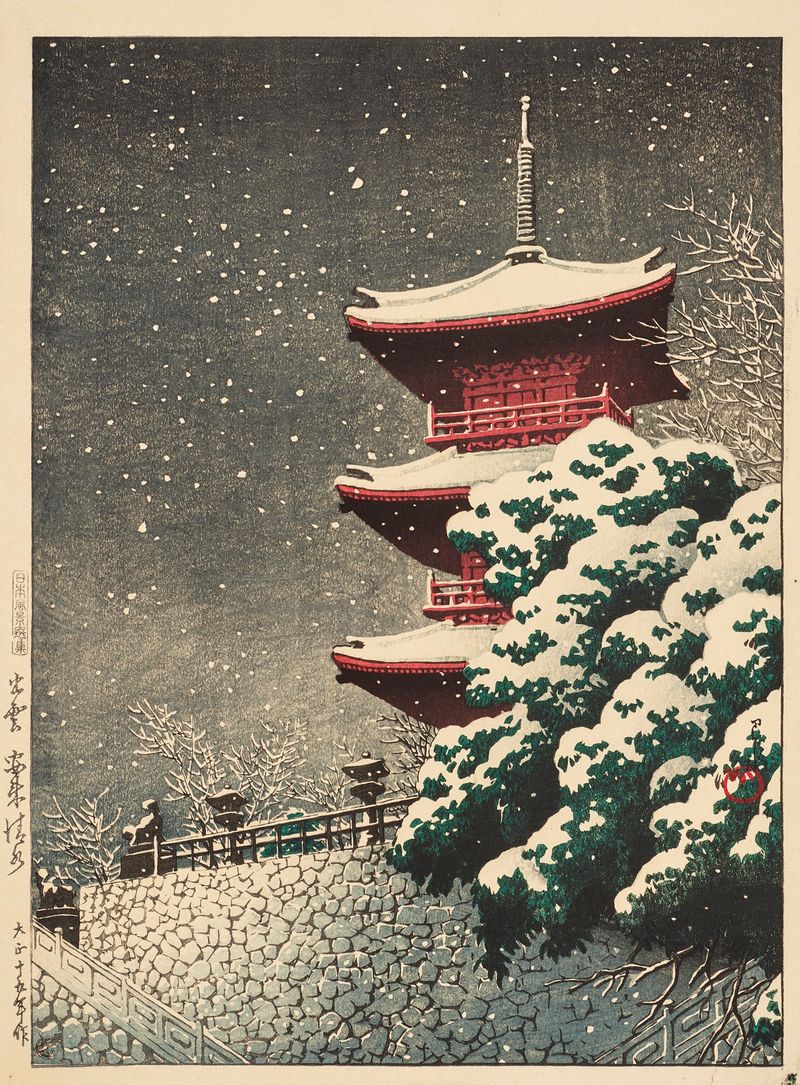
Izumo, Yasugi Kiyomizu (Yasugi Kiyomizu Temple at Izumo)
Kawase Hasui
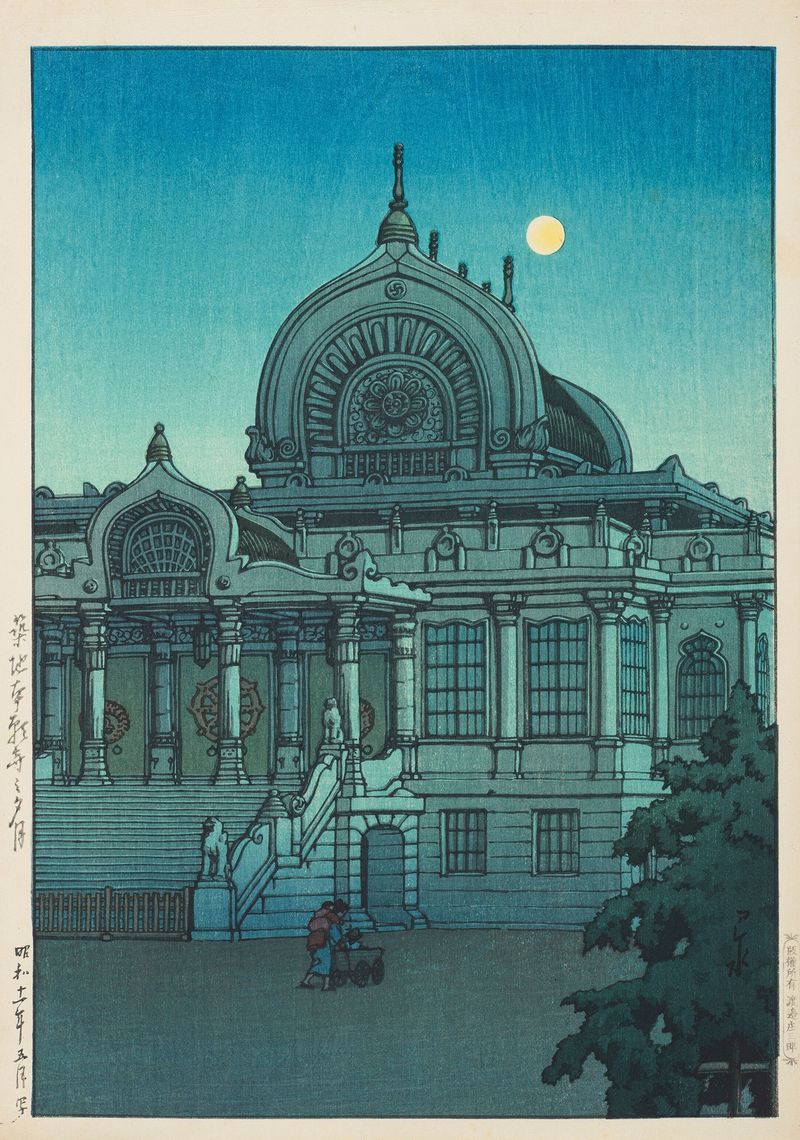
Tsukiji Honganji no yuzuki (Evening moon at Honganji Temple in Tsukiji)
Kawase Hasui
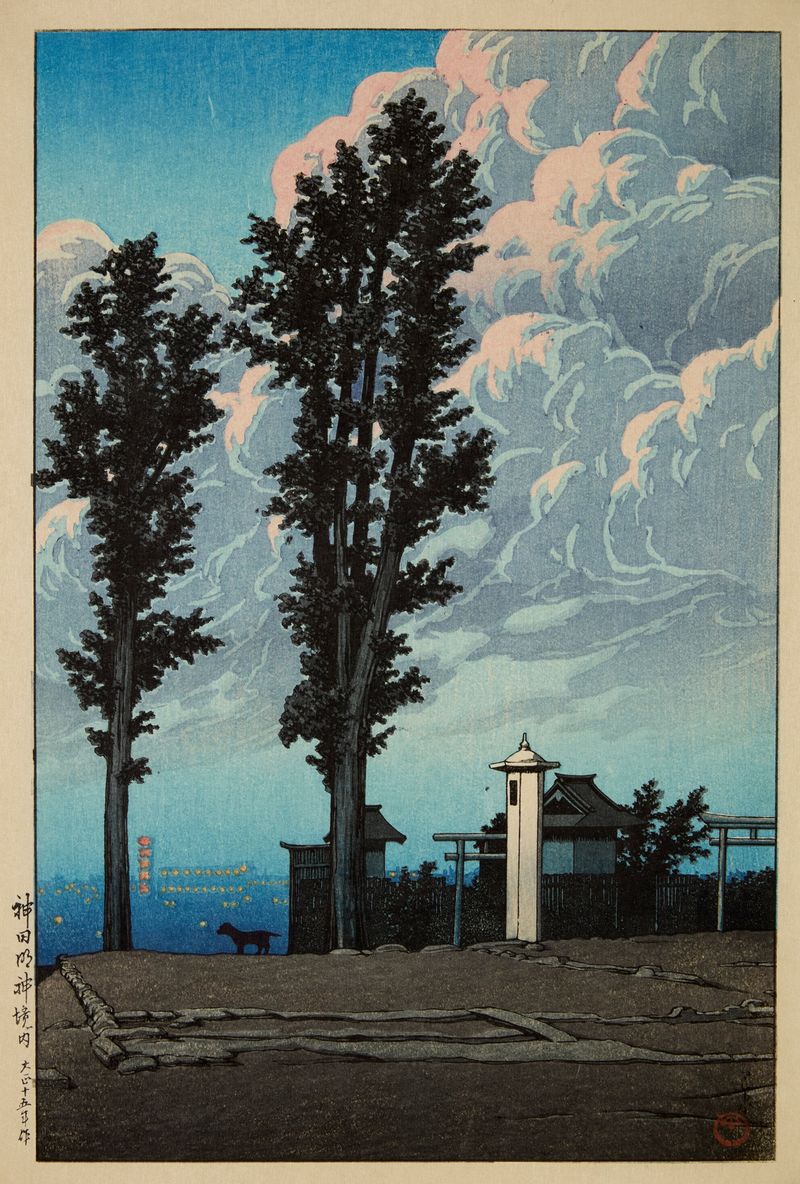
Kanda Myojin keidai (Kanda Myojin Shrine precent)
Kawase Hasui
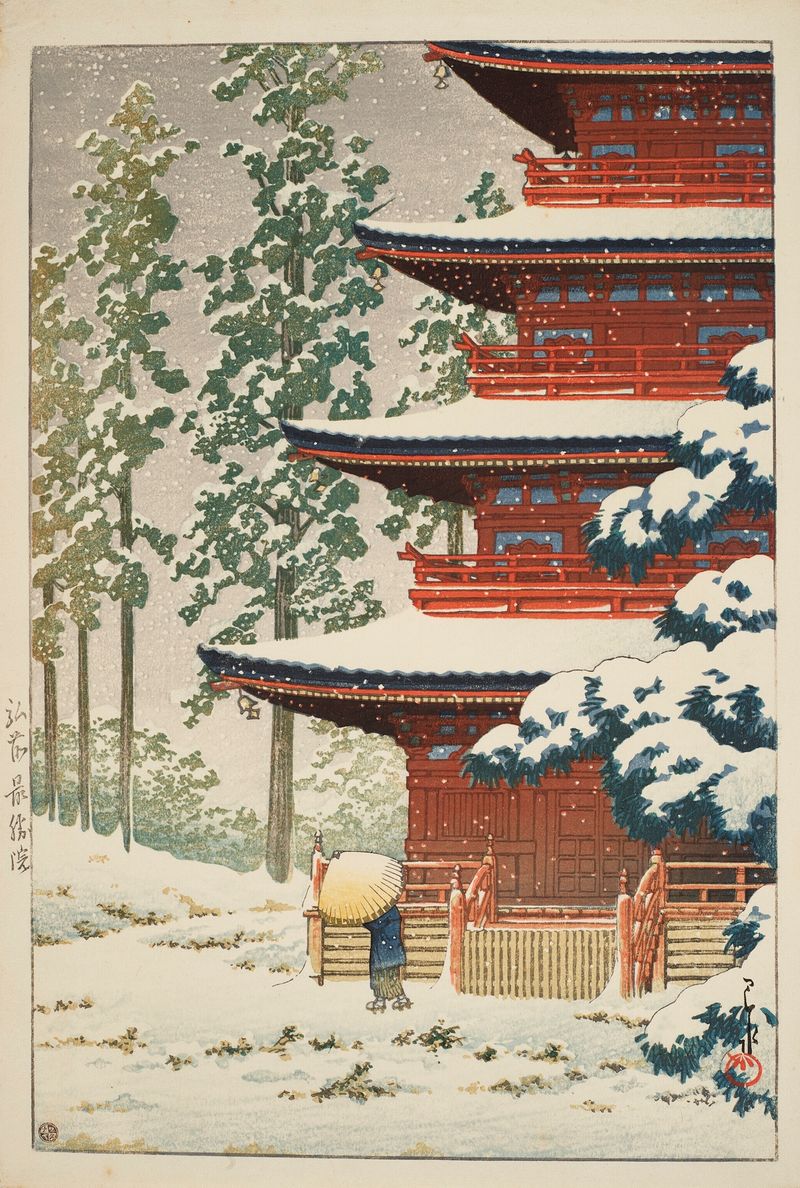
Saisho-in Temple, Hirosaki
Kawase Hasui
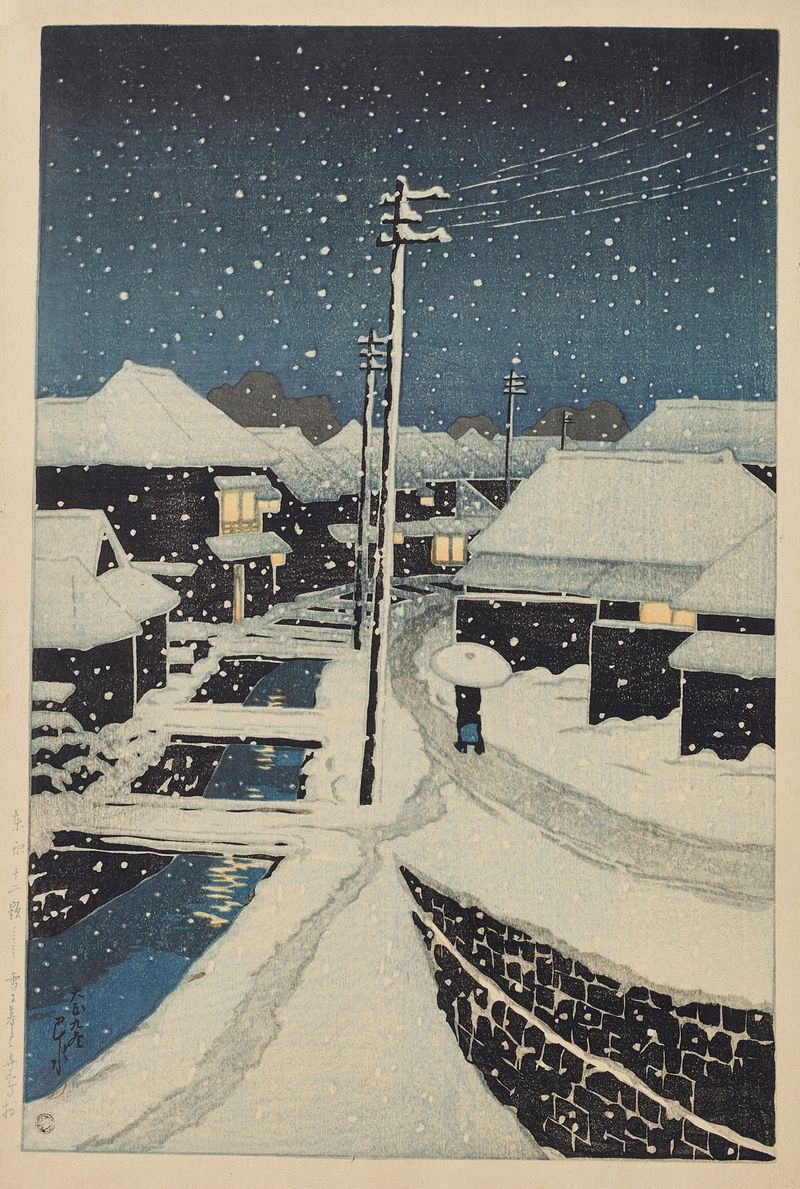
Yuki ni fururu Terajima mura (Evening snow at Terajima Village)
Kawase Hasui
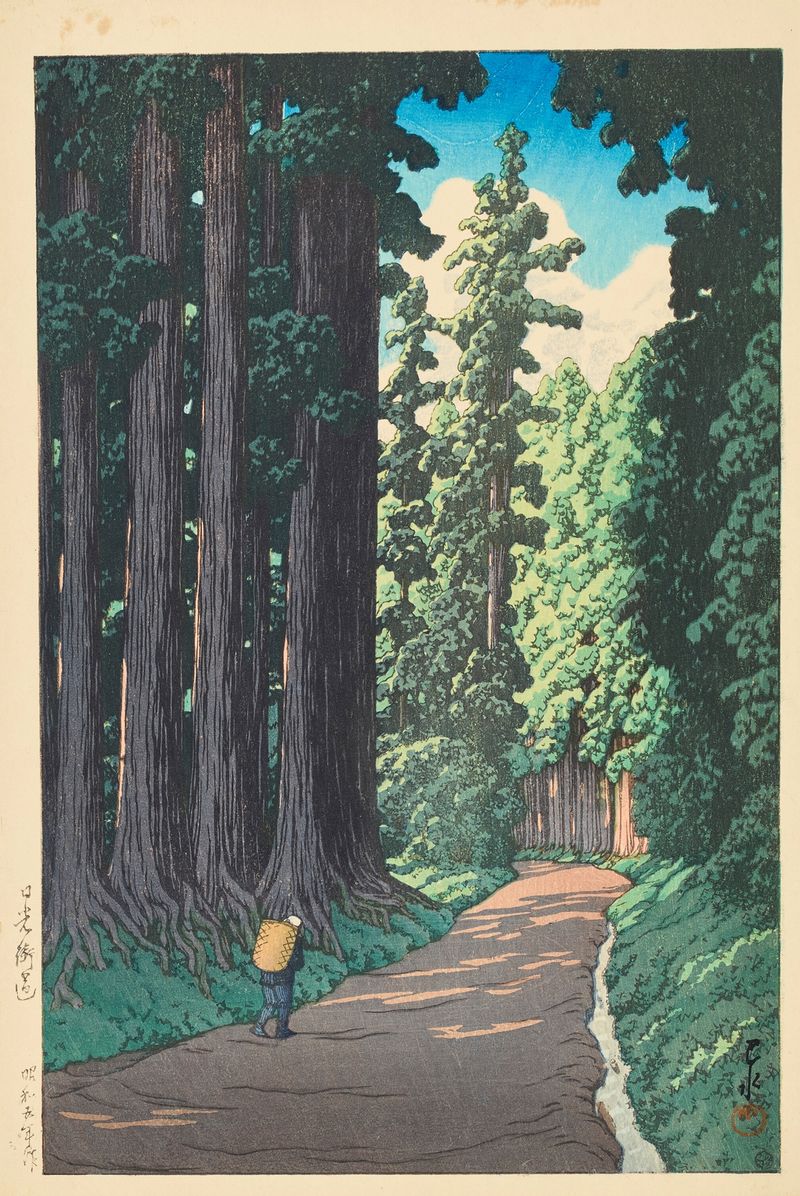
Nikko gaido (The Road to Nikko)
Kawase Hasui
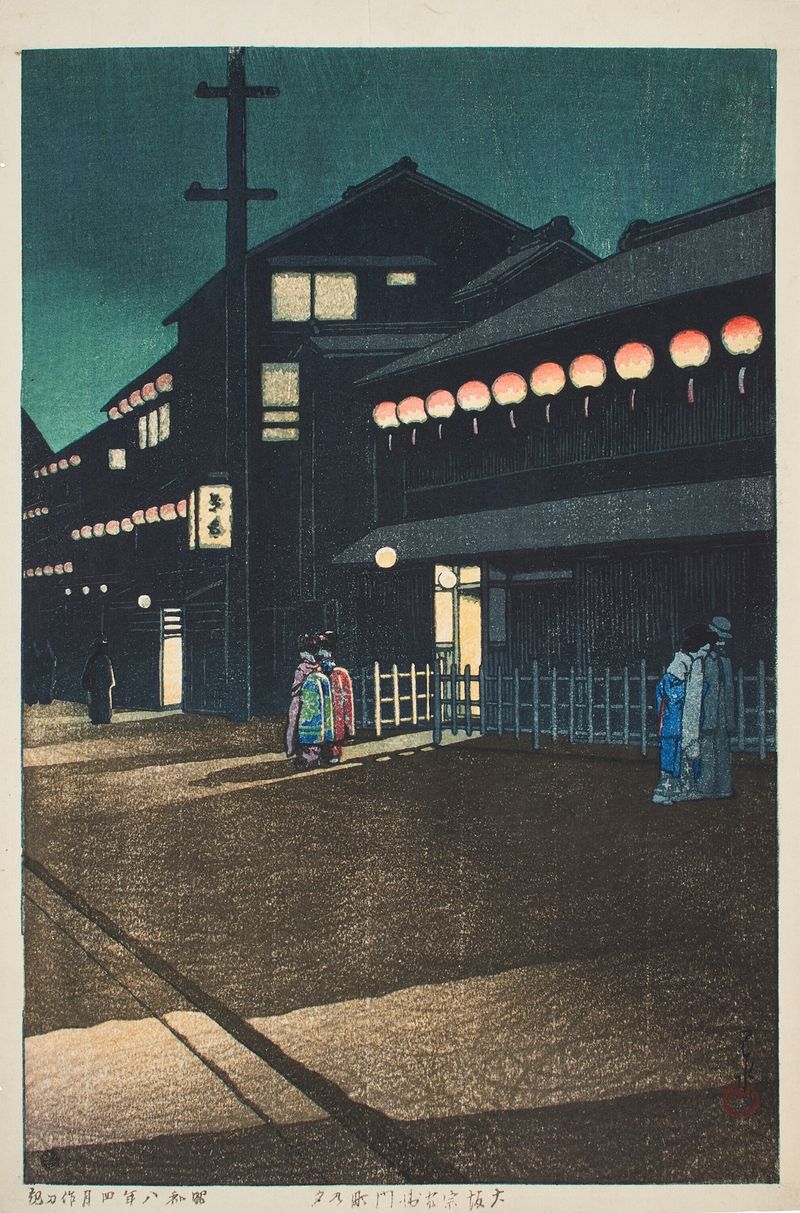
Osaka Soemon-cho no yu (Evening in Soemon-cho, Osaka)
Kawase Hasui
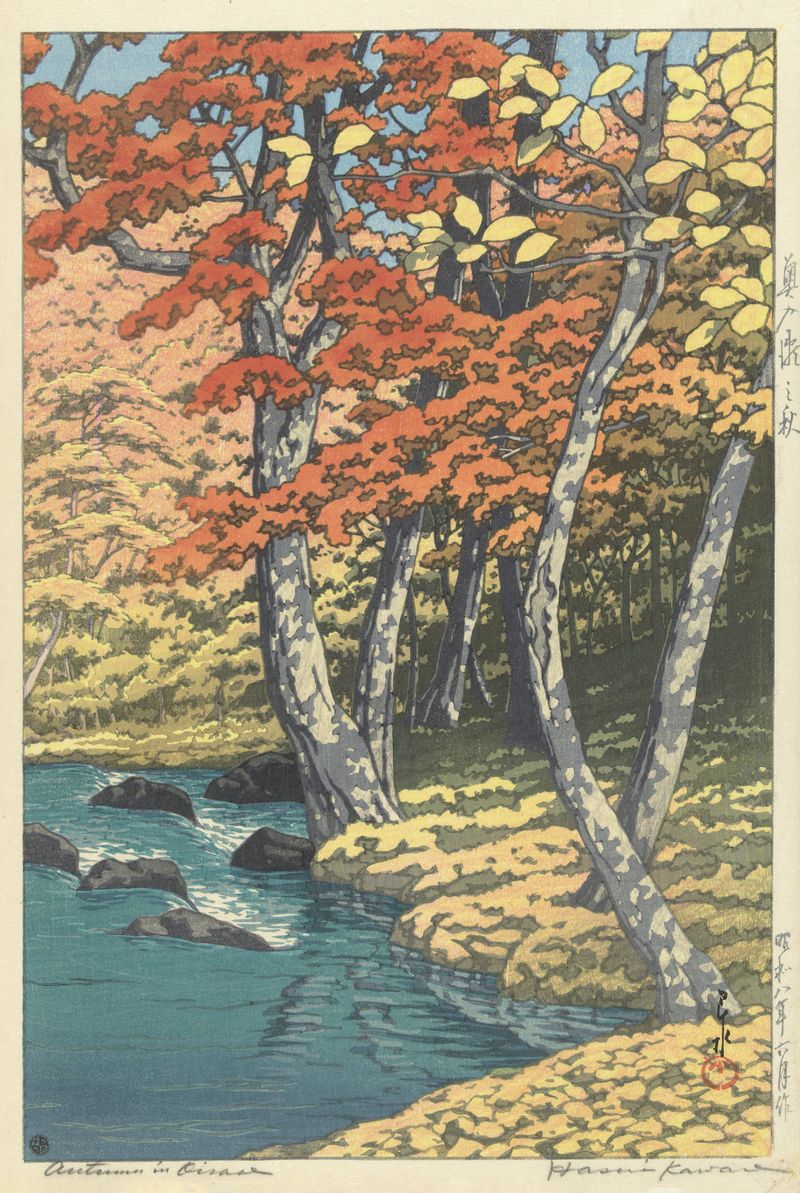
Autumn In Oirase
Kawase Hasui
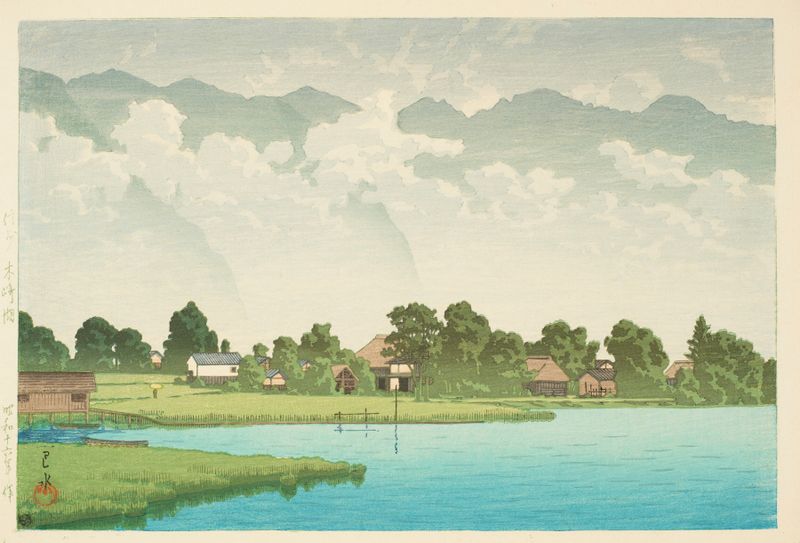
Shinshu Kizakiko (Kizaki Lake in Shinshu)
Kawase Hasui





