
Asakusa Temple — History & Facts
What if silence could speak through light? In the stillness of Asakusa Temple, the whispers of history resonate beneath the gentle play of sunshine across the temple’s ornate architecture. Look to the center of the canvas, where the temple stands resolute, bathed in warm, golden light. Notice how the artist skillfully uses contrasting shades to highlight the intricate details of the roof and pillars, drawing your eye toward the delicate carvings and vibrant hues that convey a sense of reverence. The color palette is both serene and rich, invoking a timeless quality, as if the temple itself is a silent guardian of countless stories. Yet, beneath this beauty lies a tension between permanence and transience.
The tranquility of the temple contrasts sharply with the impermanence of life; the ephemeral cherry blossoms in the foreground serve as a reminder of fleeting moments amidst enduring legacy. The gentle play of light and shadow further emphasizes this duality, suggesting that while structures may stand for ages, the experiences they house are fleeting. Each brushstroke tells a story of devotion and history, inviting viewers to reflect on the passage of time. In 1922, when the painting was completed, Negoro Raizan was deeply engaged with capturing the essence of traditional Japanese culture amid the rapid modernization of Japan.
This period saw a resurgence of interest in preserving cultural heritage, and the artist sought to immortalize such spaces, portraying not just the physical structure, but the spiritual weight they carried in a changing world.
More Artworks by Negoro Raizan
Browse all →
Ochanomizu Bridge
Negoro Raizan

Meiji Shrine
Negoro Raizan
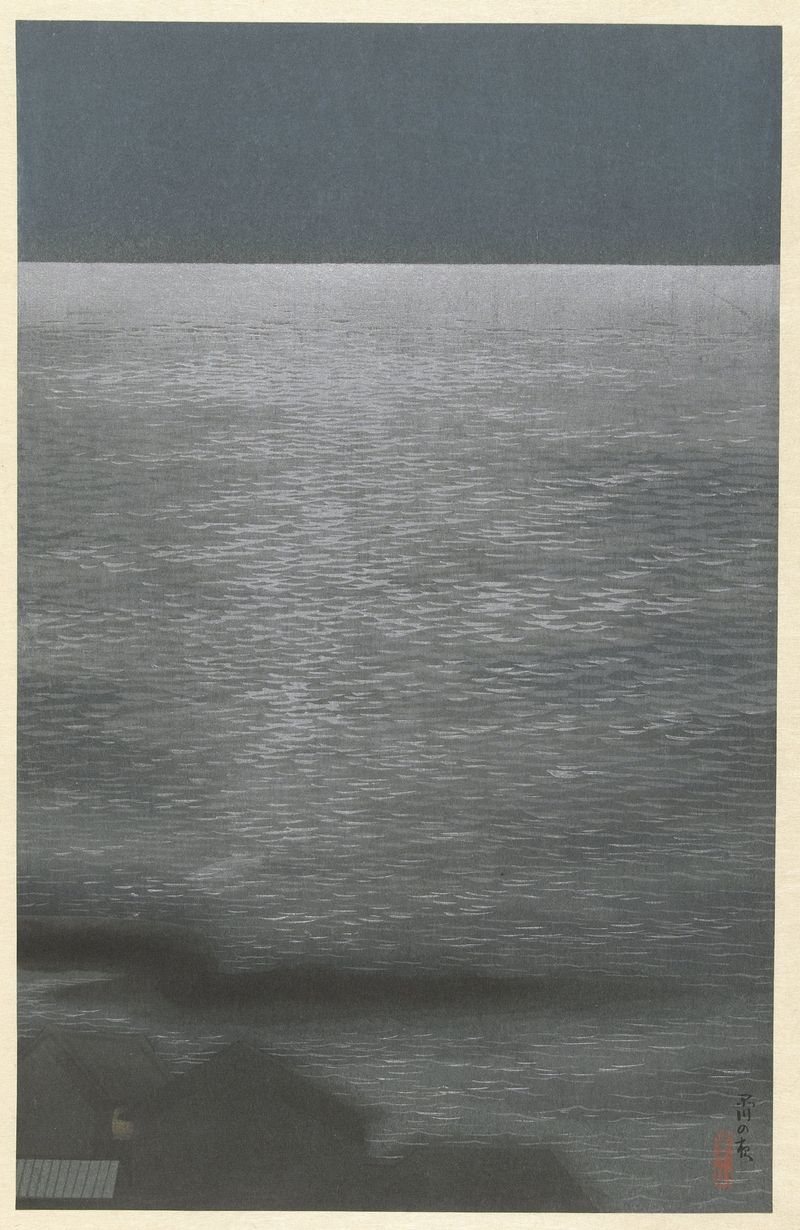
Nacht in Shinagawa
Negoro Raizan
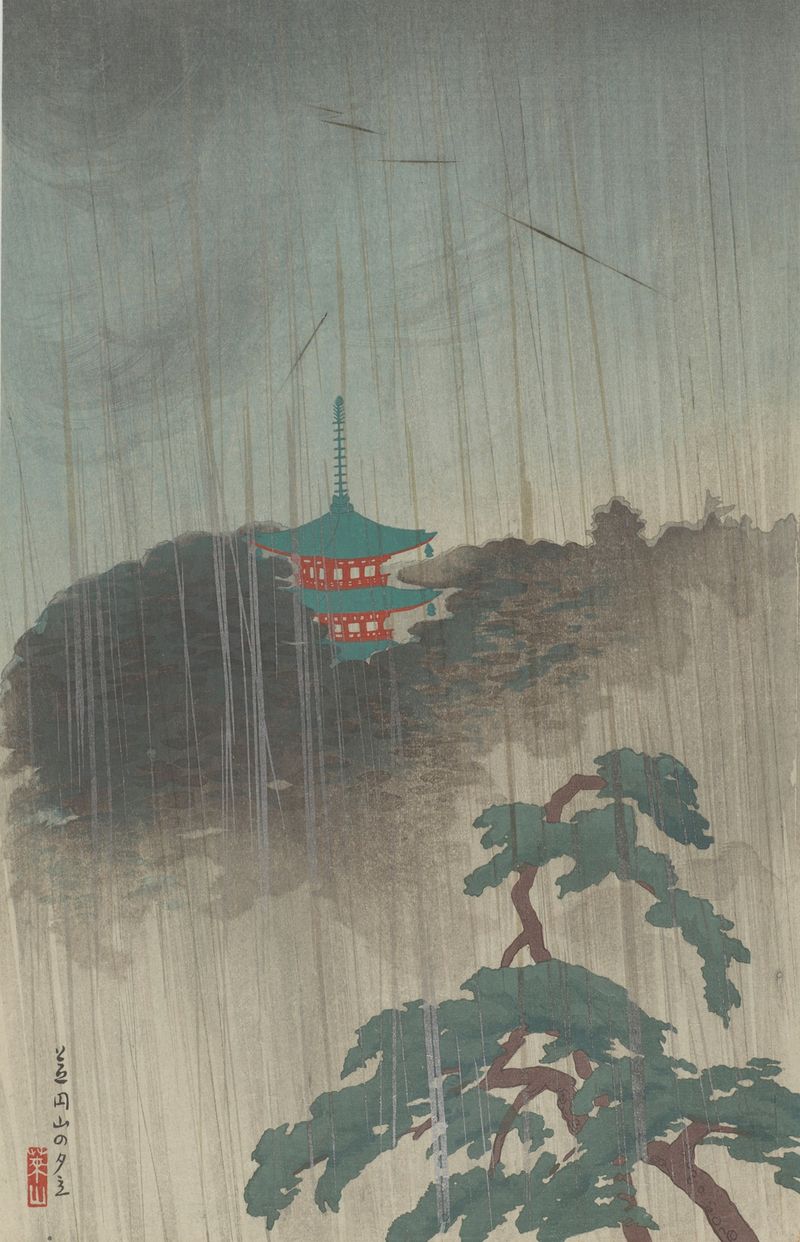
Evening Rain at Maruyama, Shiba
Negoro Raizan
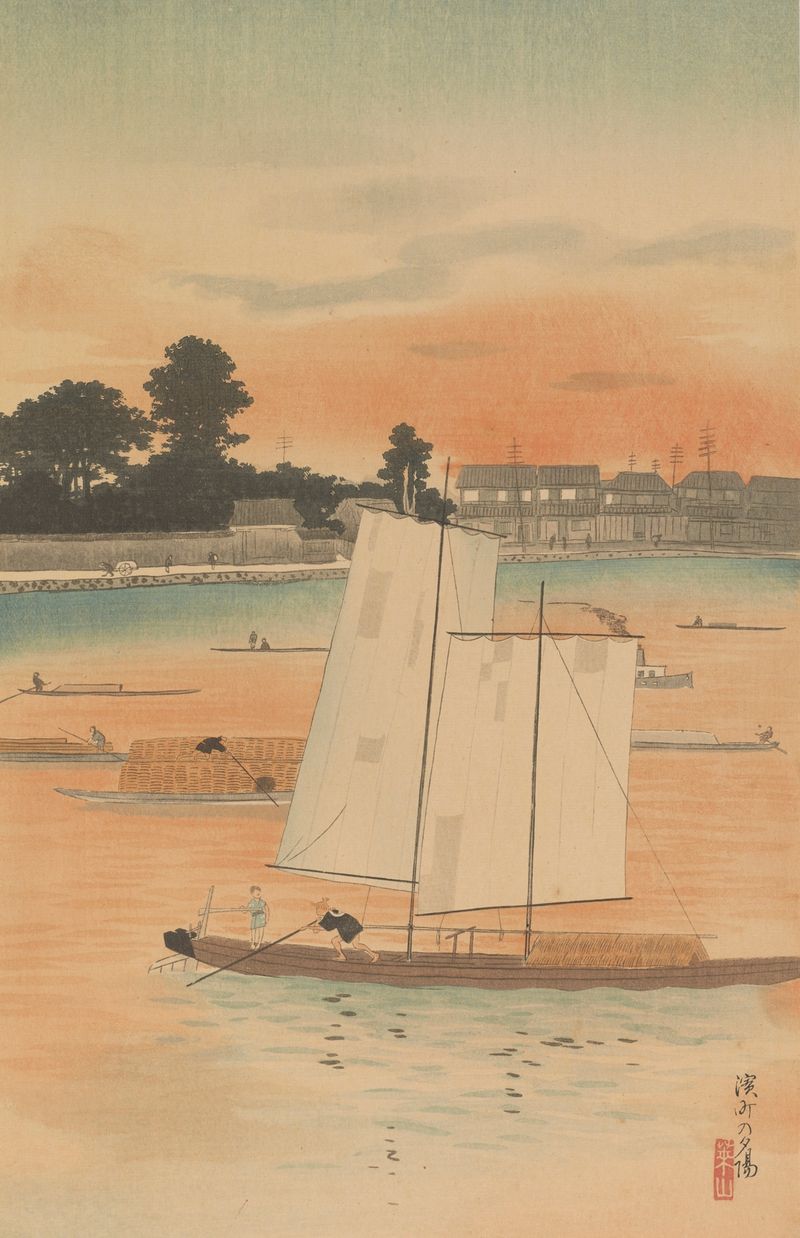
Sunset at Hamachō
Negoro Raizan

Ueno Takenodai
Negoro Raizan
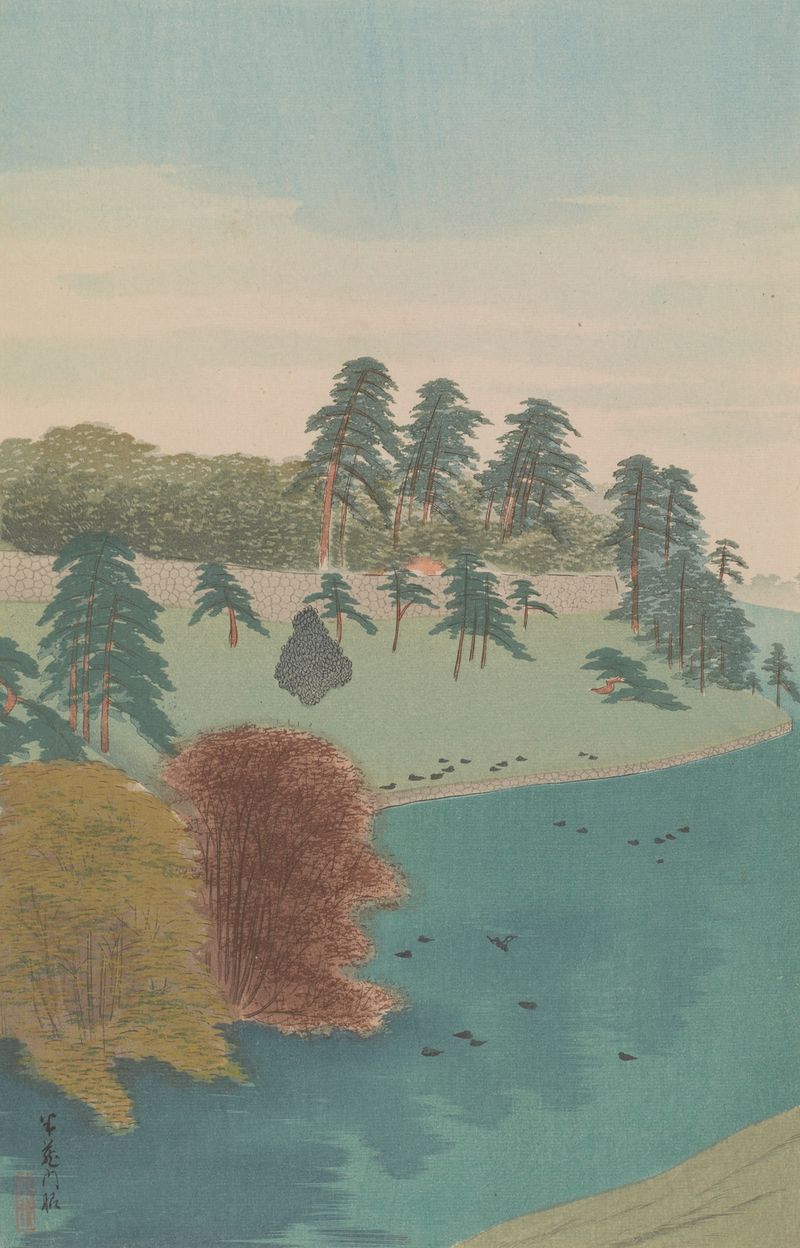
To the side of Hanzōmon gate
Negoro Raizan

Untitled
Negoro Raizan

Kinokunizaka
Negoro Raizan

Tennōji, Yanaka
Negoro Raizan
More Architecture Art
Browse all →
The statue of Liberty
Frédéric Auguste Bartholdi

View of Houses in Delft, Known as ‘The Little Street’
Johannes Vermeer

View of Houses in Delft, Known as ‘The Little Street’
Johannes Vermeer

The Cathedral in Rouen. The portal, Grey Weather
Claude Monet

The yellow house
Vincent van Gogh

The Church in Auvers-sur-Oise, View from the Chevet
Vincent van Gogh