
Meiji Shrine — History & Facts
What if beauty was never meant to be finished? In the intricate layers of Meiji Shrine, chaos finds harmony, inviting us to ponder the ephemerality of perfection. Look closely at the vibrant reds and deep greens that envelop the scene; the colors breathe life into the surrounding tranquility. Notice how the light dances through the trees, casting a delicate interplay of shadow and illumination across the path leading to the shrine. This juxtaposition of vivid hues against the serene browns of the earth grounds the viewer, while the brushwork seems to pulse with energy, drawing the eye deeper into the immersive landscape. Beneath the surface of this serene setting lies a tension between the natural and the man-made.
The shrine emerges as a sanctuary amid the chaotic embrace of nature, representing resilience amidst life's unpredictability. The deliberate splashes of color suggest a fleeting moment captured in time, where chaos is embraced rather than resisted, revealing the beauty in imperfection. Here, every stroke speaks to the harmony of existence, reflecting the transient nature of beauty itself. In 1922, Negoro Raizan created Meiji Shrine during a period of great cultural transformation in Japan, as the country transitioned into modernity.
Influenced by the shifting landscapes of art and society, he sought to encapsulate this complex relationship between tradition and change. This piece reflects not only his personal journey but also the broader narrative of a nation responding to chaos with artistic expression.
More Artworks by Negoro Raizan
Browse all →
Ochanomizu Bridge
Negoro Raizan

Asakusa Temple
Negoro Raizan
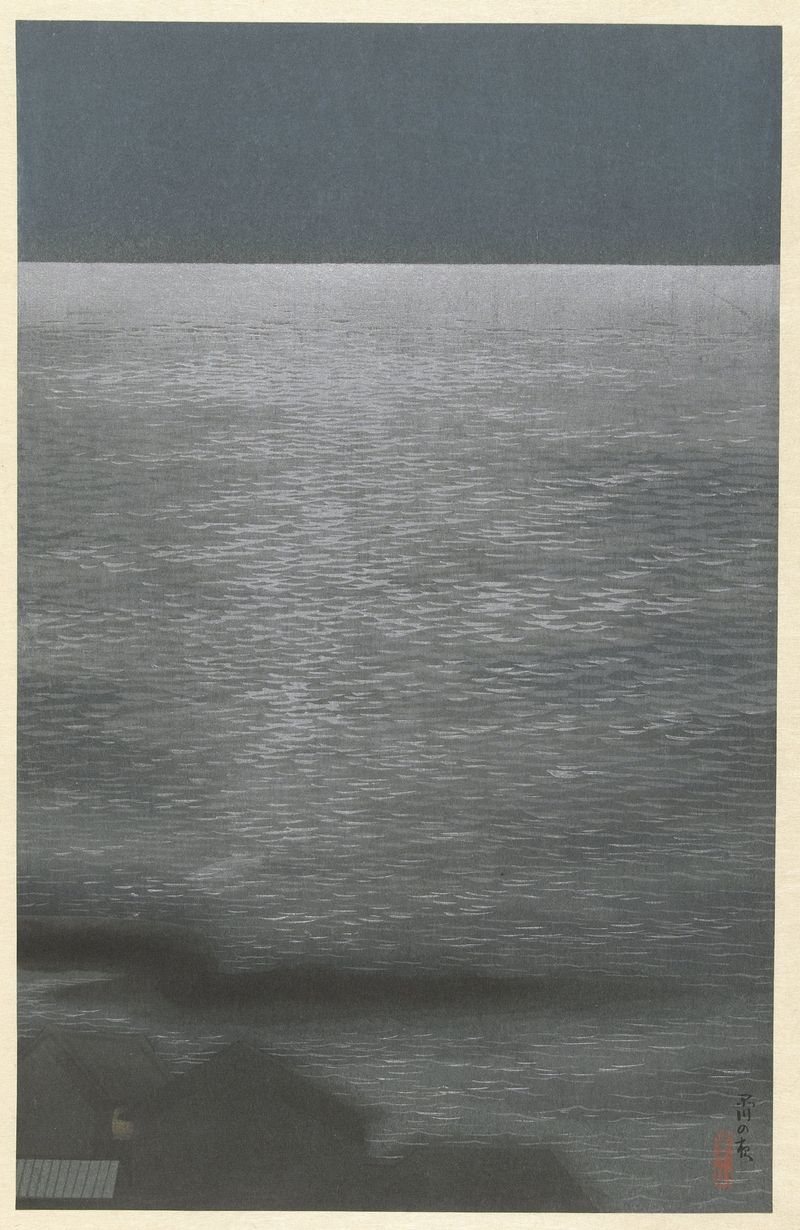
Nacht in Shinagawa
Negoro Raizan
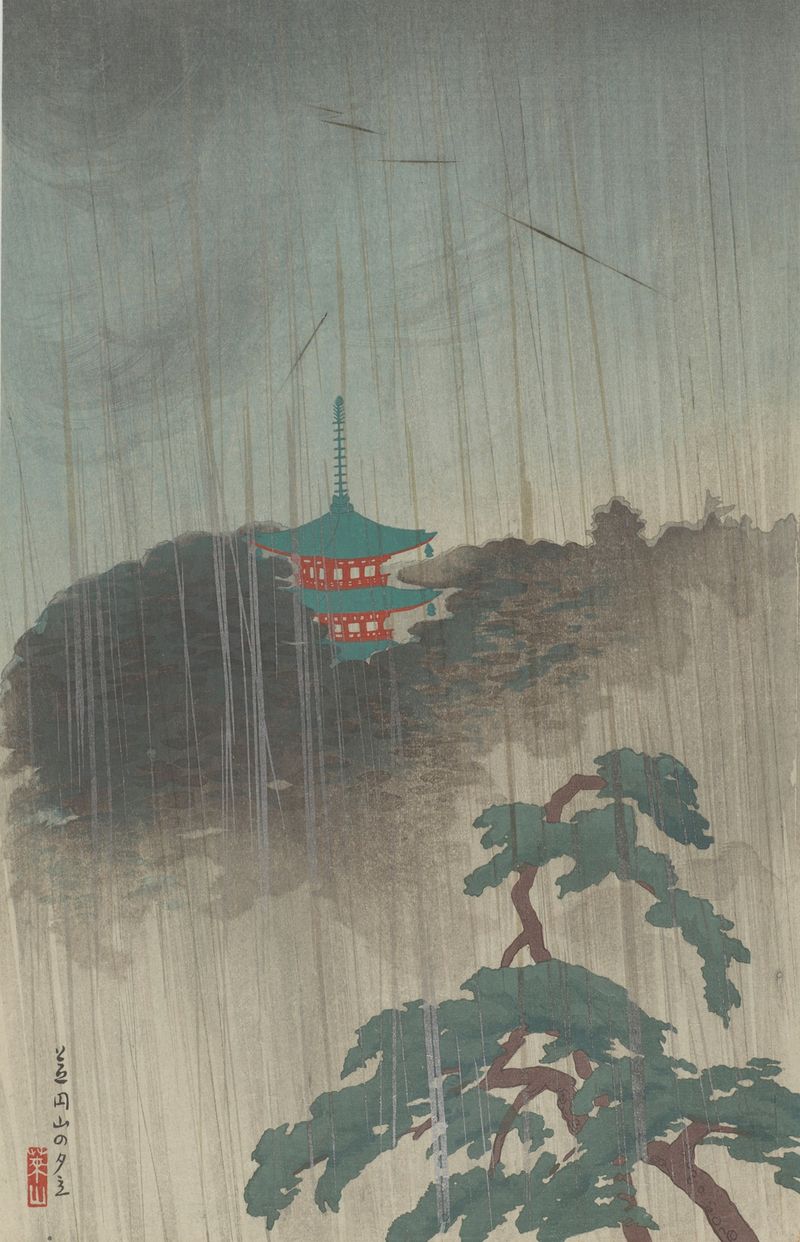
Evening Rain at Maruyama, Shiba
Negoro Raizan
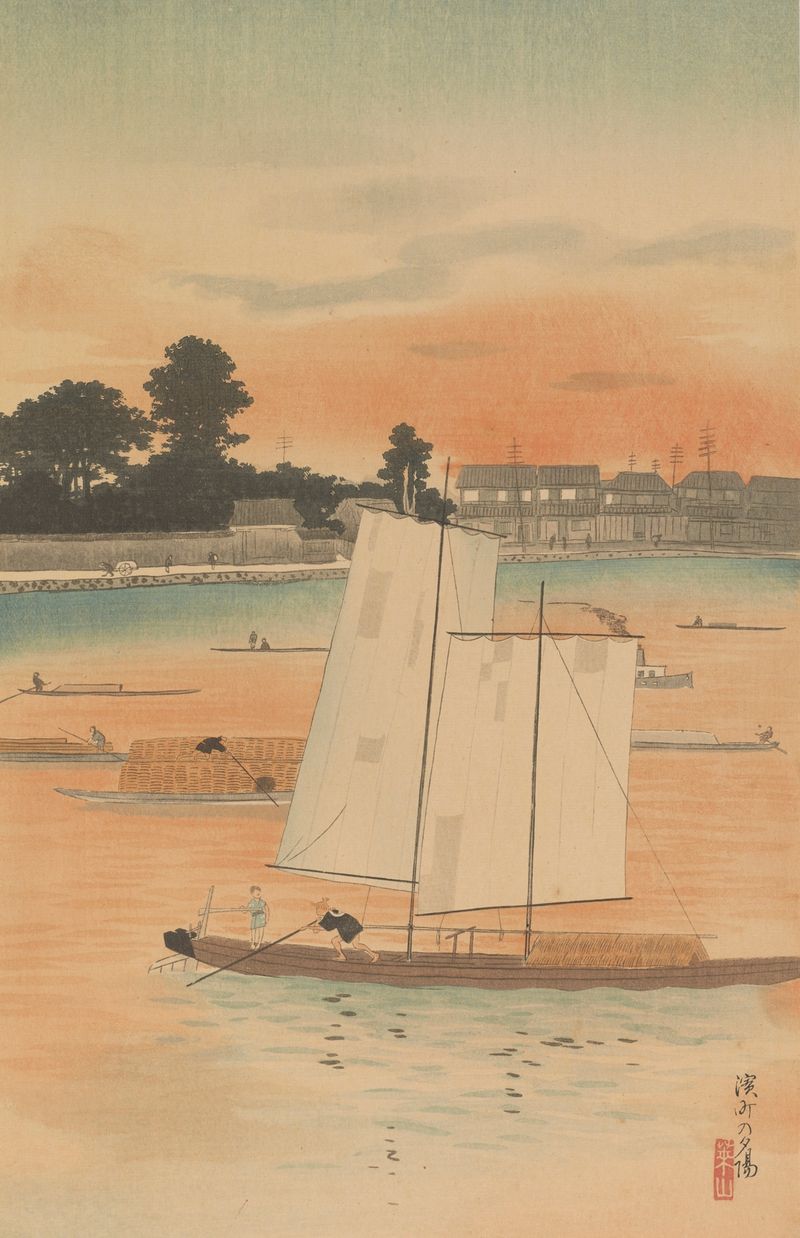
Sunset at Hamachō
Negoro Raizan

Ueno Takenodai
Negoro Raizan
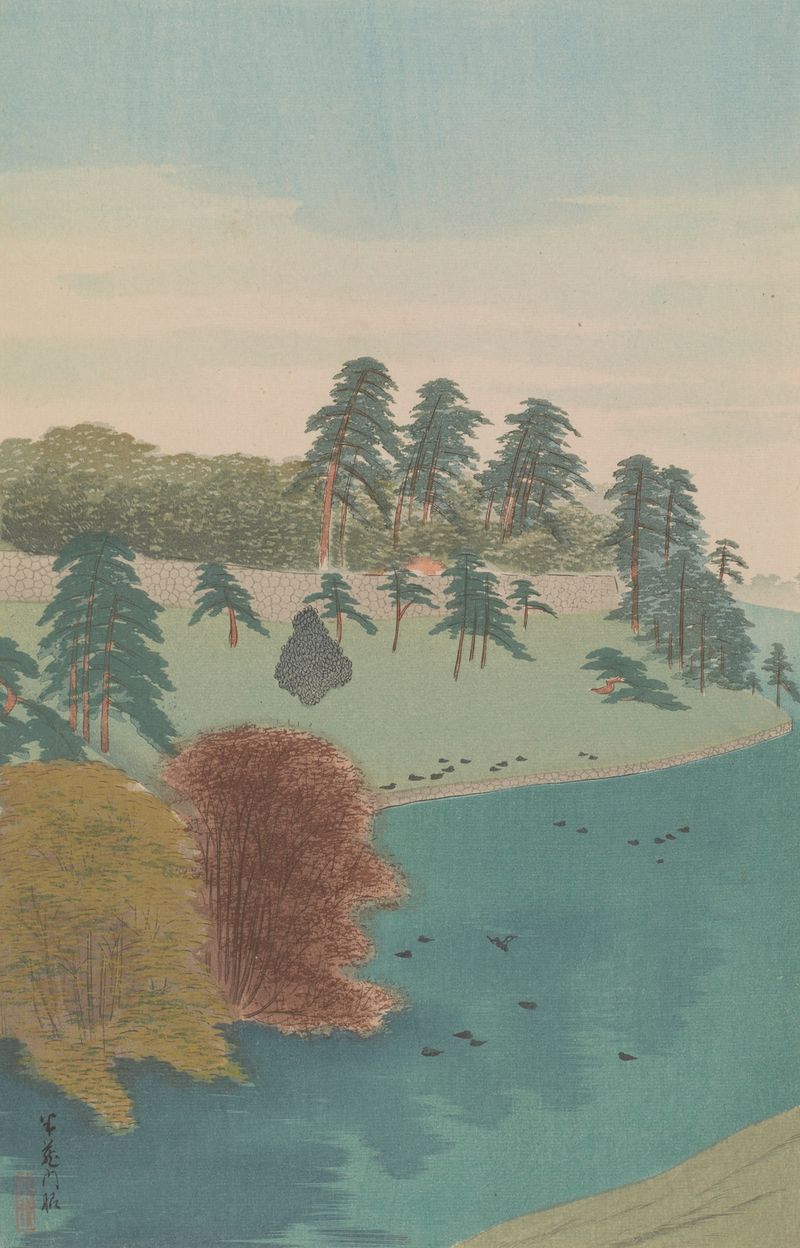
To the side of Hanzōmon gate
Negoro Raizan

Untitled
Negoro Raizan

Kinokunizaka
Negoro Raizan

Tennōji, Yanaka
Negoro Raizan





