
Asama Shrine in Shizuoka — History & Facts
In the embrace of nature and architecture, one finds a poignant dialogue between permanence and decay. In this serene moment, the Asama Shrine stands resilient, yet tenderly kissed by the ravages of time, hinting at the fragility of existence. Focus on the delicate cherry blossoms that frame the shrine, their gentle pink hues contrasting with the muted grays of the wooden structure. Notice how the light filters through the leaves, casting shadows that dance on the ground, suggesting the passage of seasons.
The artist's meticulous brushwork conveys a sense of tranquility, while the earthy palette evokes nostalgia, drawing the viewer deeper into the sacred space. The juxtaposition of the shrine’s sturdy architecture against the ephemeral beauty of the blossoms speaks to the tension between life and decay. Each petal, while vibrant, foreshadows the inevitable fading, embodying the transient nature of beauty. The lush greenery surrounding the structure serves as a reminder of renewal, hinting that even in decline, there lies a cycle of rebirth, resonating with the cycles of human experience. In 1934, Kawase Hasui created this artwork amidst a growing appreciation for Shin-hanga, a movement that sought to blend traditional Japanese aesthetics with Western techniques.
Living in a time of significant social change in Japan, he captured the essence of a landscape that reflected both personal and collective memory—a sanctuary that stands as a testament to enduring spirit even as it quietly succumbs to the influence of time.
More Artworks by Kawase Hasui
Browse all →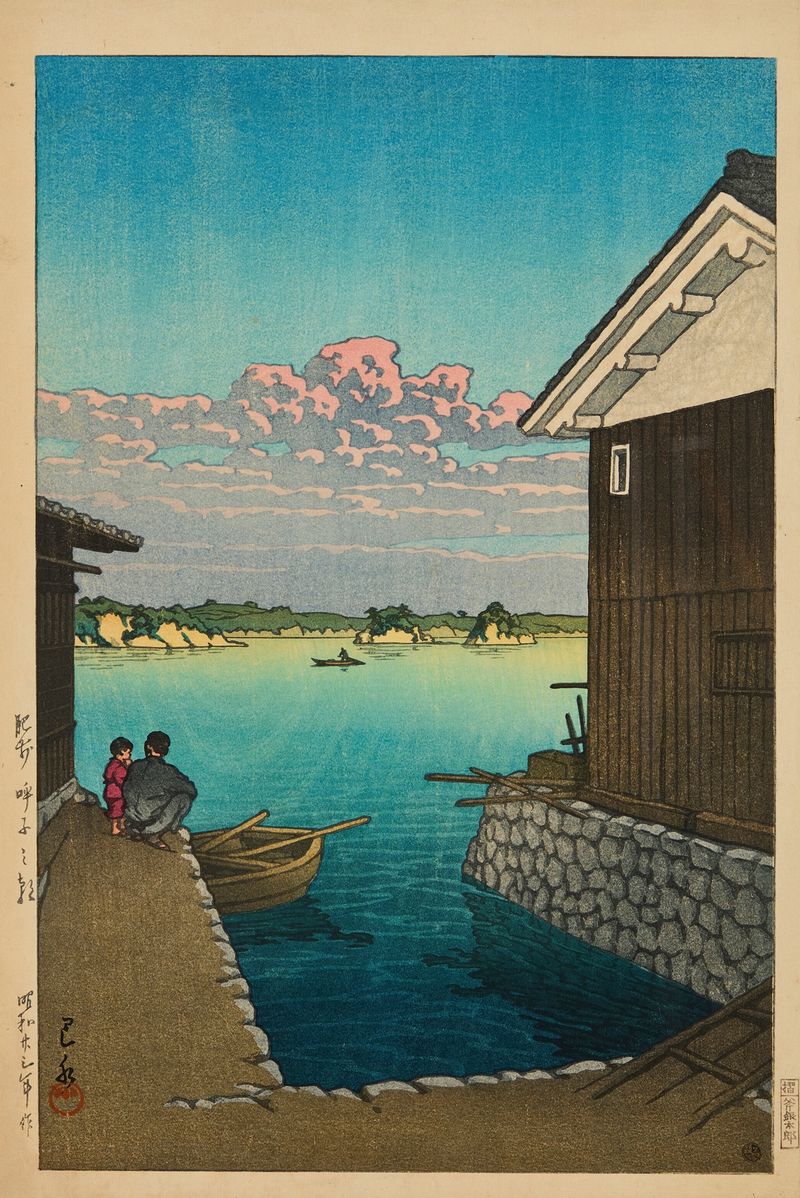
Hizen Yobuko no asa (Morning in Yobuko, Hizen)
Kawase Hasui
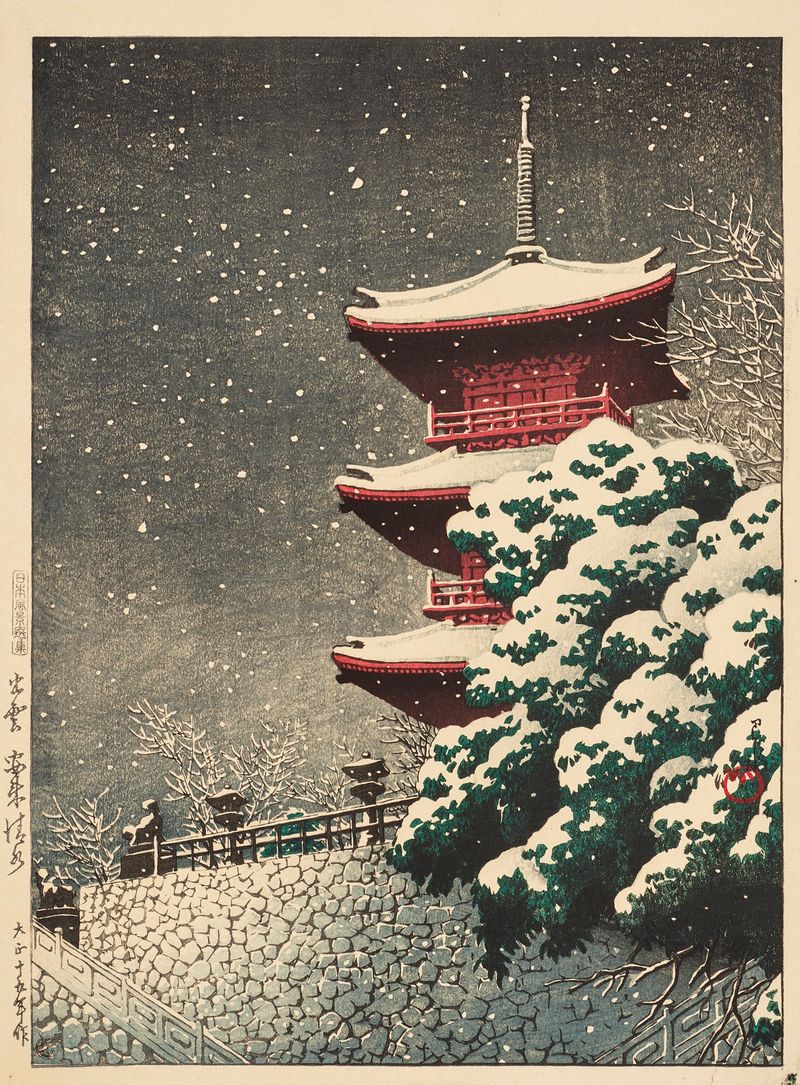
Izumo, Yasugi Kiyomizu (Yasugi Kiyomizu Temple at Izumo)
Kawase Hasui
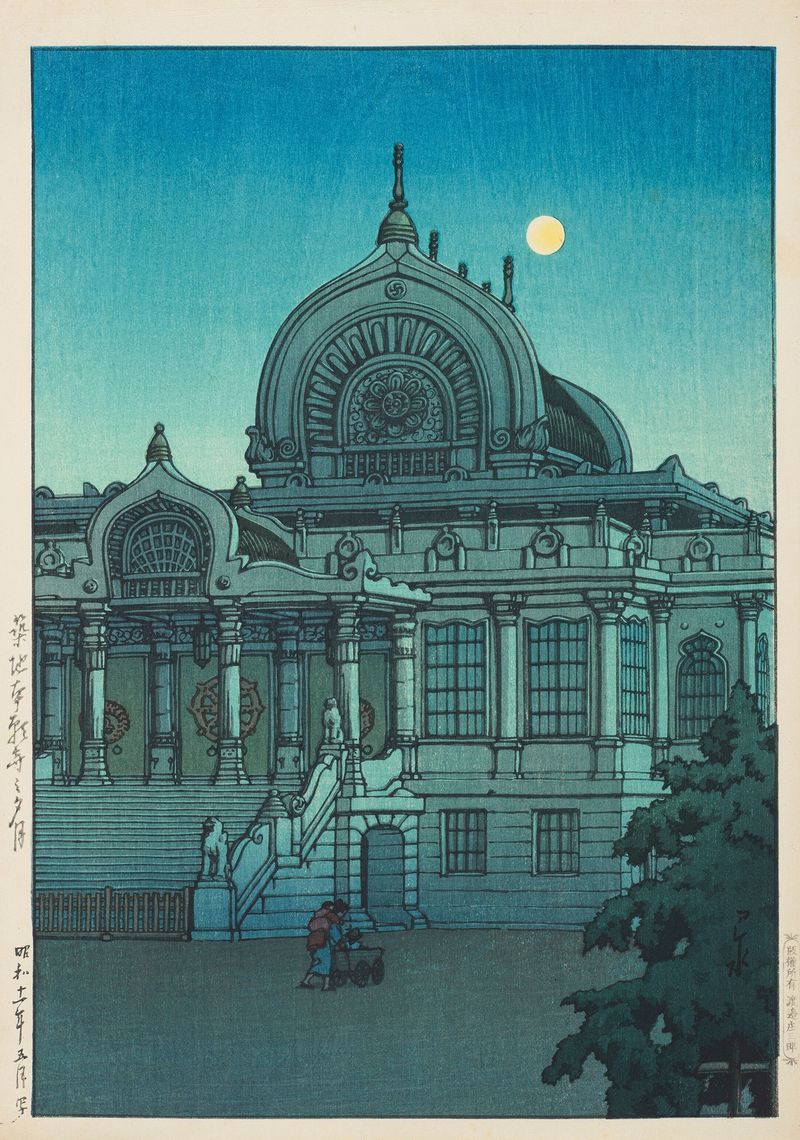
Tsukiji Honganji no yuzuki (Evening moon at Honganji Temple in Tsukiji)
Kawase Hasui
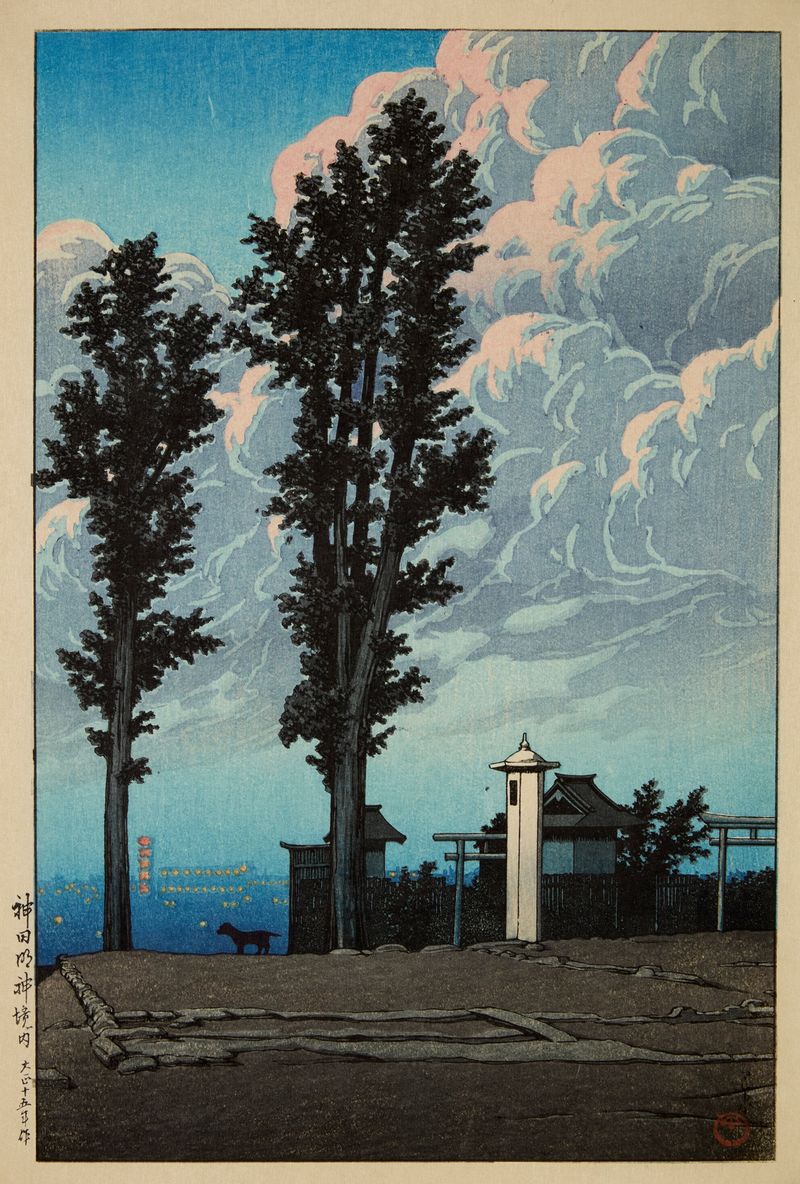
Kanda Myojin keidai (Kanda Myojin Shrine precent)
Kawase Hasui
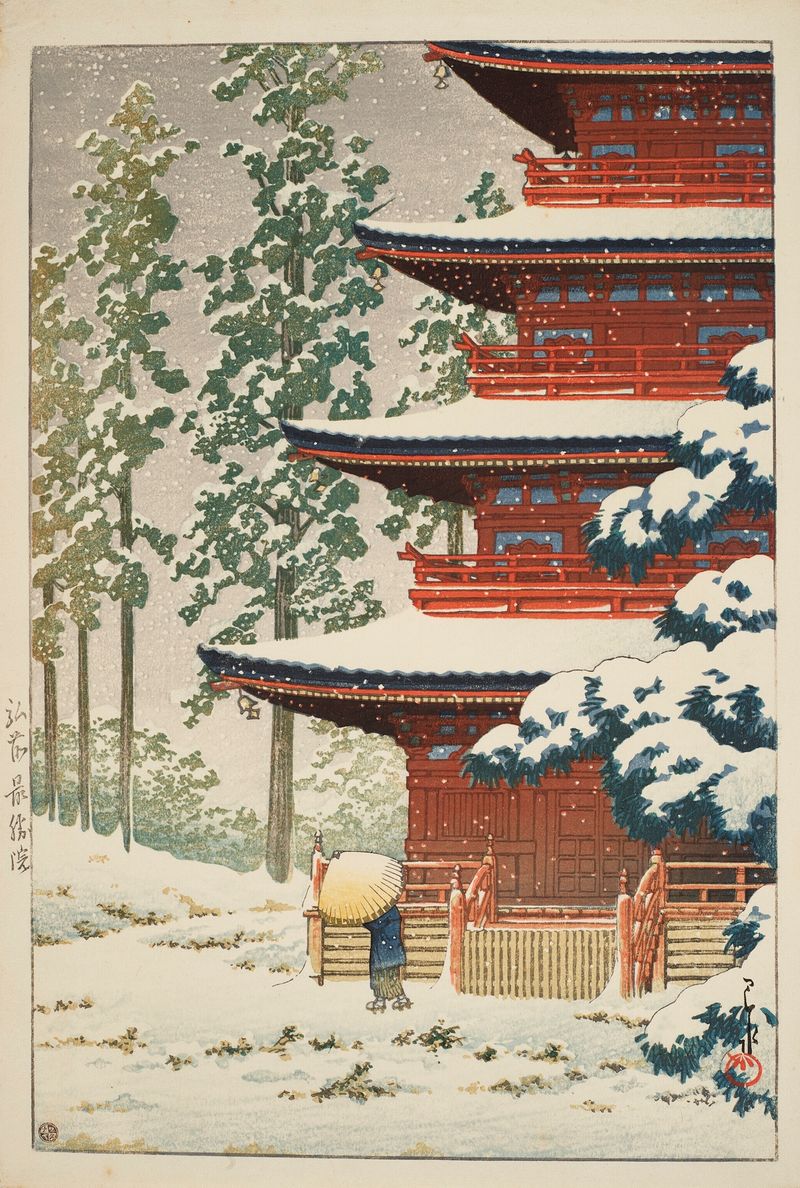
Saisho-in Temple, Hirosaki
Kawase Hasui
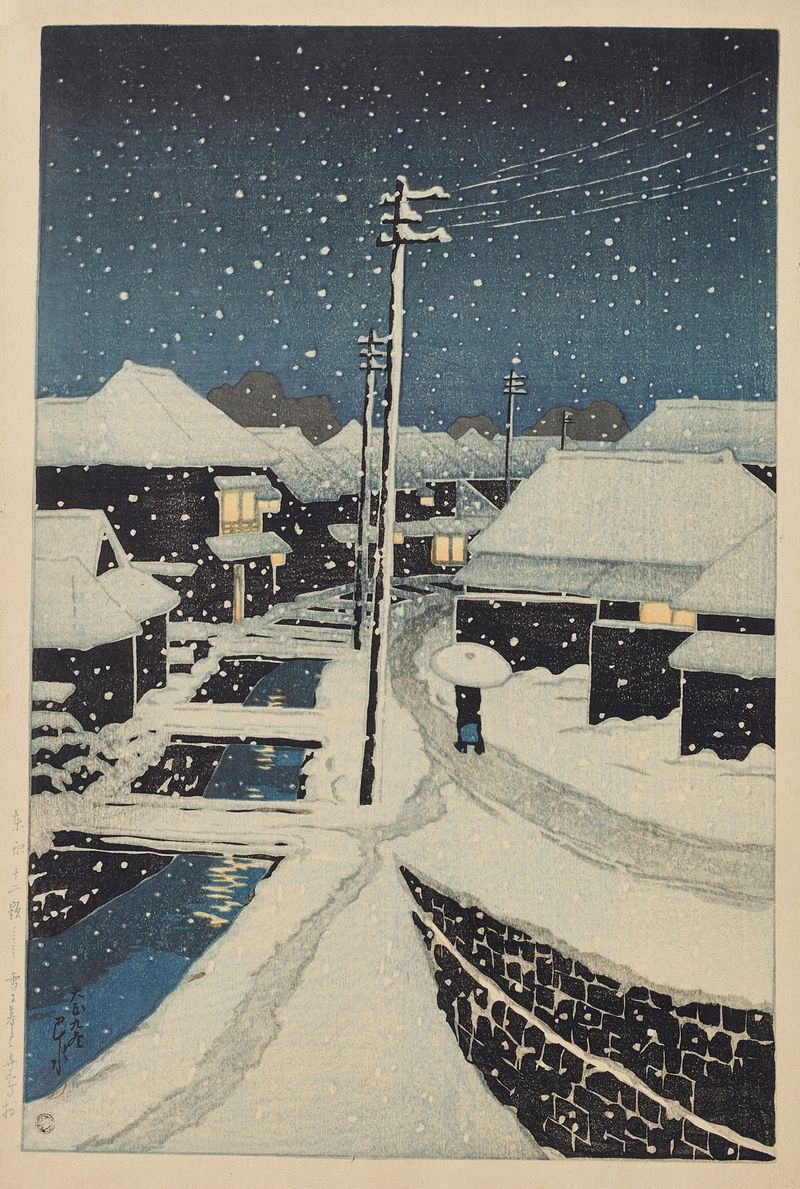
Yuki ni fururu Terajima mura (Evening snow at Terajima Village)
Kawase Hasui
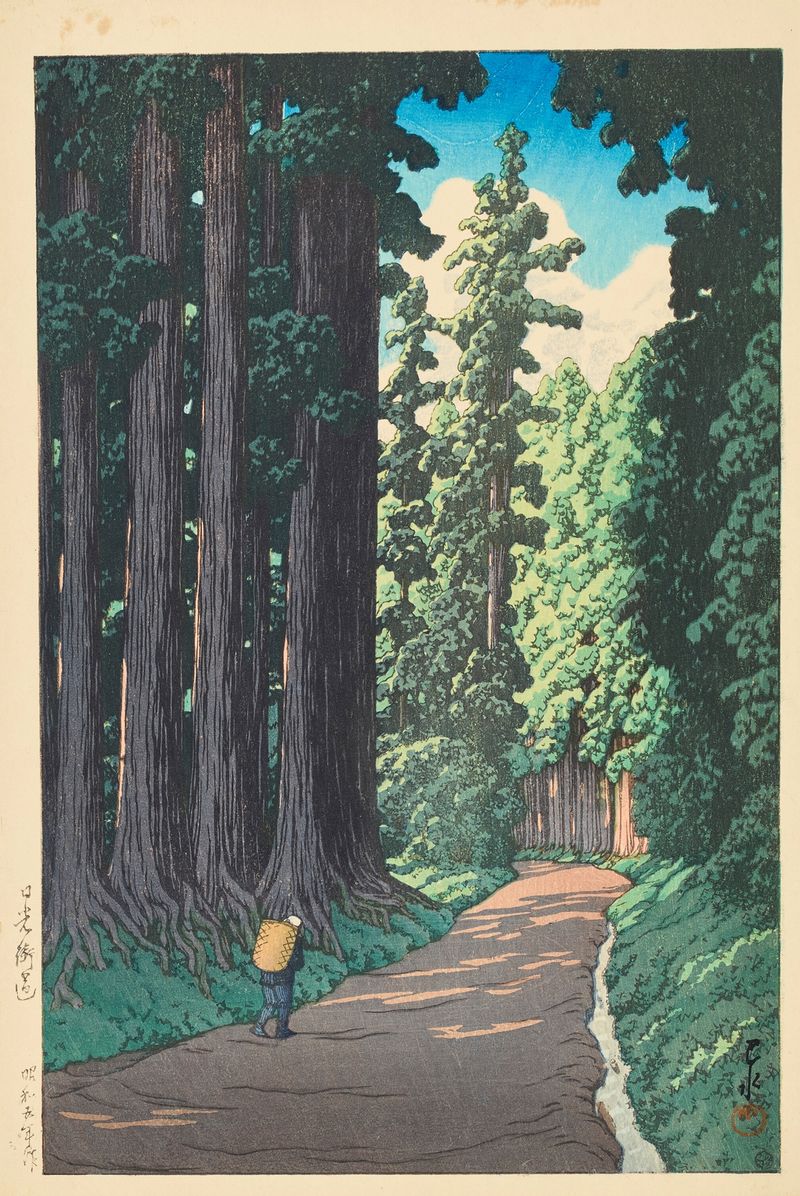
Nikko gaido (The Road to Nikko)
Kawase Hasui
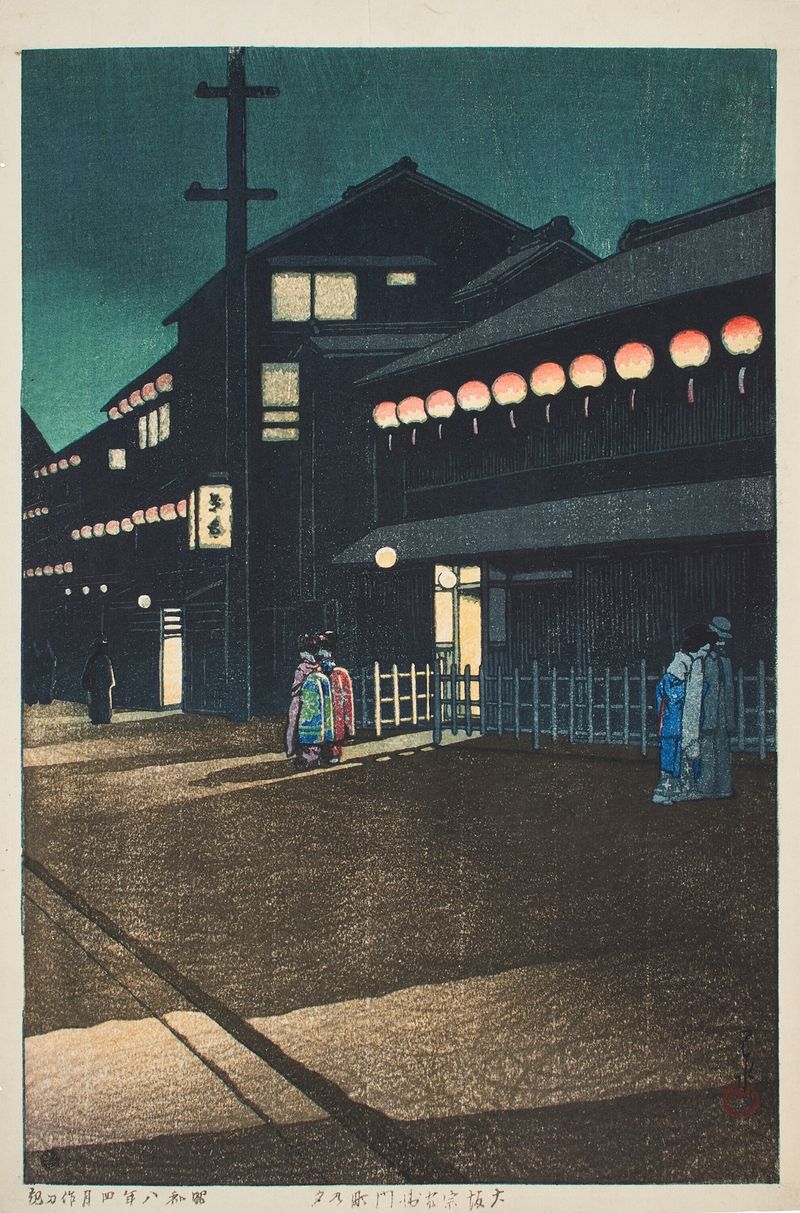
Osaka Soemon-cho no yu (Evening in Soemon-cho, Osaka)
Kawase Hasui
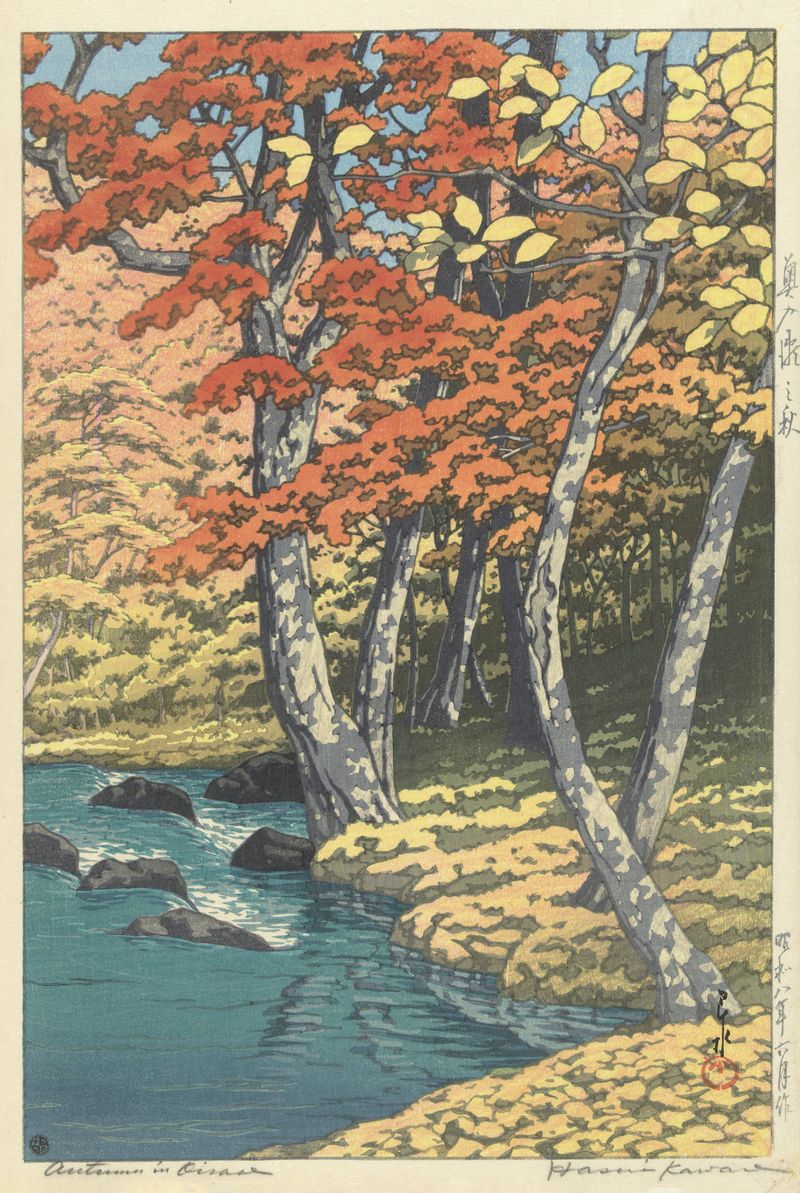
Autumn In Oirase
Kawase Hasui
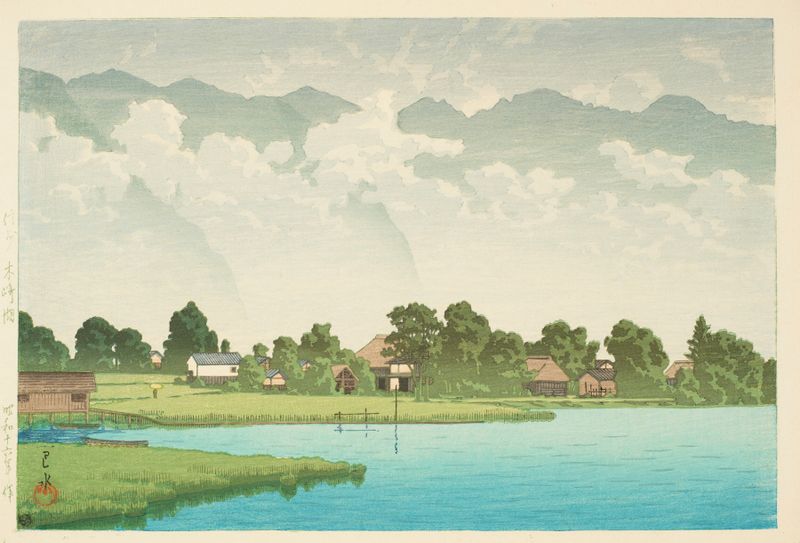
Shinshu Kizakiko (Kizaki Lake in Shinshu)
Kawase Hasui
More Architecture Art
Browse all →
The statue of Liberty
Frédéric Auguste Bartholdi

View of Houses in Delft, Known as ‘The Little Street’
Johannes Vermeer

View of Houses in Delft, Known as ‘The Little Street’
Johannes Vermeer

The Cathedral in Rouen. The portal, Grey Weather
Claude Monet

The yellow house
Vincent van Gogh

The Church in Auvers-sur-Oise, View from the Chevet
Vincent van Gogh