Aspen House, Aspen, Colorado, Interior — History & Facts
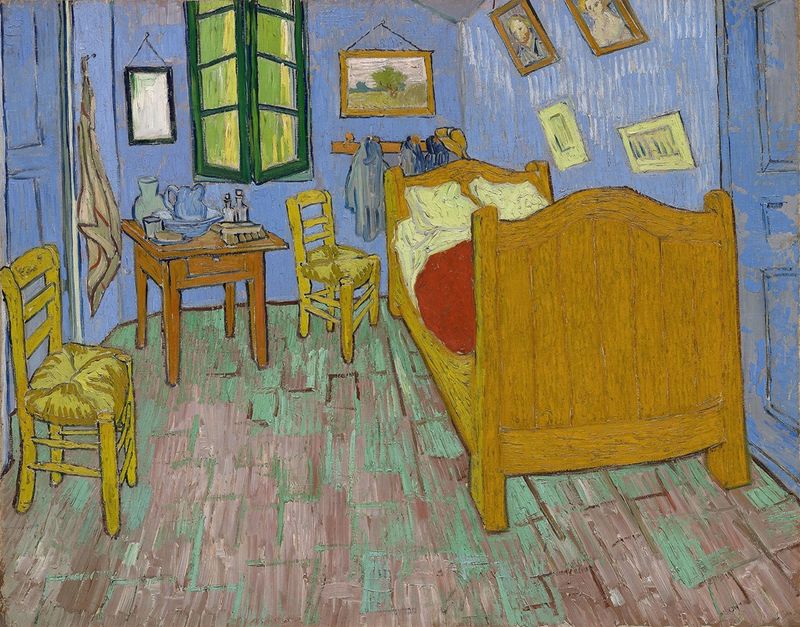
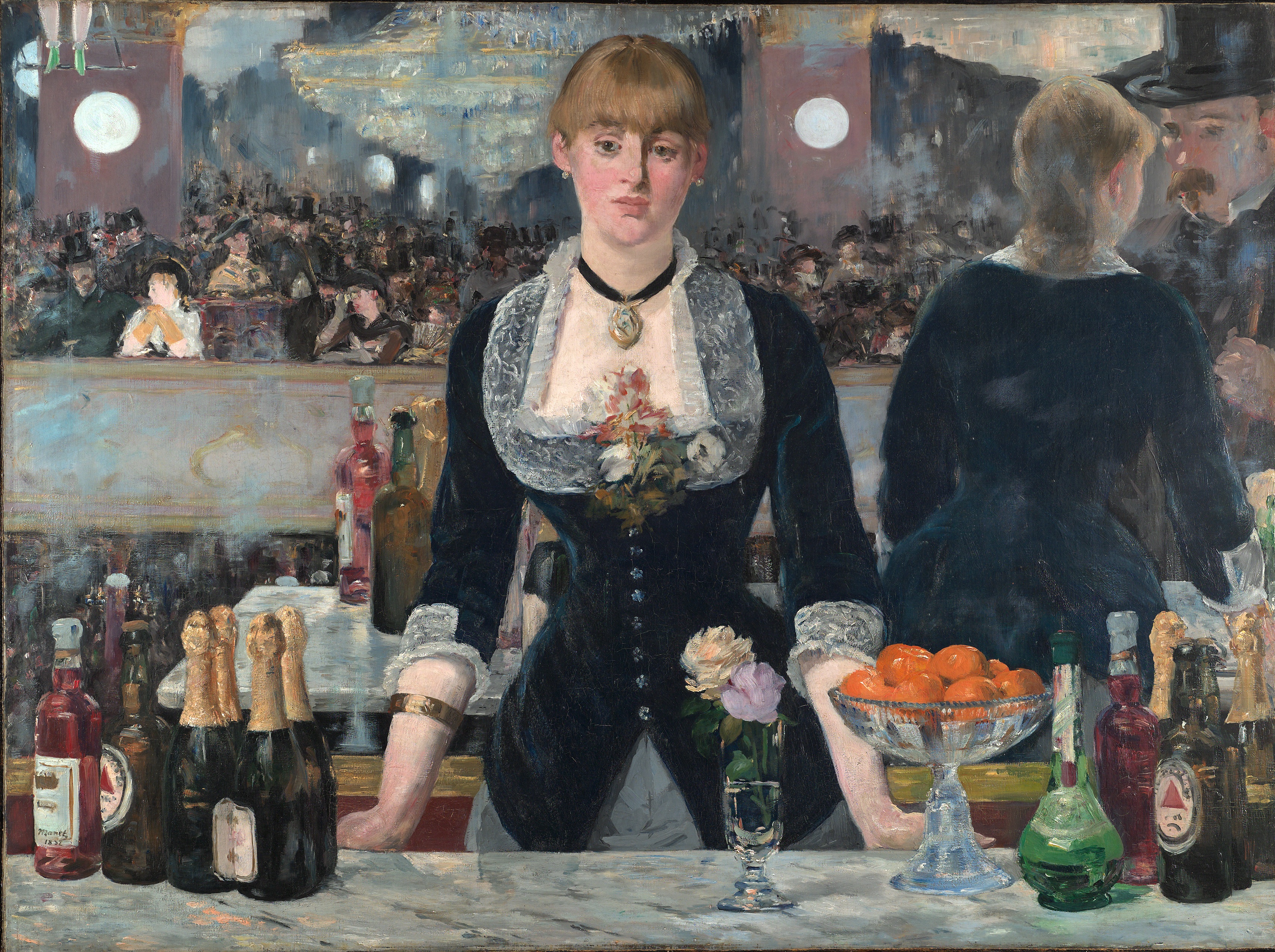
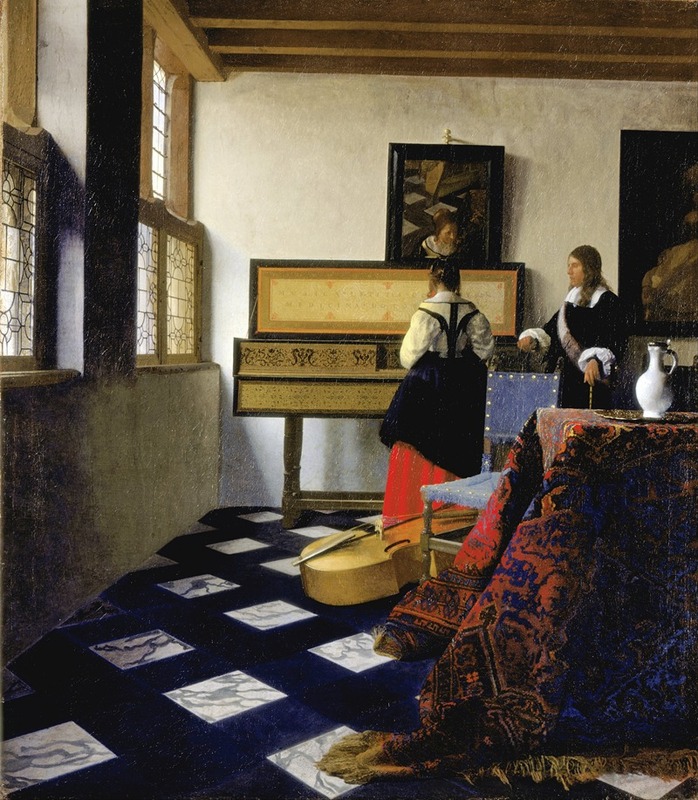
In the stillness of a moment, the hues of decay tell stories untold, evoking an unsettling beauty that lingers beyond mere observation. Look to the left at the gentle interplay of light filtering through the window, casting elongated shadows across a room that seems both inviting and abandoned. The palette, a blend of soft earth tones and muted pastels, envelops the viewer in a warm embrace, while the stark outlines of furniture suggest a life once vibrant, now faded. Notice how the textures of the walls, crumbling yet rich, bring depth to the composition, hinting at the passage of time and the stories held within these four walls. The juxtaposition of light and shadow reveals an emotional tension that speaks to the impermanence of life.
Elements of decay intertwine with the essence of home, suggesting not just physical deterioration, but also the silent retreat of memory and presence. The subtle disarray of the space hints at abandonment, evoking a sense of nostalgia while simultaneously presenting a stark reminder of fragility and the inevitability of change. Victor Alfred Lundy created this work in 2006 during a time when he was exploring architecture and interior spaces through painting, capturing the essence of the American experience. At this juncture in his life, he was reflecting on the intersection of human existence and the environments we inhabit, utilizing his signature style to emphasize both beauty and decay.
The world of art was witnessing a resurgence of interest in architectural forms, allowing Lundy’s work to resonate deeply with contemporary themes of memory, loss, and resilience.
More Artworks by Victor Alfred Lundy
Browse all →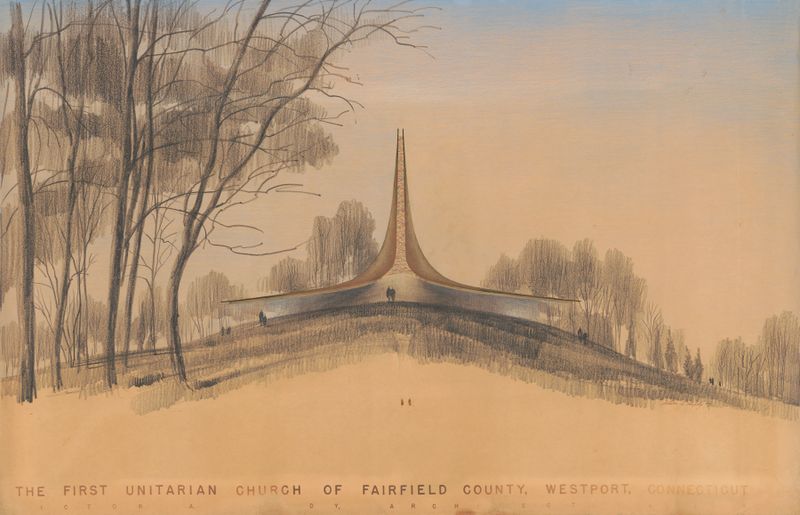
First Unitarian Church, Westport, Connecticut, Exterior
Victor Alfred Lundy

Residence for Mr. and Mrs. Ben Heller, East Hampton, Long Island, New York, Beach site
Victor Alfred Lundy
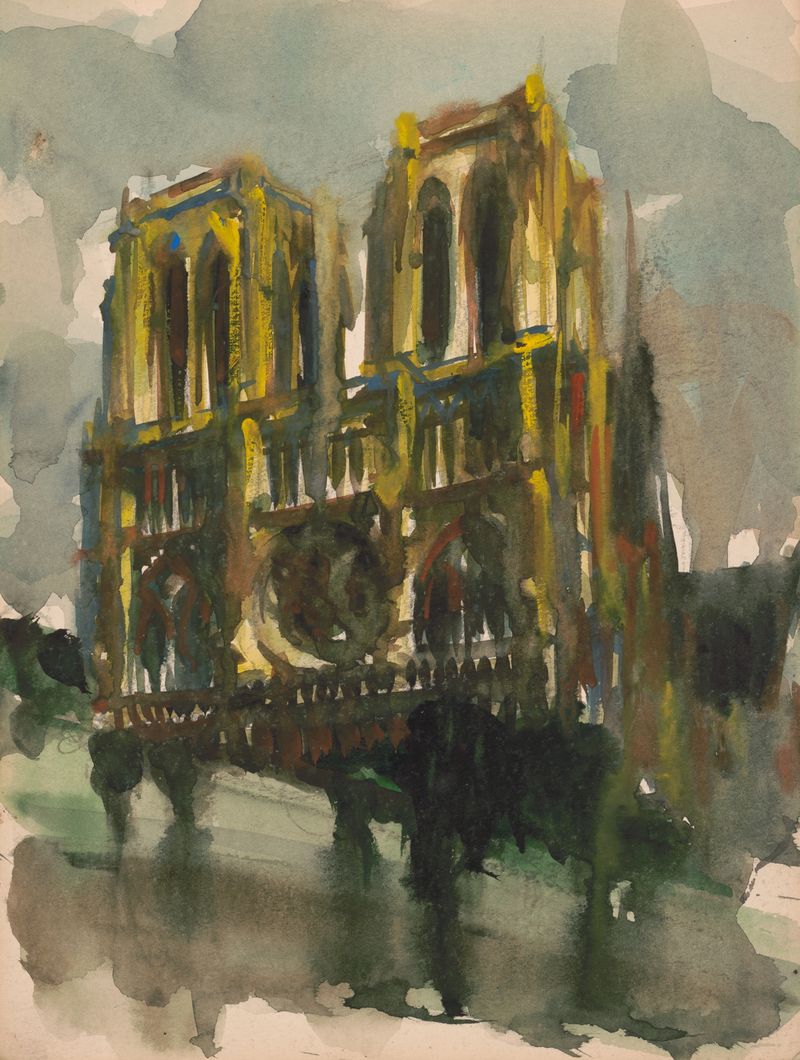
Notre Dame, Paris
Victor Alfred Lundy

Church on plaza, Mexico
Victor Alfred Lundy

Rue Saint Julien le Pauvre, Paris 5e
Victor Alfred Lundy
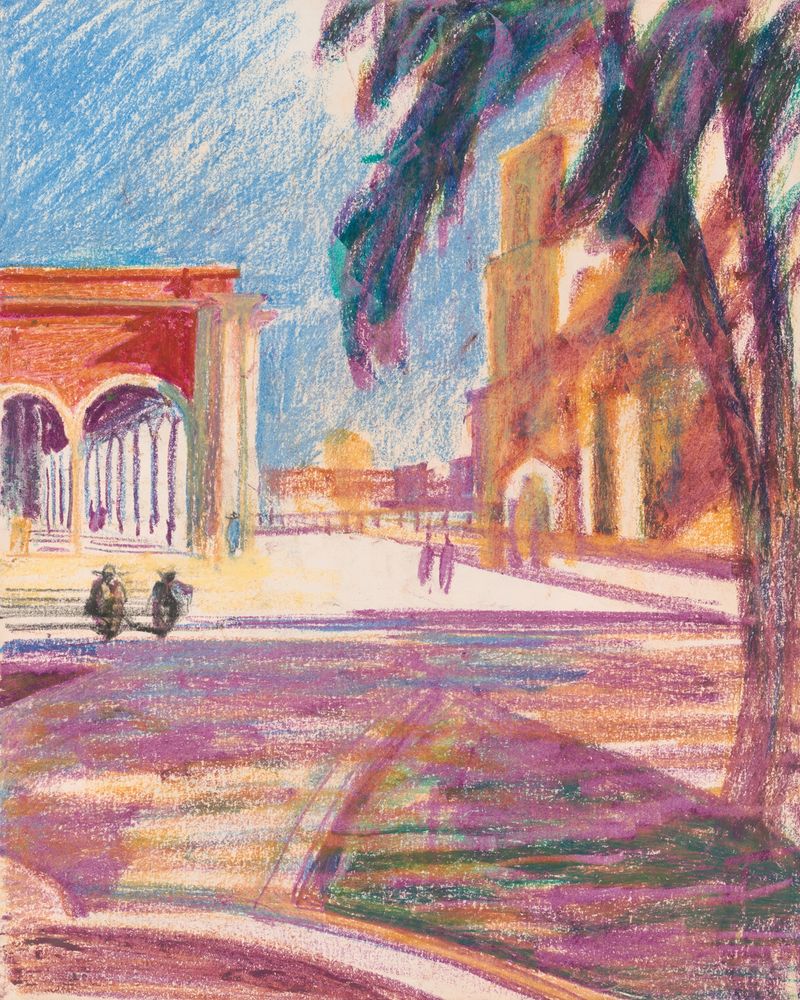
Plaza, Nochistlá́n, Mexico
Victor Alfred Lundy

Temple of Luxor
Victor Alfred Lundy

Trevi Fountain, Rome, Italy
Victor Alfred Lundy
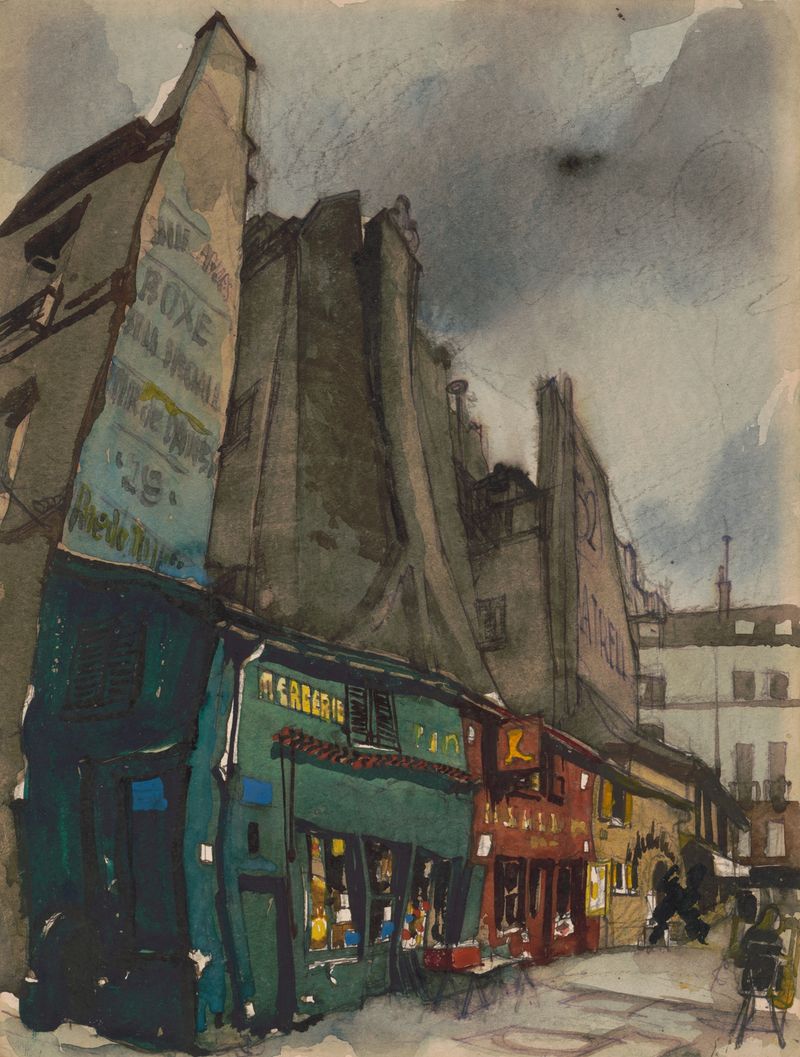
Place St. André des Arts, Paris between Rue Suger & Rue St. André des Arts
Victor Alfred Lundy
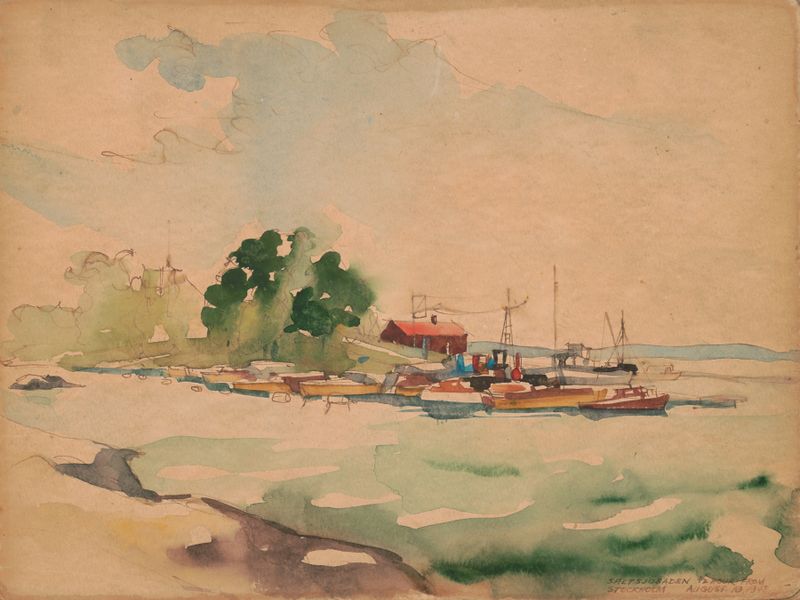
Saltsjöbaden, Half hour from Stockholm
Victor Alfred Lundy