
Assumption Of The Virgin — History & Facts
In Assumption of the Virgin, Guercino depicts the Virgin Mary ascending into heaven surrounded by angels. The colors are vibrant, with rich blues and golds dominating the scene. The figures are dynamic, creating a sense of movement as they rise.
The setting is filled with clouds, enhancing the celestial atmosphere of the painting. The painting is executed in oil on canvas, a common medium for the Baroque period. Viewers can observe Guercino's skillful use of light and shadow, known as chiaroscuro, to create depth. The composition is carefully arranged, with the Virgin at the center, drawing the viewer's eye upward.
The dimensions are approximately 200 x 300 cm, making it a large and impactful work. Guercino, an Italian Baroque painter, was known for his dramatic compositions and emotional depth. The Assumption of the Virgin was created in the 1640s, during a time when the Catholic Church commissioned many works to inspire faith. An interesting fact about this painting is its placement in the Museo di Capodimonte, which houses many of his significant works.
This piece reflects the artist's ability to convey spirituality through vibrant colors and dynamic forms.
More Artworks by Guercino

The Entombment
Guercino
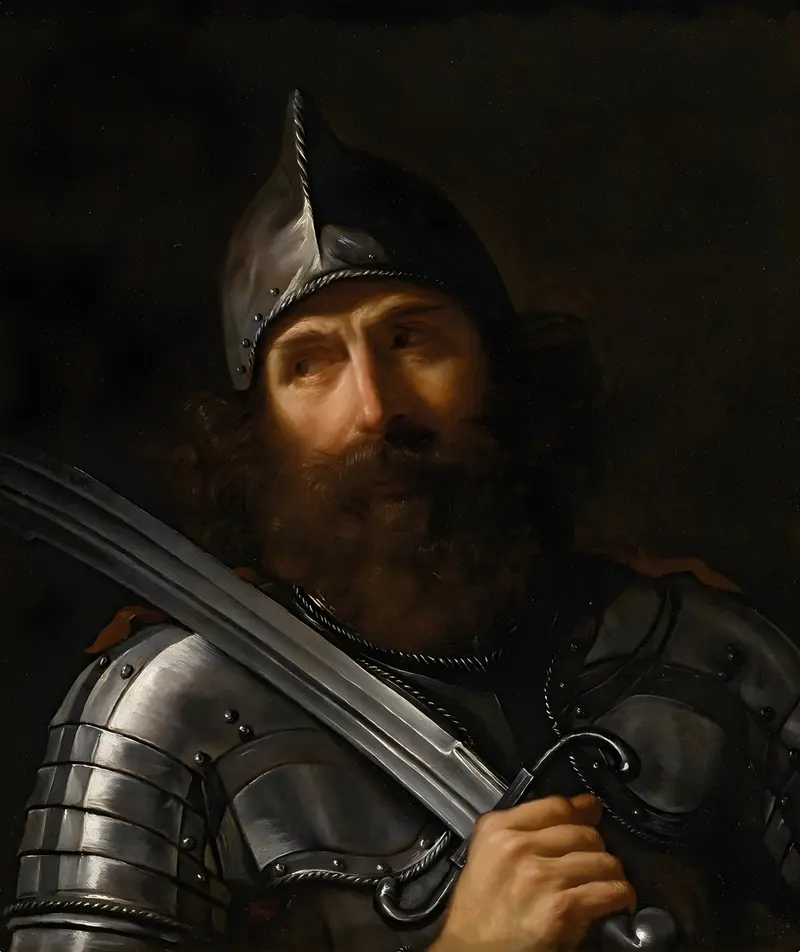
Mars
Guercino
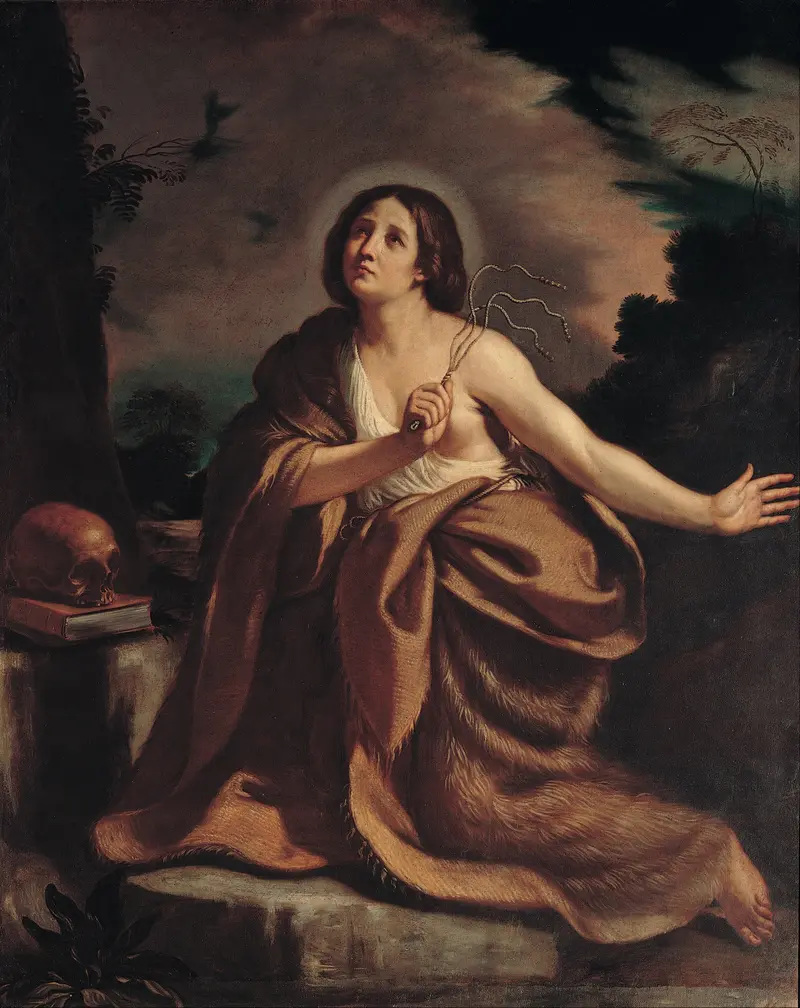
Penitent Magdalene
Guercino
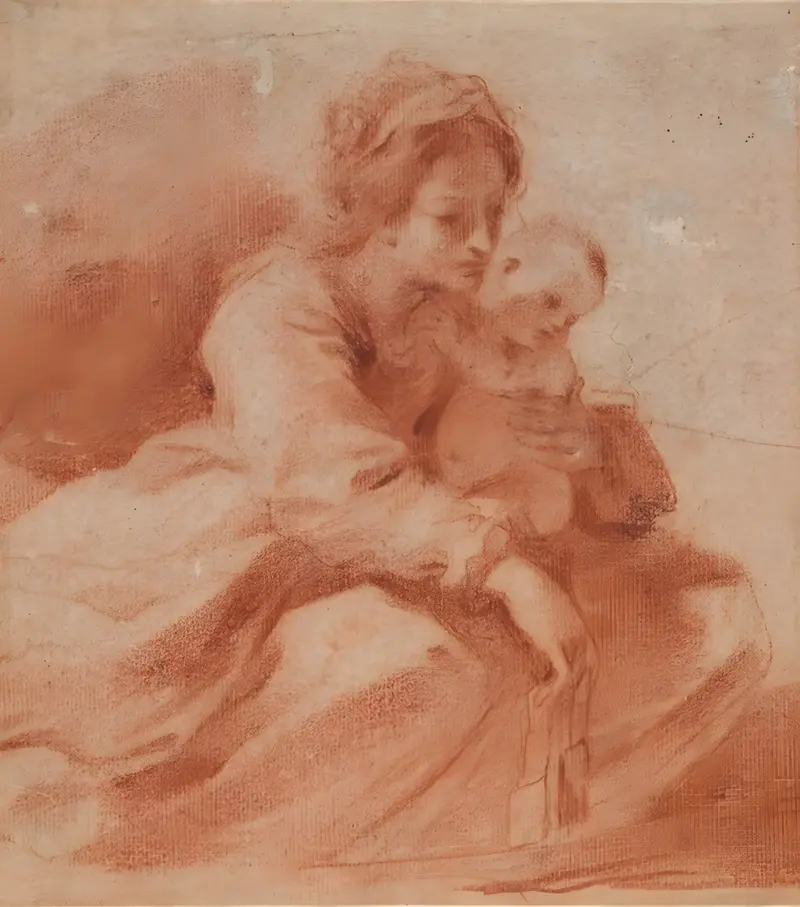
The Virgin and Child (for the Madonna del Carmine Presenting a Scapular to a Carmelite, in Cento’s Pinacoteca Civica, c.1615)
Guercino
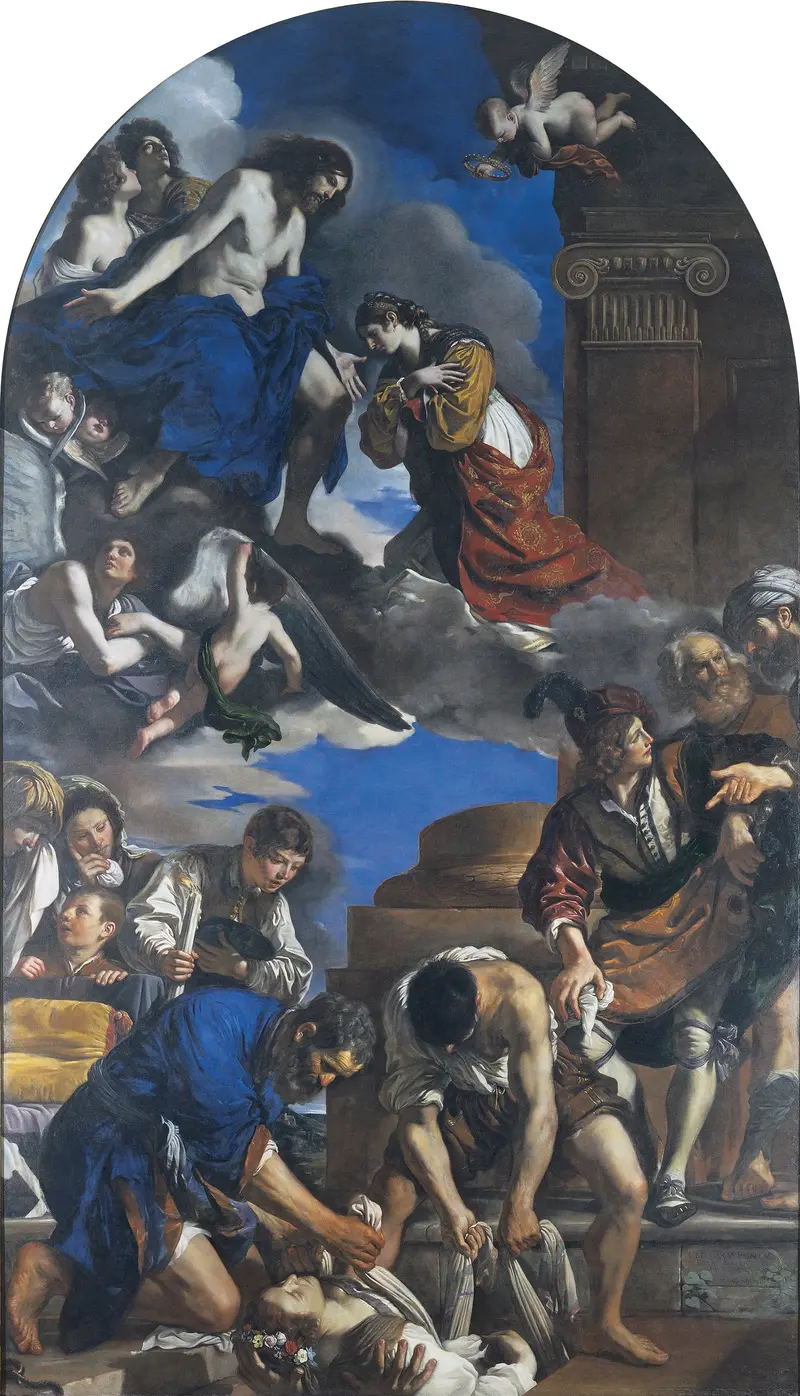
Burial of Saint Petronilla
Guercino
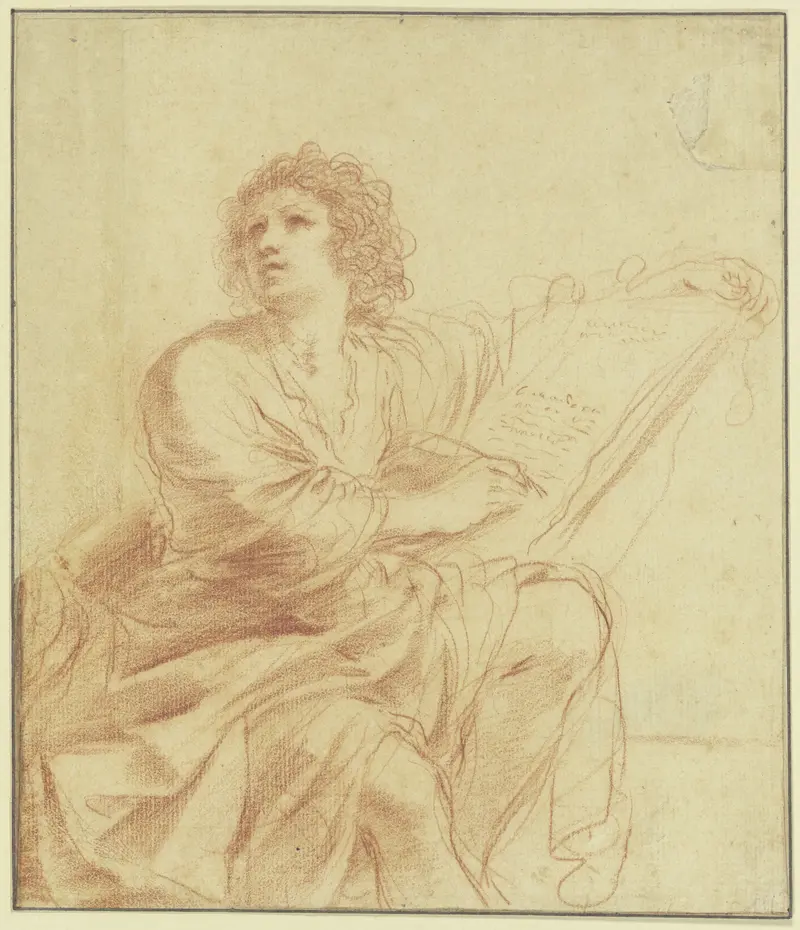
Johannes der Evangelist, sitzend und schreibend
Guercino
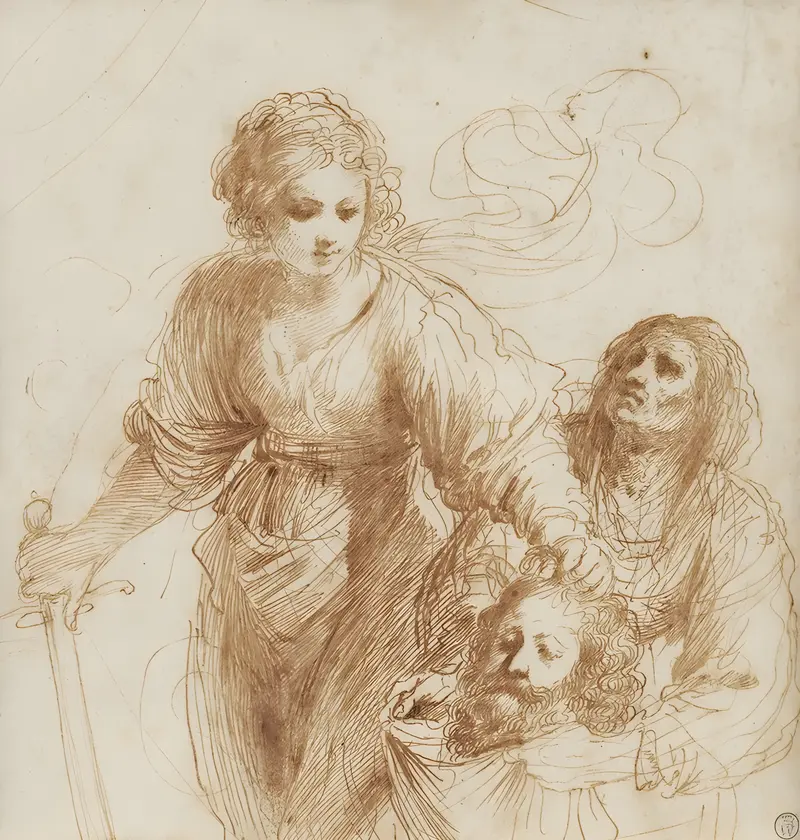
Judith with the Head of Holofernes
Guercino
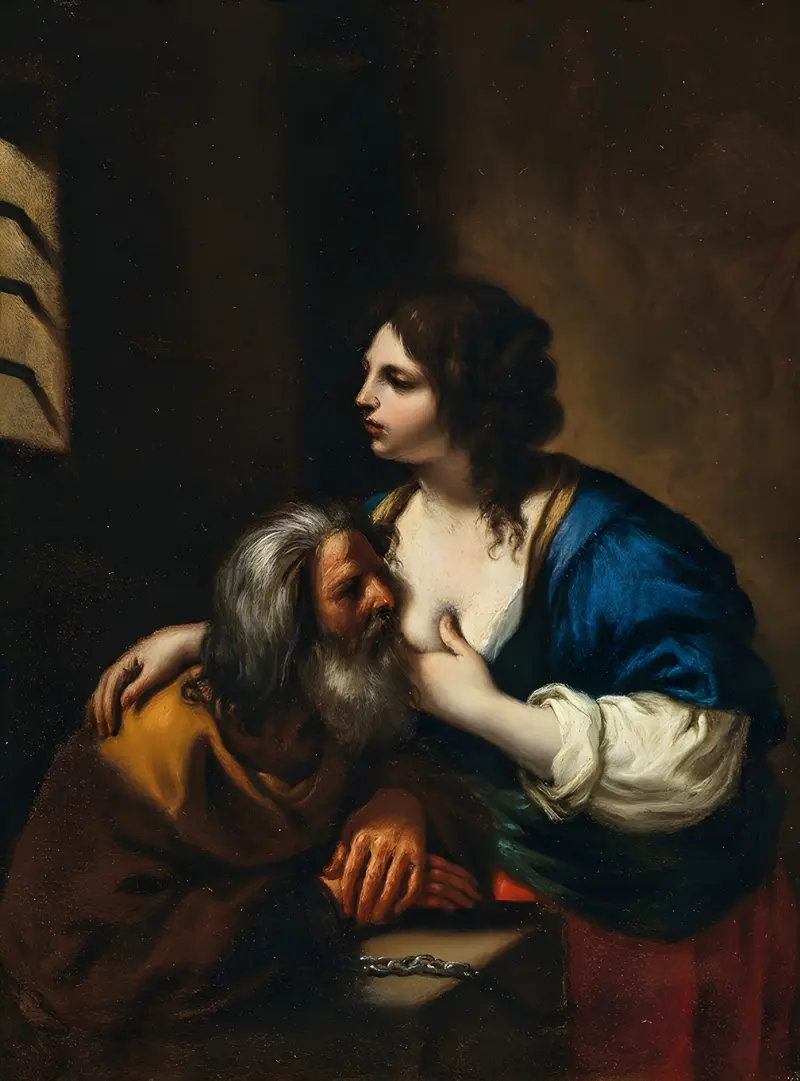
Caritas Romana
Guercino
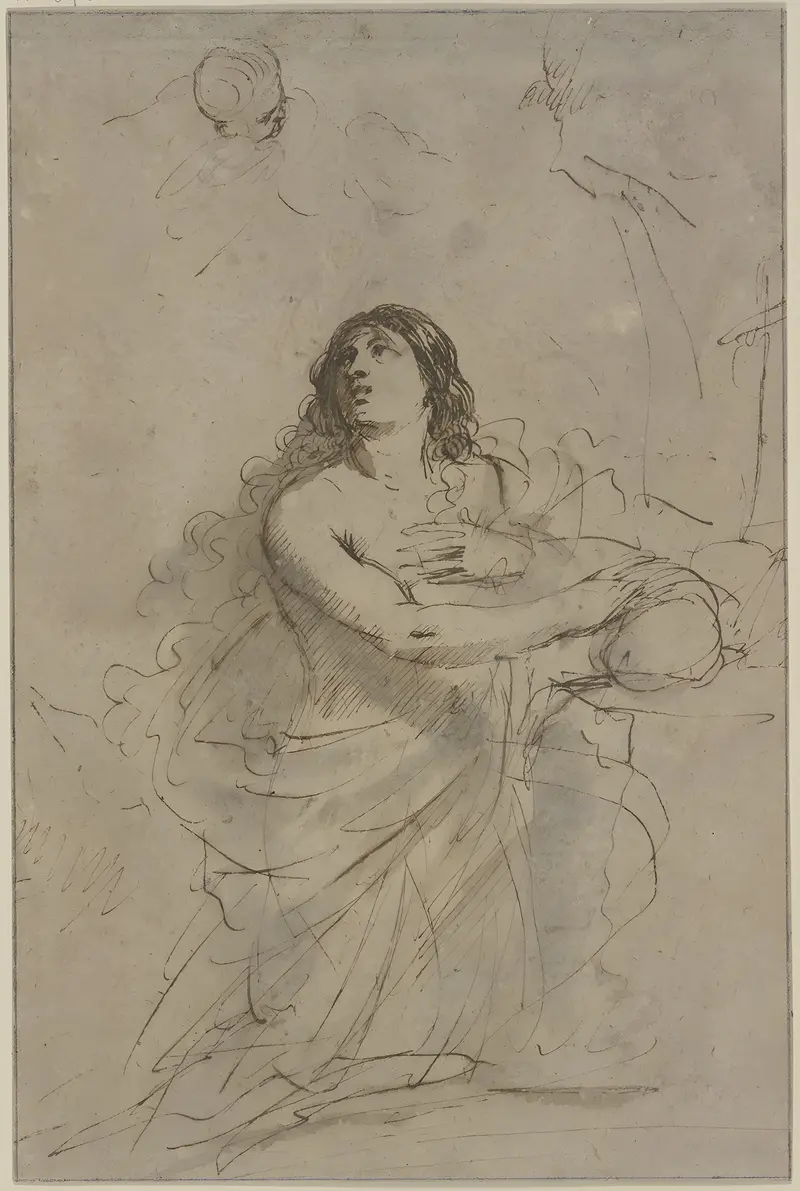
Atoning Magdalene
Guercino
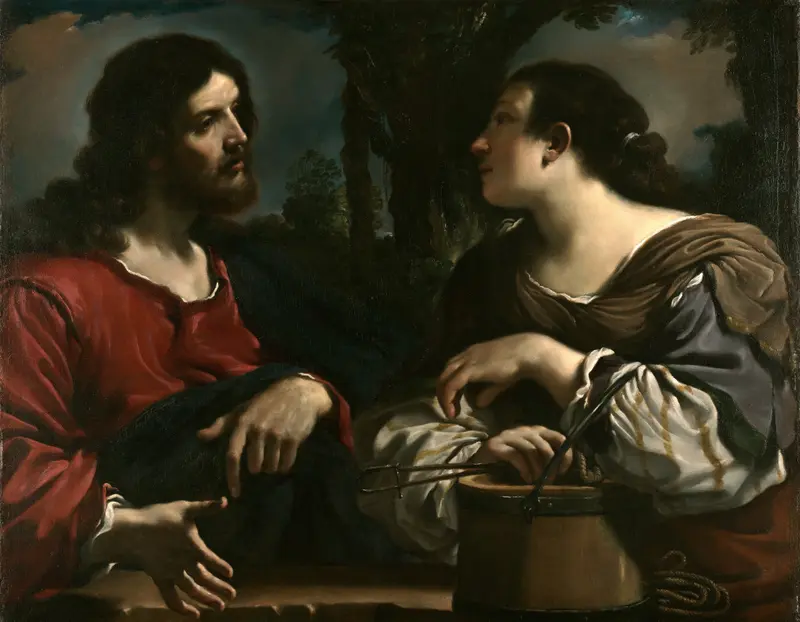
Christ And The Woman Of Samaria
Guercino





