
Aston Church — History & Facts
Did the painter know this moment would outlive them? In Aston Church, the essence of awakening breathes through the canvas, a timeless invitation to behold what lies beyond the ordinary. Look to the center, where the church’s steeple rises gracefully against a cerulean sky, its silhouette framed by the soft golden hues of dawn. The interplay of light and shadow envelops the ancient stone, revealing the weathered textures that speak of countless stories held within those walls. Notice how the light spills onto the lush surroundings, casting vibrant greens that seem to pulse with life, emphasizing the tranquility of this sacred place. Delve deeper into the scene, where the scattered figures, small and contemplative, reflect humanity's quest for connection and solace.
The church, towering yet inviting, stands as a symbol of faith and community, while the gentle morning light suggests hope and renewal. The soft brushstrokes evoke a sense of harmony between nature and architecture, urging the viewer to contemplate their place within this sacred space. During the years between 1850 and 1880, the artist found inspiration in the increasing industrialization surrounding him, seeking refuge in the serenity of rural landscapes. As art movements shifted toward realism and impressionism, the painter captured a moment of stillness amidst change, grounding his work in the universal themes of faith and nature's transcendence.
This painting reflects not just a structure, but a yearning for continuity amidst the ephemeral.
More Artworks by Elijah Walton
Browse all →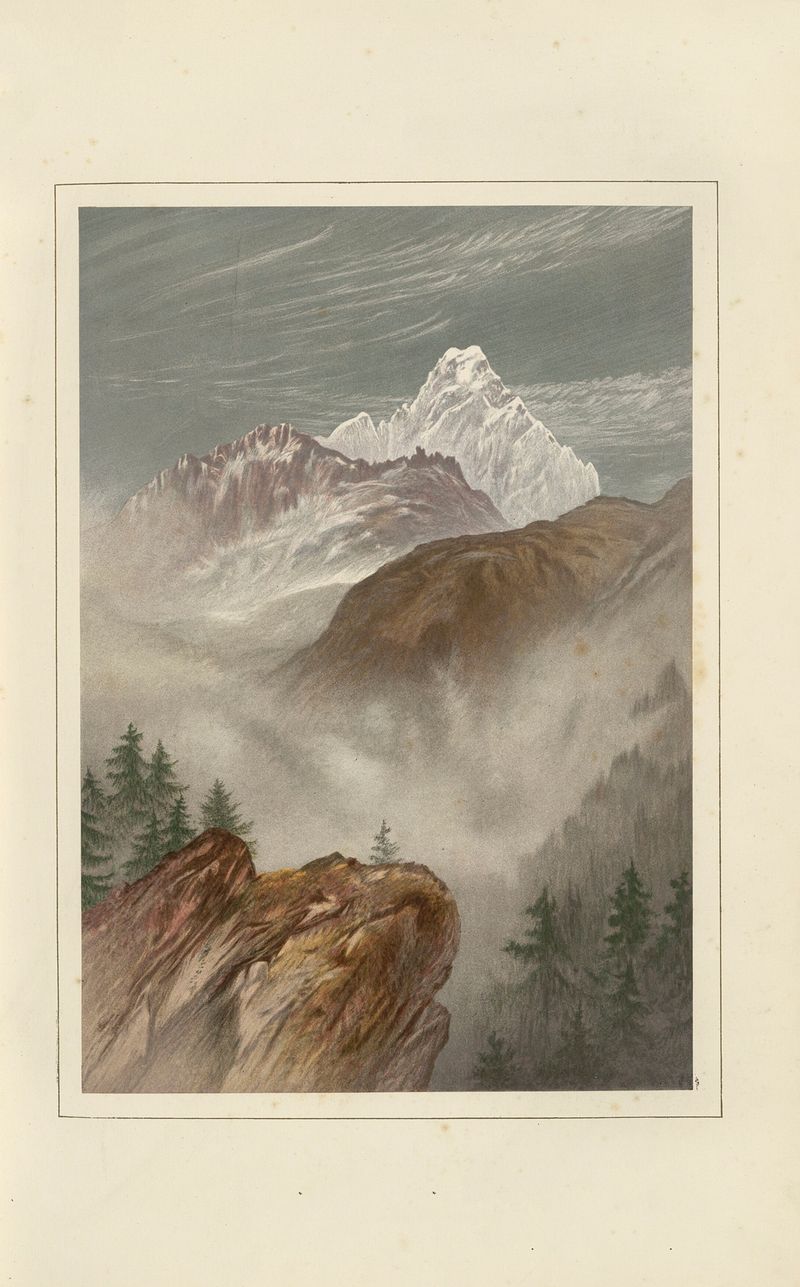
Monte Viso, from the south
Elijah Walton

The Matterhorn
Elijah Walton

The Gorner glacier
Elijah Walton

The Cascade de Roget and the Pointe de Salles
Elijah Walton
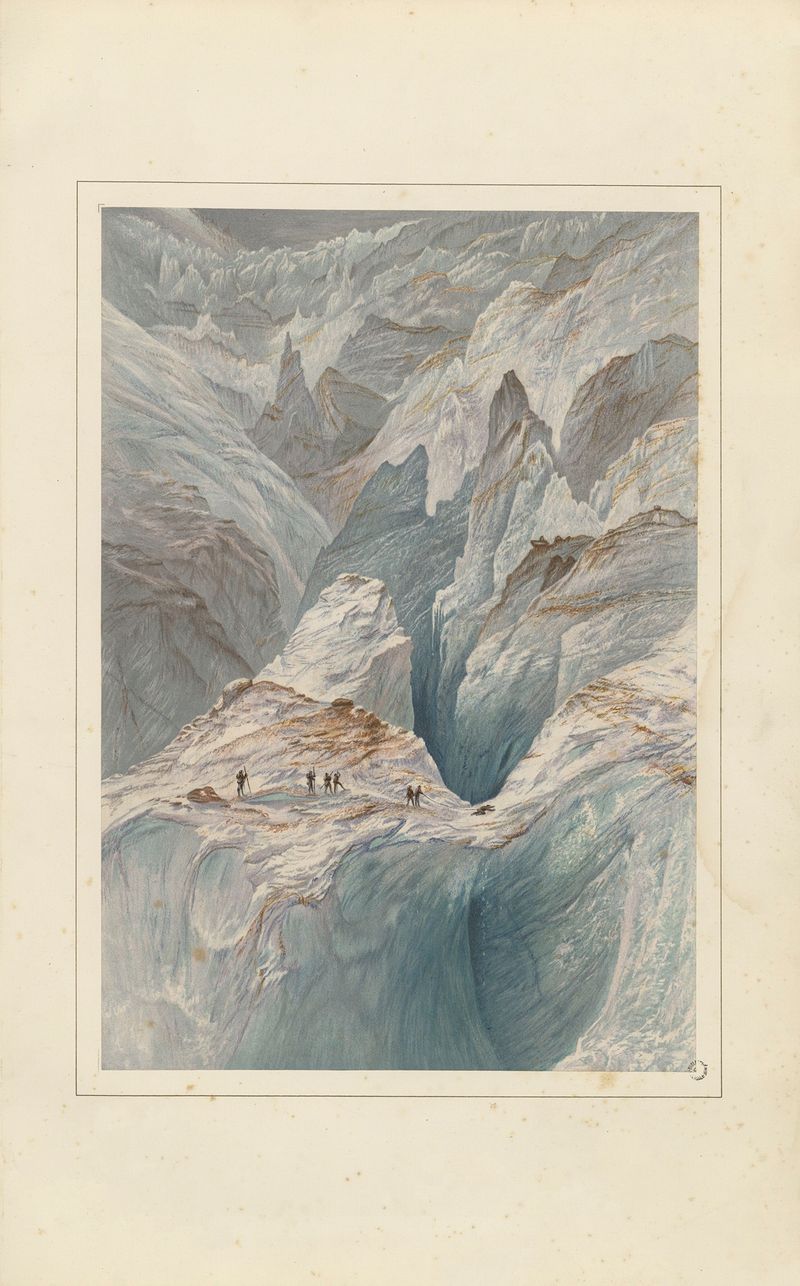
Crevasses on the Mer de Glace
Elijah Walton
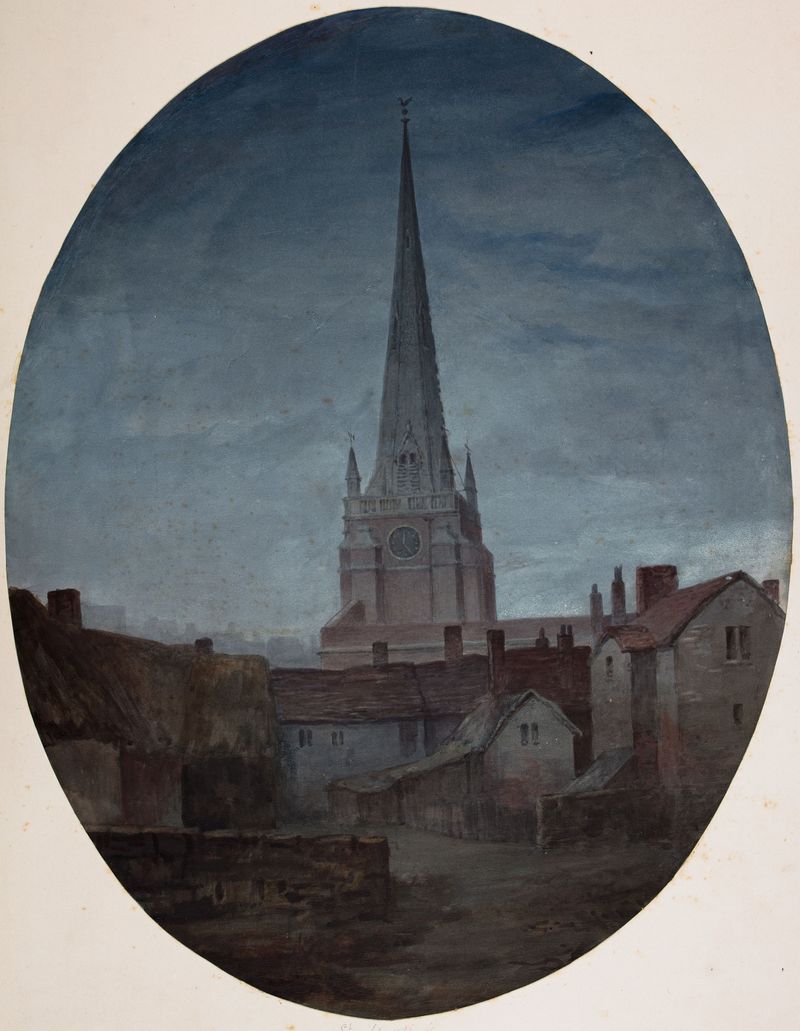
St Martin’s Church Birmingham, By Night
Elijah Walton

The Weisshorn, from near St. Niklaus
Elijah Walton

Monte Viso, from the Col de La Croix
Elijah Walton
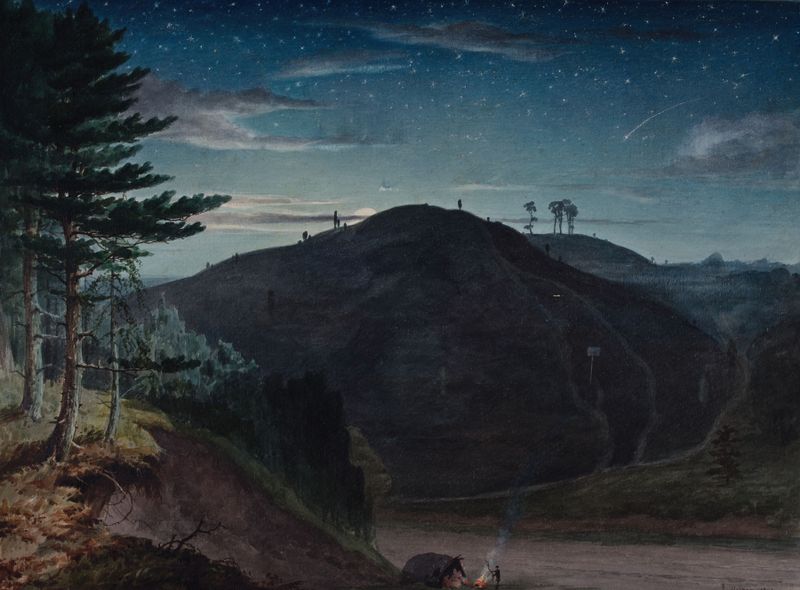
Cofton From Rednal, Moonlight
Elijah Walton
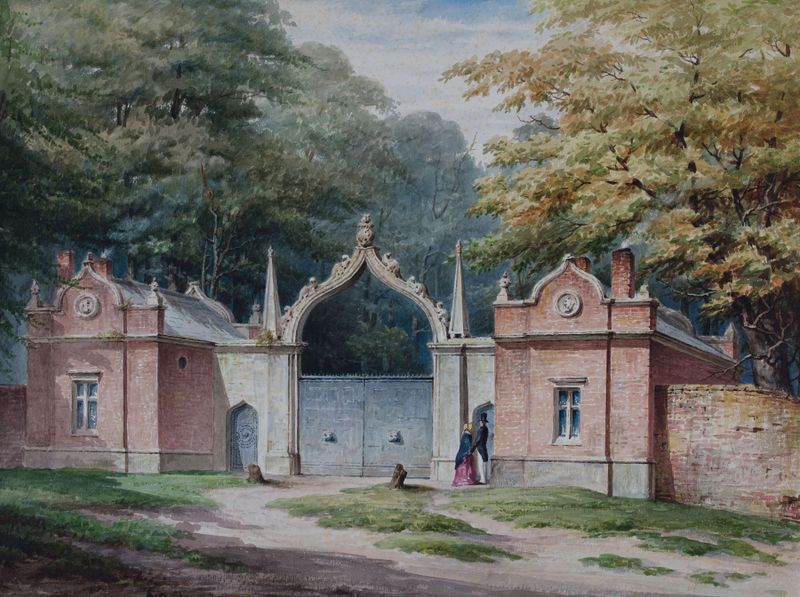
Lodge Gates, Entrance To Aston Hall
Elijah Walton
More Architecture Art
Browse all →
The statue of Liberty
Frédéric Auguste Bartholdi

View of Houses in Delft, Known as ‘The Little Street’
Johannes Vermeer

View of Houses in Delft, Known as ‘The Little Street’
Johannes Vermeer

The Cathedral in Rouen. The portal, Grey Weather
Claude Monet

The yellow house
Vincent van Gogh

The Church in Auvers-sur-Oise, View from the Chevet
Vincent van Gogh