
At Blackwoodtown, N.J. — History & Facts
Who listens when art speaks of silence? In the stillness of At Blackwoodtown, N.J., a quiet hope lingers, poised at the periphery of transformation. Look to the center of the canvas where the delicate interplay of light reveals a serene landscape, bathed in a soft, muted palette. The horizon lines draw your gaze upward, accentuating a vast sky that seems to whisper the promise of a new day. The gentle strokes of green and brown ground the scene, while wisps of clouds drift lazily above, suggesting an underlying tension between nature and the human spirit.
Each brushstroke conveys not just form but a longing, an invitation to witness the world’s simplest yet profound moments. Beneath the surface lies a deep emotional resonance. The contrast between the lush greenery and the expansive, shadowy sky evokes a sense of vulnerability and resilience. The absence of figures might suggest solitude, yet it's in this space that one finds hope—the potential for growth and renewal.
The viewer is left to ponder the stories untold, the life that breathes in every corner, and the silent conversations of nature, waiting to unfold. Augustus Köllner painted At Blackwoodtown, N.J. in 1851 while residing in Philadelphia, a period marked by considerable artistic exploration and development in America. The mid-19th century was a time of burgeoning national identity, and Köllner was deeply involved in the Hudson River School movement, which sought to capture the American landscape's beauty and spiritual significance. This artwork reflects both the serenity of the New Jersey scenery and the broader artistic dialogue of hope and connection to nature that characterized his era.
More Artworks by Augustus Köllner
Browse all →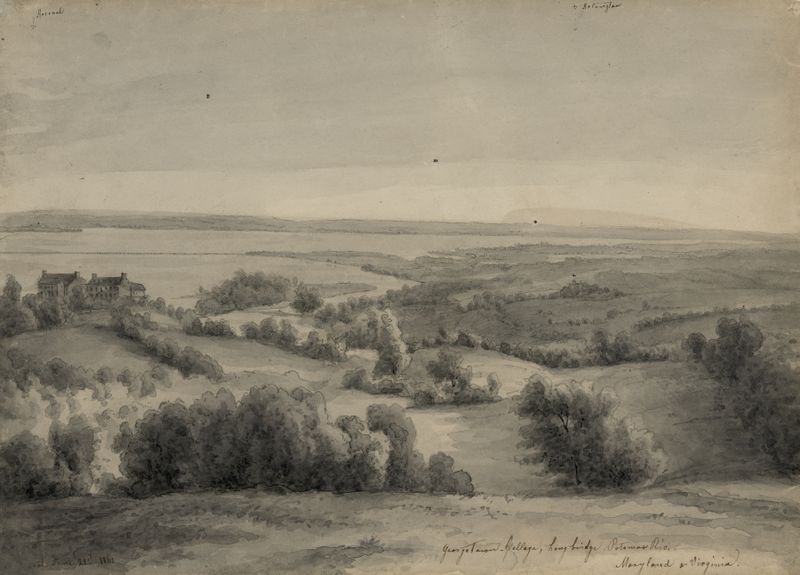
Georgetown College, Long Bridge, Potomac River, Maryland & Virginia–June 21, 1861
Augustus Köllner
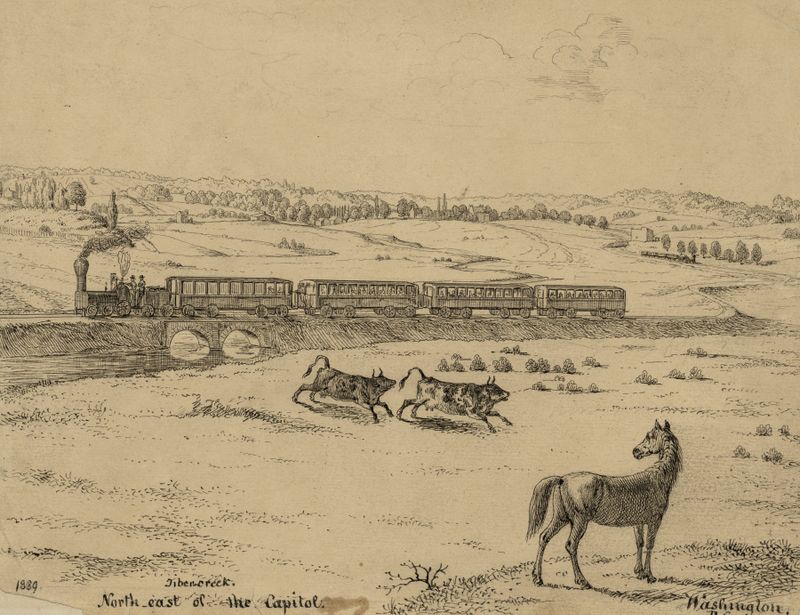
Tiber Creek north-east of the Capitol. Washington, D.C.
Augustus Köllner
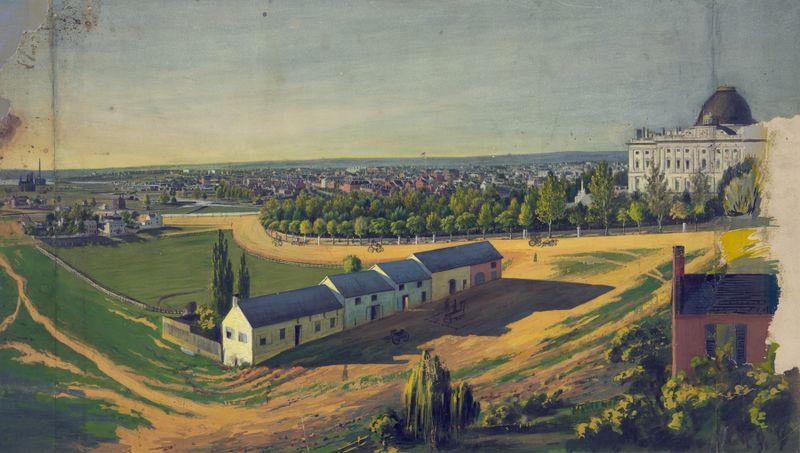
View of Washington, D.C., looking northwest from southeast of the U.S. Capitol
Augustus Köllner
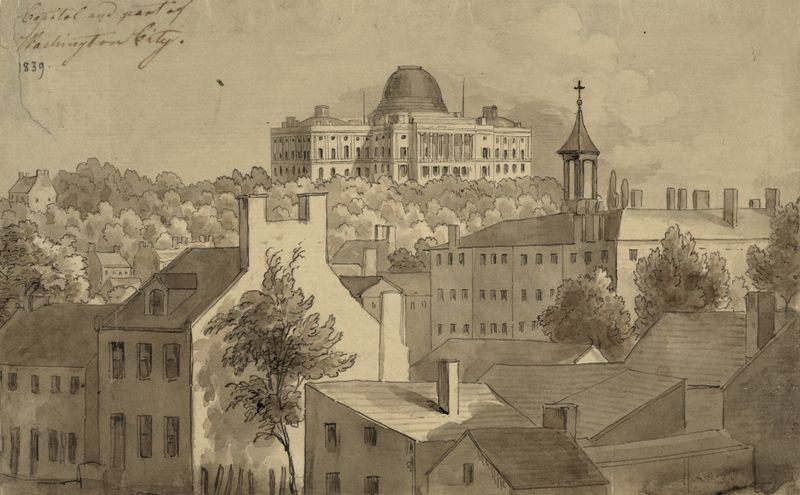
Capitol and part of Washington City
Augustus Köllner
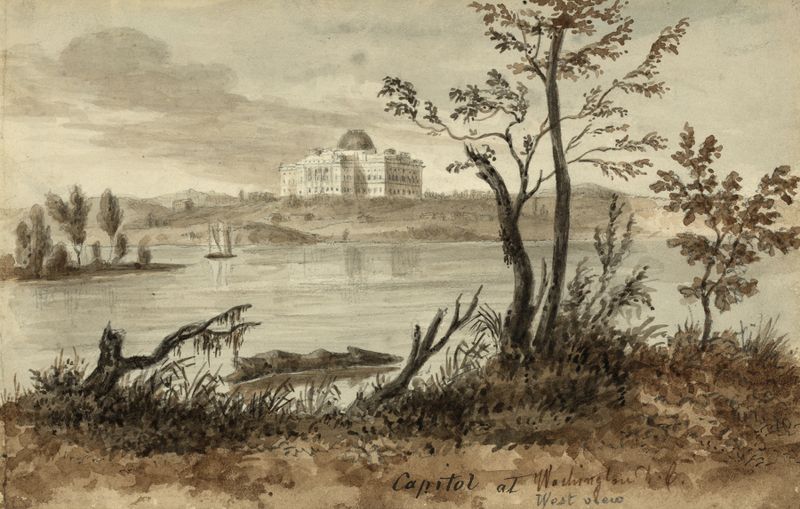
Capitol at Washington D.C.– West view
Augustus Köllner
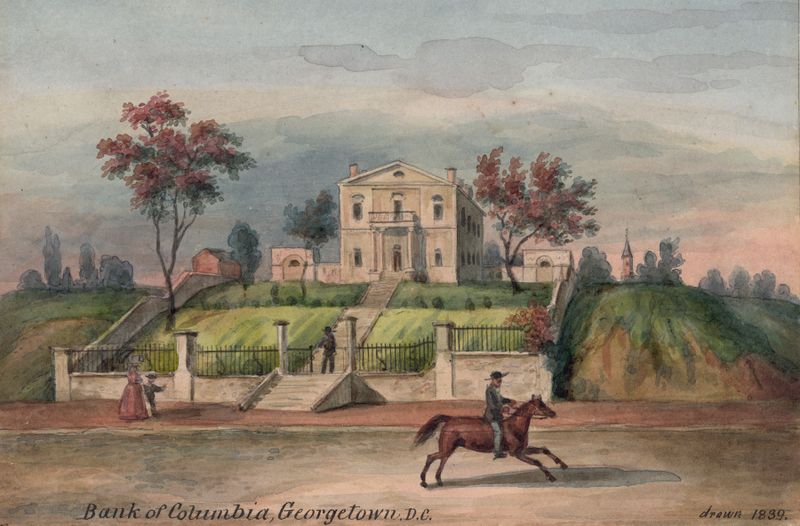
Bank of Columbia, Georgetown, D.C.
Augustus Köllner

Near Pennsylv. Ave. and 7th St. At Washington City
Augustus Köllner

Potomac River, Chain Bridge at Little Falls
Augustus Köllner
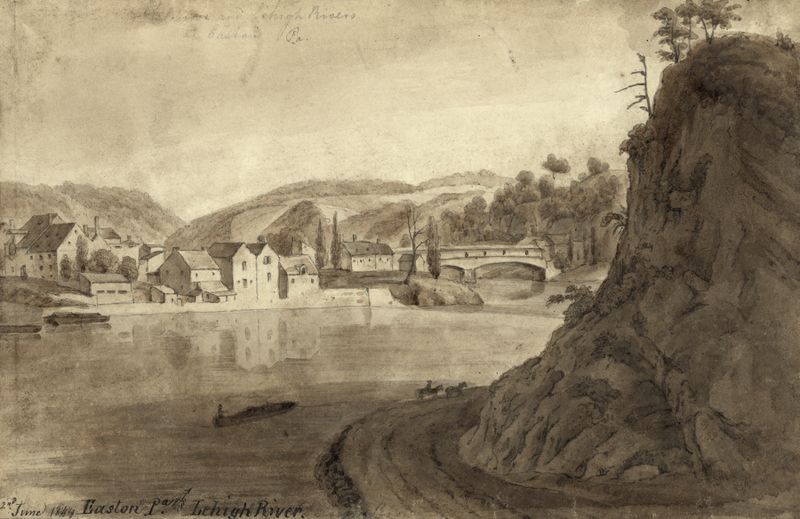
Delaware and Lehigh rivers at Easton Pa.
Augustus Köllner

East branch of Potomac R. Washington
Augustus Köllner





