At the Bank, Winkel in Switzerland — History & Facts
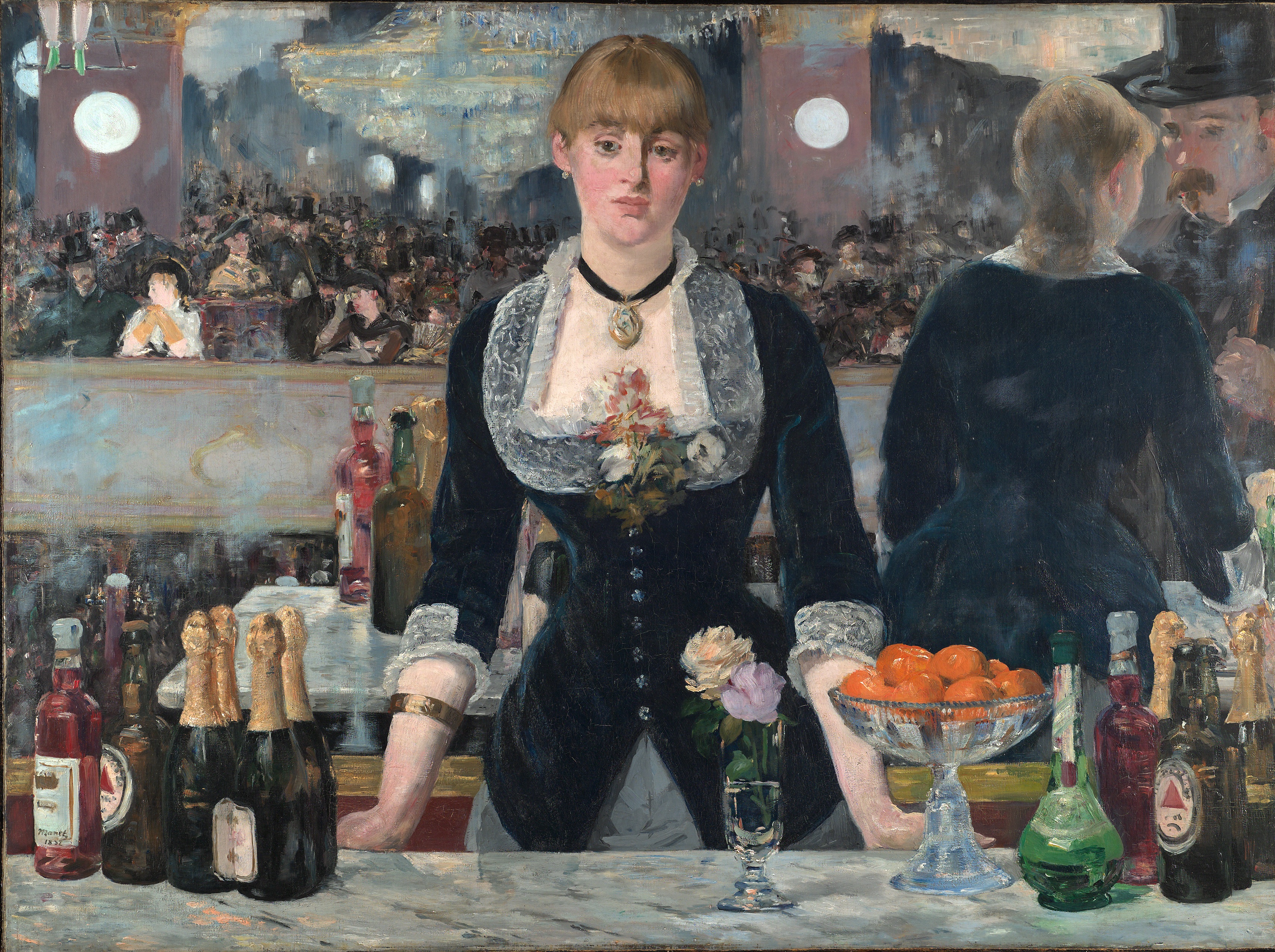
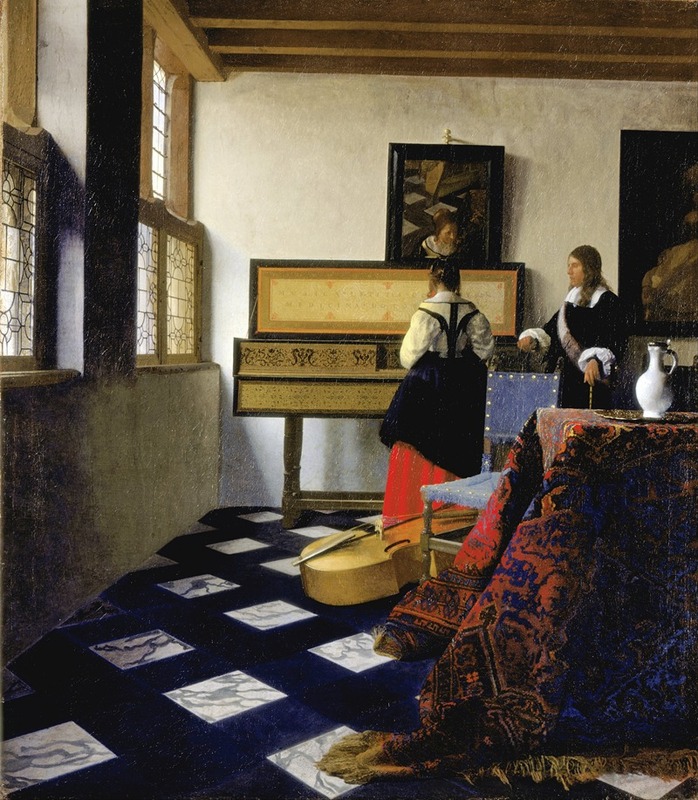
What secret hides in the quiet of the canvas? Within the stillness of a moment captured in time, desire whispers through the painted strokes, inviting the viewer to ponder the unspoken yearnings of its subjects. Look to the left at the elegant archway, where muted light cascades through tall windows, creating a golden hue that bathes the interior. The figures gathered around a table, their expressions a blend of anticipation and contemplation, draw your gaze into their world. Notice how the soft, earthy palette enhances the sense of intimacy, while the delicate detailing of their clothing contrasts sharply with the stark spaciousness of the bank, suggesting both confinement and opportunity. Beneath the surface, the painting reveals an interplay of ambition and hesitation.
The open ledger on the table speaks to the financial dealings of the era, yet the gazes of the figures hint at a deeper longing—perhaps for connection or a brighter future. The juxtaposition of the meticulously rendered architecture with the softly human expressions creates a dialogue between the stability of wealth and the vulnerability of desire, encouraging reflection on what is truly valued. In 1835, the artist found himself in Switzerland, immersed in a landscape that inspired both his aesthetic sensibility and thematic explorations. This period marked a pivotal moment in Fearnley’s career, as he sought to balance the beauty of nature with the complexities of human experience.
The burgeoning Romantic movement influenced his work, pushing him to delve into the emotional depths of his subjects within the context of a rapidly modernizing world.
More Artworks by Thomas Fearnley
Browse all →
Norwegian Landscape, Marumfoss
Thomas Fearnley

View of the Oslofjord
Thomas Fearnley

Gudvangen
Thomas Fearnley

Stormy Landscape with a Rider
Thomas Fearnley
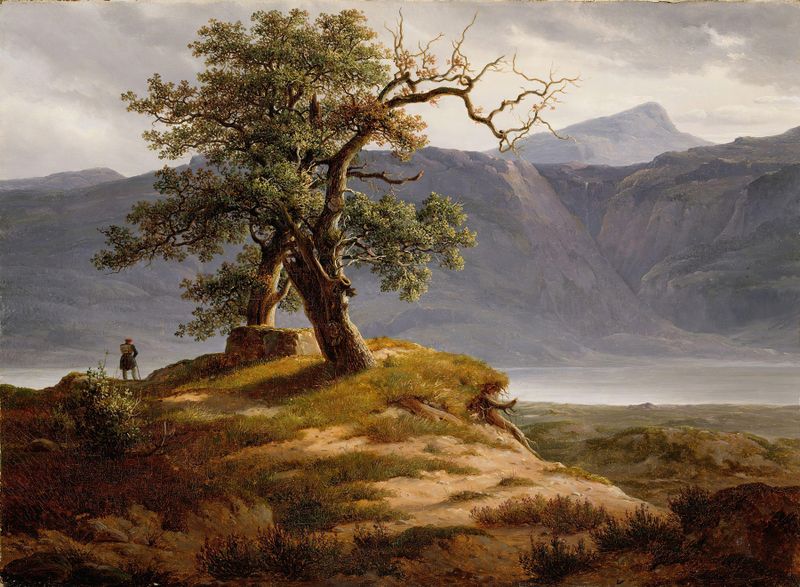
Landscape with a Wanderer
Thomas Fearnley
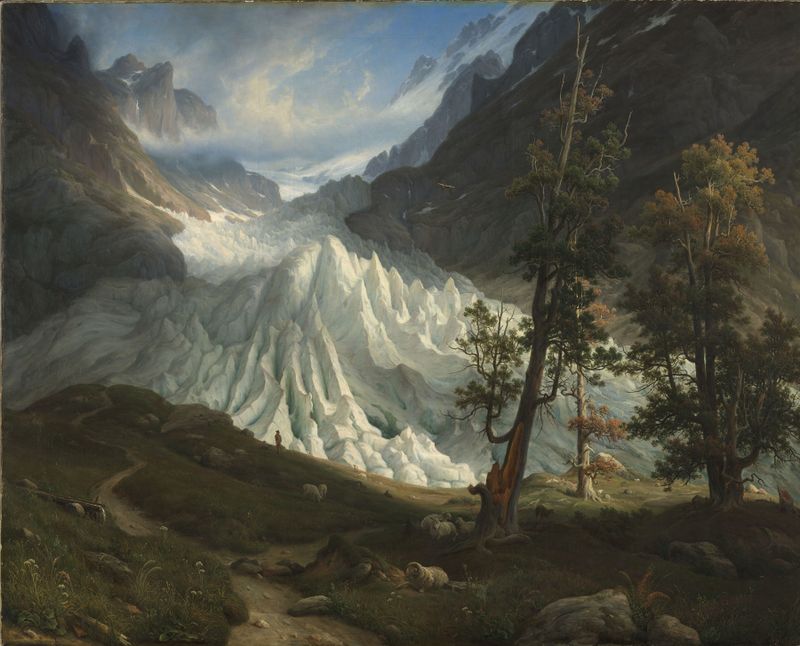
The Grindelwaldgletscher
Thomas Fearnley

Clouds over the Fjord
Thomas Fearnley
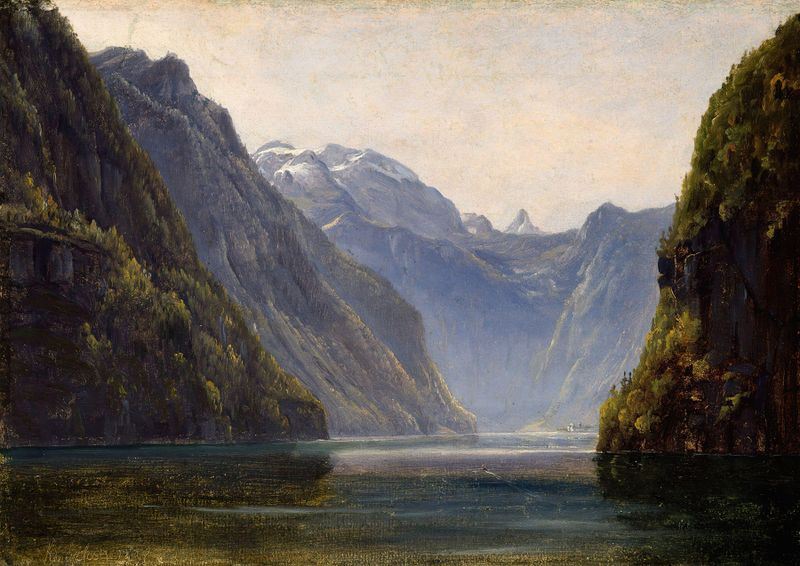
From Königssee
Thomas Fearnley

The Bridge of Hauge outside Arendal
Thomas Fearnley

King Vilhelm II’s ceremonial Processsion in Amsterdam in 1840
Thomas Fearnley