At The Entrance To The Grand Canal, Venice — History & Facts
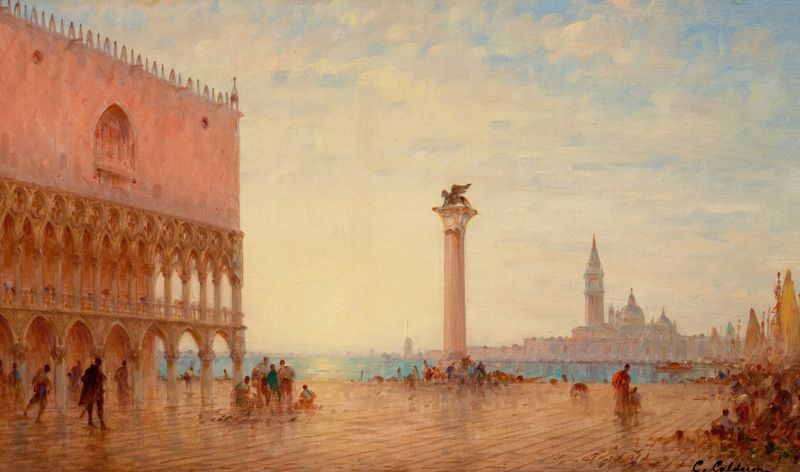
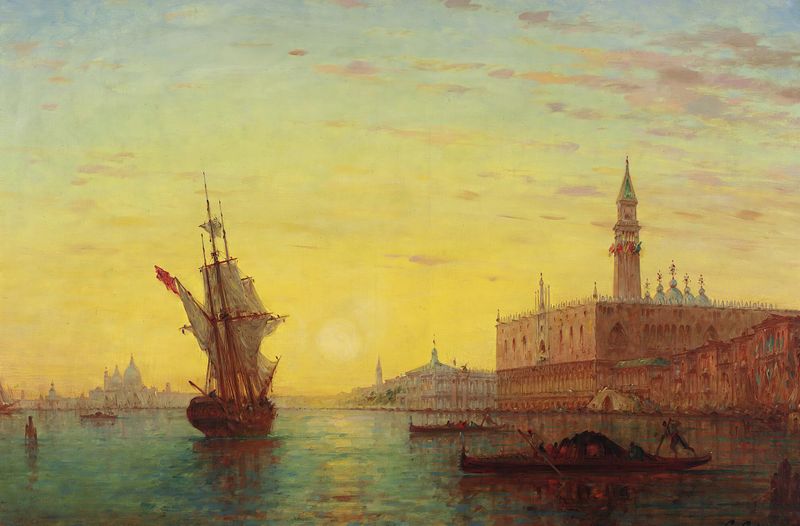
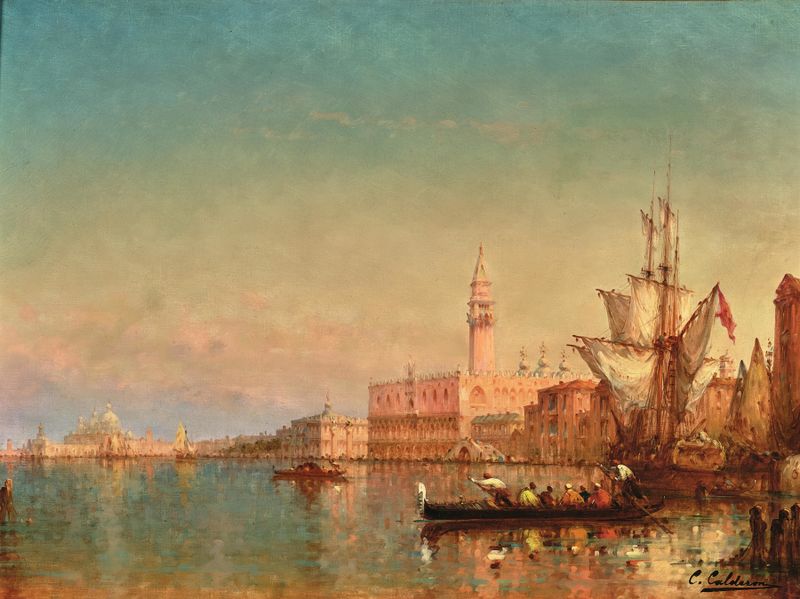
When did color learn to lie? In a world where hues whisper truths and fabricate illusions, one painting beckons us to explore the fabric of legacy woven through time and water. Focus on the deep blues and vibrant greens within the canvas, which capture the essence of Venice's waters as they dance with the light. Notice how the brushstrokes flow, inviting the viewer’s gaze toward the distant horizon. The architectural lines of the buildings rise majestically, etched in soft pastels, while the lively gondolas dash across the surface—each detail exuding a sense of motion and life.
The interplay of light and shadow crafts a scene that feels both timeless and ephemeral, a moment suspended between reality and dream. Yet, beneath this vivid façade lies a tension between nostalgia and impermanence. The radiant colors may celebrate the city’s splendor, but they also hint at the inevitable decay that time imposes. The gentle ripples in the water signify the passage of moments—each wave a reminder of both the beauty and fragility of existence.
This duality asks us to reflect on the legacies we cherish and those we inevitably let fade. Calderon painted this work during a period of artistic exploration, likely influenced by the Romantic movement's fascination with nature and emotion. The timing remains uncertain, yet the artist’s life was marked by a deep engagement with the themes of beauty, memory, and loss typical of his era. As Venice faced the slow encroachment of modernity, the canvas captures a city at once vibrant and on the brink of transformation.