Sailboats In Venice — History & Facts
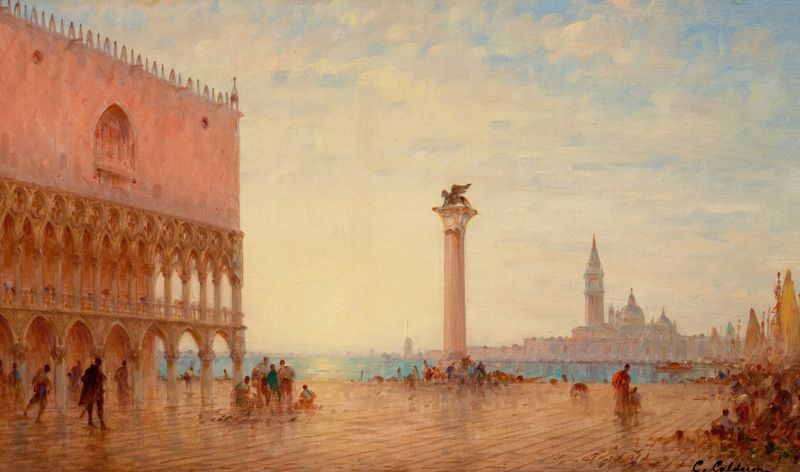
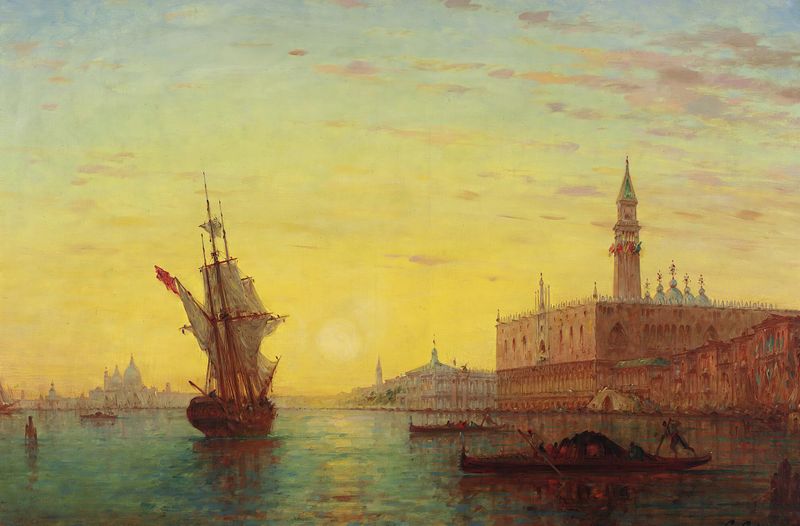
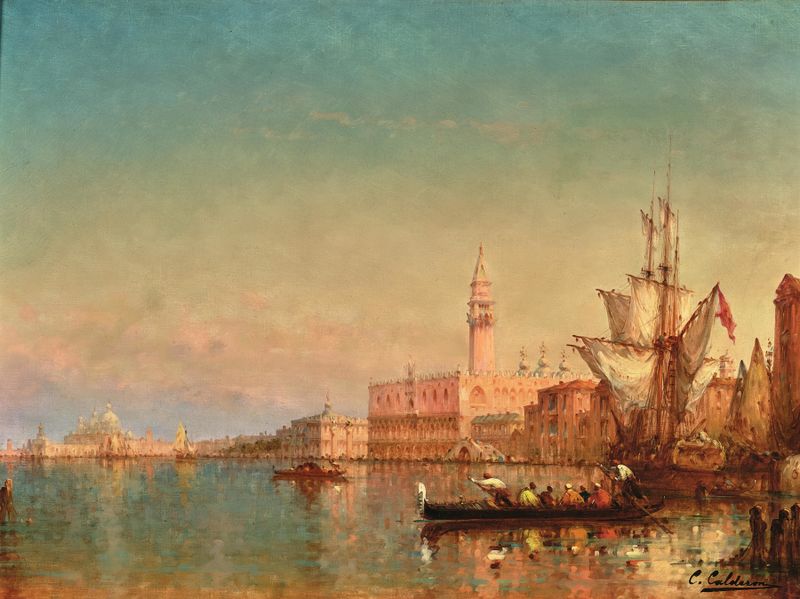
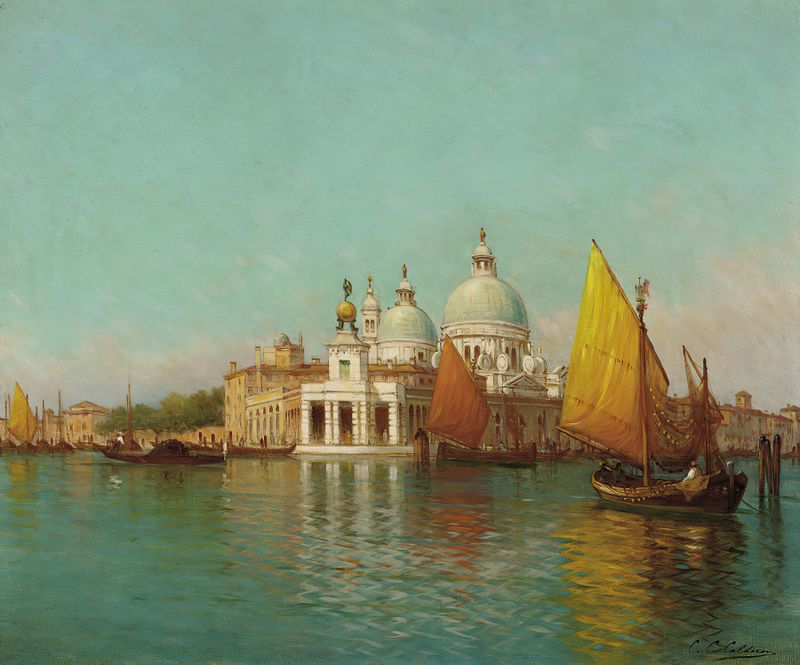
Could beauty survive in a century of chaos? The tranquility of a canvas adorned with sailboats gliding through shimmering waters suggests that amidst turmoil, serenity can still breathe. Look to the left, where delicate brushstrokes of blues and greens bring the Venetian lagoon to life, dappled with reflections that dance like whispers on the surface. Focus on the sailboats, their white sails billowing gently as they catch an unseen breeze, framed against the rich hues of the sunset sky. The warm oranges and soft purples weave a tapestry of peace, inviting your gaze to wander and linger, while the precise lines of the boats evoke a sense of stillness amidst the underlying currents of life. Yet, beneath this serene exterior lies a poignant contrast.
The emptiness of the water, devoid of human presence, speaks to the isolation of beauty in a world that often spins out of control. The vibrant sails, though alive with movement, float on the water like dreams, evoking a fragile sense of hope. Such subtle details coax us to ponder the intersection of nature and human endeavor—beauty amplified by its absence. When Sailboats in Venice was conceived, Charles Clement Calderon navigated a world where artistic expression faced upheaval.
This undated work reflects an artist embedded in a shifting cultural landscape, where the Impressionist movement began to reshape perceptions of light and color. The serene portrayal of Venice encapsulates not just the essence of a city, but a longing for peace amid the chaos of the late 19th century, capturing the essence of an era striving for artistic liberation.