
Attelage de zébus — History & Facts
What first catches the eye in Attelage de zébus is the way the two zebu oxen seem to press forward, their horns almost brushing the very edge of the canvas. The animals’ heavy, deliberate gait is captured with swift, confident brushwork, while the unfinished background leaves the focus entirely on their powerful forms. The red markings on their foreheads are not just decorative—they signal ritual or festival, lending the scene a sense of occasion and local specificity.
The painter’s attention lingers on the sheen of the animals’ coats and the curve of their horns, inviting the viewer to feel the weight and presence of these creatures as they move together, yoked by invisible labor. Painted between 1910 and 1911, this study by Albert Besnard belongs to a period when European artists were increasingly drawn to the textures and rhythms of life in colonial India. Such works were often created as preparatory studies, capturing fleeting impressions and local color for later, more finished compositions. In this piece, Besnard’s loose handling and the unfinished ground speak to the immediacy of observation—a moment snatched from daily life and held fast in paint.
History has kept few traces of this particular work’s journey, but its frank, unvarnished look at its subject invites us to linger, searching for the story behind those steady, marked faces.
More Artworks by Albert Besnard
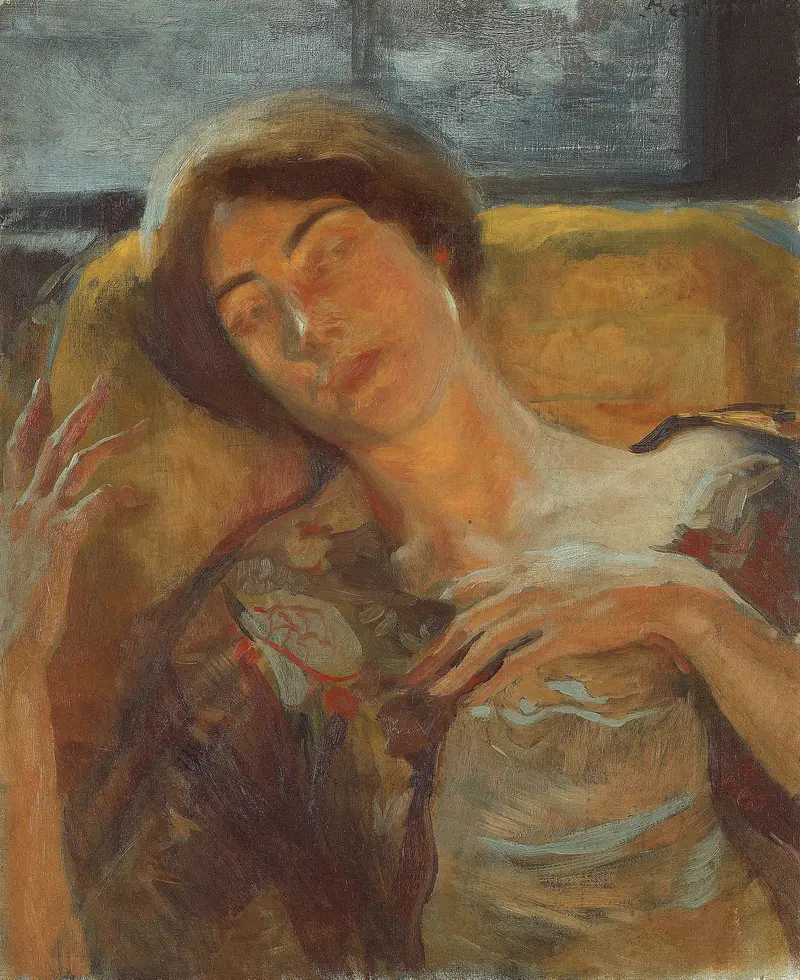
Woman's Head
Albert Besnard
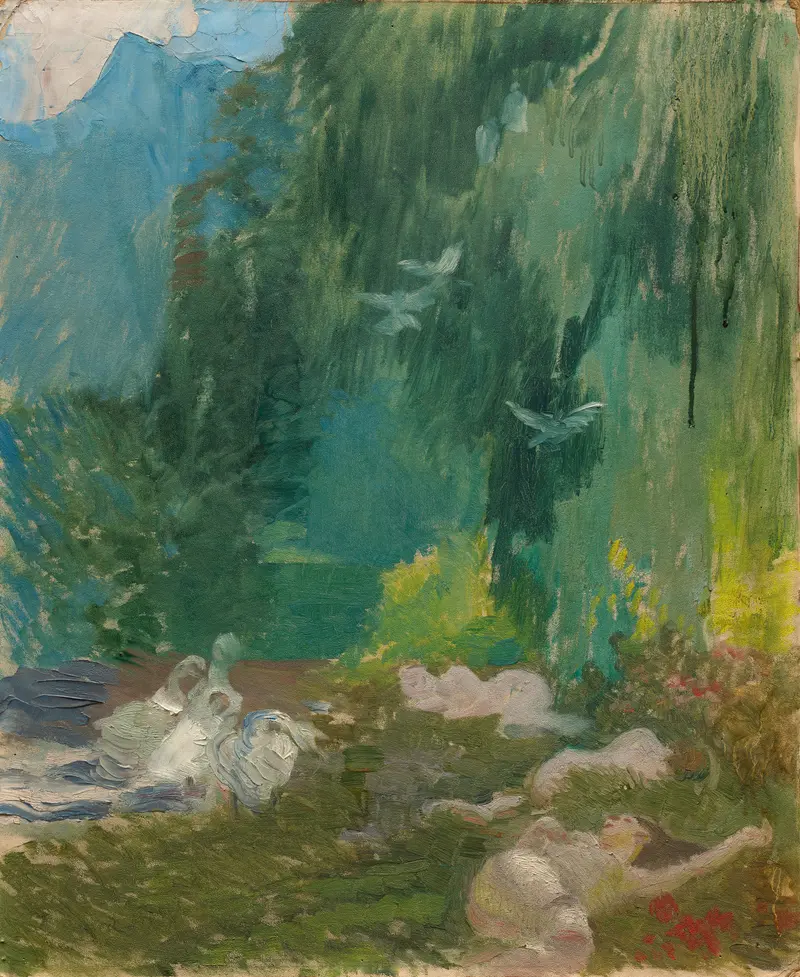
The Siesta
Albert Besnard
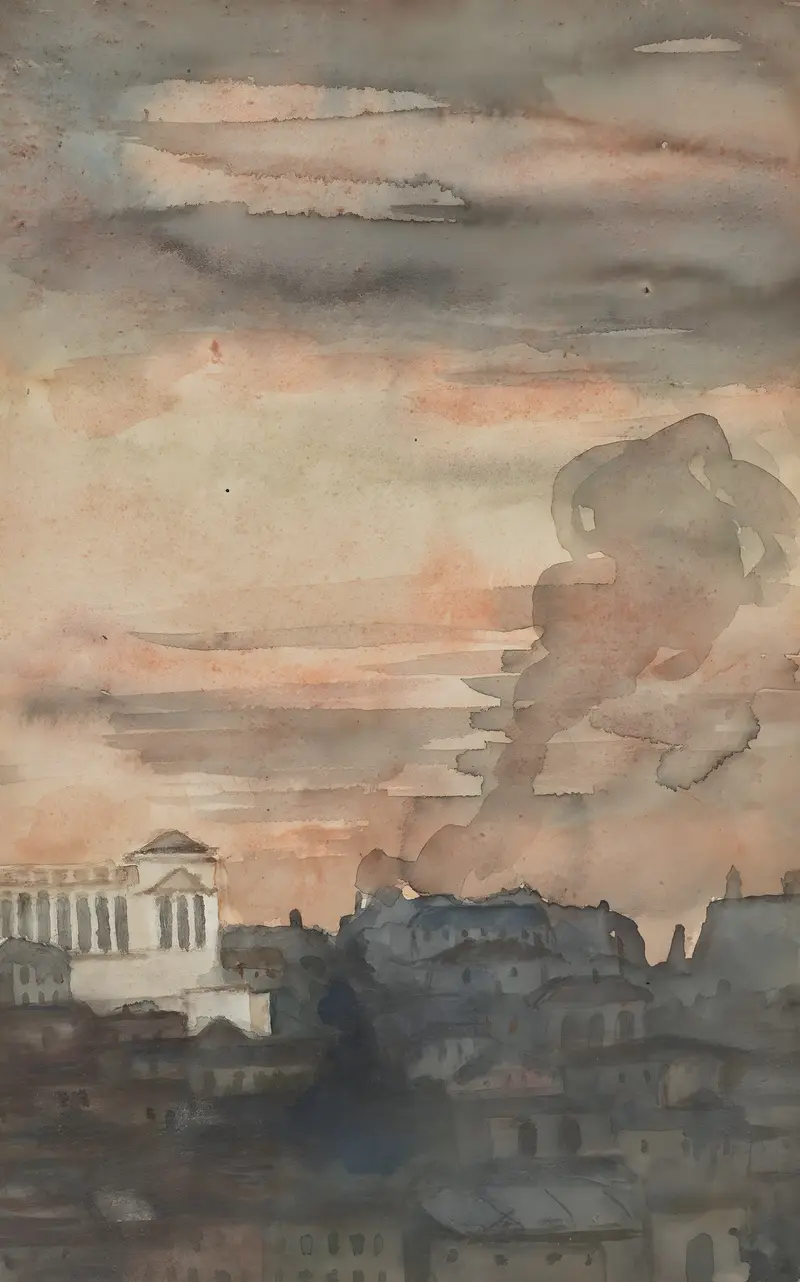
View of Rome with the Vittorio Emanuele II Monument in the distance, at sunset
Albert Besnard
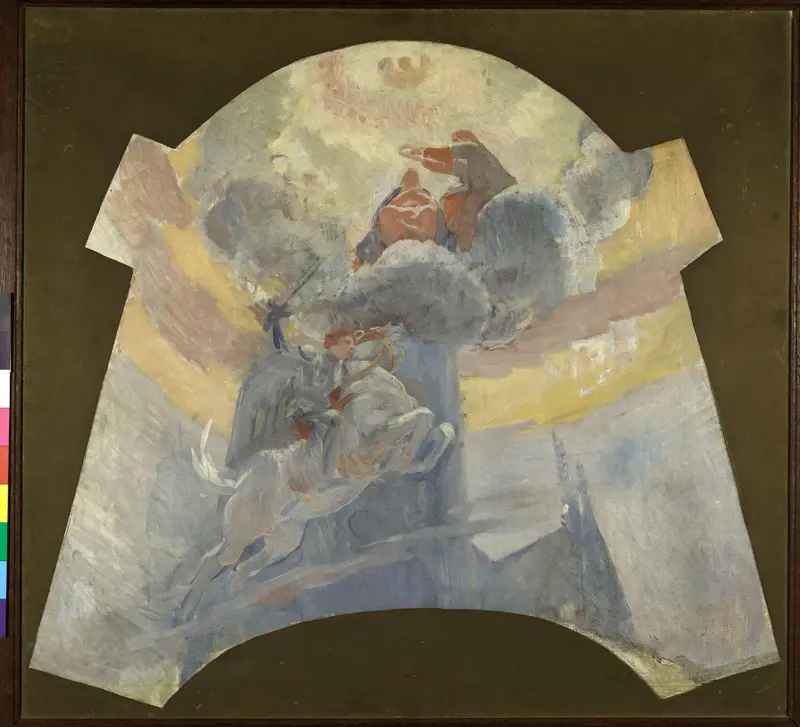
Albert (Paul Besnard dit) La Mystique, esquisse de la composition d'ensemble
Albert Besnard
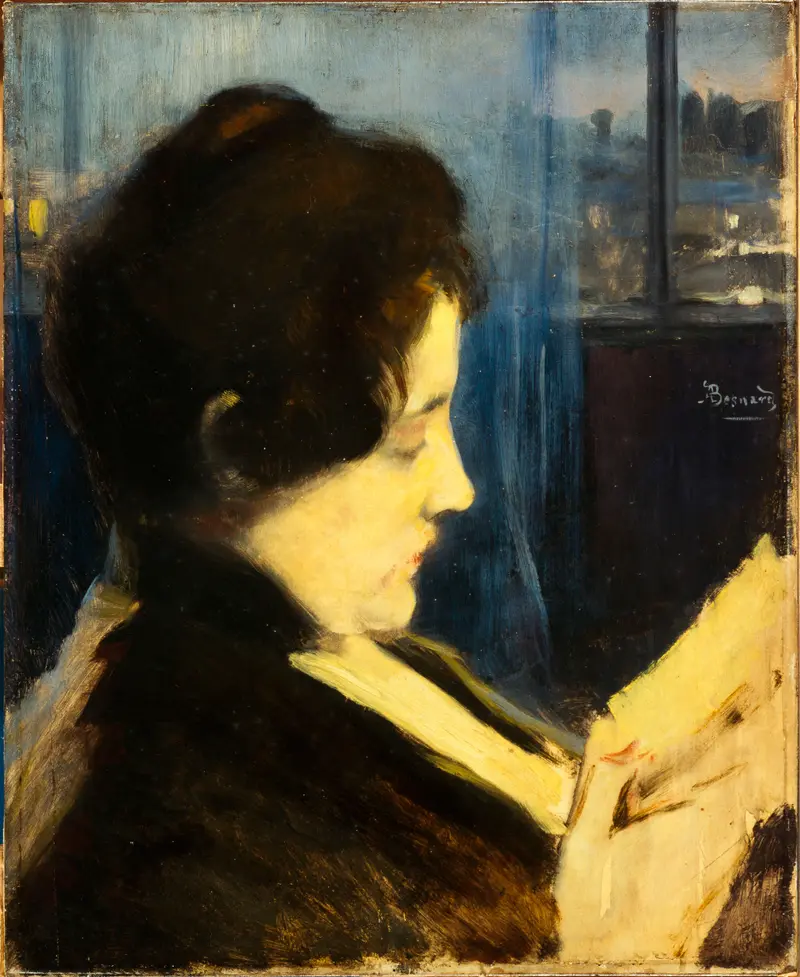
Charlotte Besnard c.
Albert Besnard
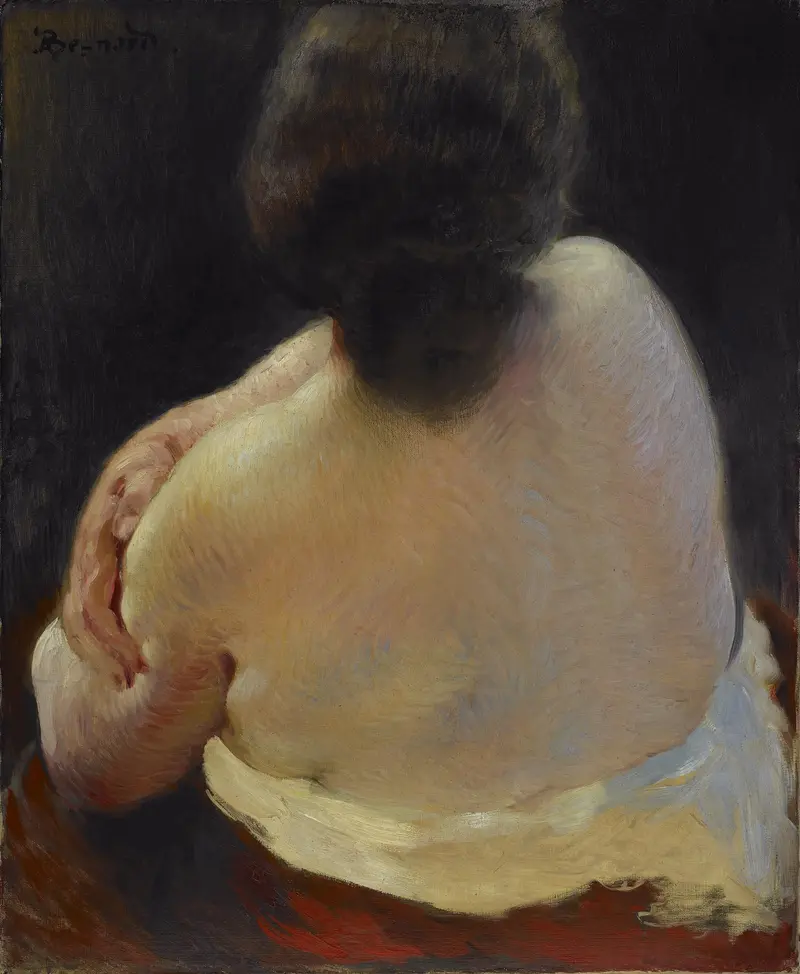
Back of a Woman, Study
Albert Besnard
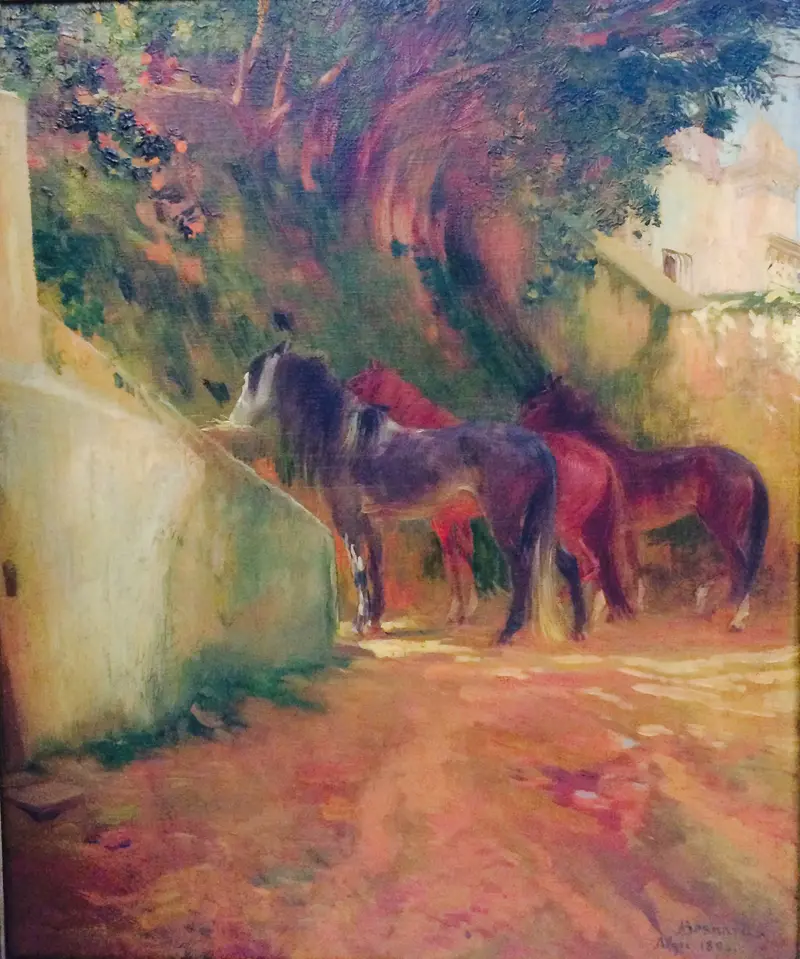
Horses
Albert Besnard
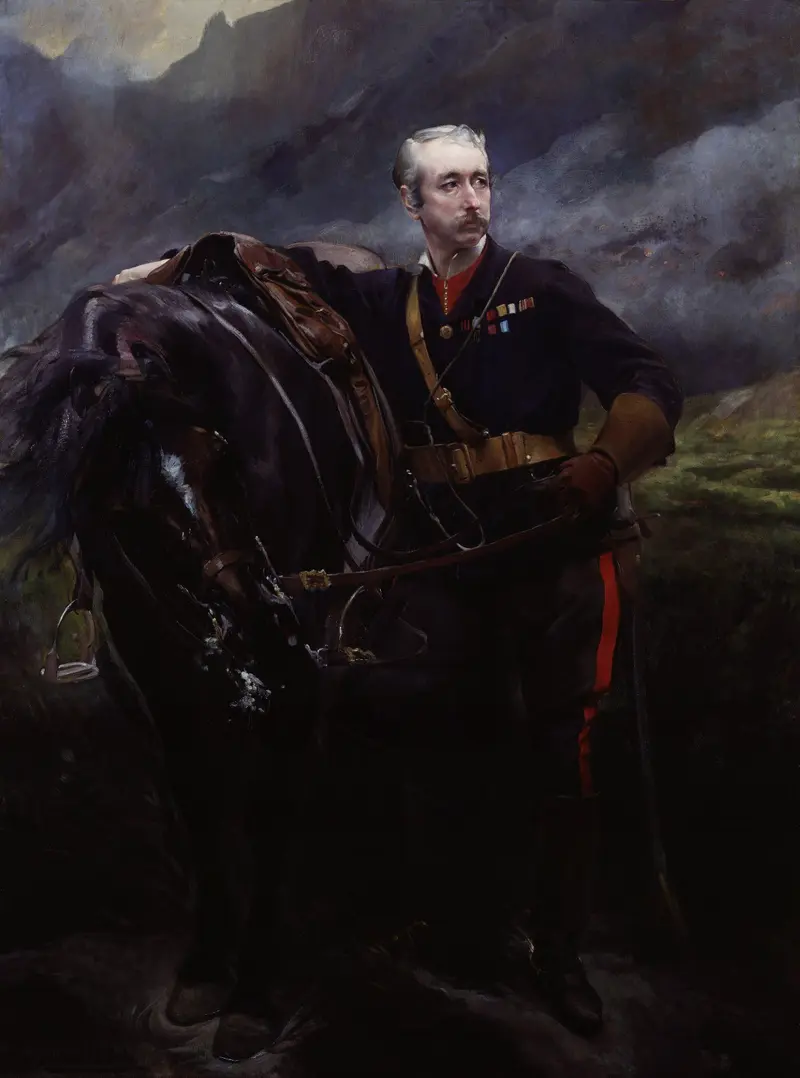
Garnet Joseph Wolseley, 1st Viscount Wolseley
Albert Besnard
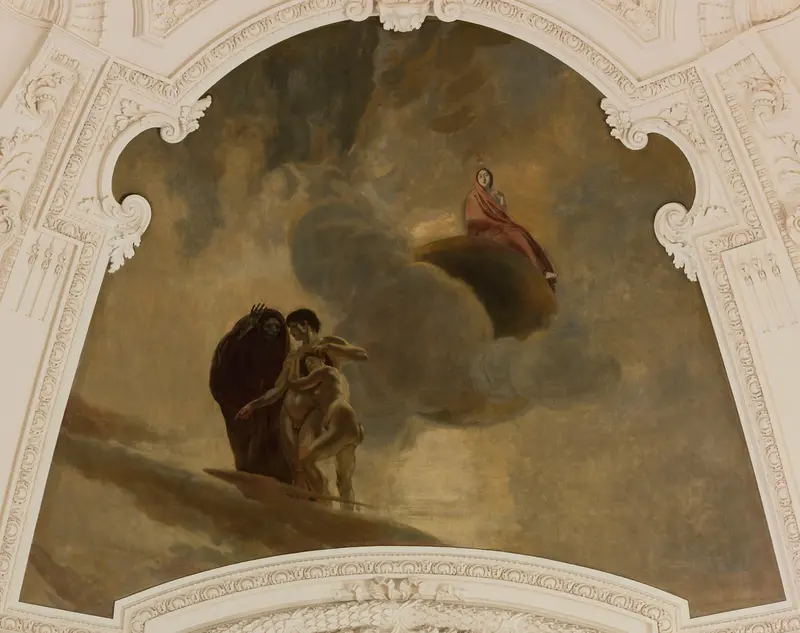
Besnard La Pensée DECOP00A(04) Petit Palais 01
Albert Besnard
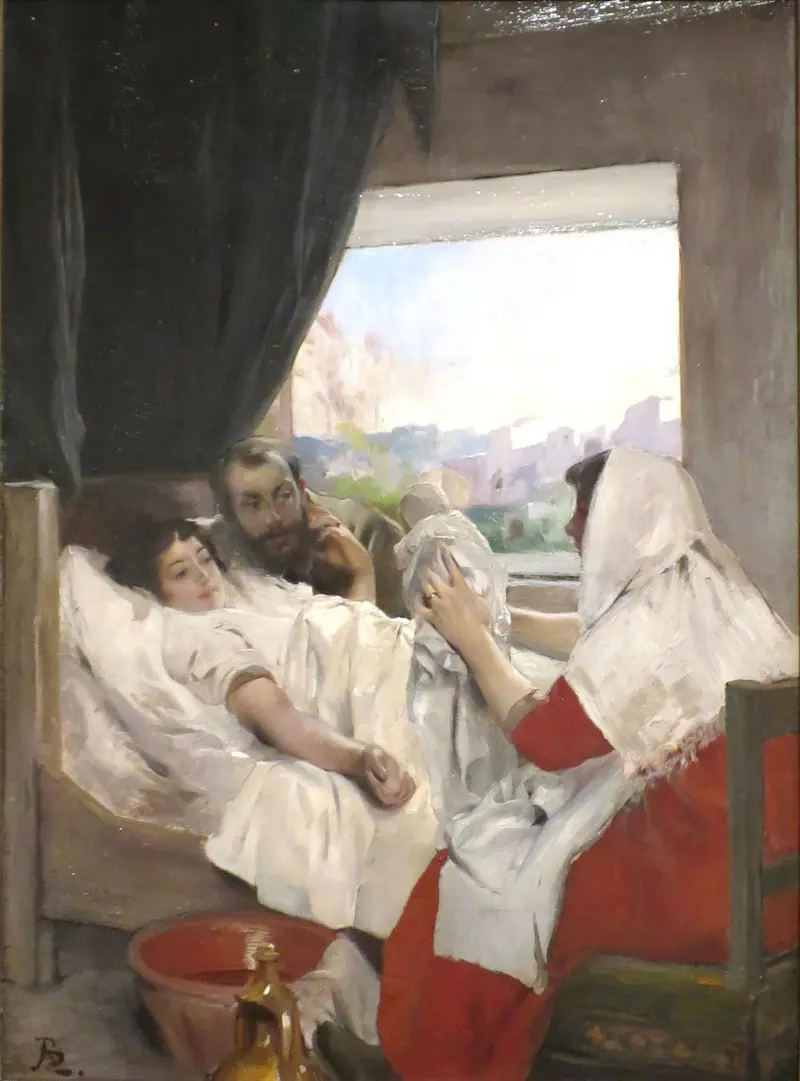
The First Morning (Albert and Charlotte Dubray Besnard and their Son, Robert)
Albert Besnard





