Auffay — History & Facts
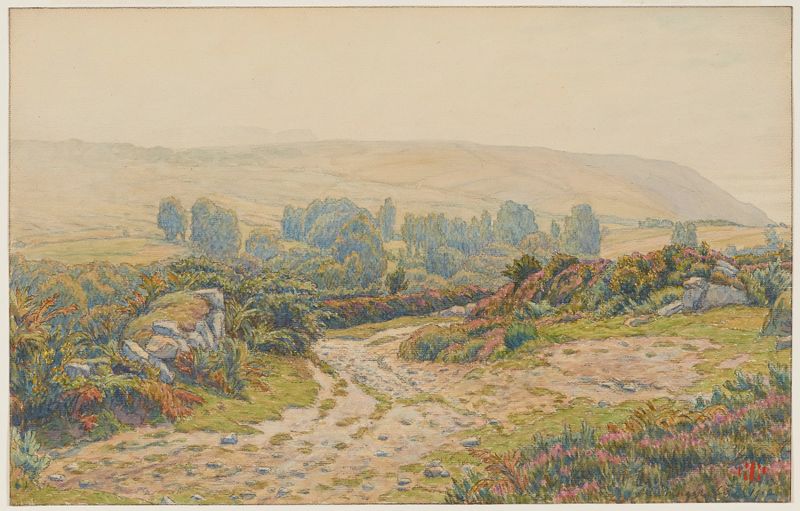
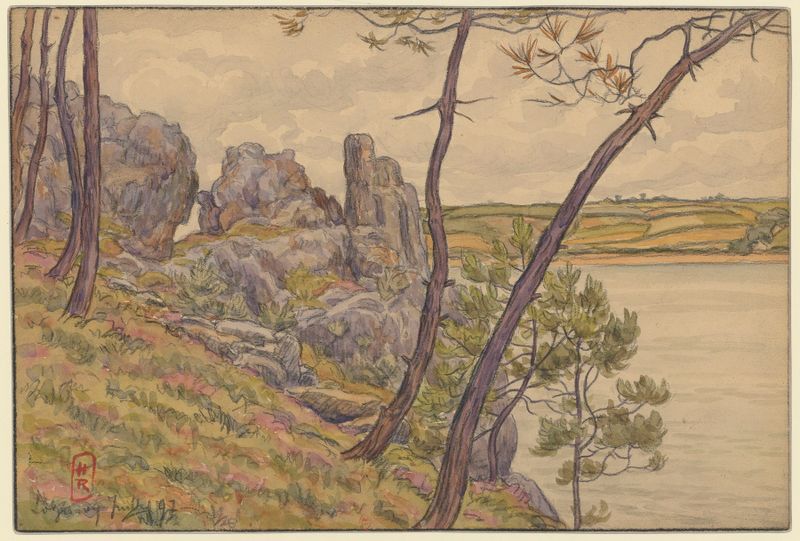
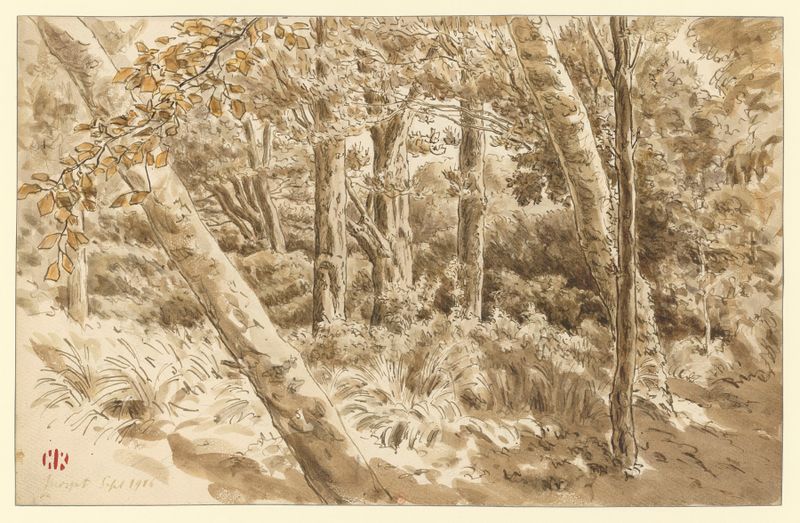
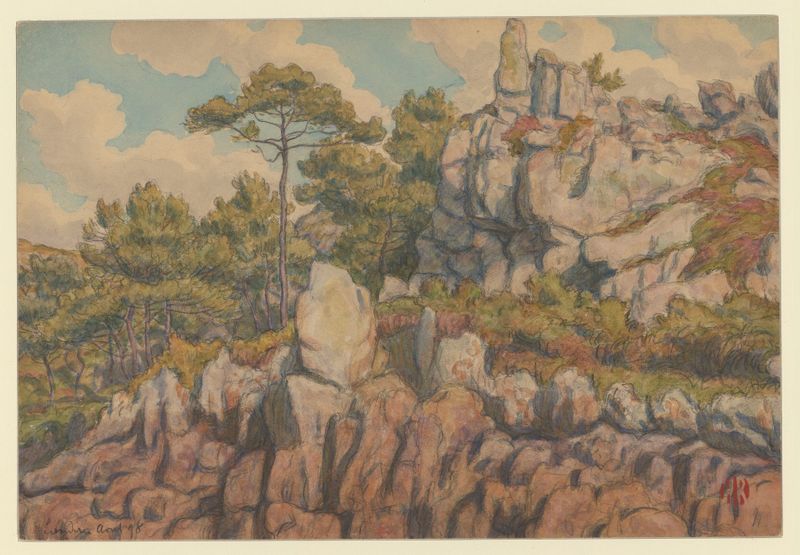
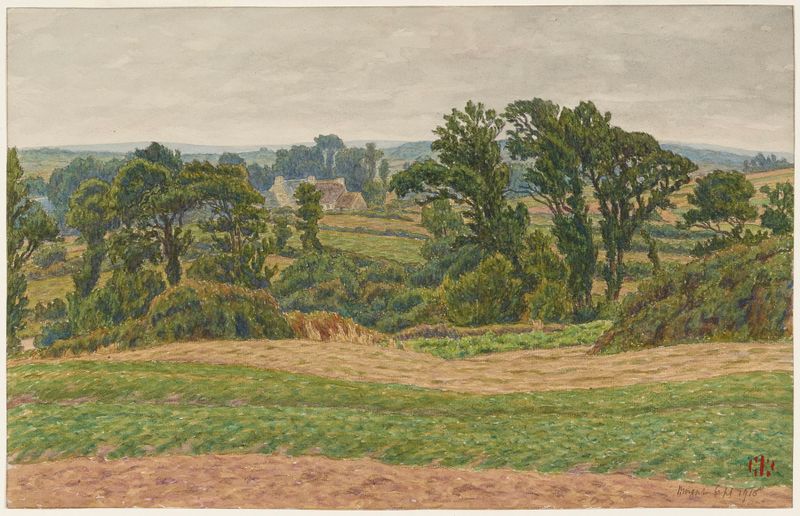
Did the painter know this moment would outlive them? As silence envelops the landscape, Auffay stands as a testament to stillness and the passage of time. Look closely at the horizon, where gentle hills meet the muted sky. The soft hues of green and blue blend seamlessly, creating an ethereal quality that invites contemplation. Notice how the delicate brushstrokes embody the tranquility of a quiet afternoon, and how the light washes over the terrain, casting soft shadows that dance across the canvas.
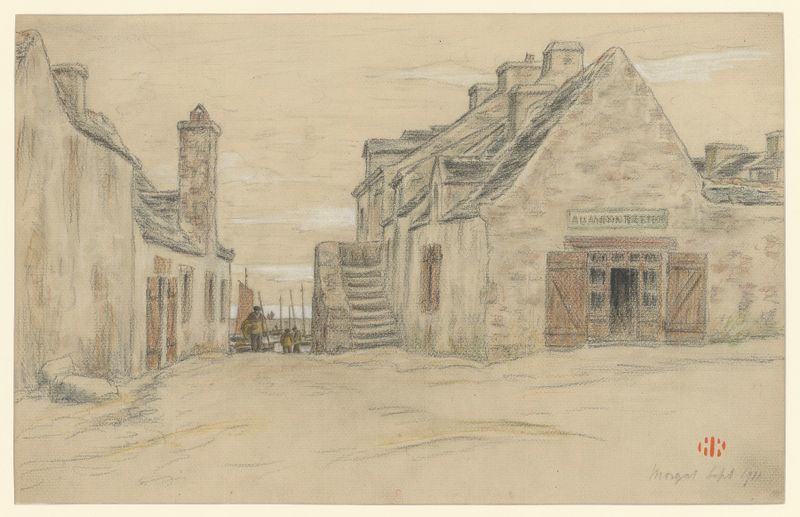
The composition, intentionally sparse, focuses the viewer’s gaze on the interplay of nature and solitude, evoking a sense of peace. Delve deeper into the scene; the subtle contrast between the lush greenery and the somber sky hints at an underlying tension. This silent moment, though calm, whispers of a world that continues to turn, where life persists even in stillness. The absence of figures draws the imagination toward the stories that exist beyond the frame, embracing the fleeting nature of existence and the profound beauty of simply being. In 1928, Henri Rivière painted Auffay during a period marked by personal reflection and exploration of rural themes.
Living in France's picturesque countryside, his work captured the serene landscapes that surrounded him, contributing to a broader movement of artists seeking solace in nature's embrace amidst an era of modernity and change. This piece stands as a quiet anchor in his oeuvre, a still moment painted with intention, echoing the artist's own contemplation of life and art.