Aumotiv bei Lichtenwörth — History & Facts
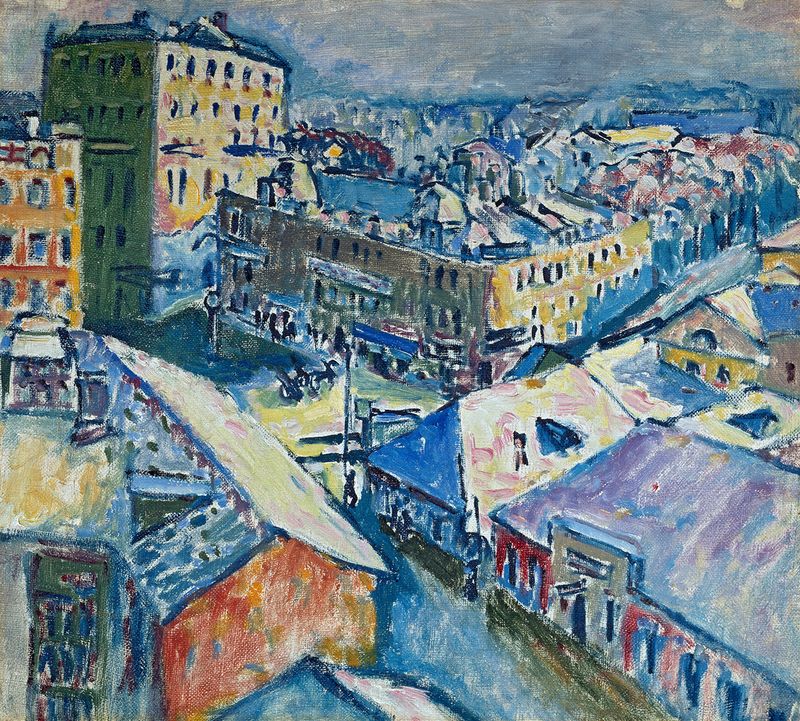
What if beauty was never meant to be finished? In the vibrant strokes and layered textures of this work, one can feel the pulse of creative ecstasy, as if each brushstroke is a breath caught in the moment between despair and delight. Look to the center of the canvas, where a swirling mass of color and form converges in a dance of light and shadow. The bold reds and oranges are punctuated by cool blues, creating a tension that vibrates with energy. Notice how the artist employs thick impasto techniques, allowing the paint to stand proud from the surface, infusing the piece with an almost sculptural quality.
The dynamic movement invites the viewer’s eye to traverse the canvas, yet it remains rooted in the singular moment of beauty—raw and unfinished. Hidden within the exuberance lies a profound contrast: the interplay of chaos and harmony. The frenetic lines suggest urgency and passion, yet there is an underlying structure that hints at a greater order. This duality evokes feelings of ecstasy intertwined with uncertainty, prompting contemplation on the nature of creation itself.
The fragments of form and color seem to celebrate life’s transitory beauty, a reminder that perfection is an illusion never fully realized. In 1900, Eduard Zetsche was immersed in the vibrant art scene of Vienna, a city alive with innovation and change. He produced this work during a period marked by artistic exploration and experimentation, reflecting a moment when the boundaries of traditional art were expanding. The late 19th and early 20th centuries saw a rise in movements that embraced emotional expression, and Zetsche, influenced by both Impressionism and the nascent modernist ideas, sought to capture the essence of beauty in its most ecstatic form.
More Artworks by Eduard Zetsche
Browse all →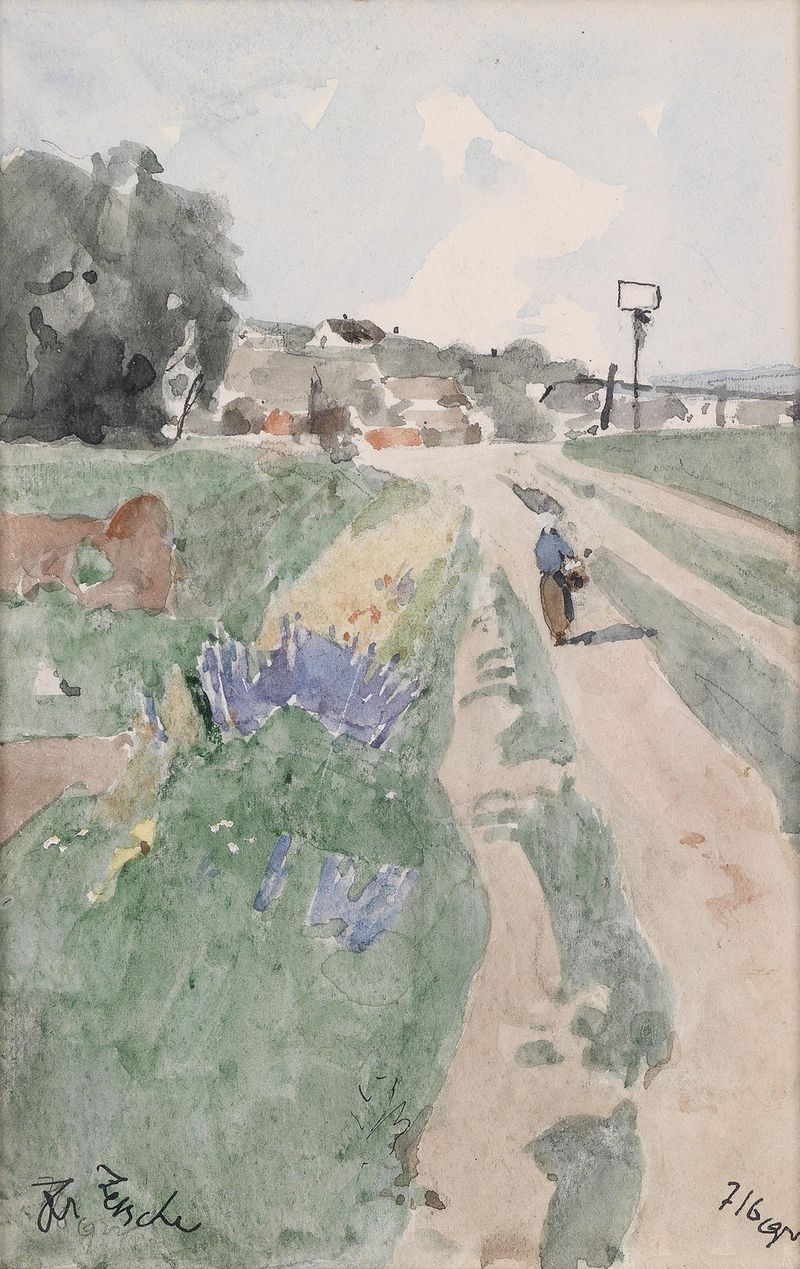
Weg bei Hadersdorf
Eduard Zetsche
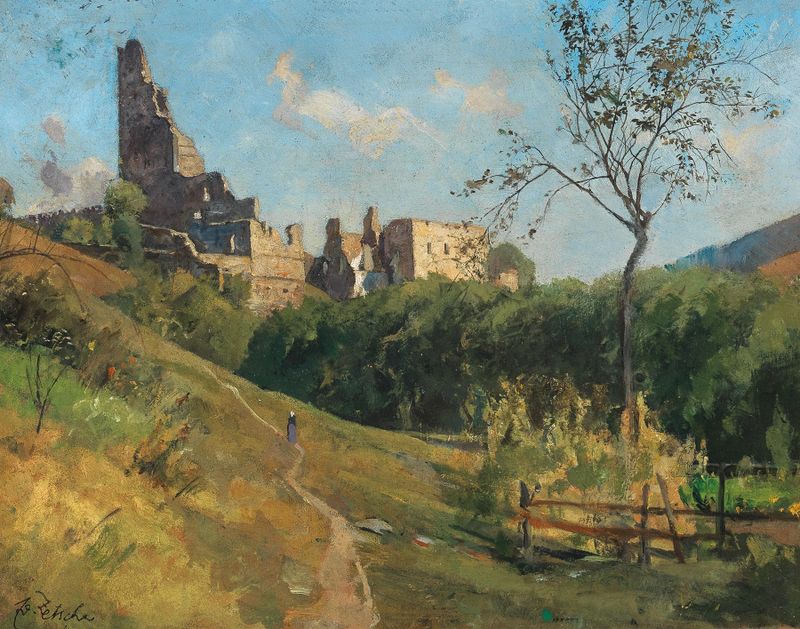
Ruins in the Wachau region
Eduard Zetsche
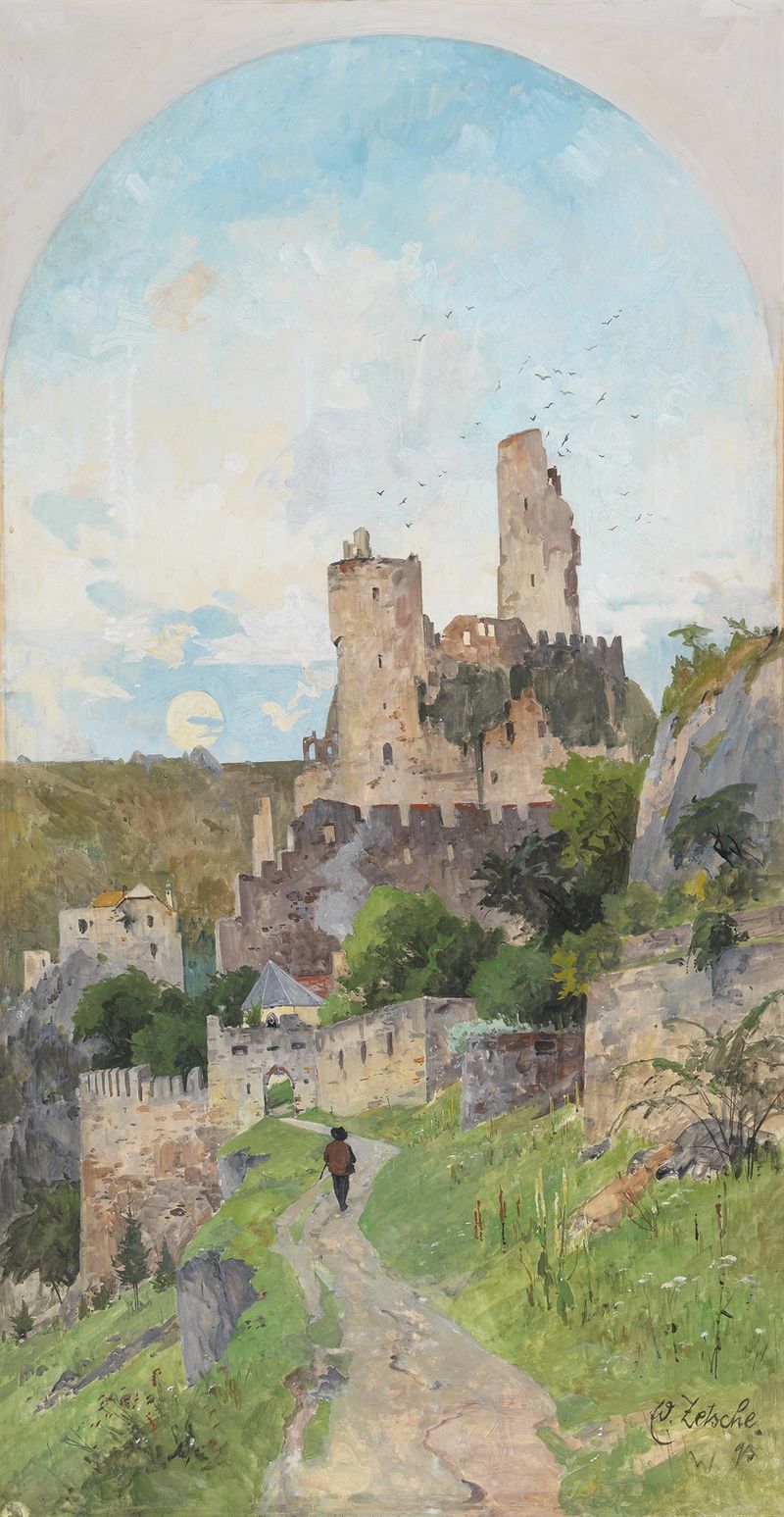
Blick auf die Ruine Dürnstein
Eduard Zetsche
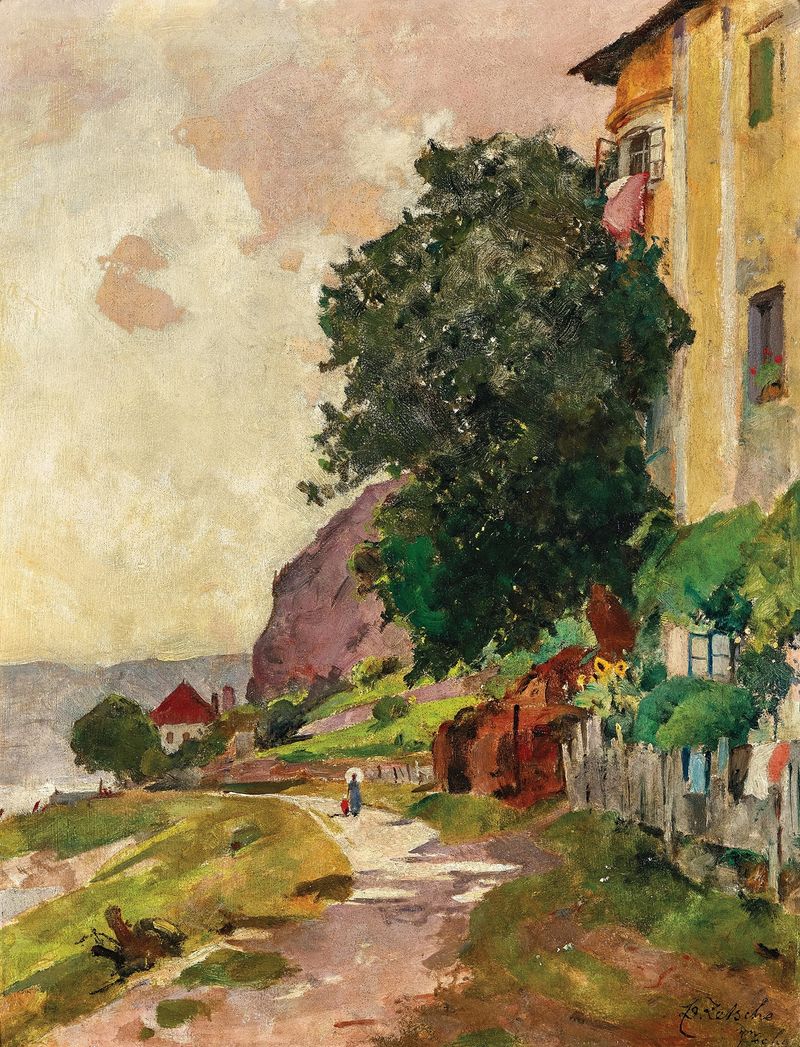
Beim Förthof, Ramsau
Eduard Zetsche
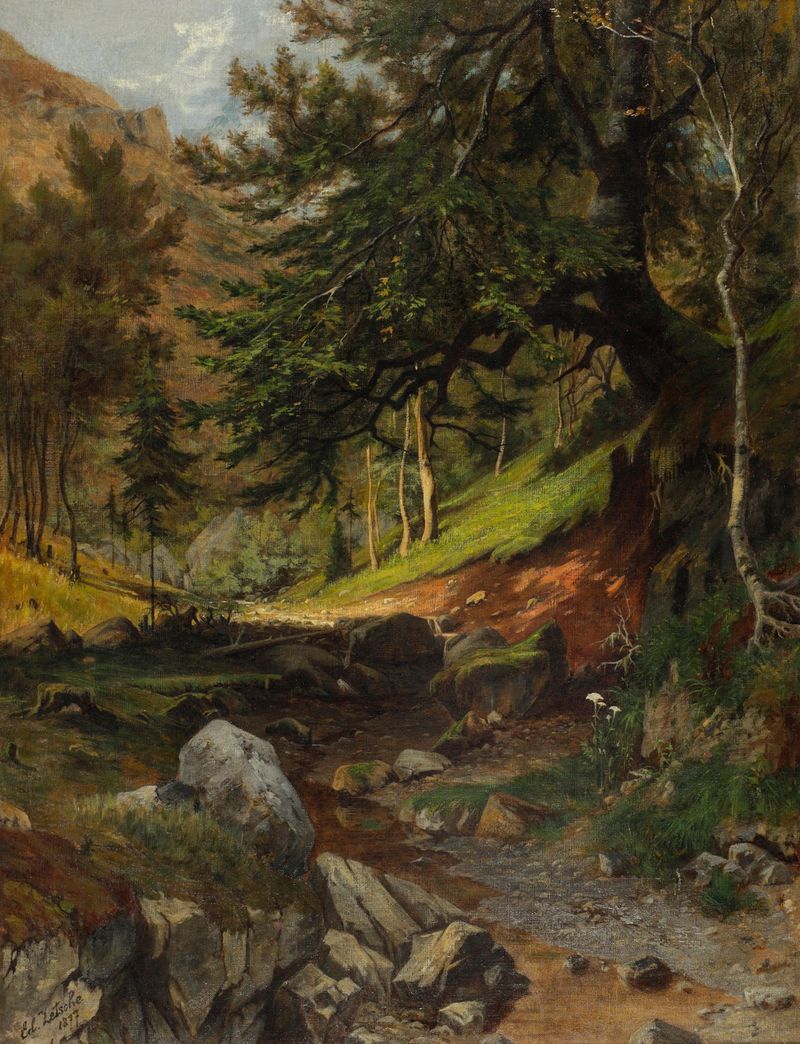
Waldpartie mit Bachlauf
Eduard Zetsche
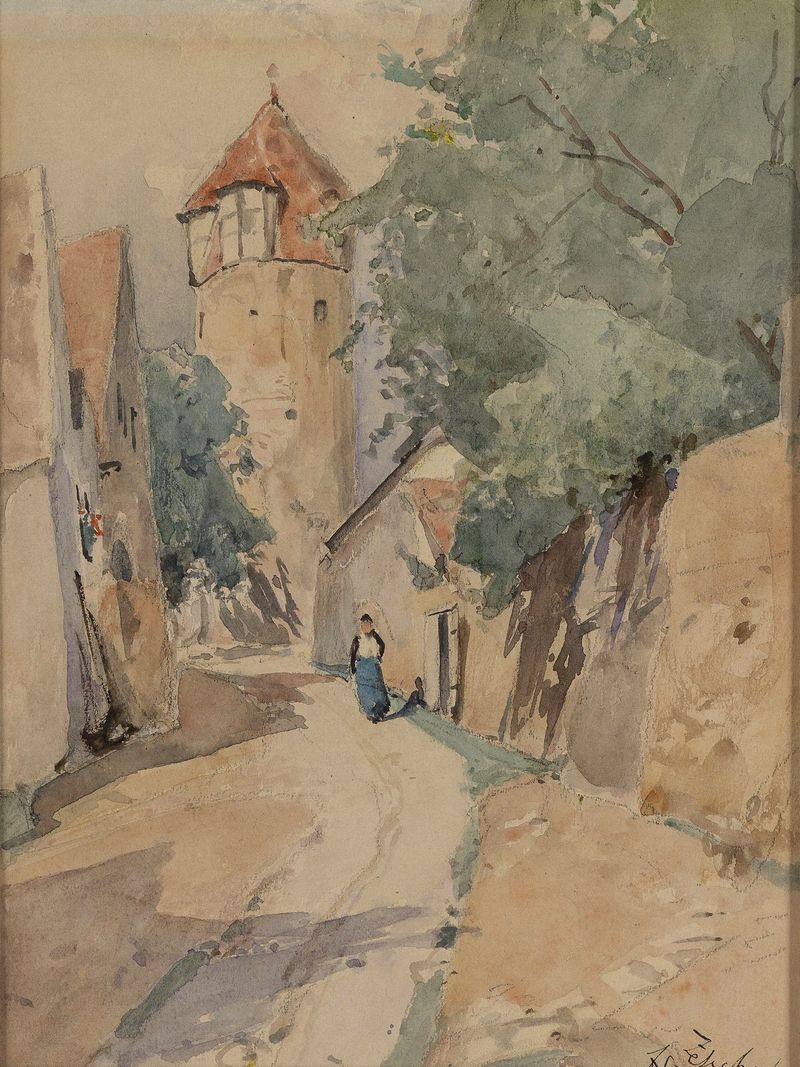
Sulzbach
Eduard Zetsche

Praterpartie
Eduard Zetsche
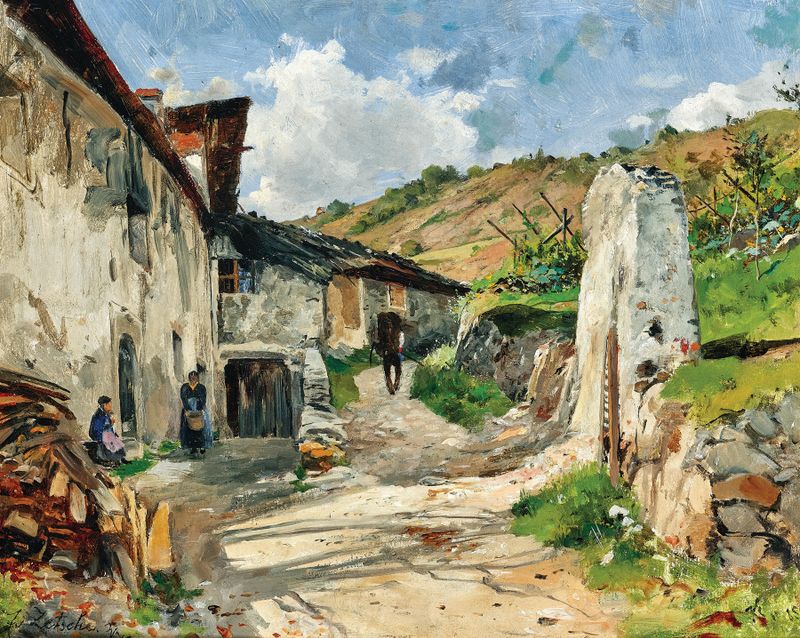
Wachau region, a path to a vineyard near a village
Eduard Zetsche

Motiv bei Lichtenwörth
Eduard Zetsche
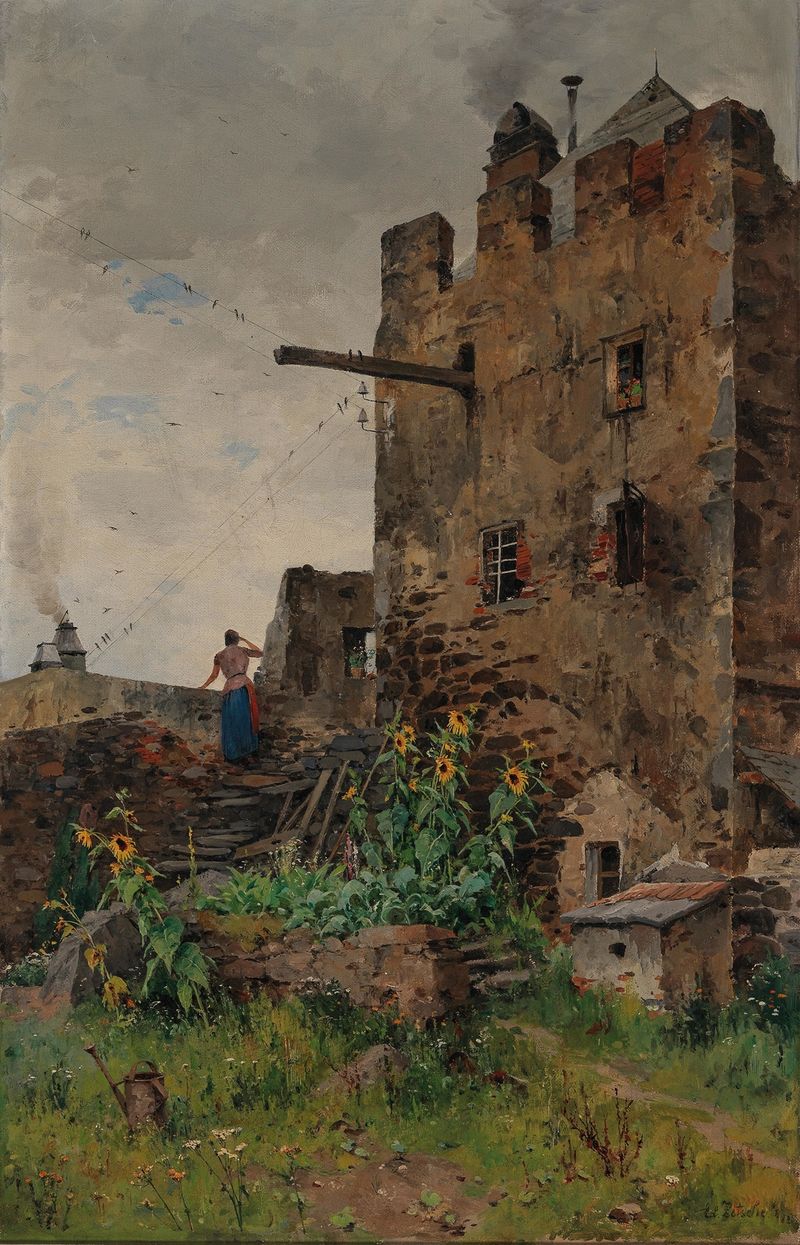
Wachau, Scene of Dürnstein, by the Old Town Wall
Eduard Zetsche