
Aus Lenggries — History & Facts
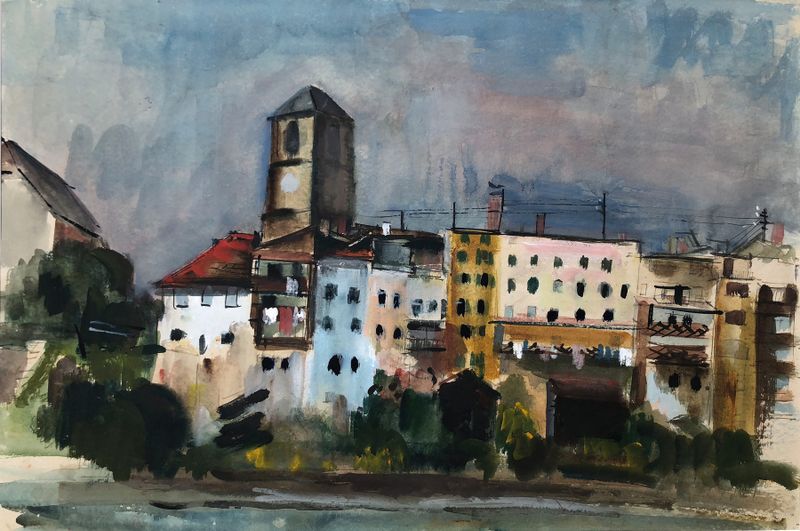
Who listens when art speaks of silence? Within the heart of decay lies the haunting beauty of forgotten places, where time weaves stories through shadow and light. Look closely at the textured surface of the canvas. Notice how layers of muted earth tones intertwine, creating a landscape that breathes both history and melancholy. The subtle palette invokes a sense of nostalgia, drawing your gaze to the crumbling architecture that peeks through a veil of nature reclaiming its domain.
Observe how the interplay of light and shadow enhances the contours of the dilapidated structures, suggesting a struggle between man-made permanence and the inevitable pull of time. Upon deeper reflection, the painting reveals themes of transience and resilience. The cracks in the walls tell tales of abandonment, yet the creeping vegetation signifies life’s persistence in the face of neglect. This contrast evokes an emotional tension—a balance between beauty and sorrow, permanence and decay.
Each brushstroke speaks to the fragility of existence, inviting the viewer to ponder what is lost and what remains. The work emerged from the mind of Geigenberger during an era steeped in post-war reflection, likely in the mid-20th century. His artistic journey unfolded against a backdrop of rapid industrialization and cultural upheaval in Europe. The artist, intrigued by the juxtaposition of nature and human impact, sought to capture this dynamic in a world where silence often speaks louder than words, embodying the spirit of a moment that yearns to be remembered.
More Artworks by Otto Geigenberger
Browse all →
Hohe Munde bei Seefeld in Tirol
Otto Geigenberger
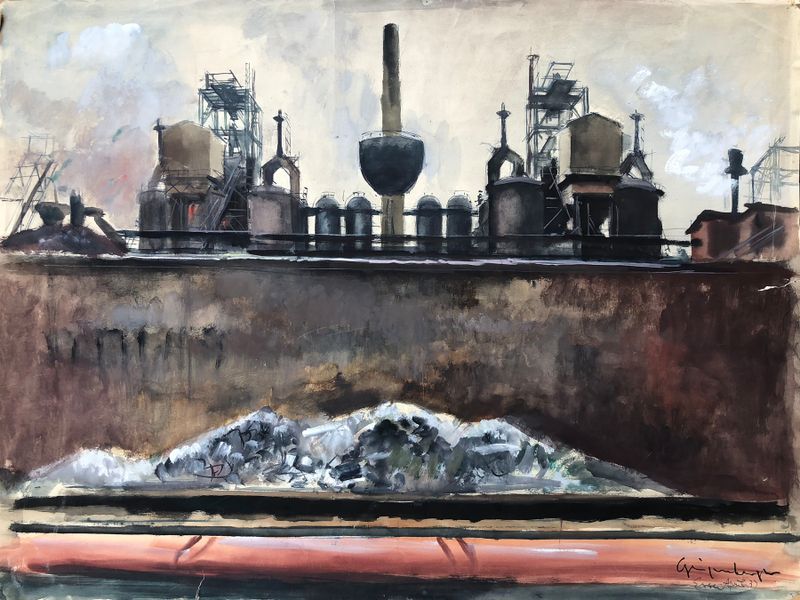
Stahlwerk Krupp in Essen
Otto Geigenberger

Landschaft mit Kirche
Otto Geigenberger

Passau am Inn 2
Otto Geigenberger
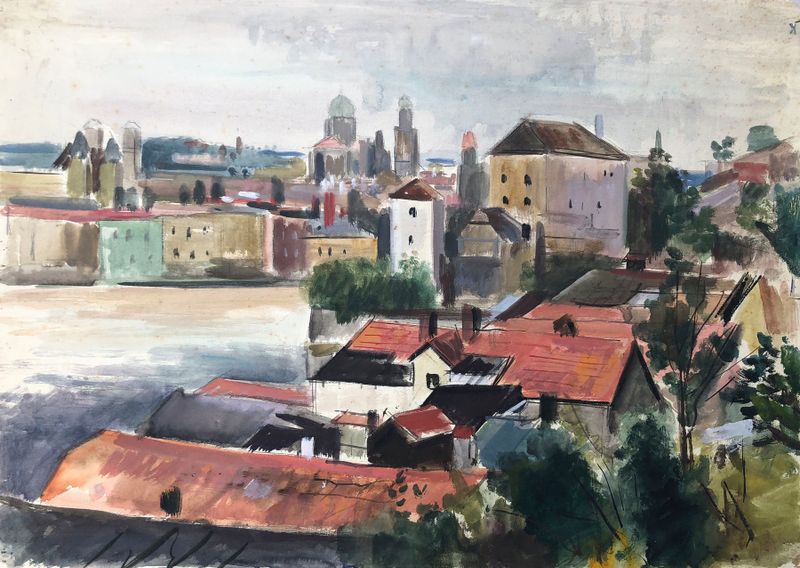
Passau am Inn
Otto Geigenberger
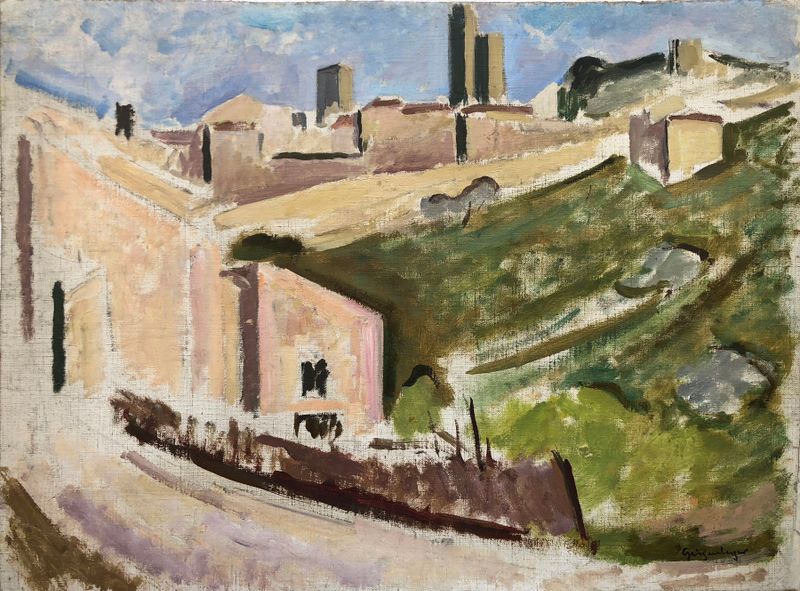
Südliche Stadt auf einem Hügel
Otto Geigenberger

Wasserburg am Inn – Häuserpartie am Inn
Otto Geigenberger

Wasserburg am Inn – Innfront
Otto Geigenberger
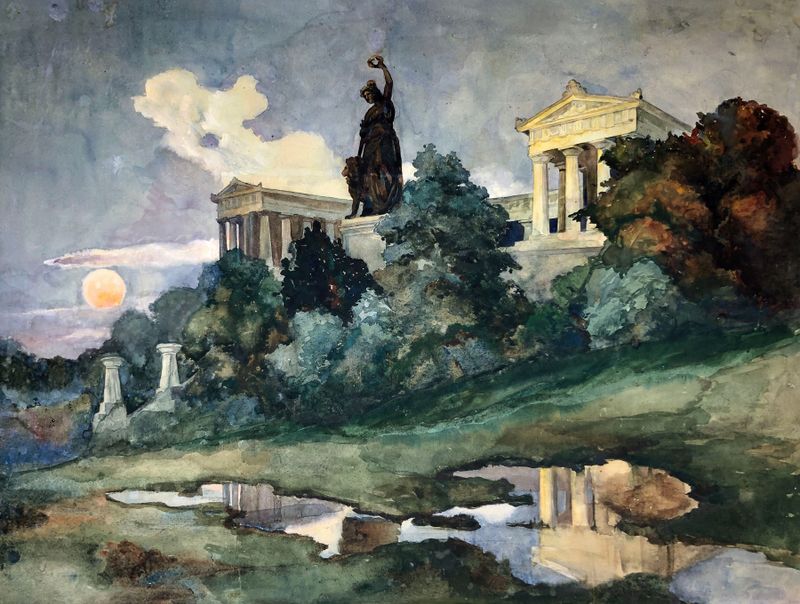
Sonnenuntergang an der Bavaria und Ruhmeshalle in München
Otto Geigenberger
Wasserburg am Inn – Innfront.
Otto Geigenberger





