Aussicht vom Berninapass ins Poschiavotal — History & Analysis
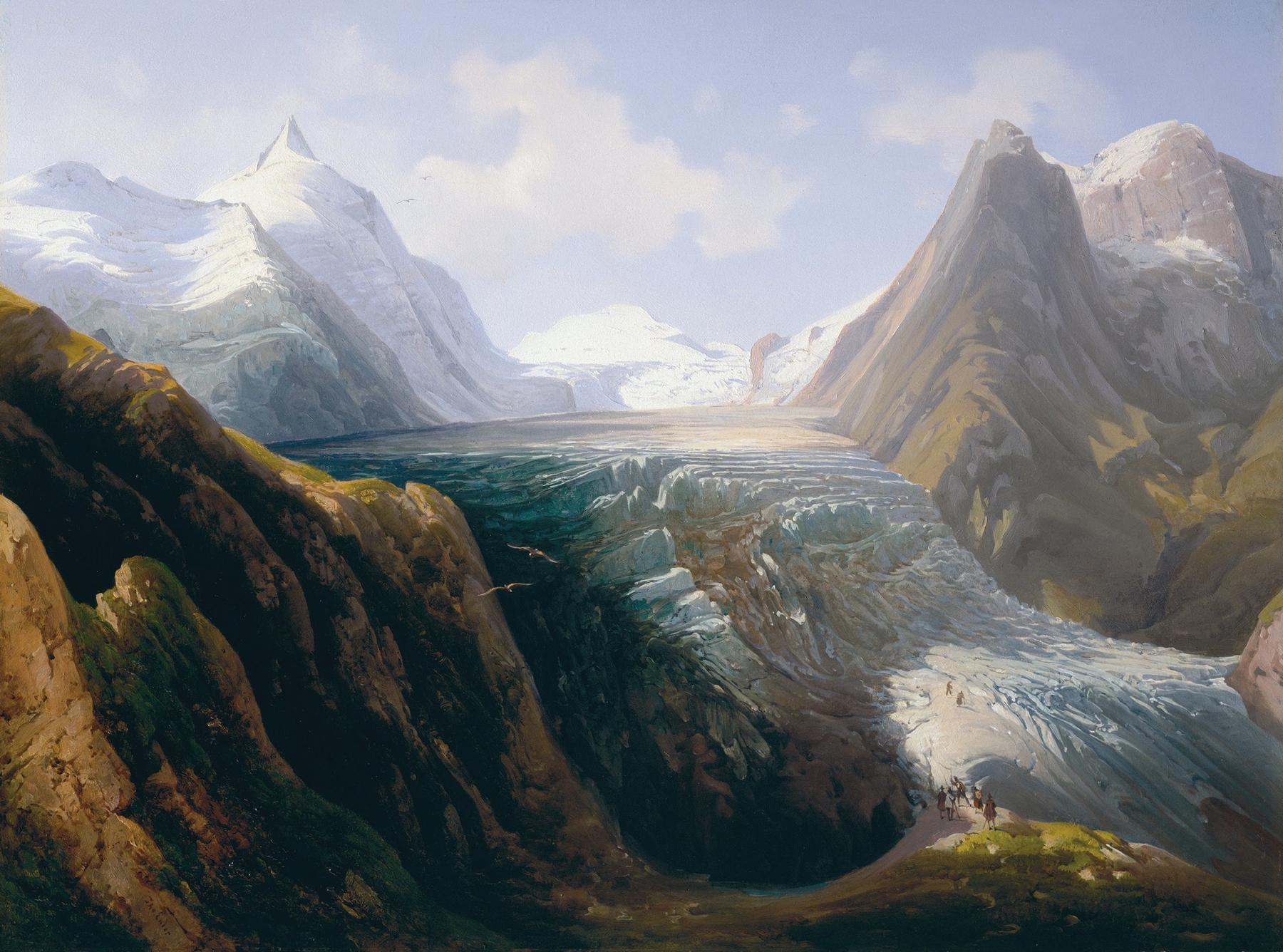
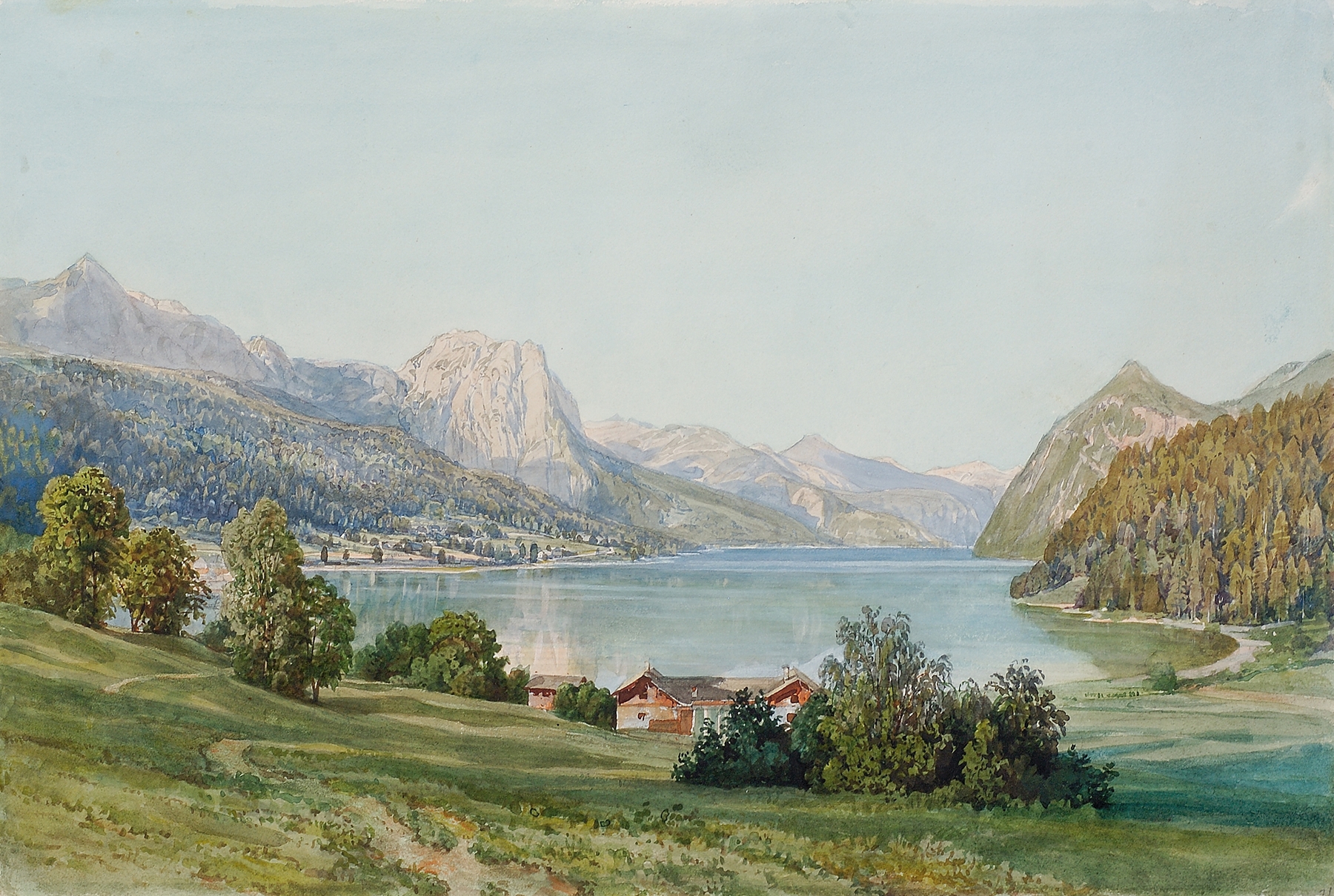
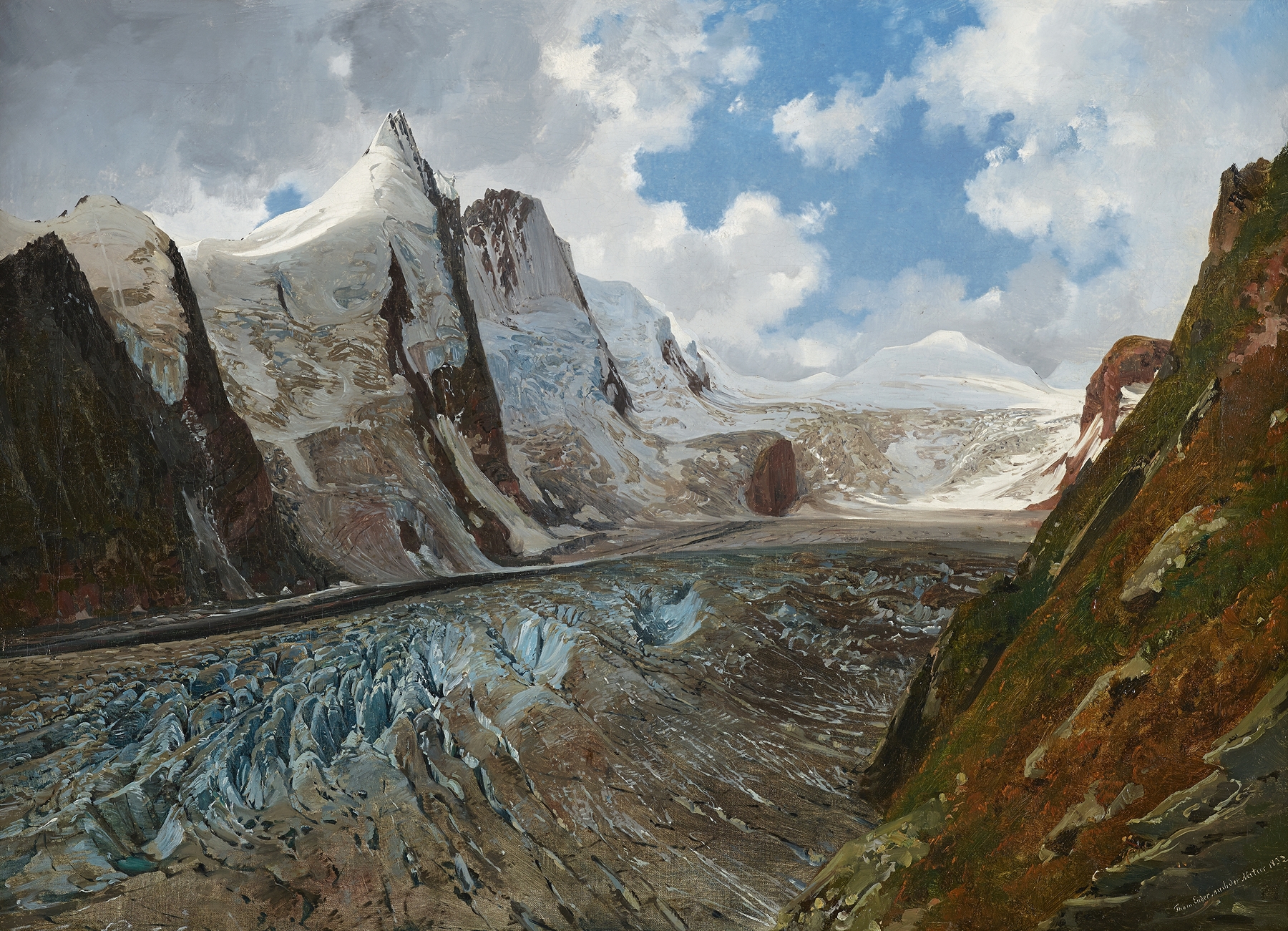
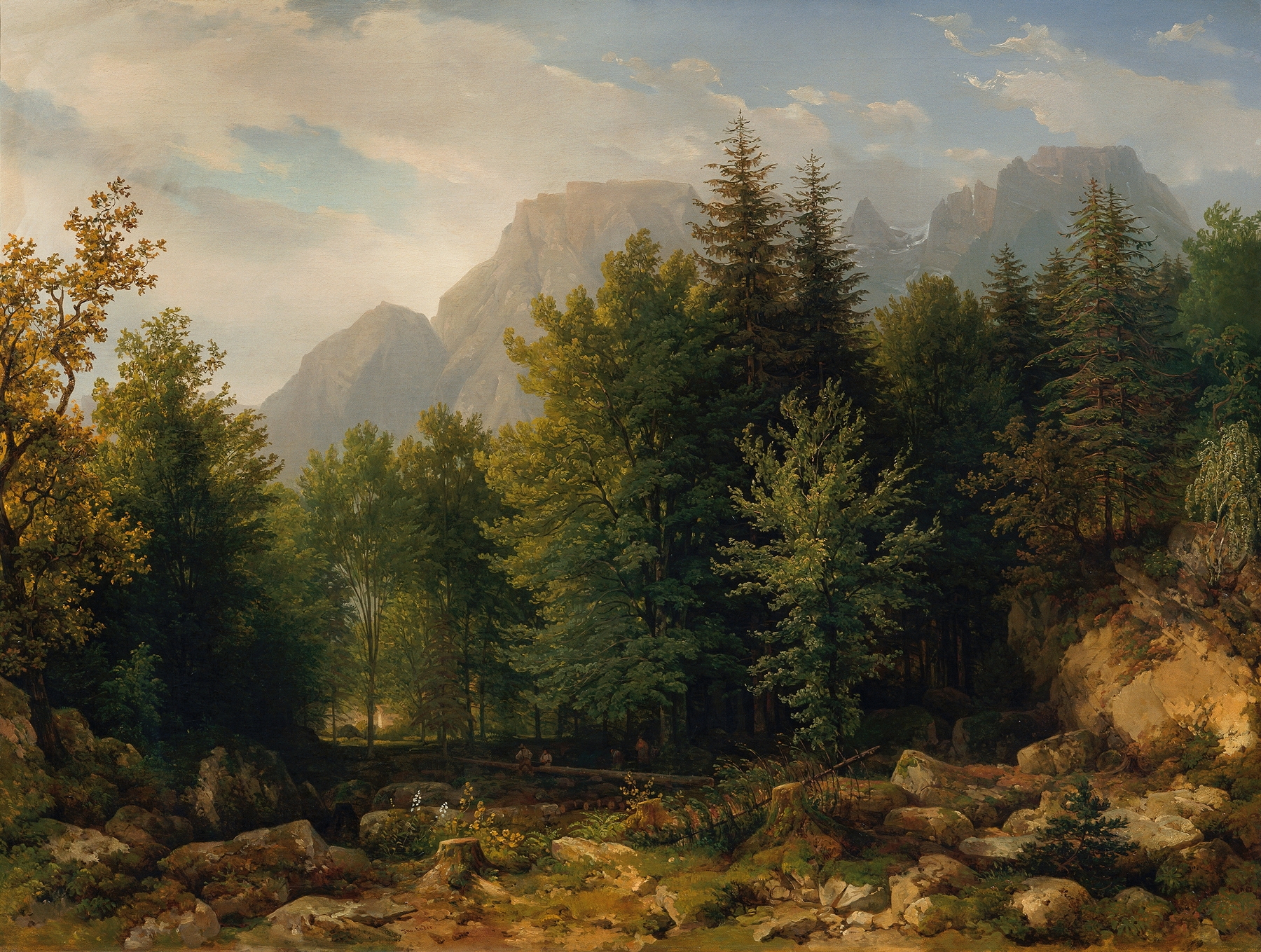
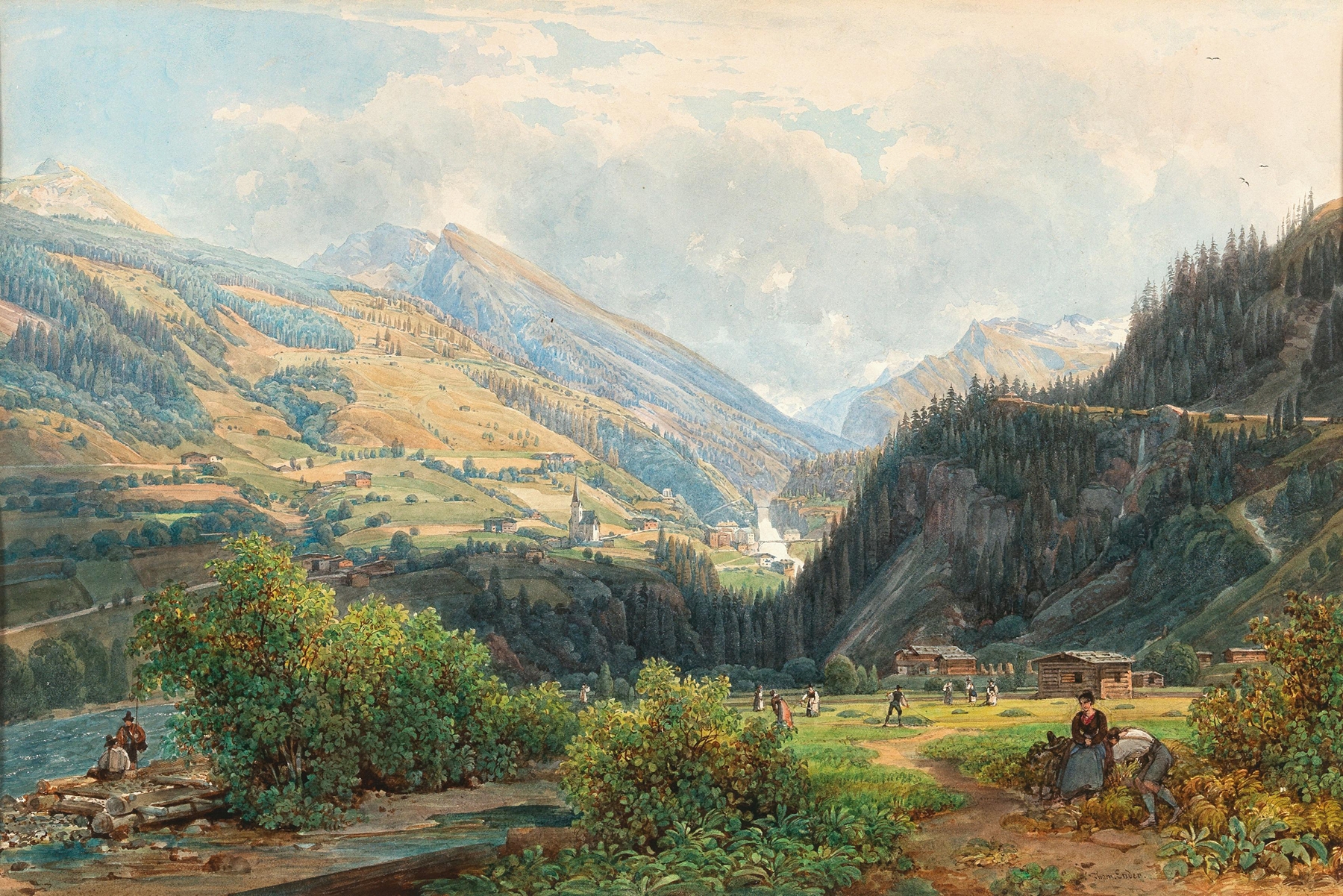
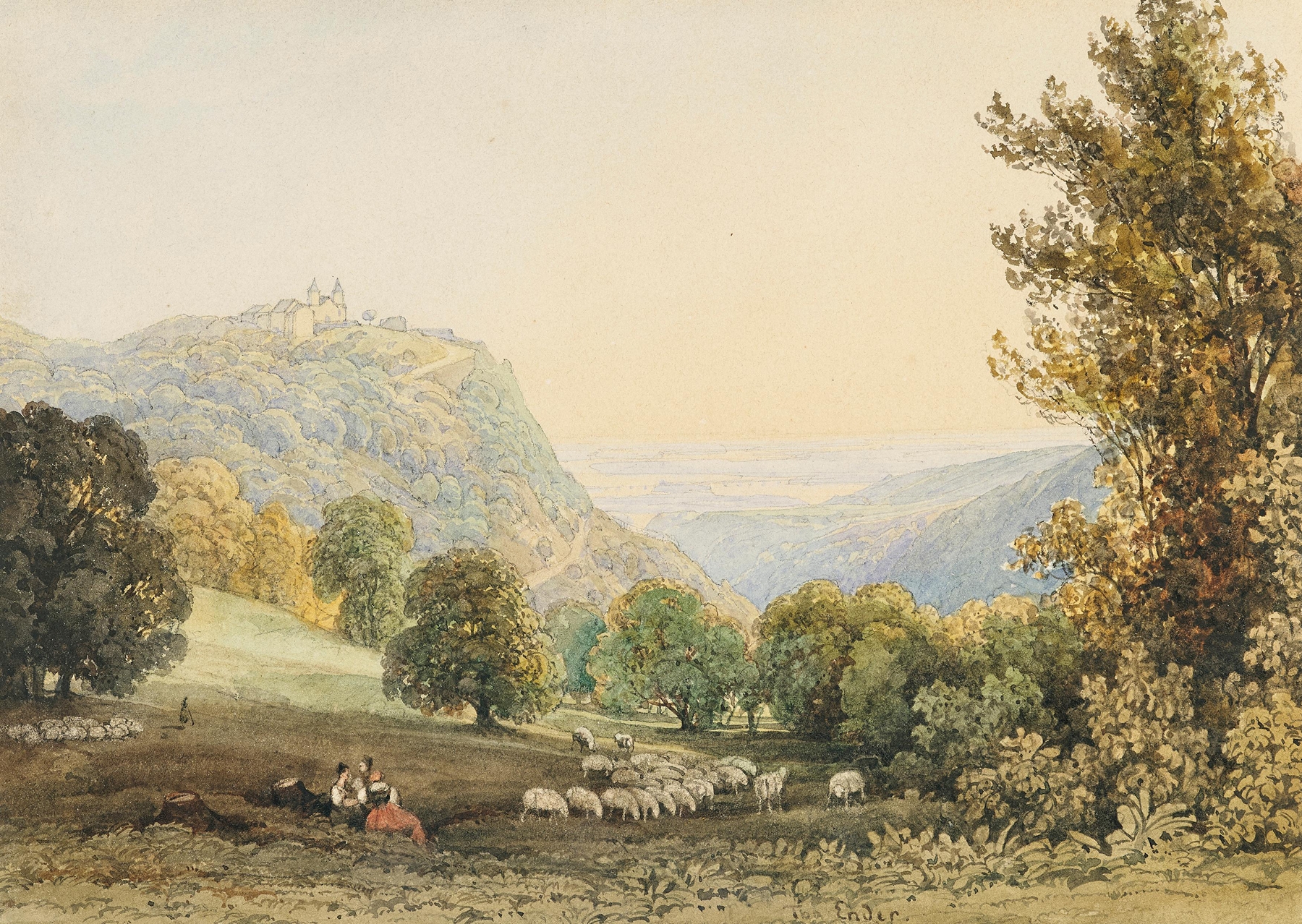
“Under the brush, chaos becomes grace.” In the sweeping expanse of the Bernina Pass, nature speaks in whispers and roars, a constant dialogue between the rugged mountains and the serene valleys below. Thomas Ender captures not just a landscape, but the very essence of transcendence, inviting the viewer to step into a world where the sublime meets the earthly. Focus on the intricate interplay of colors as you gaze upon the rolling hills and towering peaks. Notice how the light dances across the canvas, illuminating the valleys with warm hues while casting cool shadows on the rugged crags.
The composition draws your eye from the foreground, where delicate foliage clings to life, toward the majestic backdrop of the mountains that seem to stretch endlessly into the sky. Each brushstroke invites you to experience the depth and texture of the natural world. Within this peaceful scene lies a tension between the gentle slopes and the formidable mountains, symbolizing the duality of life's journey. The melding of vibrant greens and the cool blues of distant glaciers evokes a sense of harmony and discord, reflecting the balance between chaos and serenity in nature.
As you linger on the details—perhaps a solitary tree bravely standing against the elements—you sense the resilience and fragility of the natural world, a poignant reminder of life's impermanence. Ender painted this work during a period of exploration in the 19th century, when artists were increasingly drawn to the awe-inspiring landscapes of the Alps. His travels in this region not only shaped his artistic vision but also coincided with a broader Romantic movement that sought to capture the emotional power of nature. This artwork thus emerges as a testament to both the idyllic beauty of the Swiss landscape and the artist's quest for transcendence amidst the chaos of existence.