
Autumn — History & Facts
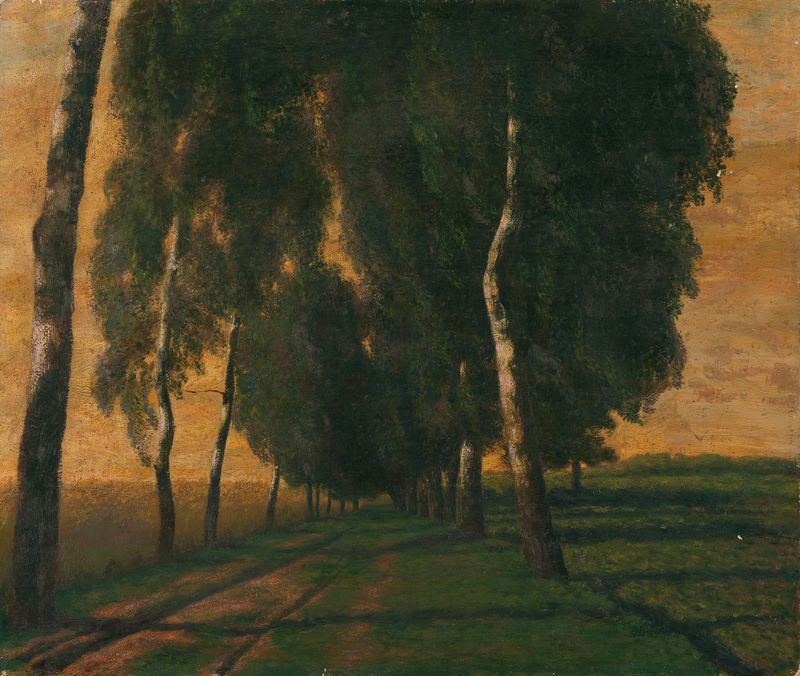
Could a single brushstroke hold eternity? In a world where moments fade like autumn leaves, the brush becomes a vessel for legacy. Look to the top left of Autumn, where fiery reds and deep oranges meld together, evoking both the warmth of the season and the chill of its impending end. The composition flows gently downward, leading the eye through a landscape that feels at once both alive and resigned. Notice how the brushstrokes vary in thickness and texture, with vibrant splashes contrasting against more muted, contemplative areas, inviting reflections on the passage of time. Delve deeper, and you’ll encounter the emotional tension between nostalgia and acceptance.
The lush colors evoke memories of abundance, yet the sparse, barren patches symbolize inevitable decay. This duality reflects the artist’s understanding of life cycles, capturing both the beauty and sorrow inherent in change. Each layer adds weight to the canvas, suggesting that what is vibrant today may soon yield to stillness, urging viewers to confront their own fleeting moments. Created in 1944, this work emerged during a time of upheaval in Europe, as the artist grappled with the chaos of World War II.
Living in Poland, Kowarski's art became a refuge, a means to explore not only his personal experiences but also the collective trauma of a world on the brink of transformation. His exploration of nature's cycles speaks to a wider human experience, reminding us that legacy, much like the seasons, is both transient and profound.
More Artworks by Felicjan Szczęsny Kowarski
Browse all →
Landscape with ruins on a hill
Felicjan Szczęsny Kowarski
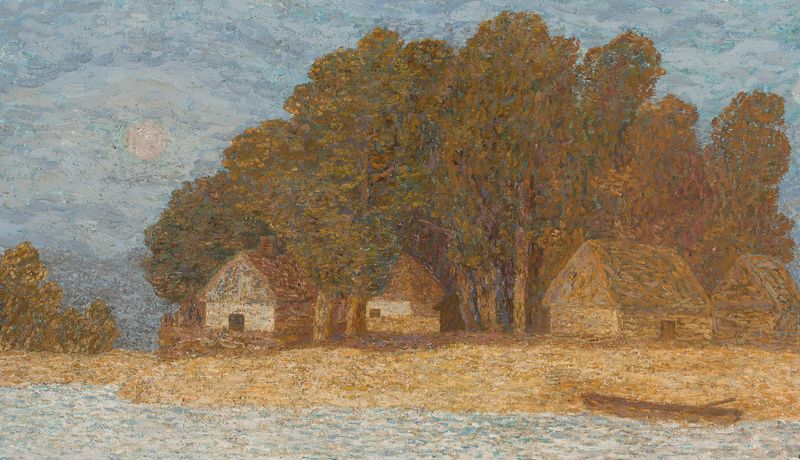
Landscape
Felicjan Szczęsny Kowarski

Evening landscape
Felicjan Szczęsny Kowarski
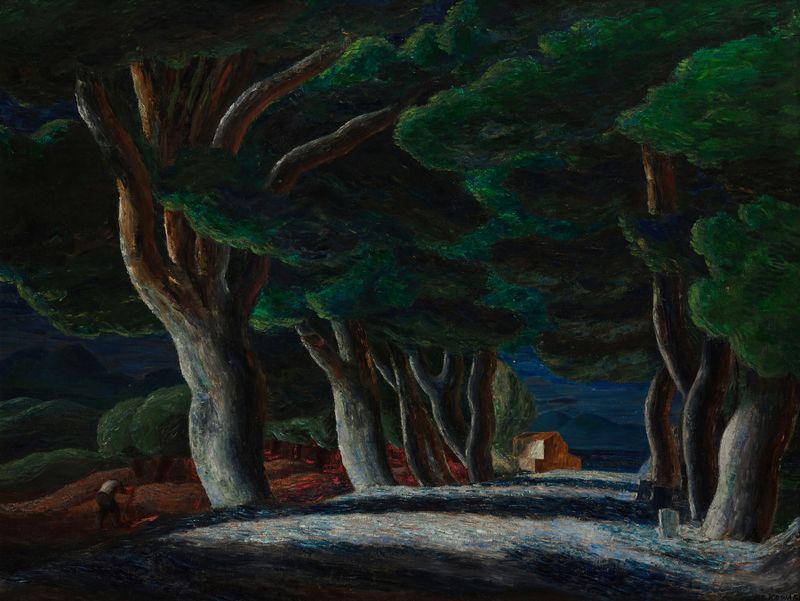
Landscape I
Felicjan Szczęsny Kowarski
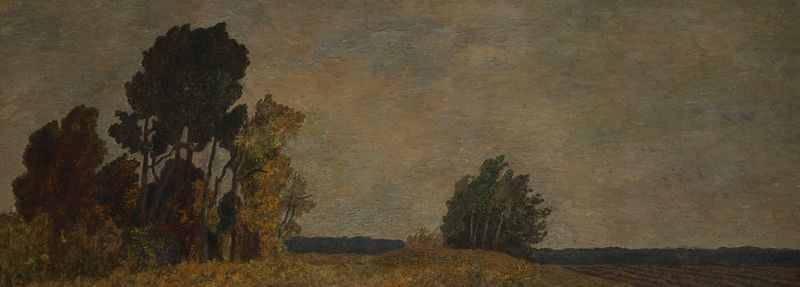
Forest Edge
Felicjan Szczęsny Kowarski

Mountainscape at sunset
Felicjan Szczęsny Kowarski
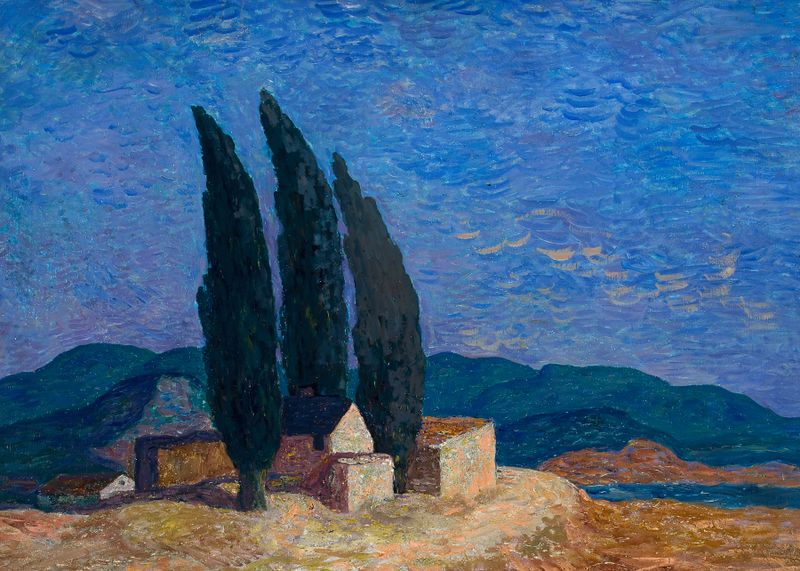
Italian landscape
Felicjan Szczęsny Kowarski
Landscape with a field road
Felicjan Szczęsny Kowarski

Wilanów landscape (Dry tree)
Felicjan Szczęsny Kowarski

Italian landscape (Rome, Via Appia)
Felicjan Szczęsny Kowarski





