
Landscape I — History & Facts
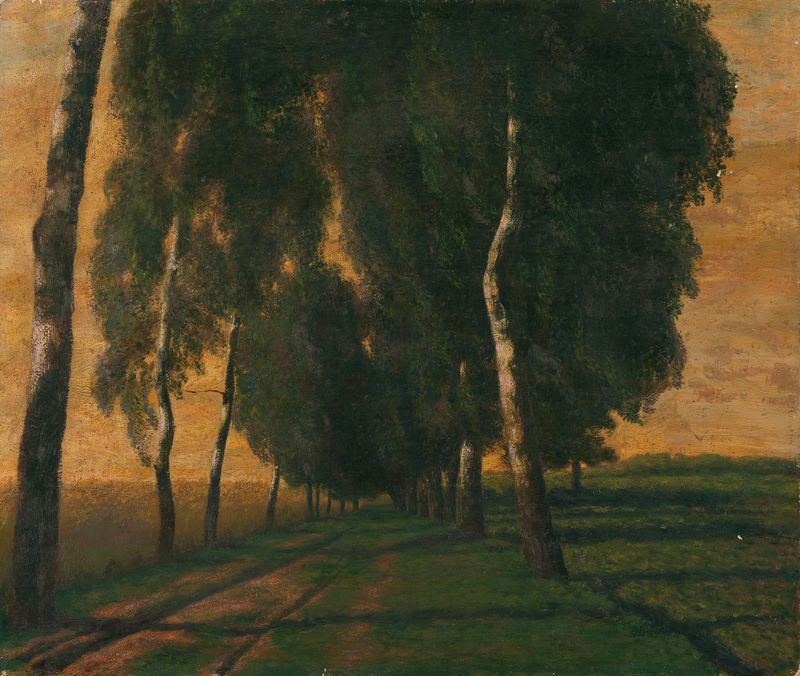
In that silence of solitude, one can glimpse the raw edges of loss, a theme echoed in the tranquil expanses of this piece. As we stand before Landscape I, we are invited to engage with the essence of what remains when everything else fades. Look to the horizon, where muted greens and browns merge seamlessly, creating a subtle gradient that draws the eye deeper into the scene. Notice how the brushstrokes vary in thickness, each one a testimony to the artist's hand, leading your gaze through the layered textures of earth and sky.
The light dances upon the canvas, illuminating certain areas while leaving others in shadow, evoking a sense of nostalgia and quiet contemplation. In this landscape, the juxtaposition of calm and turmoil is palpable. The serenity of the foreground contrasts starkly with the tumultuous clouds above, suggesting an inner struggle beneath a peaceful facade. The absence of human figures amplifies the feeling of isolation, creating a space for the viewer to confront their own sense of loss.
Each detail—the twisting trees and the stillness of the earth—whispers the stories of what once was, capturing a transient beauty that resonates with the heart. Created in 1923, during a period of significant upheaval in Poland and Europe, the artist poured his reflections on personal and societal loss into this composition. Kowarski had recently experienced the aftermath of World War I, a time marked by change and uncertainty. His art became a sanctuary, a way to express the complex emotions that arose from this turbulent backdrop, forever capturing a poignant moment in history.
More Artworks by Felicjan Szczęsny Kowarski
Browse all →
Landscape with ruins on a hill
Felicjan Szczęsny Kowarski
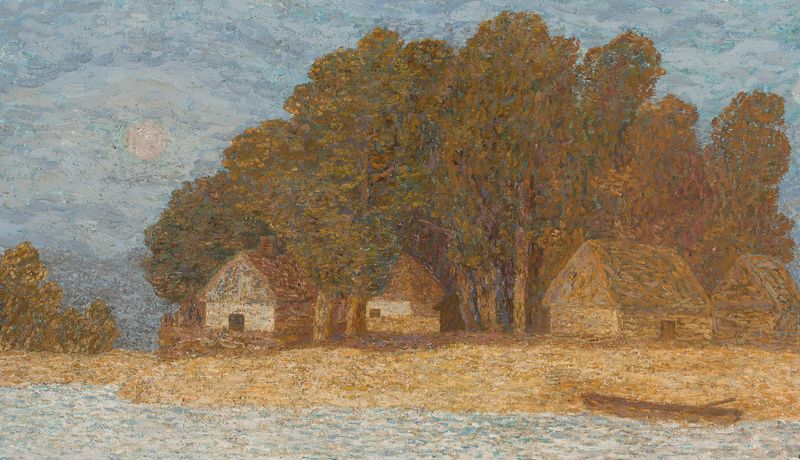
Landscape
Felicjan Szczęsny Kowarski

Evening landscape
Felicjan Szczęsny Kowarski
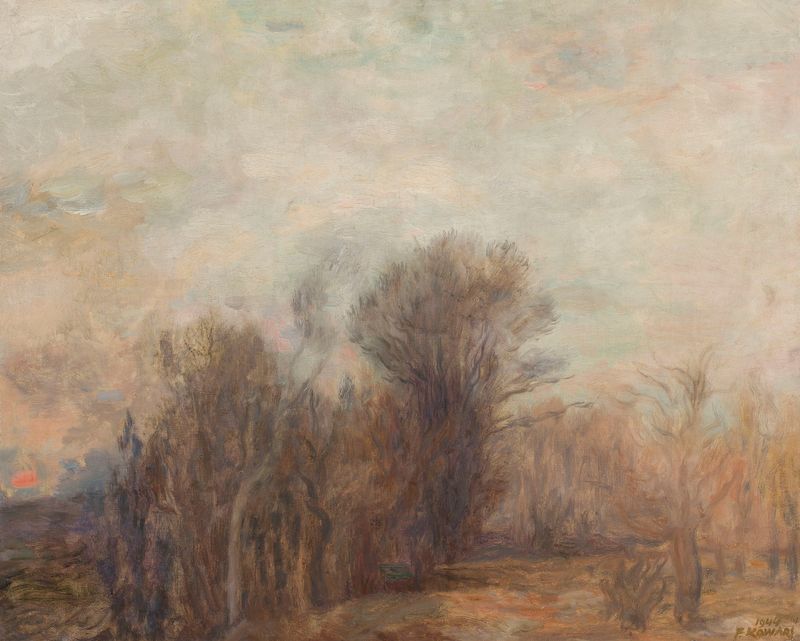
Autumn
Felicjan Szczęsny Kowarski
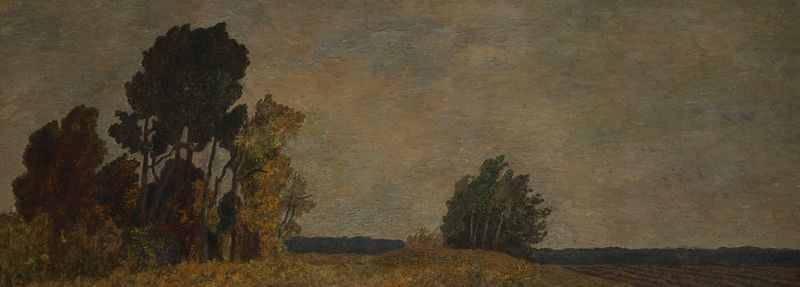
Forest Edge
Felicjan Szczęsny Kowarski

Mountainscape at sunset
Felicjan Szczęsny Kowarski
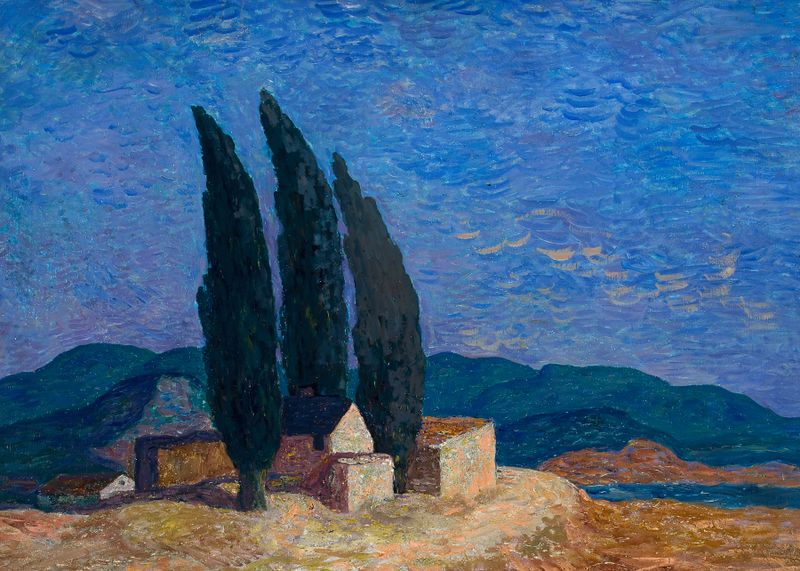
Italian landscape
Felicjan Szczęsny Kowarski
Landscape with a field road
Felicjan Szczęsny Kowarski

Wilanów landscape (Dry tree)
Felicjan Szczęsny Kowarski

Italian landscape (Rome, Via Appia)
Felicjan Szczęsny Kowarski





