Autumn blooms — History & Facts
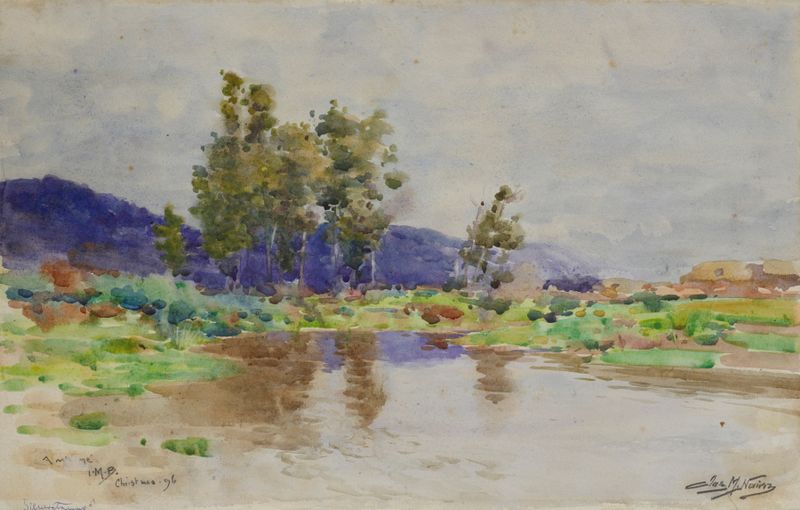
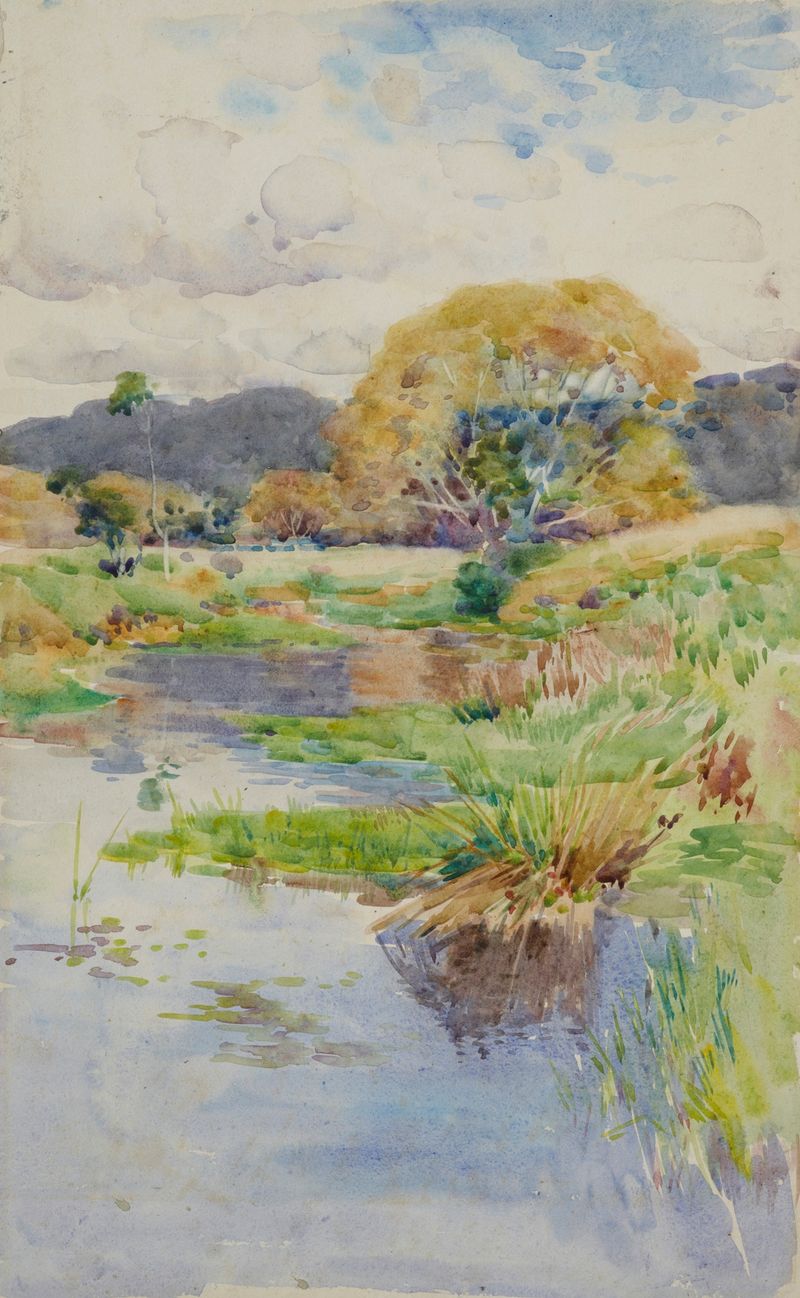
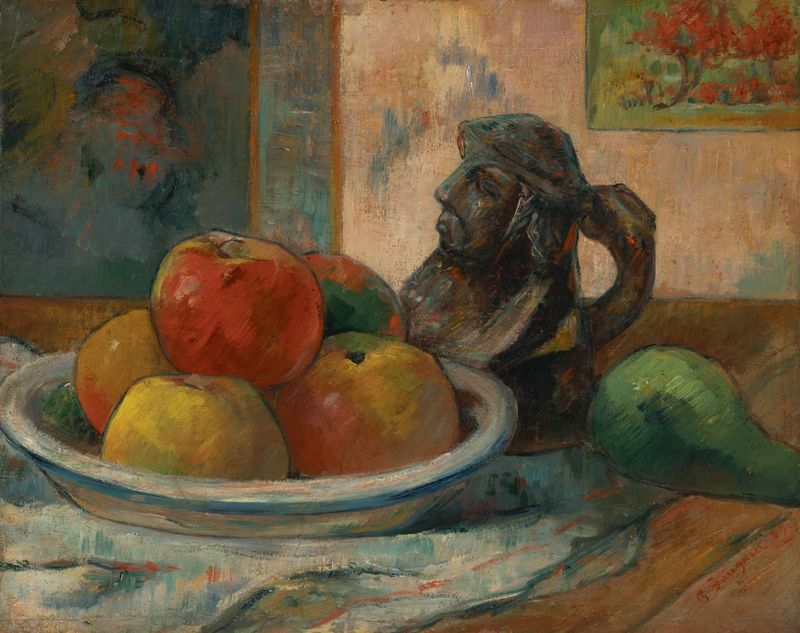
In the canvas of Autumn Blooms, a poignant stillness envelops the viewer, drawing them into a world where fleeting beauty dances with the inevitability of decay. Look to the right at the vibrant bursts of chrysanthemum petals, their rich oranges and deep reds contrasting sharply against the muted background. Notice how the brushstrokes capture the delicate wavering of the flowers, suggesting both their vitality and the impending chill of autumn. The composition feels intimate, as if the blooms were plucked just moments before the scene was rendered, inviting the viewer to linger in this serene yet transient moment. Yet, within the vivid hues lies a deeper tension.
The juxtaposition of life and the impending emptiness of winter creates an emotional weight, suggesting that beauty is fleeting and that every bloom carries the echo of what is to come. The scattered leaves at the base hint at the passage of time, each one a reminder of nature's cyclical dance between abundance and desolation. James Nairn painted Autumn Blooms in 1899 while living in Scotland, a time when the art world was experiencing shifts towards Impressionism and the exploration of color and light. Nairn's work during this period encapsulated the essence of the Scottish landscapes, capturing both their beauty and melancholy.
As he embraced the changing seasons in his art, he also navigated personal and cultural shifts, making his portrayal of nature resonate with deeper significance.