Hutt Valley — History & Facts
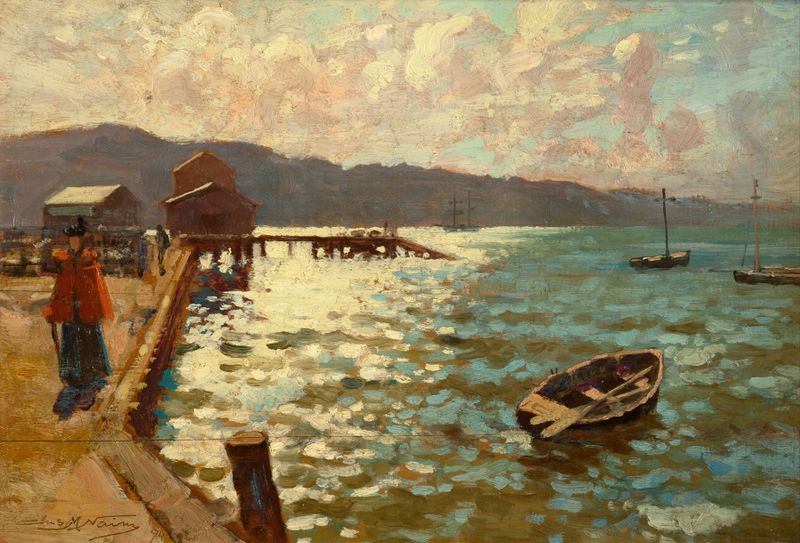
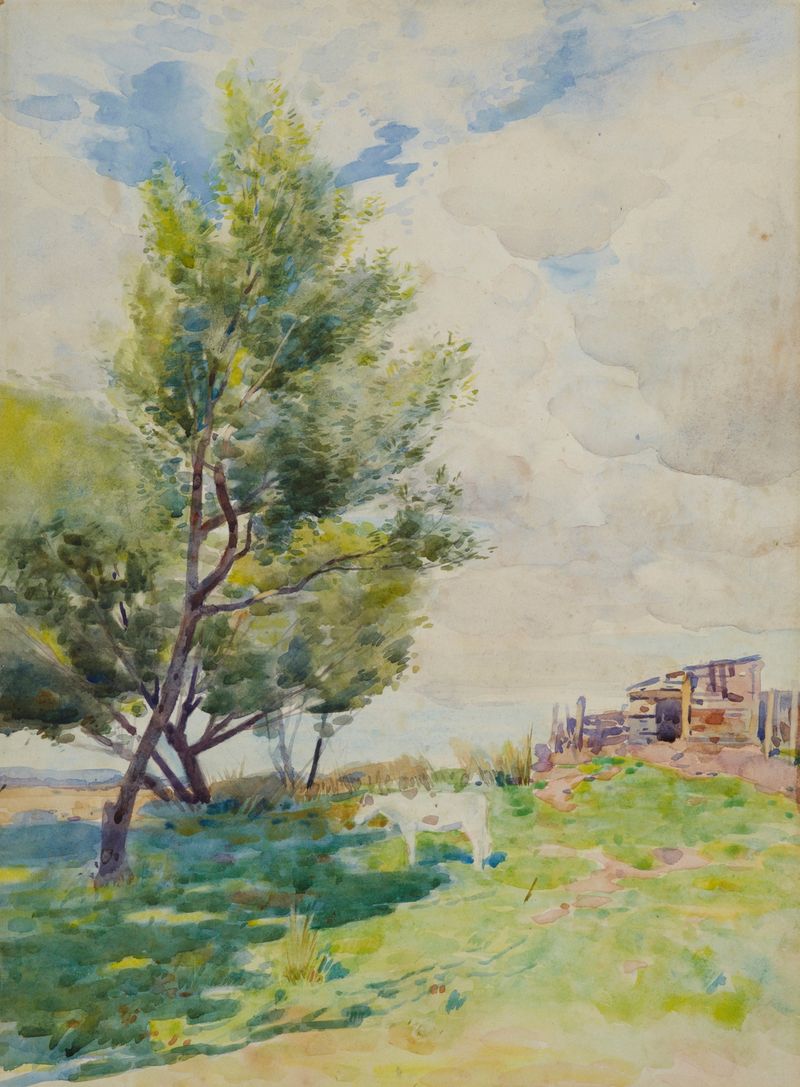
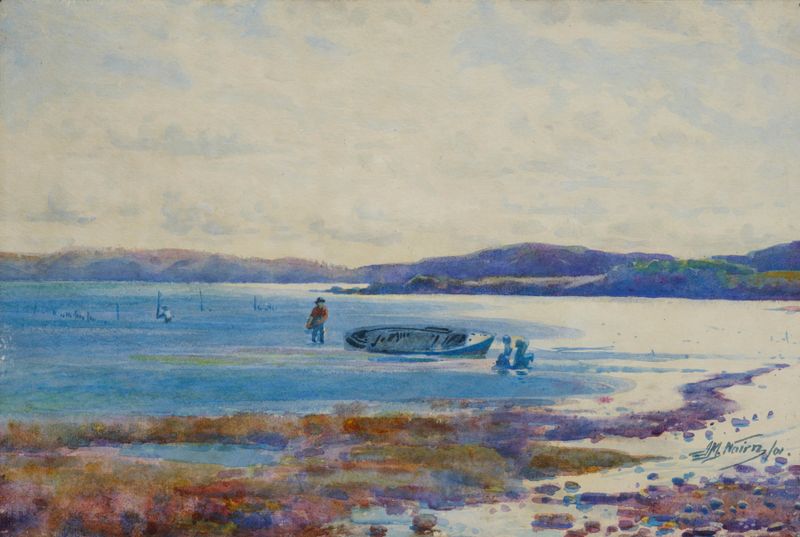
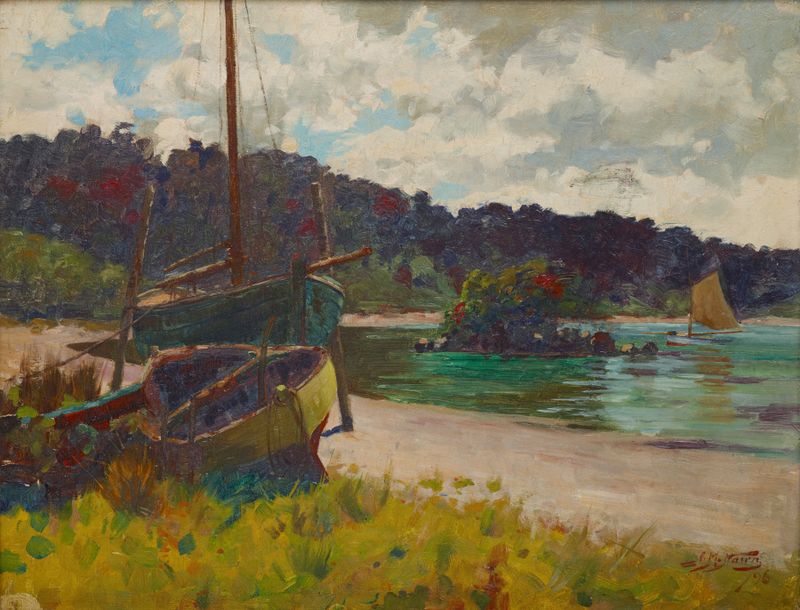
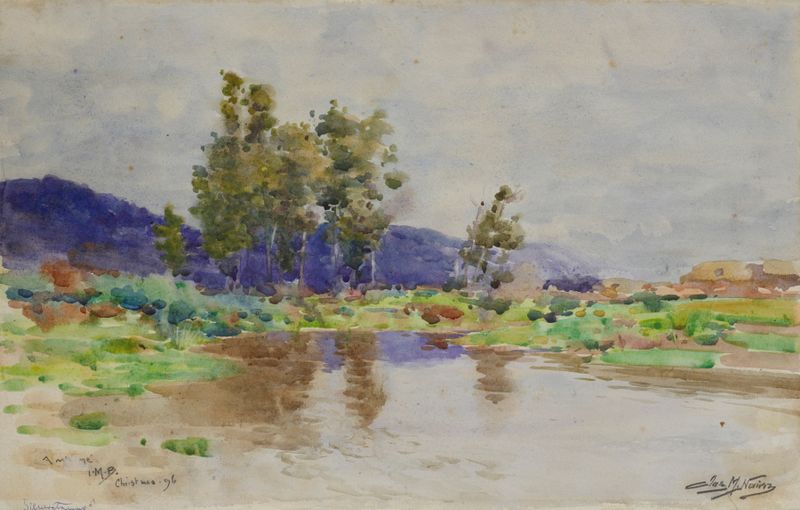
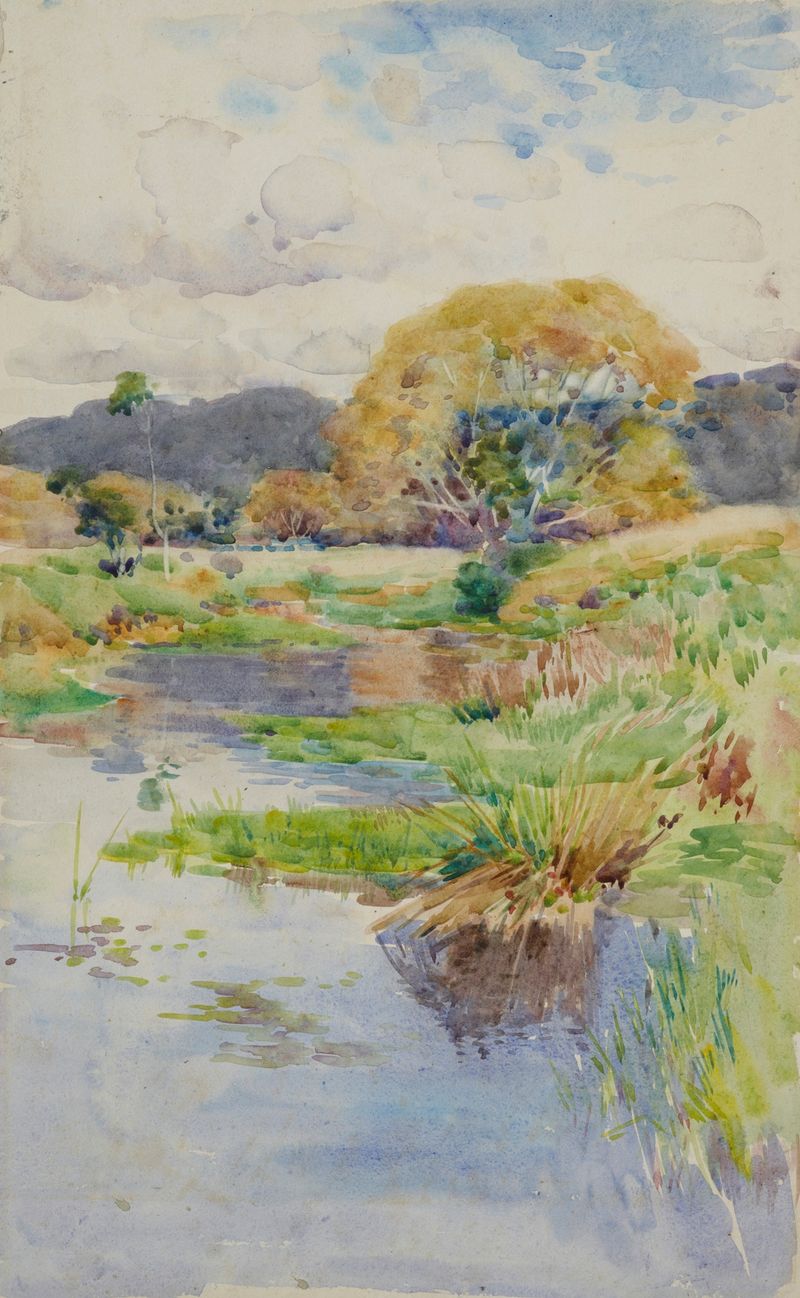
In a world caught between tradition and revolution, the act of painting becomes a silent rebellion, a reclamation of the artist's voice. Begin by focusing on the vibrant greens of the landscape, where the undulating hills of Hutt Valley stretch into the distance. Notice how the textured brushstrokes create a sense of movement, as if the very earth is alive beneath the artist's hand. To the left, a soft golden light bathes the fields, capturing the warmth of late afternoon sun, inviting viewers to step into this pastoral dreamscape.
The composition is framed perfectly, drawing your eye to the distant horizon, where the sky meets verdant hills, a harmonious balance of nature’s palette. Yet, beneath the tranquil surface, tension simmers. The darker, almost chaotic strokes interspersed throughout hint at underlying unrest—a push against the status quo that defined much of the 19th century. Each element, from the deep shadows to the luminous highlights, speaks of a landscape shaped not just by the earth but by human experience and aspiration.
Here, beauty and turmoil coexist, challenging viewers to reflect on the interplay of peace and conflict present within the natural world. In 1895, the artist found inspiration in the untamed beauty of New Zealand, reflecting both his personal journey and the broader movement of Impressionism gaining traction worldwide. At this time, Nairn was deeply immersed in the landscape painting revolution, eager to express the essence of his surroundings through a new lens. His work stands as a testament to this transformative period, capturing not just a view, but the essence of an evolving identity.