Wellington Harbour — History & Facts
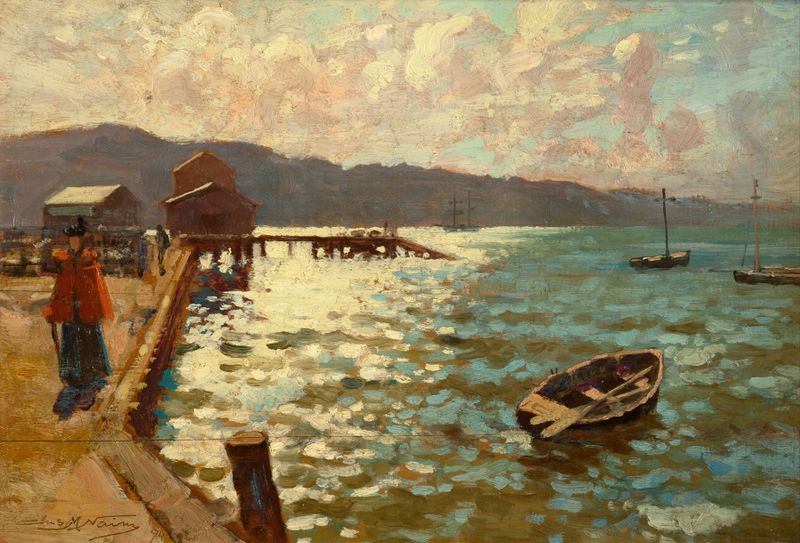
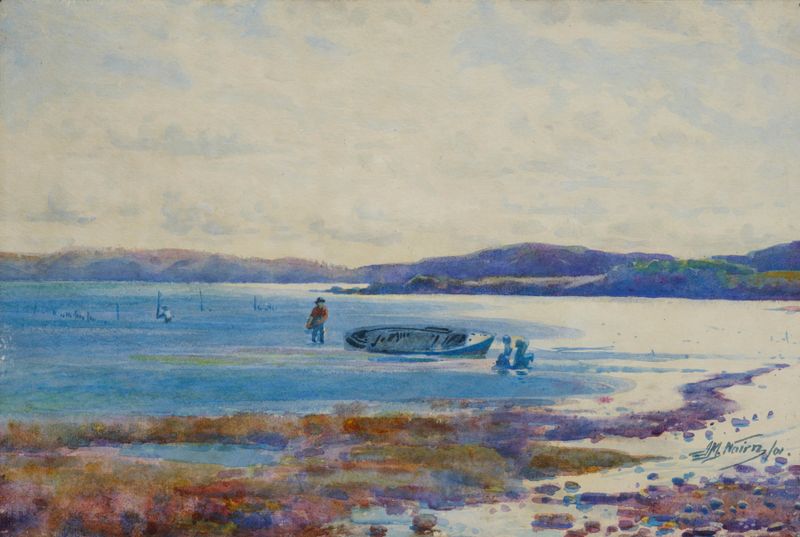
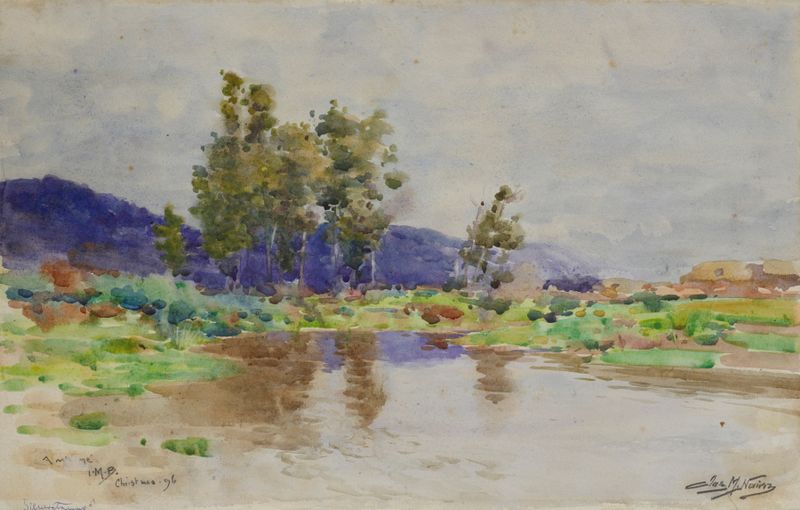
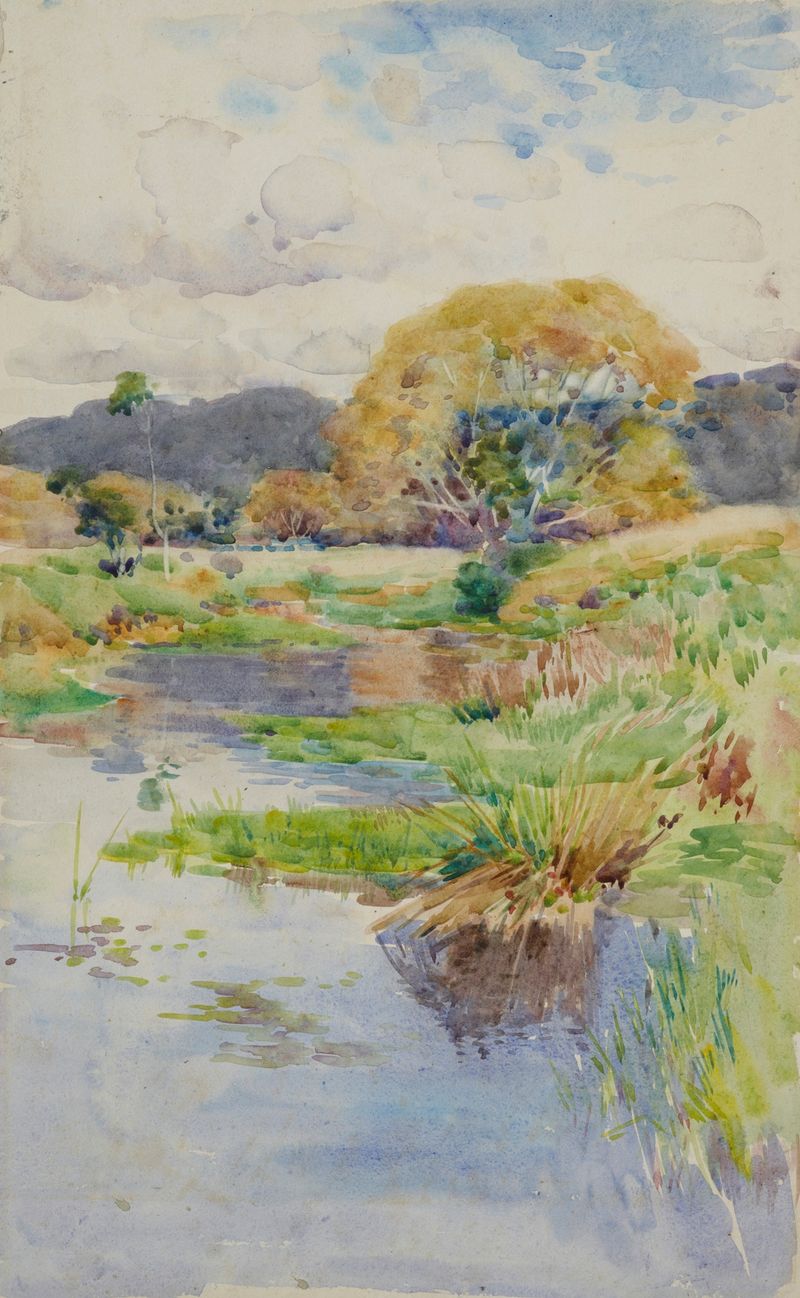
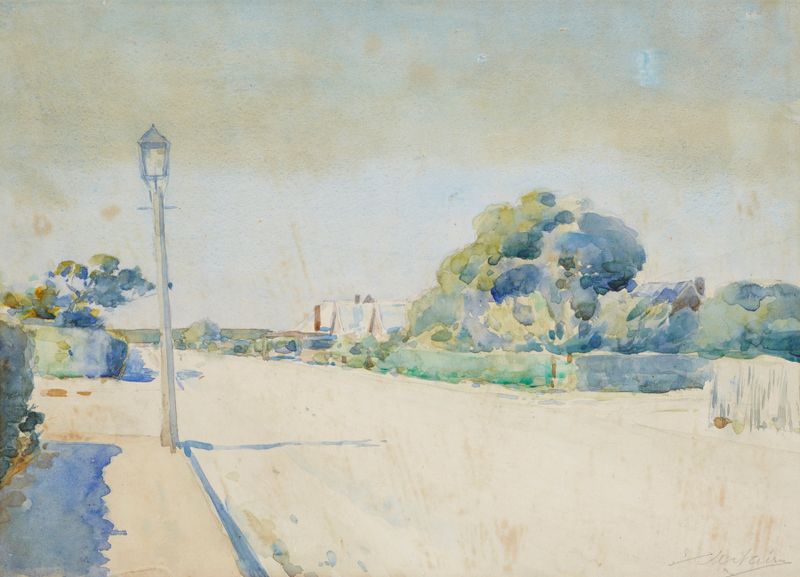
This sentiment echoes in the quiet depths of longing, where the past intertwines with the present, offering a glimpse of what was and what could have been. Look to the horizon, where the gentle waves of Wellington Harbour kiss the shore, creating a rhythmic dance of blues and greens that envelops the viewer. Notice how the light shimmers on the water’s surface, reflecting both the sky's soft hues and the dreams held within each wave. The way the boats are anchored suggests a moment suspended in time, while the surrounding cliffs loom protectively, casting elongated shadows that invite contemplation. In this serene harbor scene, there lies an undercurrent of nostalgia.
The boats, still yet filled with potential journeys, symbolize both departure and return, evoking a bittersweet yearning for connection. The vibrant colors juxtaposed with the subtle earth tones hint at the vibrancy of life against the steadfastness of nature, illustrating the tension between movement and stillness. These small details transform the canvas into a vessel of memory, bridging the past with the present. Painted in 1902, the artist was navigating a transformative period in his life.
Living in Australia, he was deeply influenced by the Impressionist movement, which sought to capture the essence of a moment. Nairn's work during this time reflects a profound interest in light and atmosphere, indicative of the broader artistic exploration of his contemporaries. Amidst the shifting tides of modernity, he anchored his brush in the rich landscapes of his homeland, encapsulating the profound beauty of a fleeting moment in Wellington Harbour.