
Autumn In The Meadow Edge — History & Facts
Did the painter know this moment would outlive them? In an age where the fleeting essence of nature is often overlooked, a single brushstroke can evoke an eternity. Look to the left at the soft brushwork capturing the golden hues of autumn leaves, each stroke deliberate yet carefree. The gentle movements of the painter’s hand create a tapestry of colors, blending ochres and burnt siennas that dance across the canvas. Notice how the light filters through the tree branches, illuminating the grassy edge of the meadow as if each blade holds a whisper of the season's transition. Hidden within the tranquility of this scene lies a poignant tension between change and permanence.
The vibrant foliage signals the inevitability of decay while simultaneously celebrating the beauty of life in its final moments. The horizon stretches into the distance, hinting at the vastness of time and the cyclical nature of existence. Each element, from the rustling grass to the fading sunlight, whispers of a world in flux, inviting viewers to reflect on their own passage through time. During the late 19th century, as the American art scene began to embrace the natural landscape, the artist captured Autumn In The Meadow Edge amidst a burgeoning movement of regionalism and impressionism.
While the exact date remains unknown, it is likely painted during his explorations of the American wilderness, a period marked by personal discovery and a growing appreciation for the nuances of light and atmosphere in the natural world. This work speaks to a desire to immortalize fleeting moments, transcending the temporal boundaries of his own life.
More Artworks by William Henry Holmes
Browse all →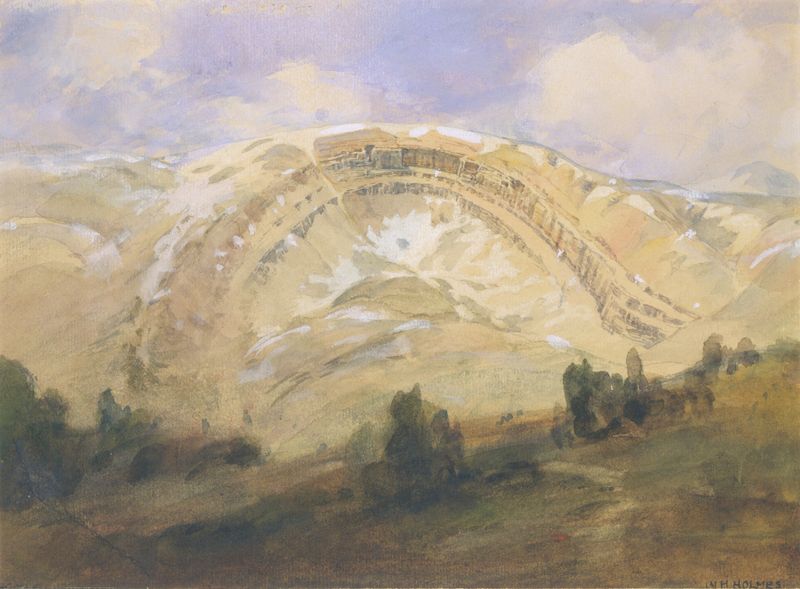
Folded Strata, A Great Geological Arch, Colorado
William Henry Holmes
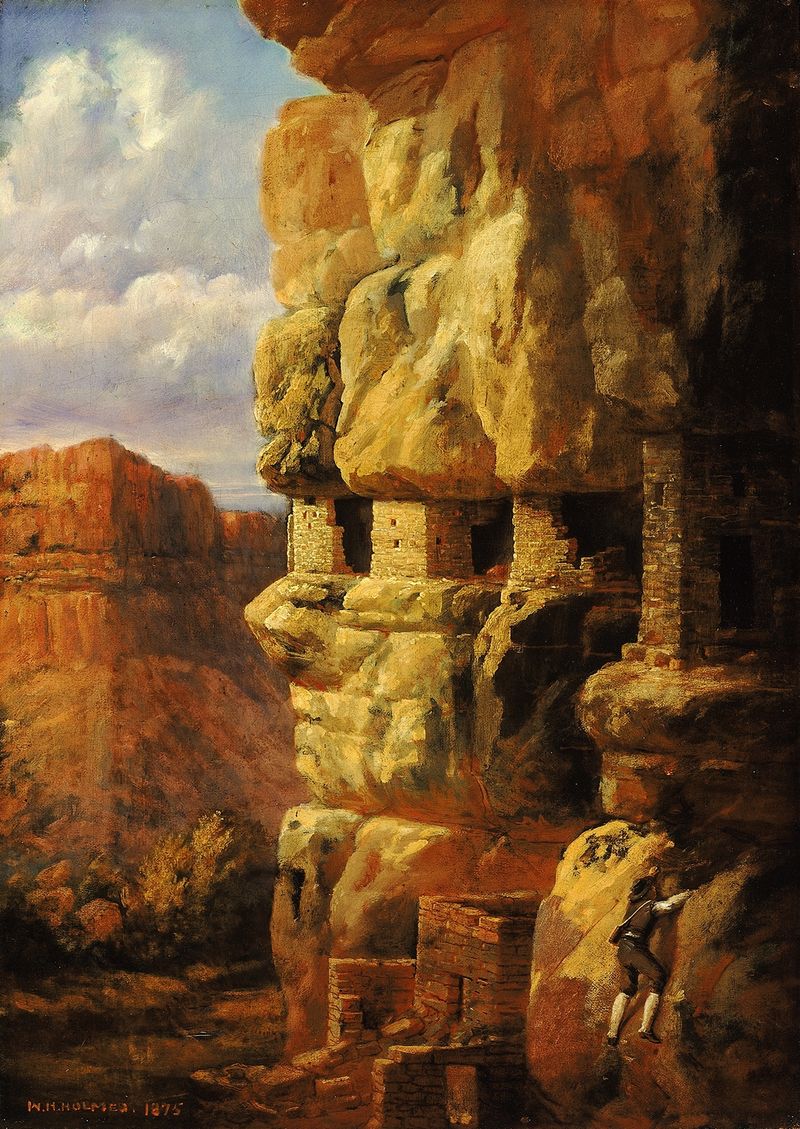
Cliff Houses On The Rio Mancos, Colorado
William Henry Holmes
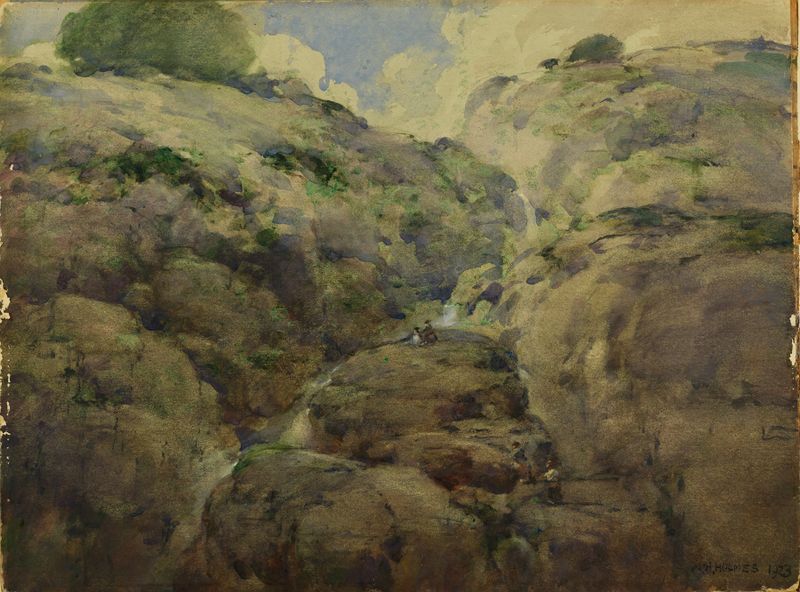
Mountain Gorge, Colorado
William Henry Holmes
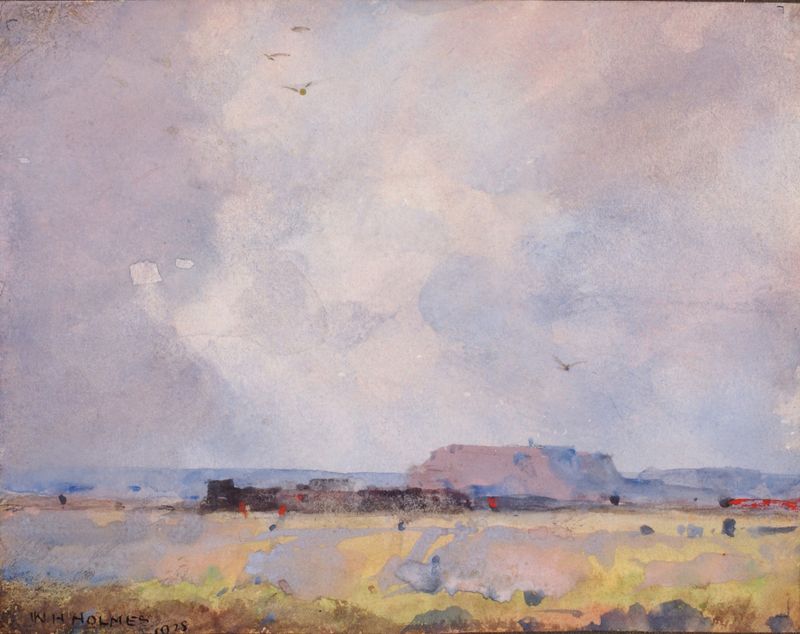
In The Plateau Country, With An Inhabited Pueblo
William Henry Holmes
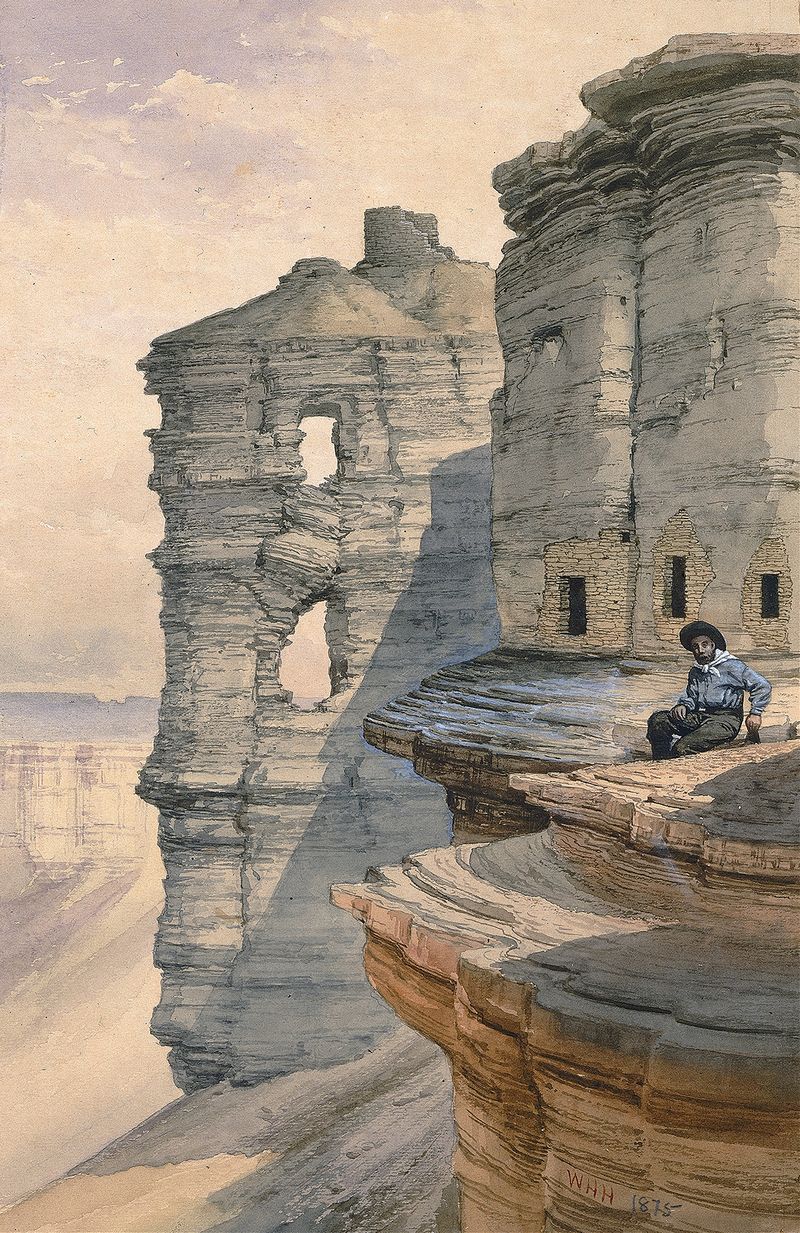
Cliff Houses on the Rio Mancos, Colorado
William Henry Holmes
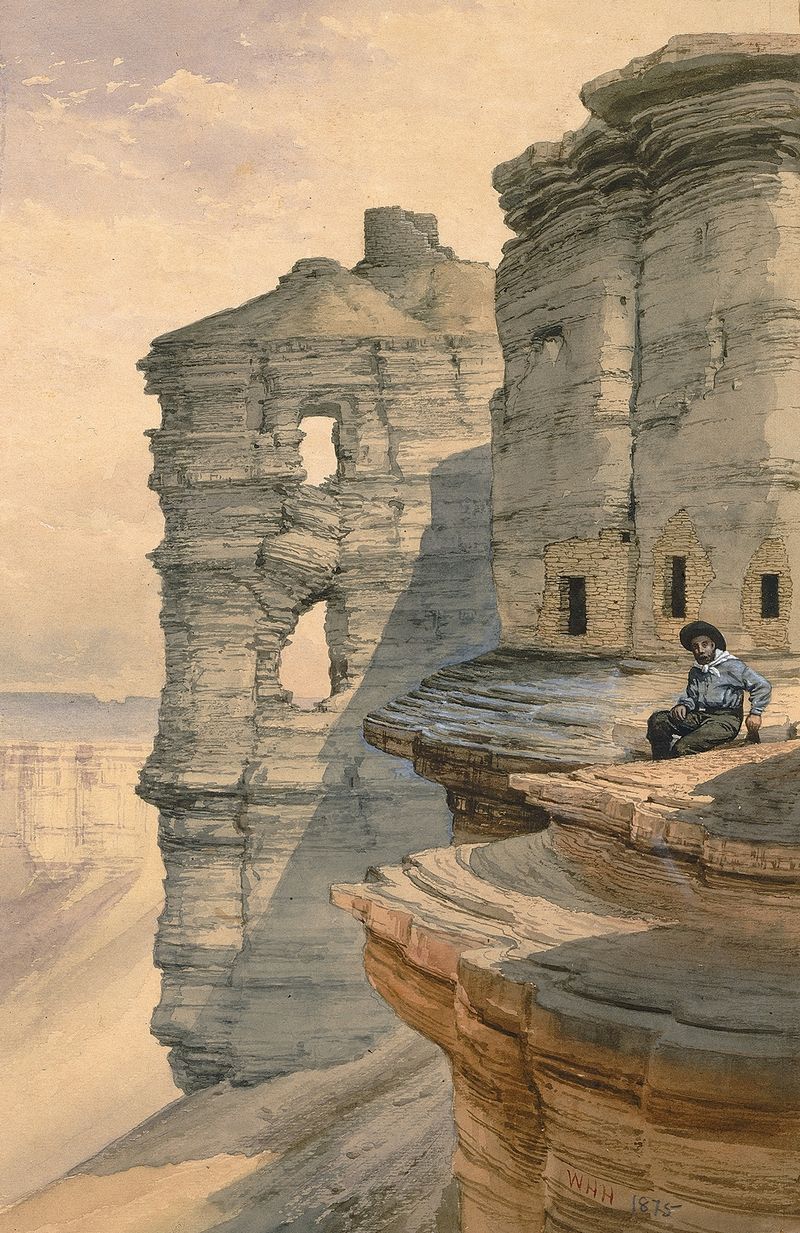
Cliff Houses On The Rio Mancos, Colorado
William Henry Holmes
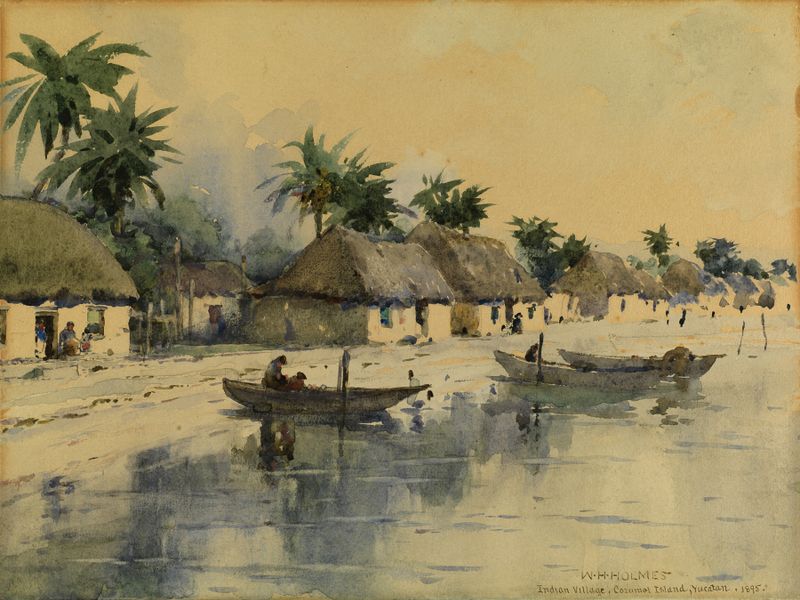
Indian Village, Cozumel Island, Yucatan
William Henry Holmes
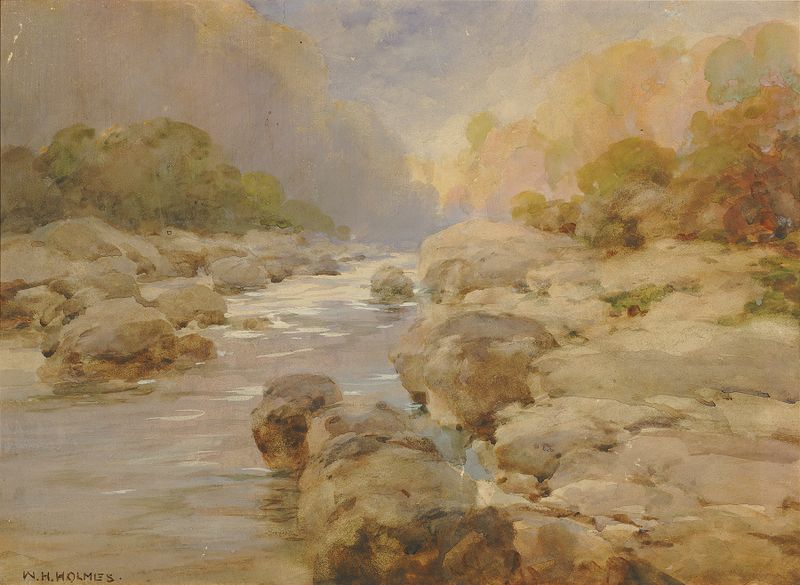
Unmodified Rock Creek, About 1910
William Henry Holmes
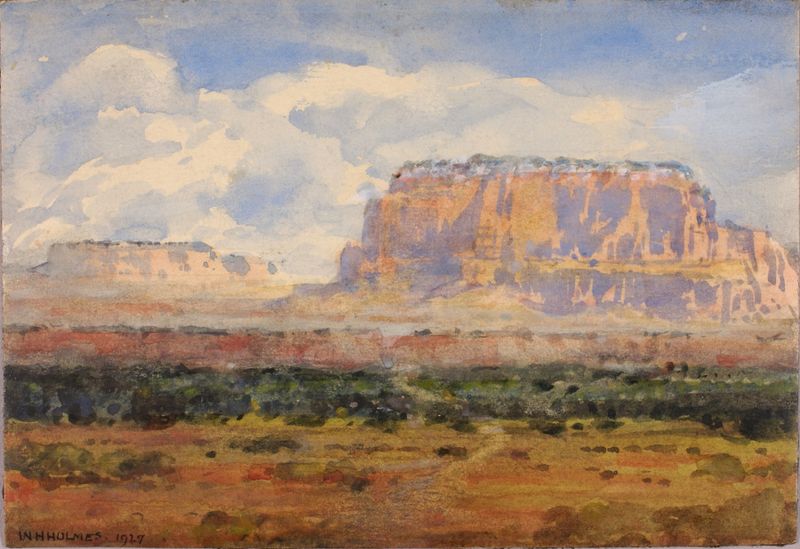
The Enchanted Mesa
William Henry Holmes
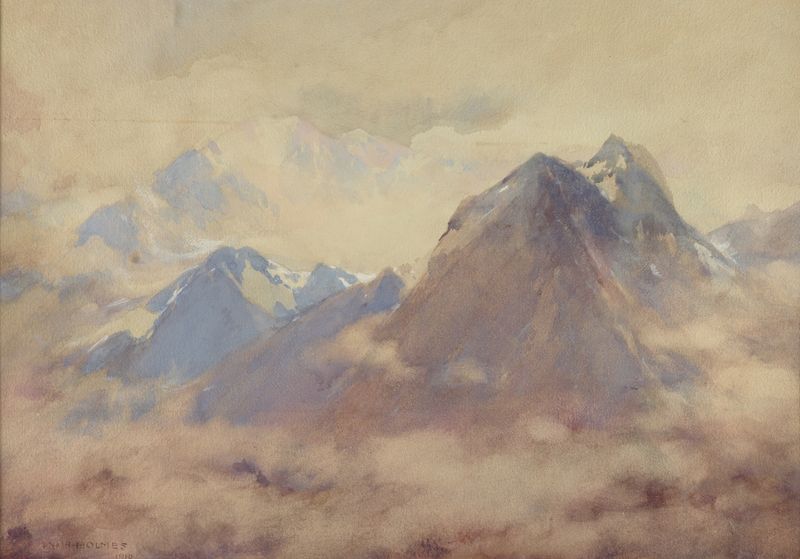
The Almighty’s Own, An Impression Of The High Andes
William Henry Holmes





