
Autumn Landscape with a Man Gathering Wood — History & Facts
What first seizes the eye in Autumn Landscape with a Man Gathering Wood is the immense quiet of the scene, anchored by a solitary figure bent beneath a bundle of branches. The man’s silhouette, set against a vast, pale sky, draws the gaze downward to the earth, where his burden seems both literal and symbolic. The sweep of the empty field, the low horizon, and the distant, indistinct village all serve to heighten the sense of isolation and the weight of the season.
A flock of birds wheels overhead, their dark forms scattered across the light, as if echoing the man’s own slow movement through the fading year. The palette, restrained and almost monochrome, lets the viewer feel the chill and hush of autumn settling over the land. Painted in 1798, this work belongs to the world of late eighteenth-century German Romanticism, a time when artists like Caspar David Friedrich began to turn their attention to the emotional power of landscape. Such images were rarely grand commissions; instead, they often found their way into the hands of private collectors or smaller exhibitions, cherished for their quiet reflection on nature and the human condition.
The source for this particular work is a 1931 volume documenting lost masterpieces of German Romantic painters, a reminder of how many such images have slipped through history’s fingers. Yet even in obscurity, the painting’s mood and structure speak to the era’s fascination with solitude, labor, and the subtle drama of the changing year—inviting the viewer to linger in the hush between land and sky.
More Artworks by Caspar David Friedrich
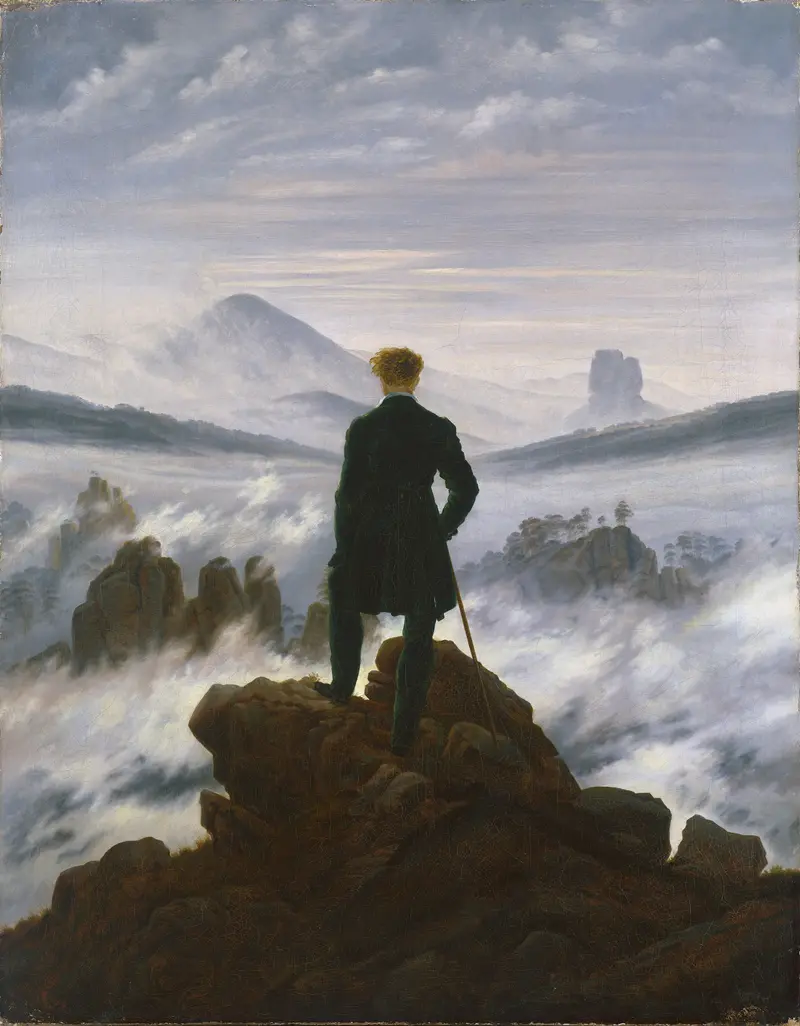
Wanderer above the Sea of Fog
Caspar David Friedrich

The Sea of Ice
Caspar David Friedrich
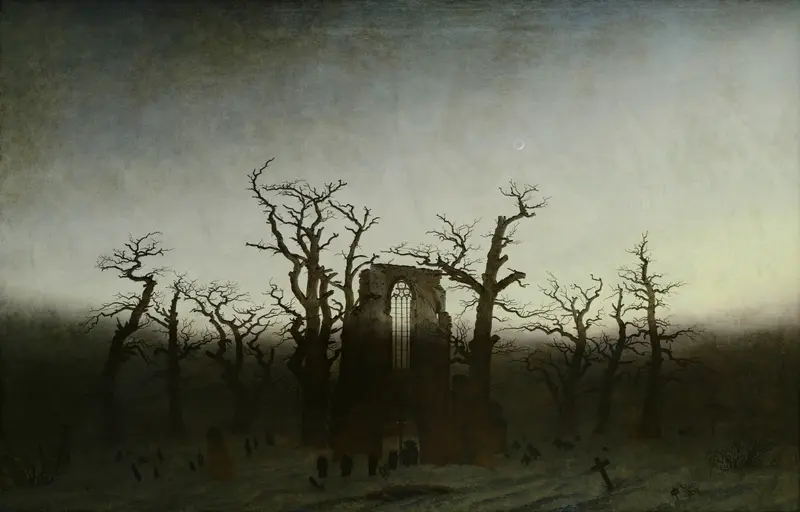
The Abbey in the Oakwood
Caspar David Friedrich
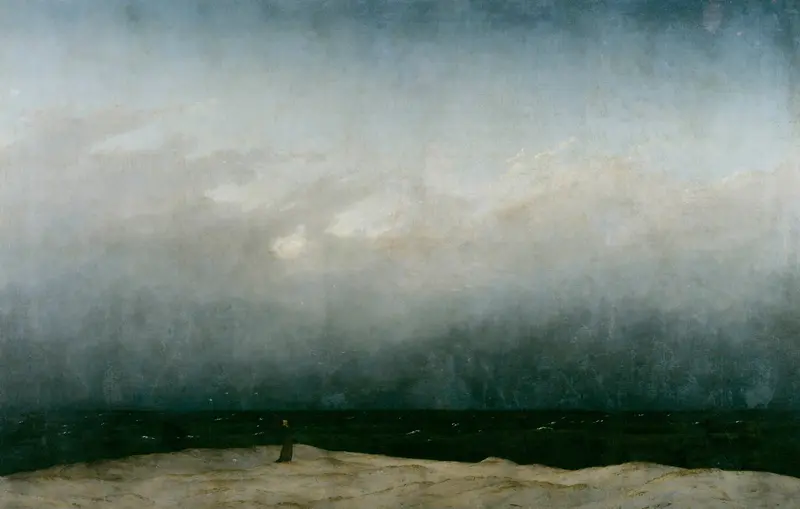
The Monk by the Sea
Caspar David Friedrich
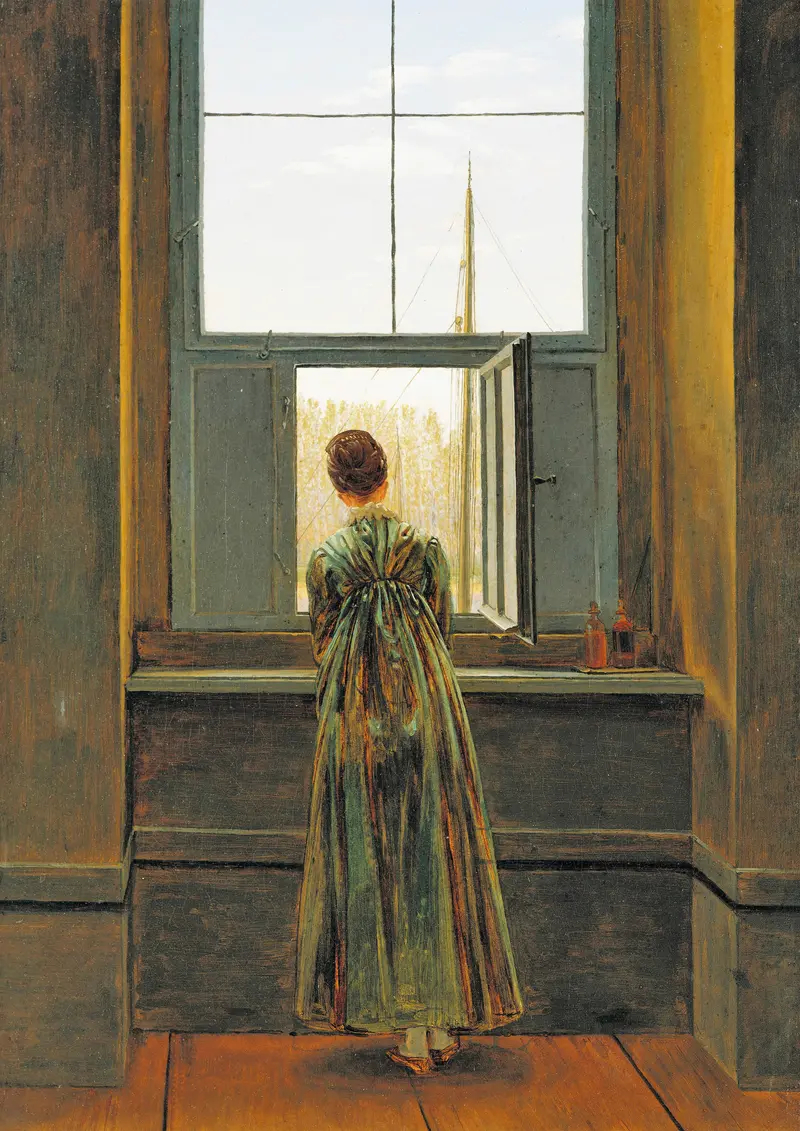
Woman at a Window
Caspar David Friedrich
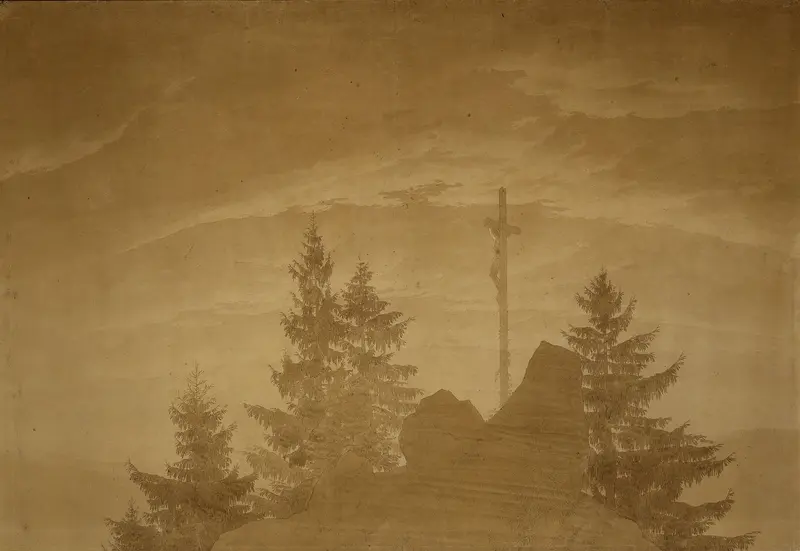
Cross in the Mountains
Caspar David Friedrich
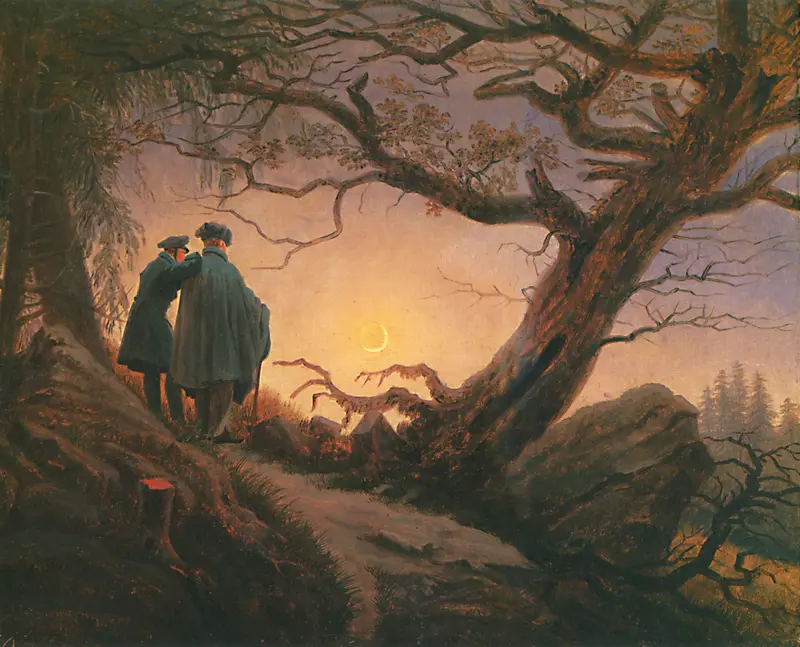
Two Men Contemplating the Moon
Caspar David Friedrich
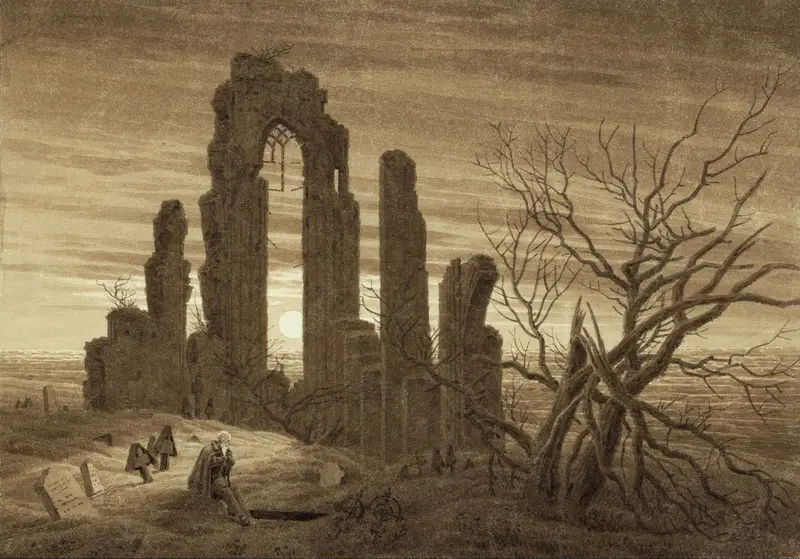
Winter – Night – Old Age and Death (from the times of day and ages of man cycle of 1803)
Caspar David Friedrich
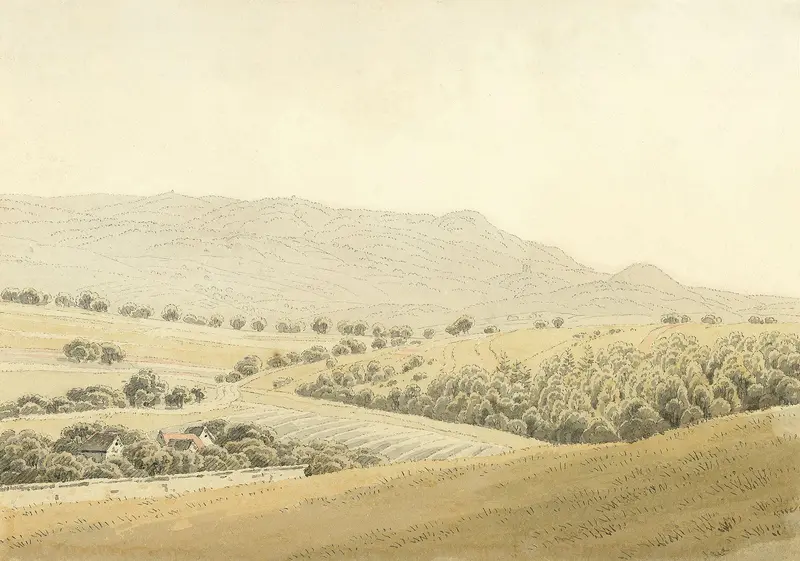
Mittelgebirgslandschaft
Caspar David Friedrich

Landschaft mit gebirgsee, morgen
Caspar David Friedrich
More Landscape Art

The Starry Night
Vincent van Gogh

View of Delft
Johannes Vermeer

Water Lilies
Claude Monet

The Grand Canal, Venice, looking north-west from the Ca' Corner to the Ca' Contarini degli Scrigni, with the campanile of Santa Maria della Carità
Canaletto

Windsor Castle
Canaletto

The Grand Canal looking North-East from the Palazzo Dolfin-Manin to the Rialto Bridge
Canaletto