
Autumnal Point — History & Facts
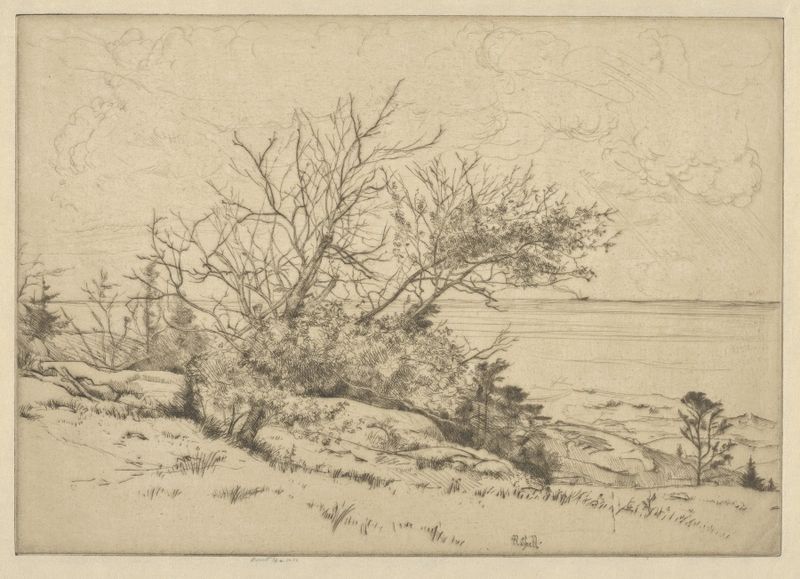
In this profound silence lies the essence of Autumnal Point, where every brushstroke whispers a memory of transience. Focus first on the horizon, where the golden hues of autumn foliage meld seamlessly into the quiet blue of the sky. Notice how the gentle curvature of the landscape guides your gaze towards the distant line of trees, their leaves aflame with colors that seem to pulse with life yet are tinged with inevitability. This juxtaposition of warmth and coolness is a testament to the artist's masterful use of light, casting a soft glow that breathes vitality into each element while hinting at the encroaching stillness of winter. As you explore the painting further, observe the solitary figure, small against the magnificence of nature, embodying the themes of solitude and reflection.
The serenity of the scene is punctured by the dynamic interplay between light and shadow, conveying an emotional tension — the fleeting nature of beauty amidst the silence of the world. Each detail, from the rustling leaves to the artist's delicate brushwork, evokes a longing for moments past and invites the viewer into a contemplative space. Ernest Haskell created Autumnal Point between 1900 and 1925, a period marked by significant artistic exploration and personal introspection. Living in an era when the art world was shifting towards modernism, he found solace in traditional landscapes, drawing from both his experiences and the natural world around him.
Haskell's work reflects not only his artistic journey but also the broader cultural shifts of his time, as he captured the fleeting beauty of nature in a world on the brink of change.
More Artworks by Ernest Haskell
Browse all →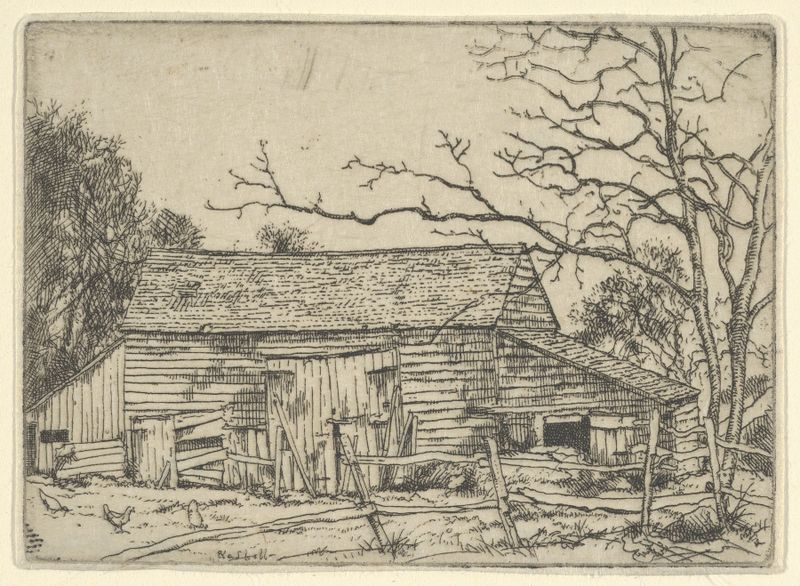
The Barn–Staten Island, N.Y.
Ernest Haskell

Four Live Oaks
Ernest Haskell
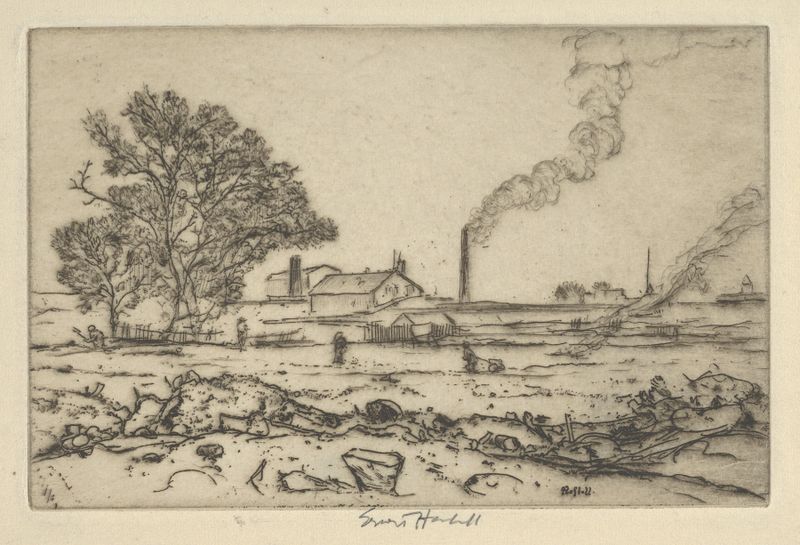
Outskirts of Boston
Ernest Haskell
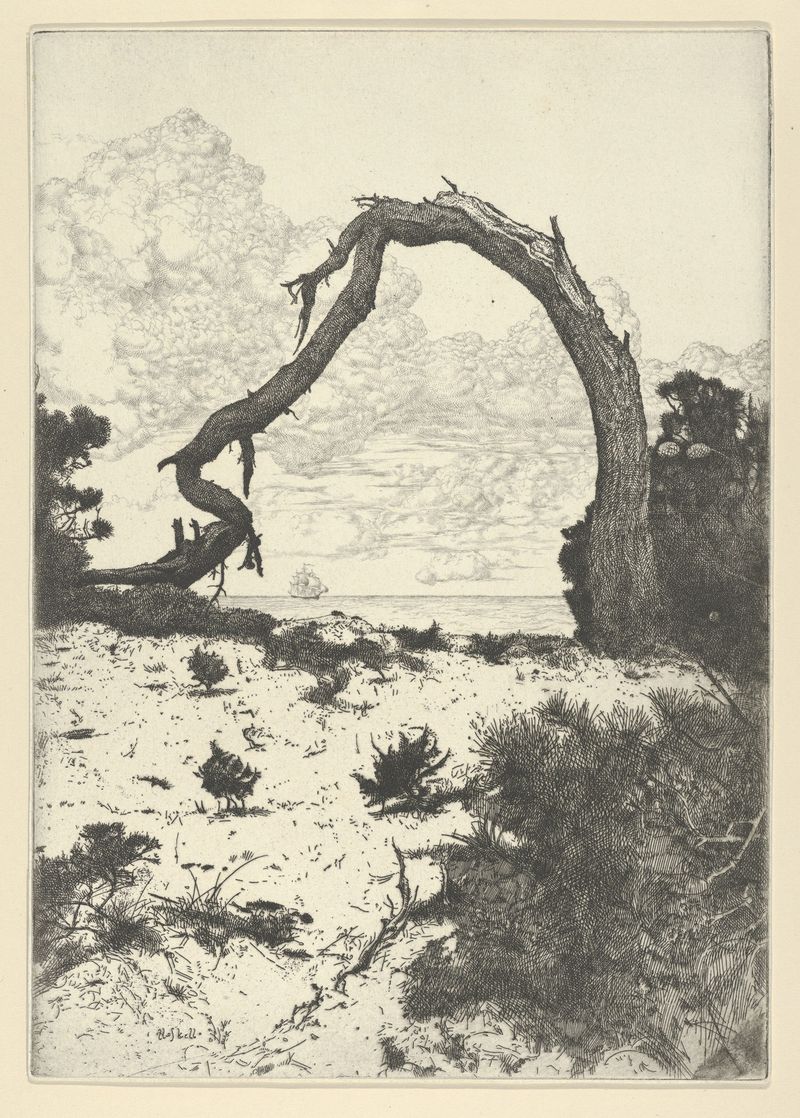
Pine Arch
Ernest Haskell

General Sherman
Ernest Haskell
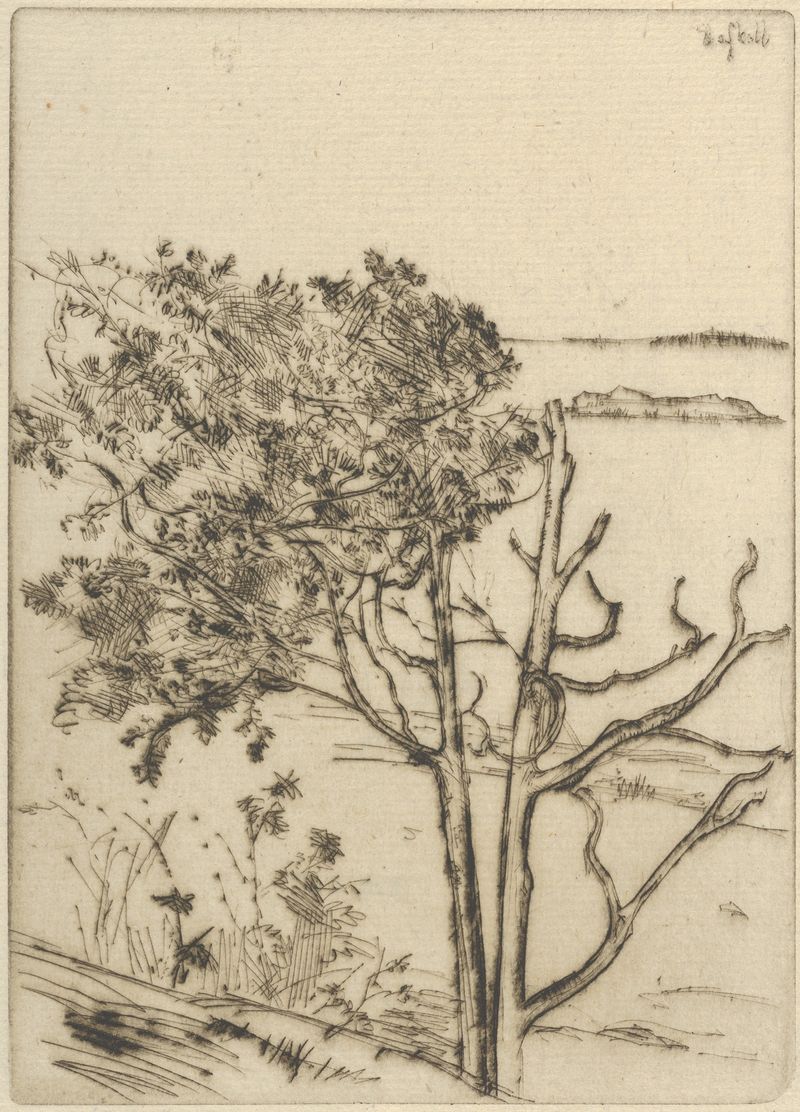
Ragged Tree – Maine
Ernest Haskell

Tide Mill
Ernest Haskell

Ship Building
Ernest Haskell
To the Southward – Ragged Island, Me.
Ernest Haskell
Long Island Marshes
Ernest Haskell





