
Auxerre — History & Facts
In the quiet solitude of Auxerre, an echo of loneliness resonates, inviting the viewer to ponder the depths of human experience. Look closely at the center of the canvas, where the cool blues and grays merge, creating a feeling of isolation. The architecture stands stark against a muted sky, casting long, somber shadows that stretch toward the edges of the artwork. The delicate brushstrokes define the contours of the buildings, while the absence of vibrant color aids in crafting a scene of stark reality, emphasizing the emotional weight each structure carries, as if they too feel the burden of solitude. Within this contemplative landscape, contrasts abound.
Notice how the rigid lines of the buildings confront the gentle flow of the river, symbolizing the struggle between permanence and transience. The water reflects a faint light, suggesting a glimmer of hope amid the melancholy. Each element holds significance, together weaving a narrative that speaks of yearning and introspection, transforming the viewer's gaze into a mirror for their own feelings of loneliness. In 1933, Willem Adrianus Grondhout created this work during a period marked by economic hardship and societal unrest in Europe.
Living in the Netherlands, he was part of a movement that sought to capture the essence of modernity through a lens of emotional depth. This piece reflects a turning point in his artistic journey, where he began to explore themes of isolation amidst the rapidly changing world around him.
More Artworks by Willem Adrianus Grondhout
Browse all →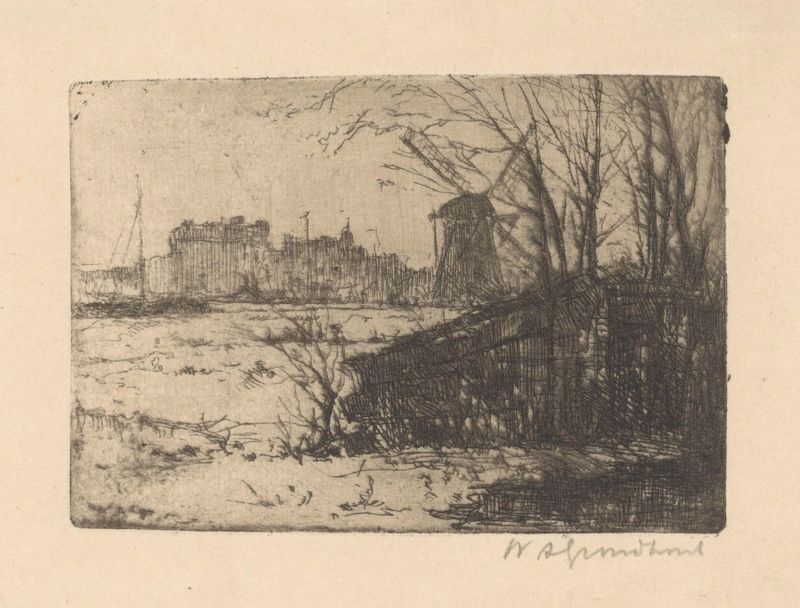
Landschap met molen in de Binckhorst in Den Haag
Willem Adrianus Grondhout
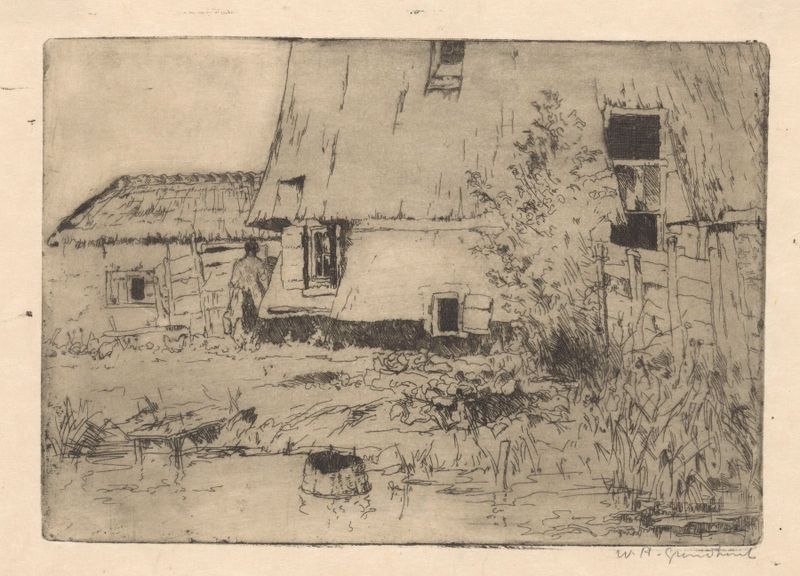
Voet van een molen in Voorburg
Willem Adrianus Grondhout
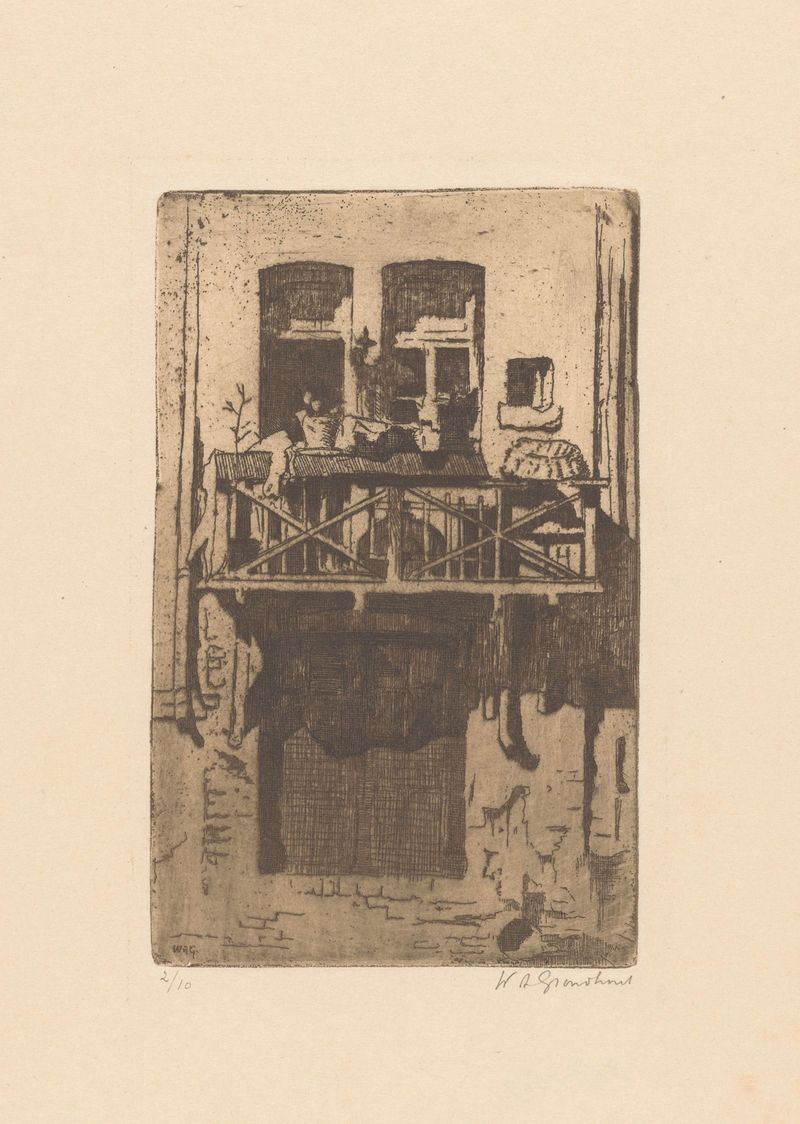
Balkon van een huis aan de Oudezijds Kolk in Amsterdam
Willem Adrianus Grondhout
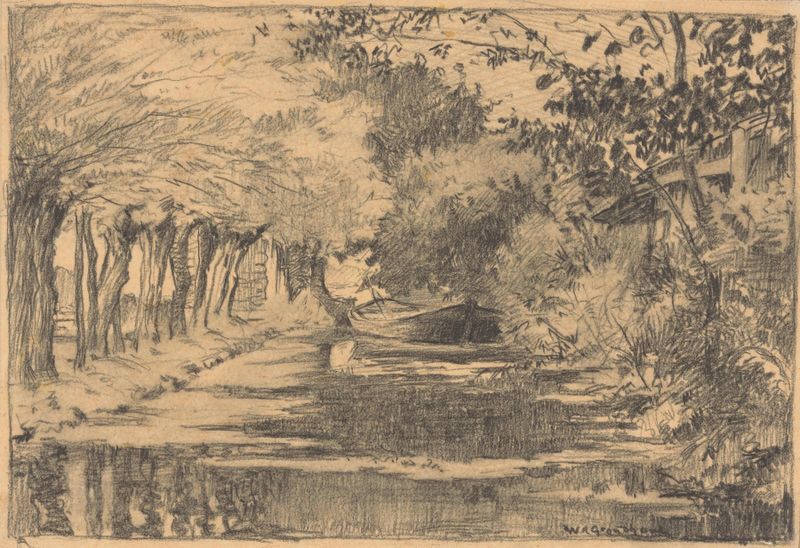
Broeksloot bij Voorburg
Willem Adrianus Grondhout
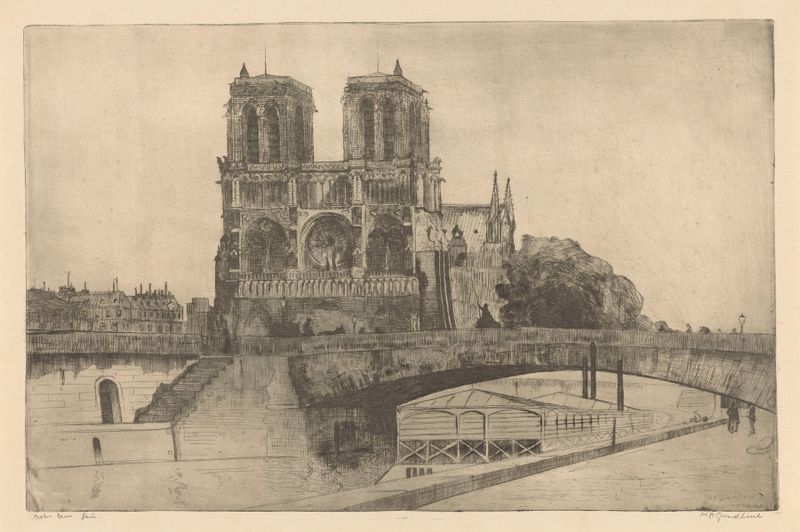
Notre-Dame, Paris
Willem Adrianus Grondhout
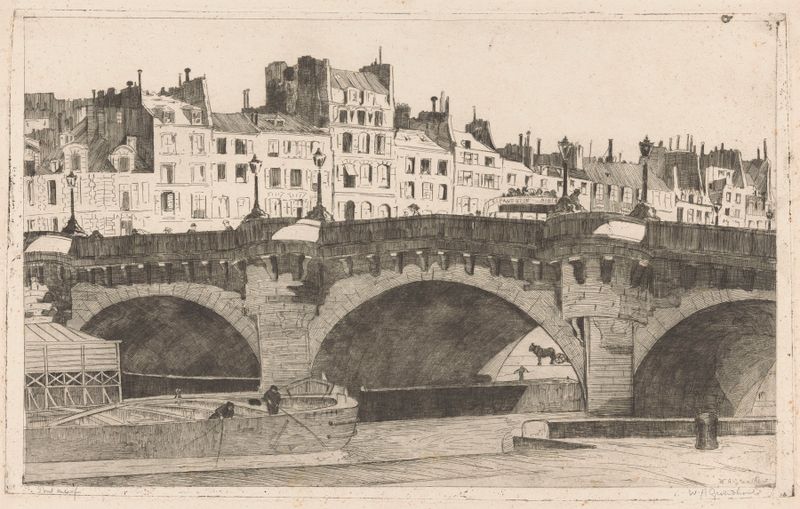
Pont Neuf
Willem Adrianus Grondhout
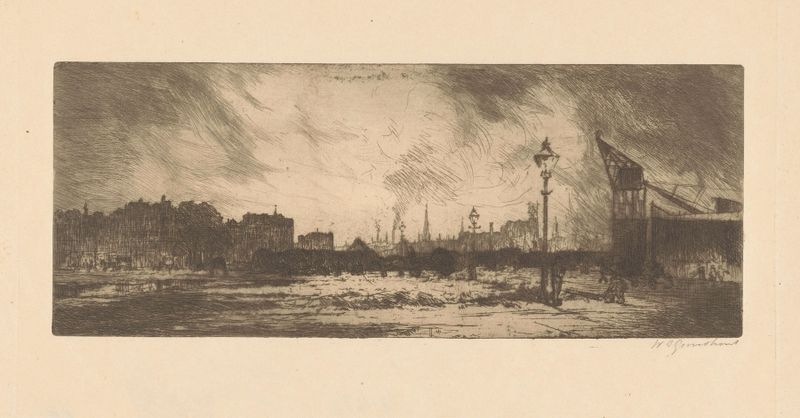
Havenkade met lantaarnpalen in Rotterdam
Willem Adrianus Grondhout
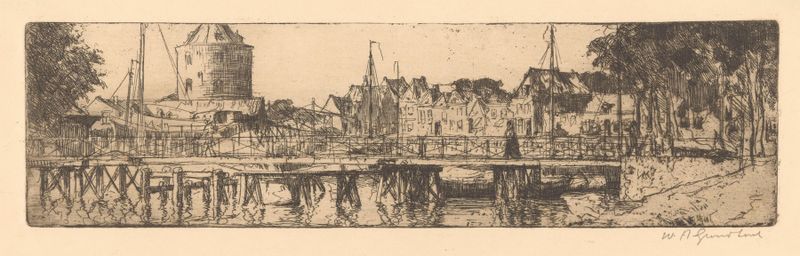
Enkhuizen
Willem Adrianus Grondhout
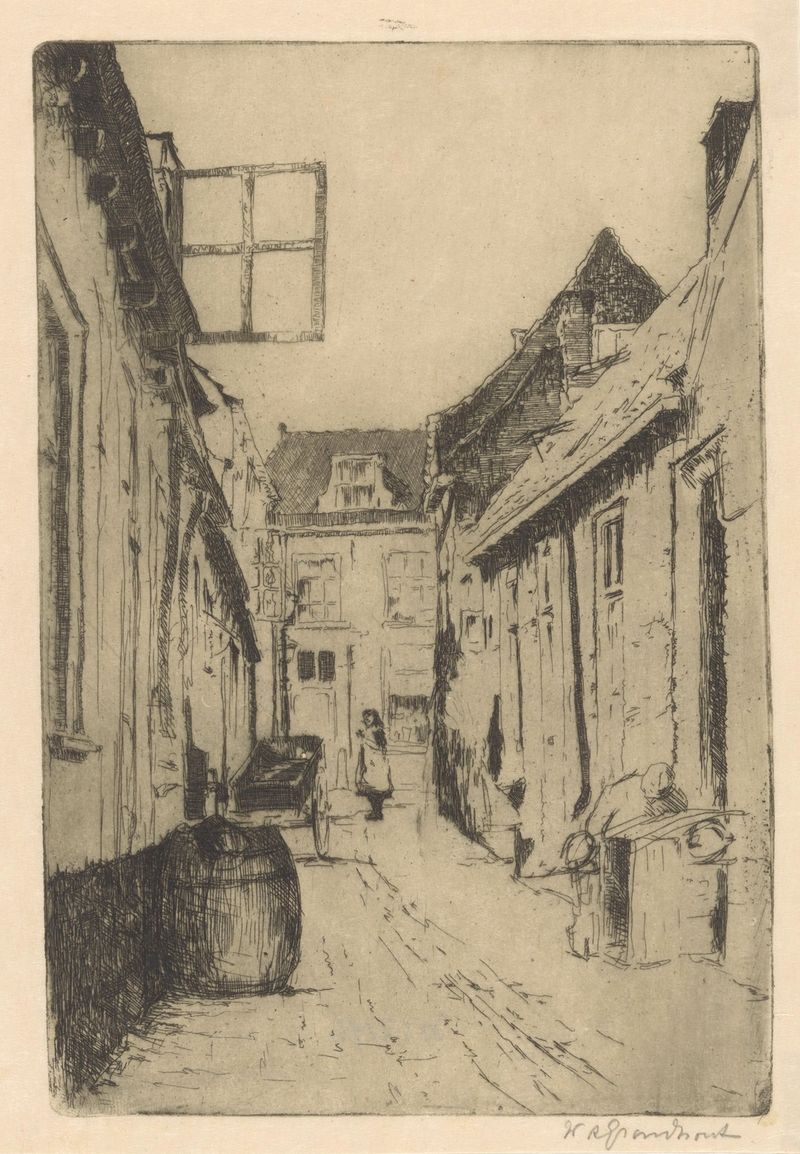
Straatje in Voorburg.
Willem Adrianus Grondhout
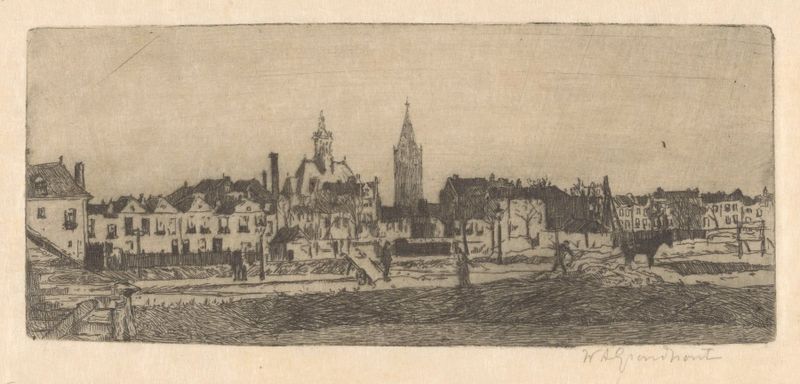
Delft
Willem Adrianus Grondhout
More Architecture Art
Browse all →
The statue of Liberty
Frédéric Auguste Bartholdi

View of Houses in Delft, Known as ‘The Little Street’
Johannes Vermeer

View of Houses in Delft, Known as ‘The Little Street’
Johannes Vermeer

The Cathedral in Rouen. The portal, Grey Weather
Claude Monet

The yellow house
Vincent van Gogh

The Church in Auvers-sur-Oise, View from the Chevet
Vincent van Gogh