
Avenue and Entrance to St. James Barracks — History & Facts
Where does light end, and longing begin? In the delicate brushstrokes of Avenue and Entrance to St. James Barracks, the interplay of illumination and shadow evokes an ethereal quality, inviting viewers to ponder the connection between earthly spaces and divine aspirations. Focus your gaze on the softly illuminated pathway that stretches invitingly toward the barracks, flanked by lush greenery. The artist’s meticulous attention to detail is palpable in the varied textures of the foliage, each leaf catching light in a different way.
Notice the contrast between the warm golden hues refracting off the stone entrance and the cool, serene blues of the sky—these color choices create a palpable tension, as if the scene itself is holding its breath in anticipation. As you delve deeper, observe the solitary figure at the entrance, poised between the vitality of the avenue and the stillness of the building. This juxtaposition speaks to the emotional landscape of human experience—caught between longing and arrival. The archway looms not just as an architectural feature but as a metaphor for thresholds in life, suggesting both opportunity and the unknown.
The careful composition invites contemplation on the passage of time and the search for purpose. In 1857, Michel Jean Cazabon created this work while living in Trinidad, a vibrant cultural nexus with colonial tensions shaping its identity. During this period, Cazabon was known for blending European techniques with Caribbean themes, capturing the essence of his surroundings while grappling with the complexities of his dual heritage. This painting reflects not only his artistic evolution but also the broader currents of change in the art world as it moved toward impressionism.
More Artworks by Michel Jean Cazabon
Browse all →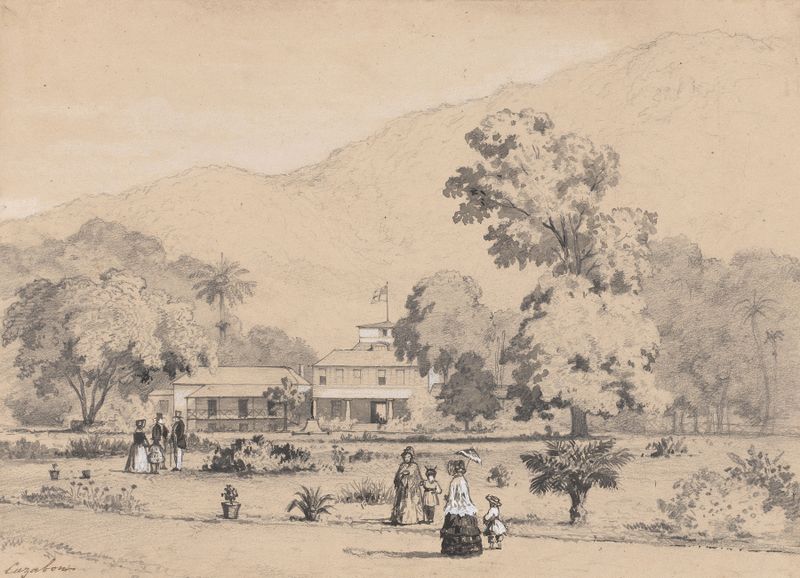
Governor’s Residence St. Ann’s
Michel Jean Cazabon

The Road to Pitch Lake
Michel Jean Cazabon
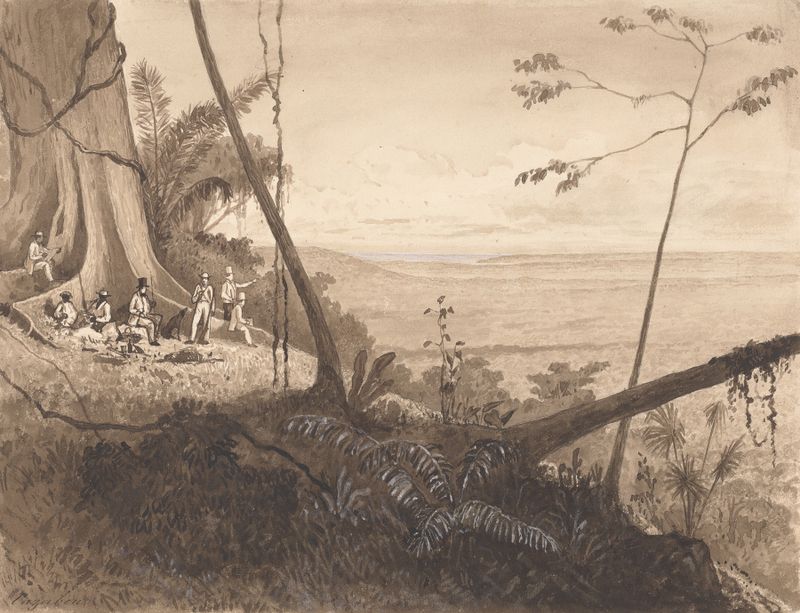
Cedar Point, Tamana
Michel Jean Cazabon

Maraccas Waterfall
Michel Jean Cazabon
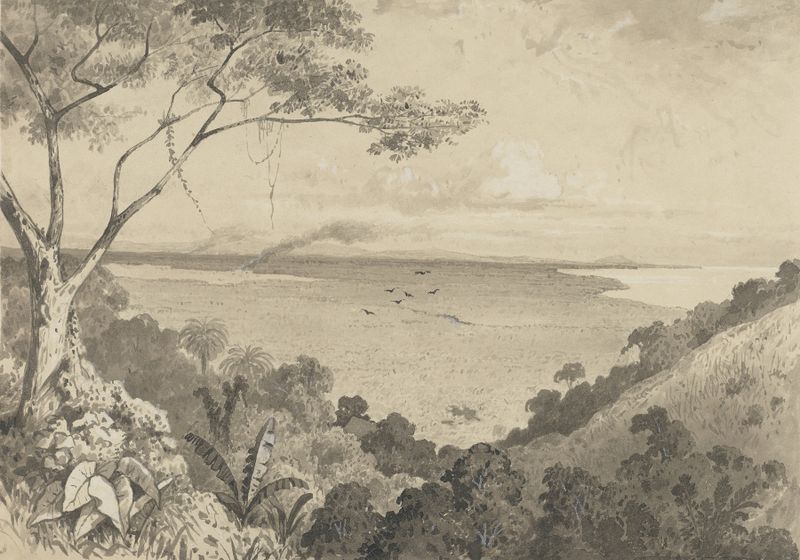
View from Laventille Hill
Michel Jean Cazabon

Garden Estate, Arouca
Michel Jean Cazabon

Bamboos St. Ann
Michel Jean Cazabon
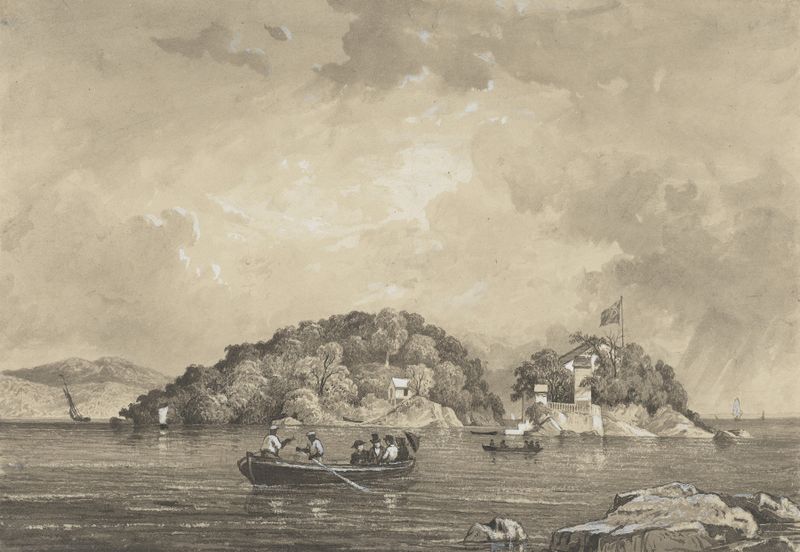
Caledonia and Craig Islands
Michel Jean Cazabon

St. Ann’s Waterfall
Michel Jean Cazabon
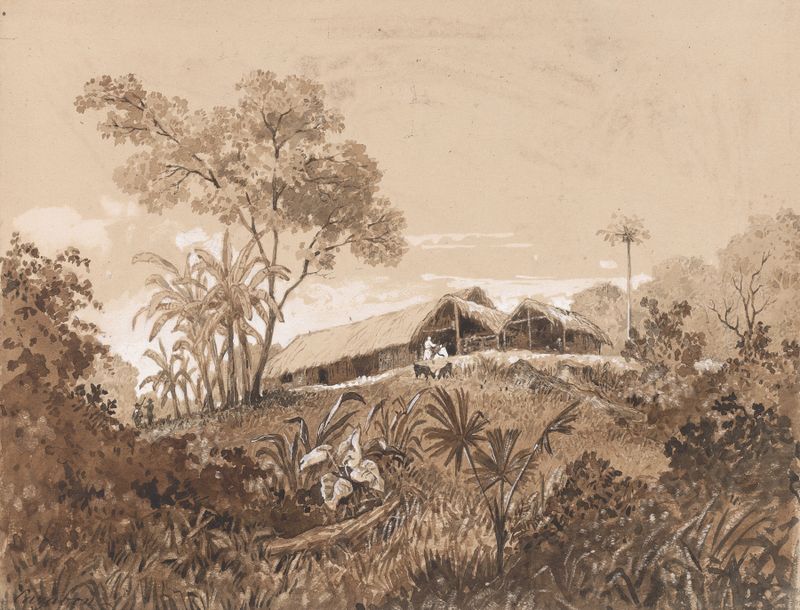
Cottage at Tamana
Michel Jean Cazabon





