
Avenue Constant Martin — History & Facts
When did color learn to lie? Beneath the vibrant surface of hues lies an invitation to question reality itself, beckoning the viewer to explore the divine interplay of light and shadow. Look to the left of the canvas, where a glorious burst of sunlight cascades over the cobblestone street, illuminating a path that appears to dance beneath the feet of passersby. Notice how the artist uses soft brushstrokes to create a luminescent effect, with warm yellows and rich oranges clawing at the edges of the scene, while cooler tones linger in the shadows, suggesting the presence of an unseen depth. Each figure is captured in a moment of movement, their gestures fluid yet deliberate, as if caught between the mundane and the extraordinary. Yet, beneath this festive exterior lies a tension between reality and aspiration.
The contrast between the joyful colors and the somber shadows hints at the duality of urban life—a celebration of existence juxtaposed against the backdrop of unfulfilled dreams. The subtle expressions on the faces of the figures suggest a yearning for something greater, a silent plea to transcend the ordinary and touch the divine. This intricate balance evokes a sense of longing, drawing us deeper into the emotional landscape of the city. F.
Séguin painted Avenue Constant Martin in the vibrant heart of the Cité Dorée during a time when the art world was shifting towards modernism, seeking to capture the essence of everyday life. The late 19th century was marked by an exploration of light and color, paving the way for impressionistic techniques. Séguin, inspired by the lively Parisian streets and the broader currents of artistic innovation, sought to infuse his work with both a sense of place and a deeper, almost spiritual resonance.
More Artworks by F. Séguin
Browse all →
Rue Brantôme. (anciennement rue des Petits Champs donnant rue Saint Martin et rue Beaubourg)
F. Séguin
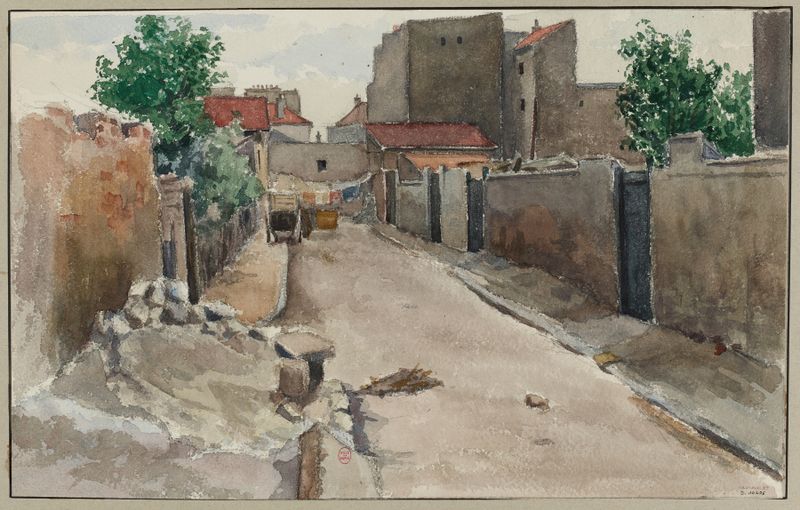
La rue de Chambéry, prise de la rue de Nice la Frontière
F. Séguin
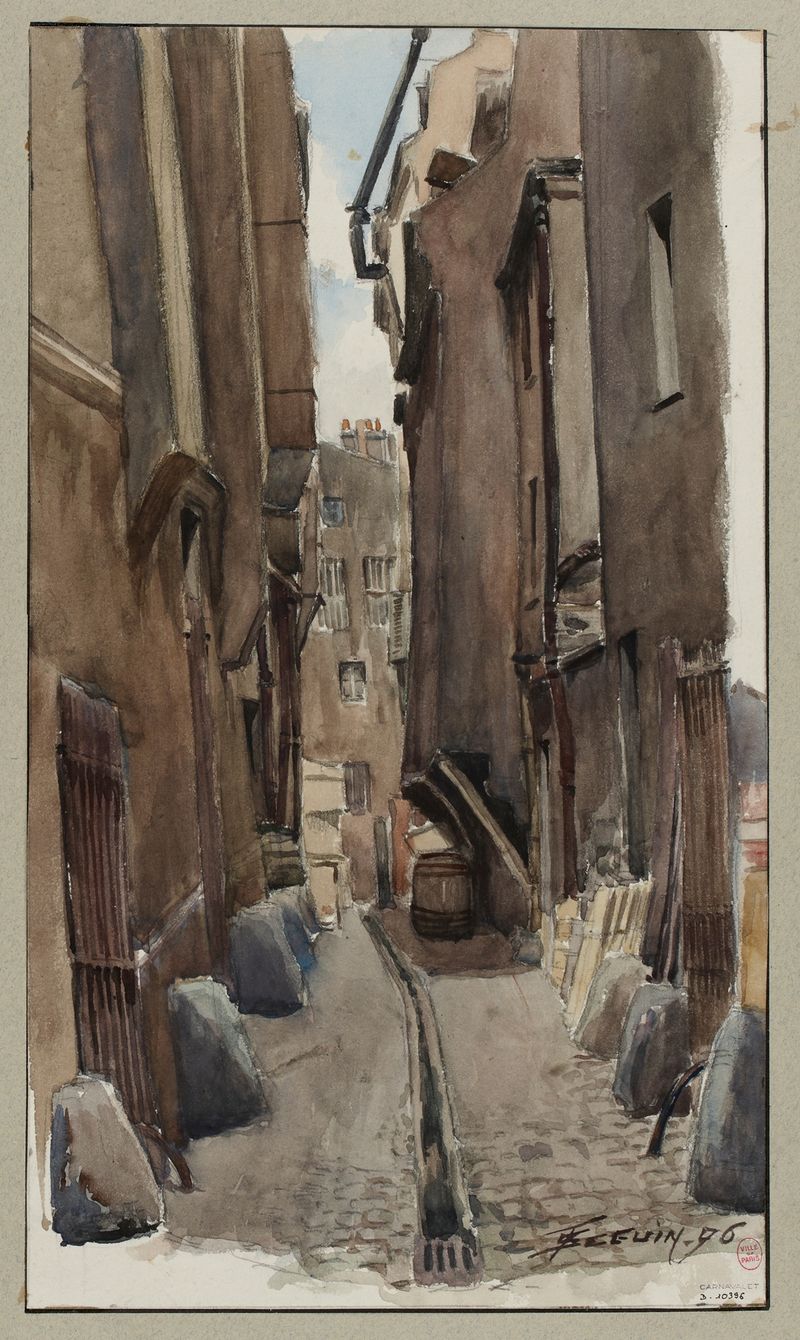
Le Cul de sac du Bœuf, (rue Saint Merri)
F. Séguin

Rue Descartes
F. Séguin
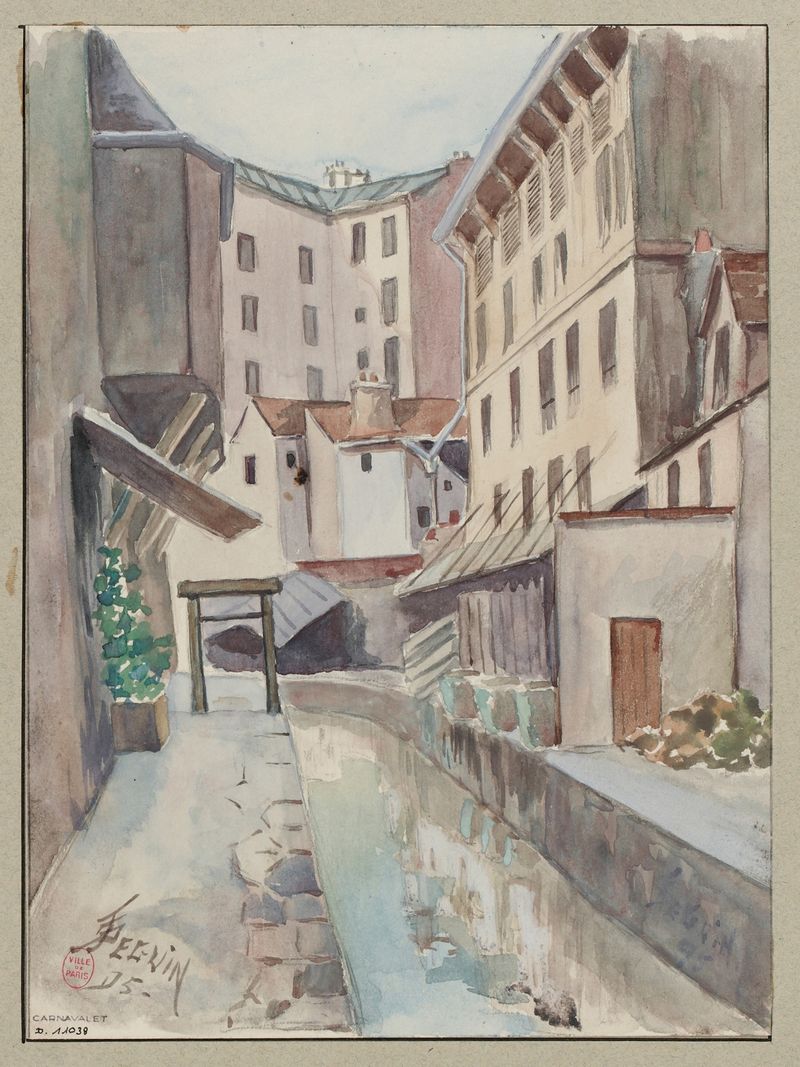
Le bord de la Bièvre à l’avenue des Gobelins
F. Séguin

Villa des Otages mur où furent fusillés les 52 derniers otages de la Commune, rue Haxo
F. Séguin
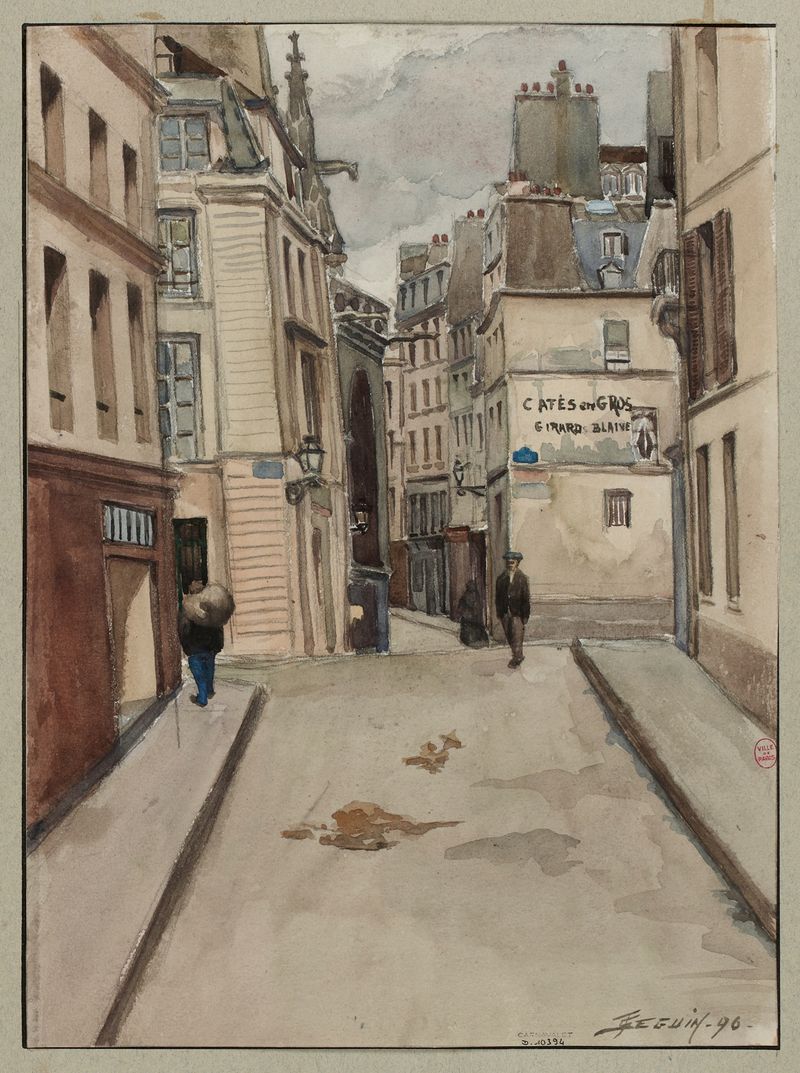
Rue du Cloître Saint Mérry, de la rue du Renard à la rue Saint Martin
F. Séguin
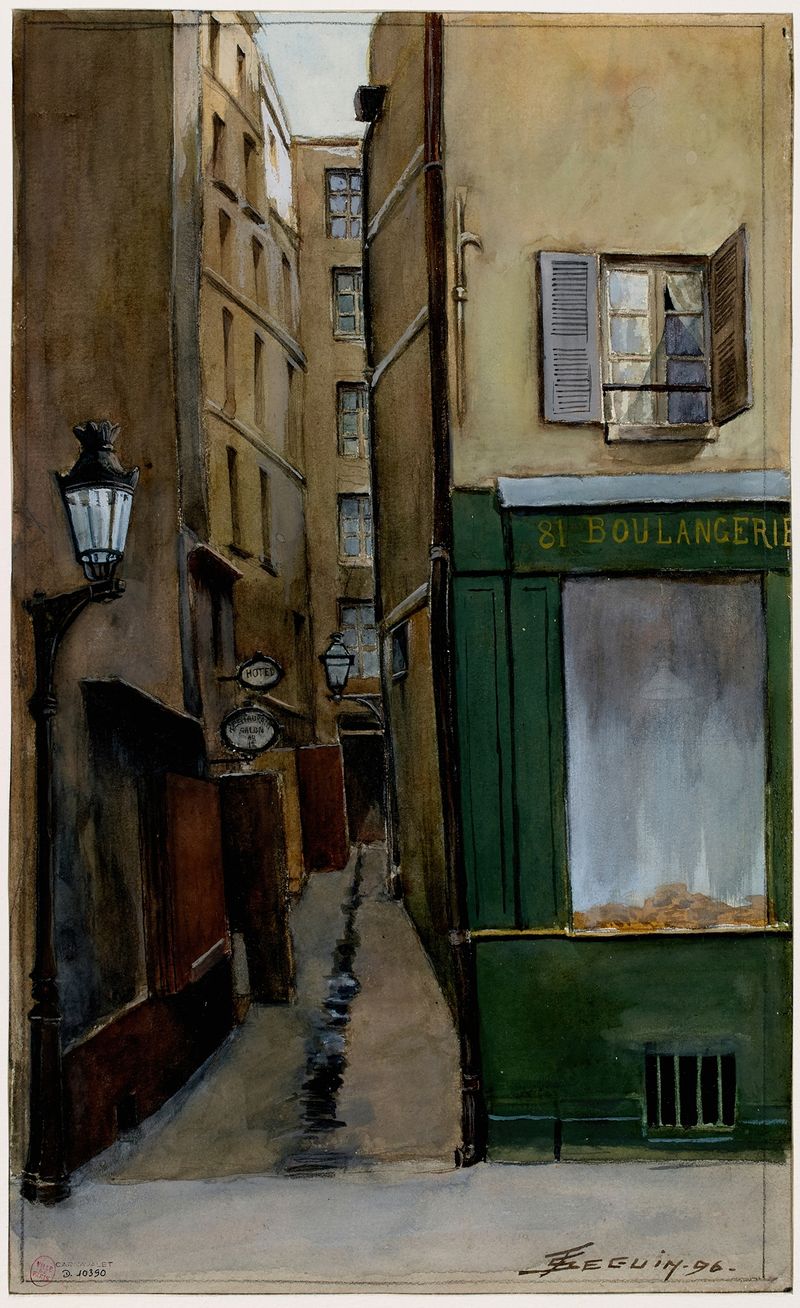
Cul de sac du Fiacre, 81 rue Saint Martin
F. Séguin
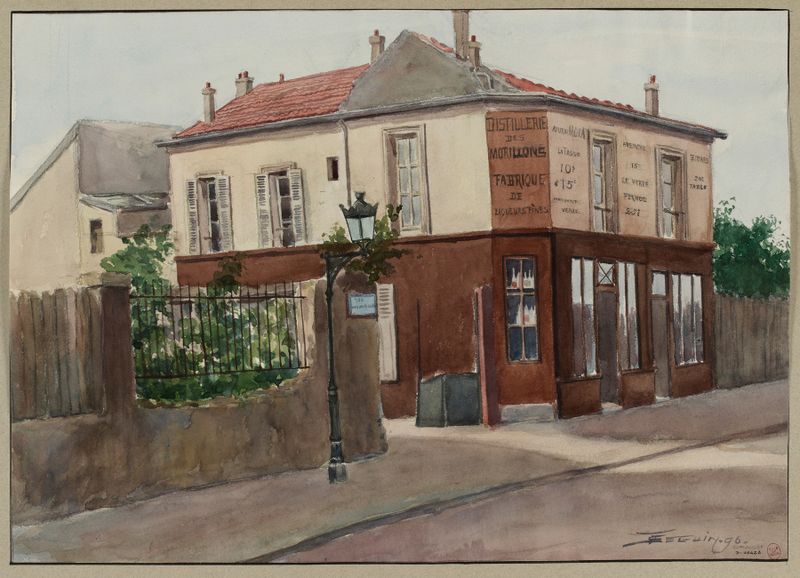
Angle de l’impasse Carlier et au 24 rue des Morillons, Vaugirard
F. Séguin
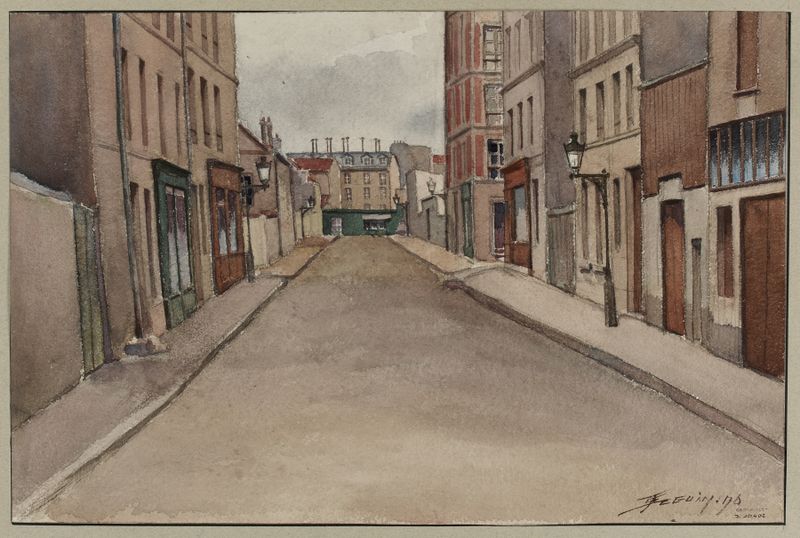
Rue Franquet
F. Séguin





