
Le bord de la Bièvre à l’avenue des Gobelins — History & Facts
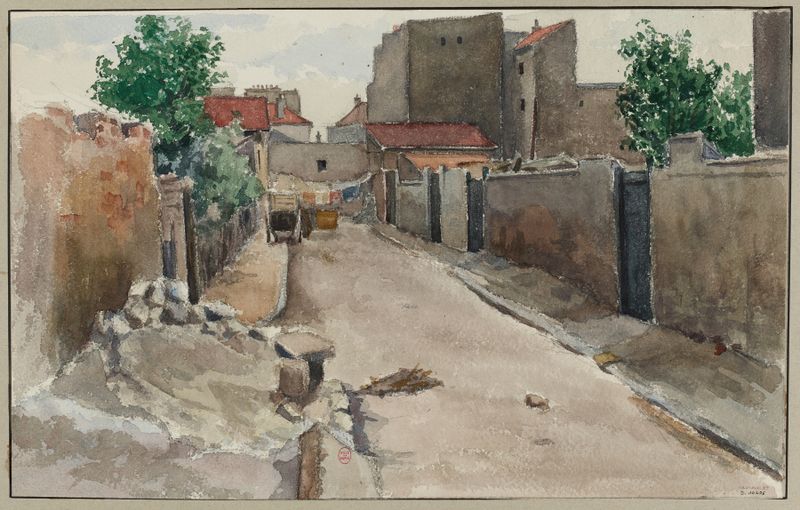
Could a single brushstroke hold eternity? In the fleeting moments of our past, memories linger like shadows, forever imprinted on the canvas of our minds. Look to the foreground where a river meanders, its gentle waves reflecting a kaleidoscope of greens and blues. The brushwork captures the essence of the Bièvre, with dappled light playing upon the water, creating a shimmering pathway. Notice how the artist skillfully combines soft strokes and vibrant hues, inviting the eye to journey through the scene, revealing the lush banks dotted with willows and wildflowers.
Each detail beckons the viewer closer, allowing one to sense the essence of life that pulses within this serene landscape. Delve deeper into the emotional landscape of the piece, where contrasts of tranquility and vibrancy merge. The calming ripples of the water symbolize the passage of time, while the lively flora embodies the vibrancy of nature’s eternal cycle. There is a tension between stillness and movement—a reminder that while the moment captured is fleeting, the memory it evokes is enduring.
The way light filters through the branches suggests the interplay between reality and recollection, blurring the lines of what is seen and what is remembered. Created in 1895, this work reflects a period of transition for F. Séguin, who was deeply engaged in the Impressionist movement in France. At this time, he was exploring the interplay of light and atmosphere in his landscapes, drawing on the changing perspectives of nature prevalent in the artistic community.
As urban life encroached upon the natural world, Séguin's focus on serene vistas served as both a celebration of beauty and a poignant reminder of memories that fade yet remain forever etched in the heart.
More Artworks by F. Séguin
Browse all →
Rue Brantôme. (anciennement rue des Petits Champs donnant rue Saint Martin et rue Beaubourg)
F. Séguin
La rue de Chambéry, prise de la rue de Nice la Frontière
F. Séguin
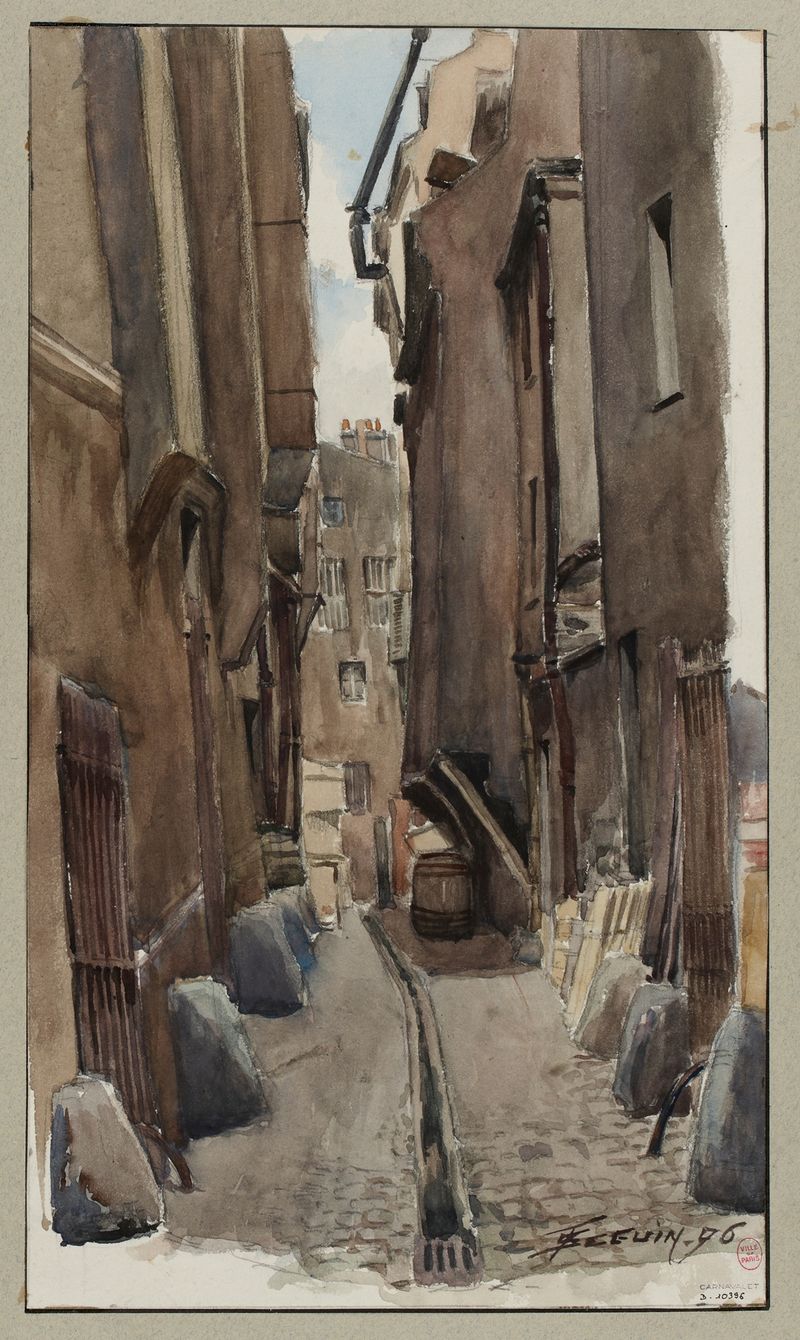
Le Cul de sac du Bœuf, (rue Saint Merri)
F. Séguin

Rue Descartes
F. Séguin

Villa des Otages mur où furent fusillés les 52 derniers otages de la Commune, rue Haxo
F. Séguin
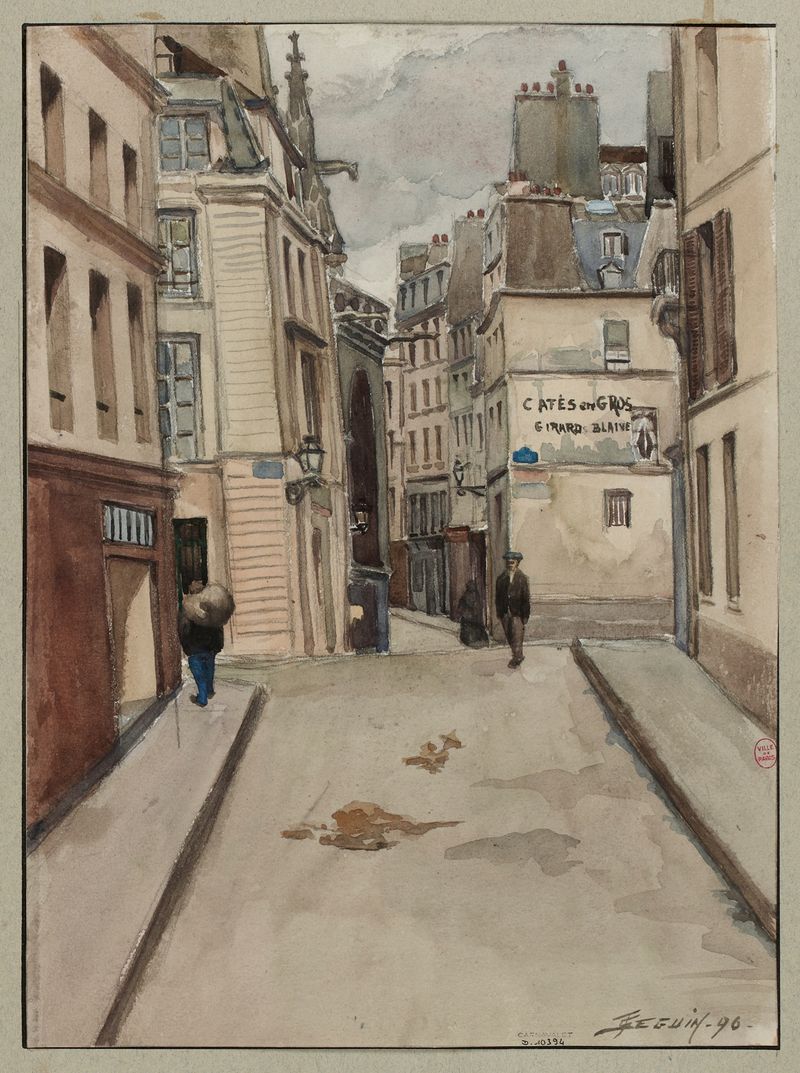
Rue du Cloître Saint Mérry, de la rue du Renard à la rue Saint Martin
F. Séguin
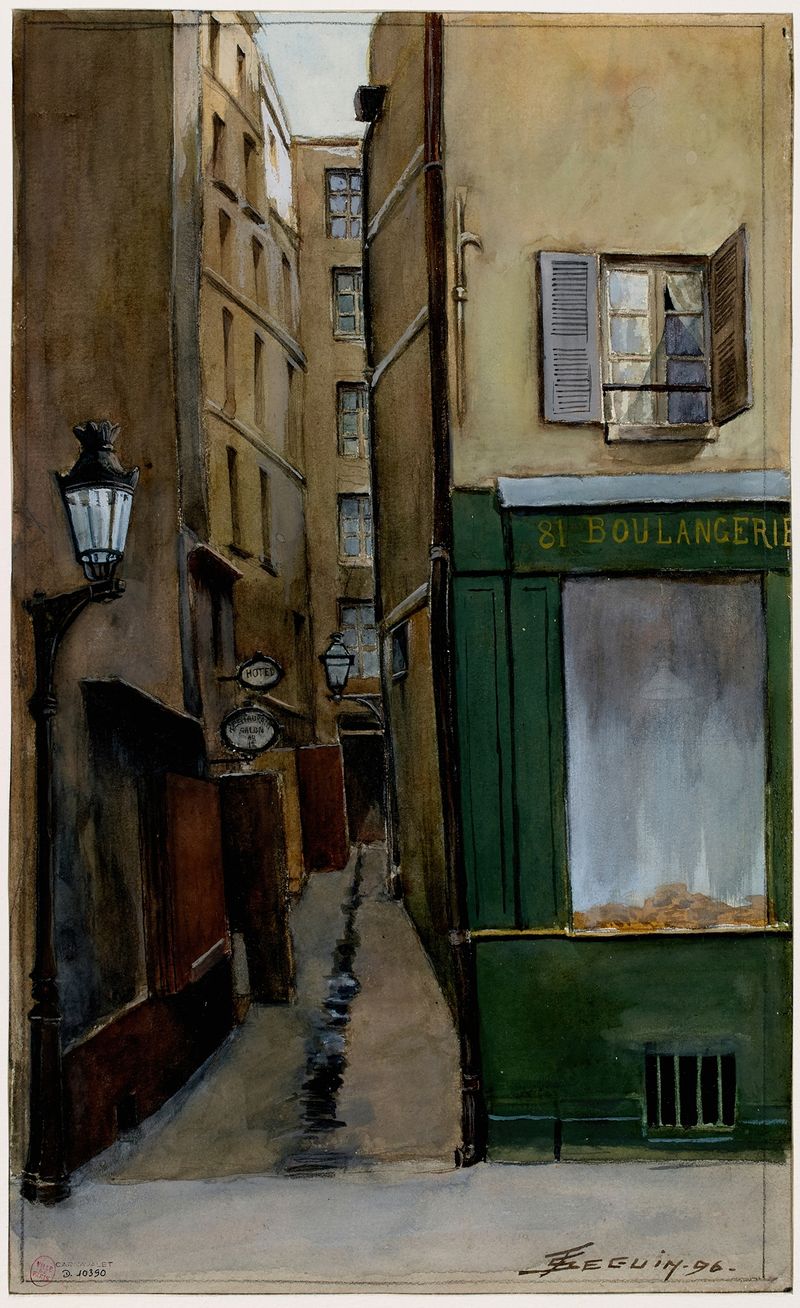
Cul de sac du Fiacre, 81 rue Saint Martin
F. Séguin
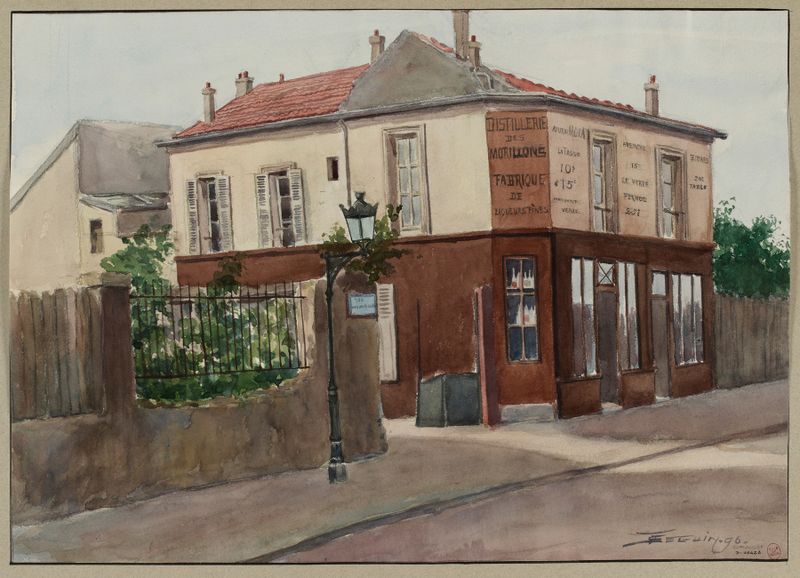
Angle de l’impasse Carlier et au 24 rue des Morillons, Vaugirard
F. Séguin
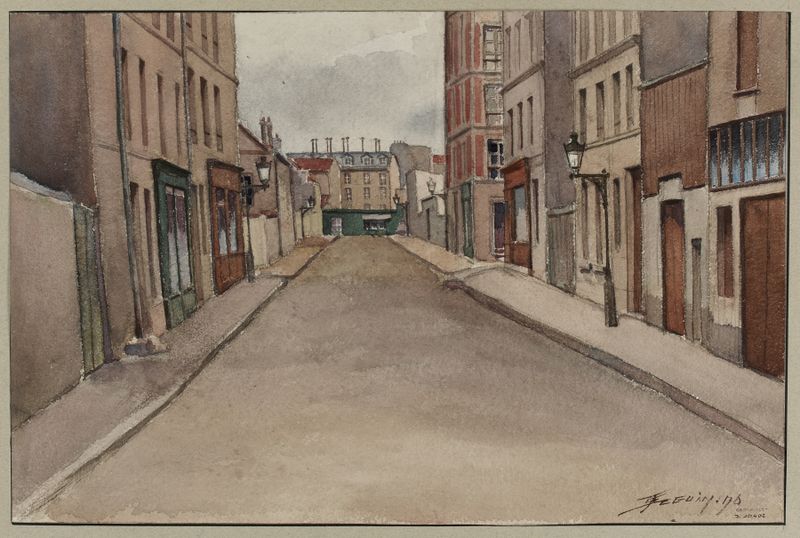
Rue Franquet
F. Séguin

Rue Daubenton
F. Séguin





