
Rue du Cloître Saint Mérry, de la rue du Renard à la rue Saint Martin — History & Facts
In the stillness of an empty street, the quiet space offers a reflection of both solitude and potential, inviting contemplation. The void is not merely an absence but a space brimming with possibilities, echoing the unvoiced stories that linger in its shadows. Look to the left, where cobblestones glisten under the soft light, guiding the viewer into the depths of the alleyway. Notice how the pale facade of the buildings recedes into the distance, creating a sense of narrowing focus as it draws the eye upward.
The delicate brushwork captures the textures of the walls and the muted hues of greens and grays, suggesting a world both familiar and elusive, echoing the quiet rhythms of urban life. Within this work lies a tension between presence and absence. The lack of figures gives the viewer room to breathe, encouraging introspection about what once was or what might be. The interplay of light and shadow reveals not just architectural detail but emotional depth—this is a canvas that evokes feelings of nostalgia and longing, a testament to moments lost in the relentless passage of time.
The emptiness speaks volumes, hinting at hidden lives and stories that have unfolded in this very space. In 1896, while creating this piece, the artist was deeply engaged in the Impressionist movement, embracing the exploration of light and atmosphere. Living and working in Paris at a time of artistic revolution, F. Séguin was influenced by his contemporaries while striving to carve his own path.
The city itself was a canvas of change, inspiring artists to reflect on the interplay between urban life and personal experience.
More Artworks by F. Séguin
Browse all →
Rue Brantôme. (anciennement rue des Petits Champs donnant rue Saint Martin et rue Beaubourg)
F. Séguin
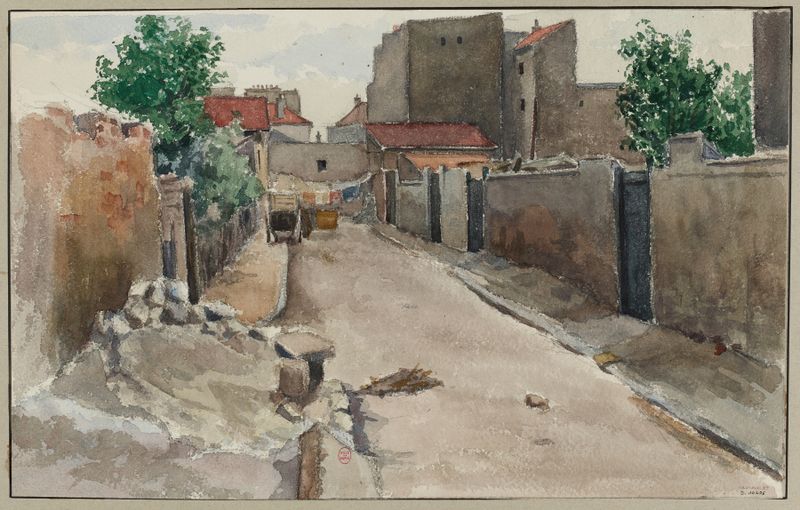
La rue de Chambéry, prise de la rue de Nice la Frontière
F. Séguin
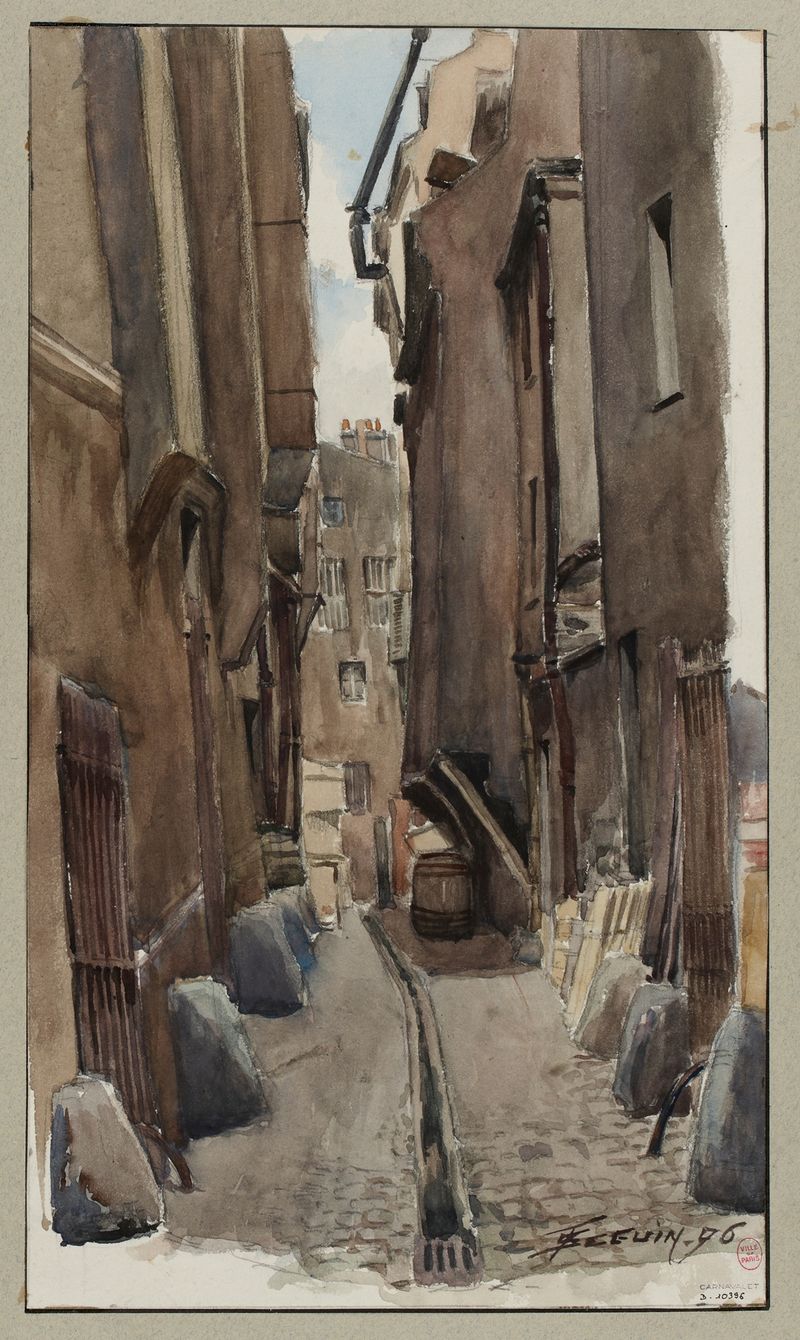
Le Cul de sac du Bœuf, (rue Saint Merri)
F. Séguin

Rue Descartes
F. Séguin
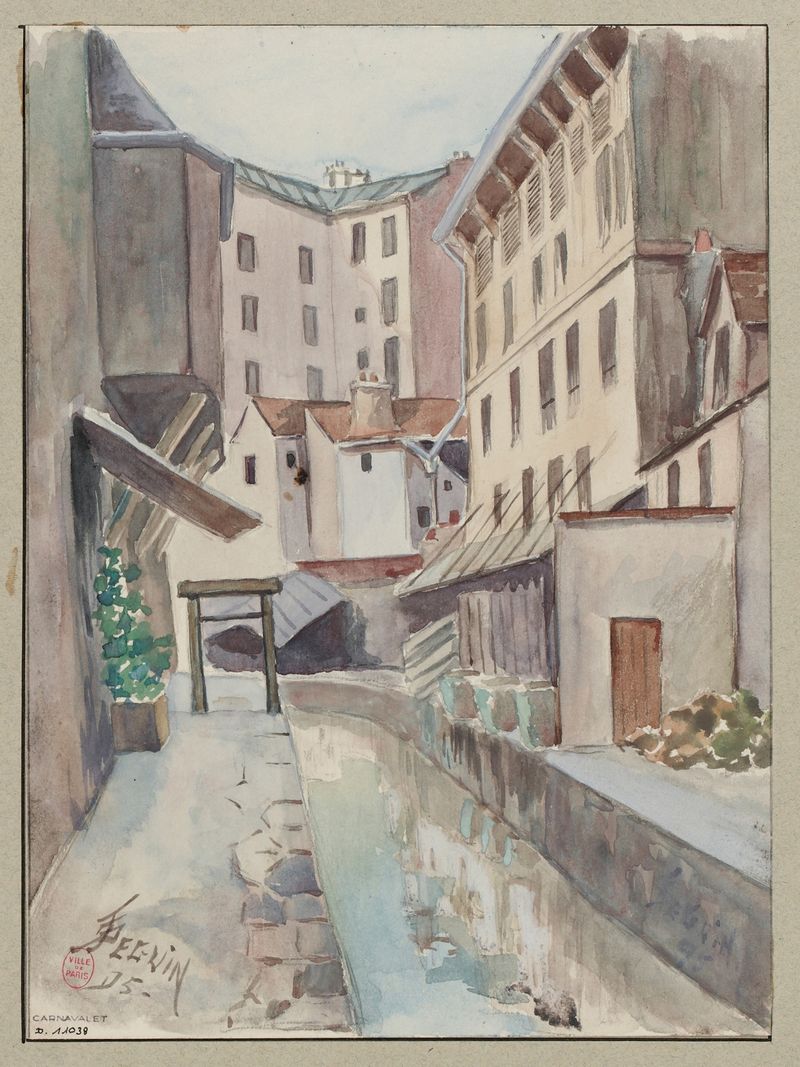
Le bord de la Bièvre à l’avenue des Gobelins
F. Séguin

Villa des Otages mur où furent fusillés les 52 derniers otages de la Commune, rue Haxo
F. Séguin
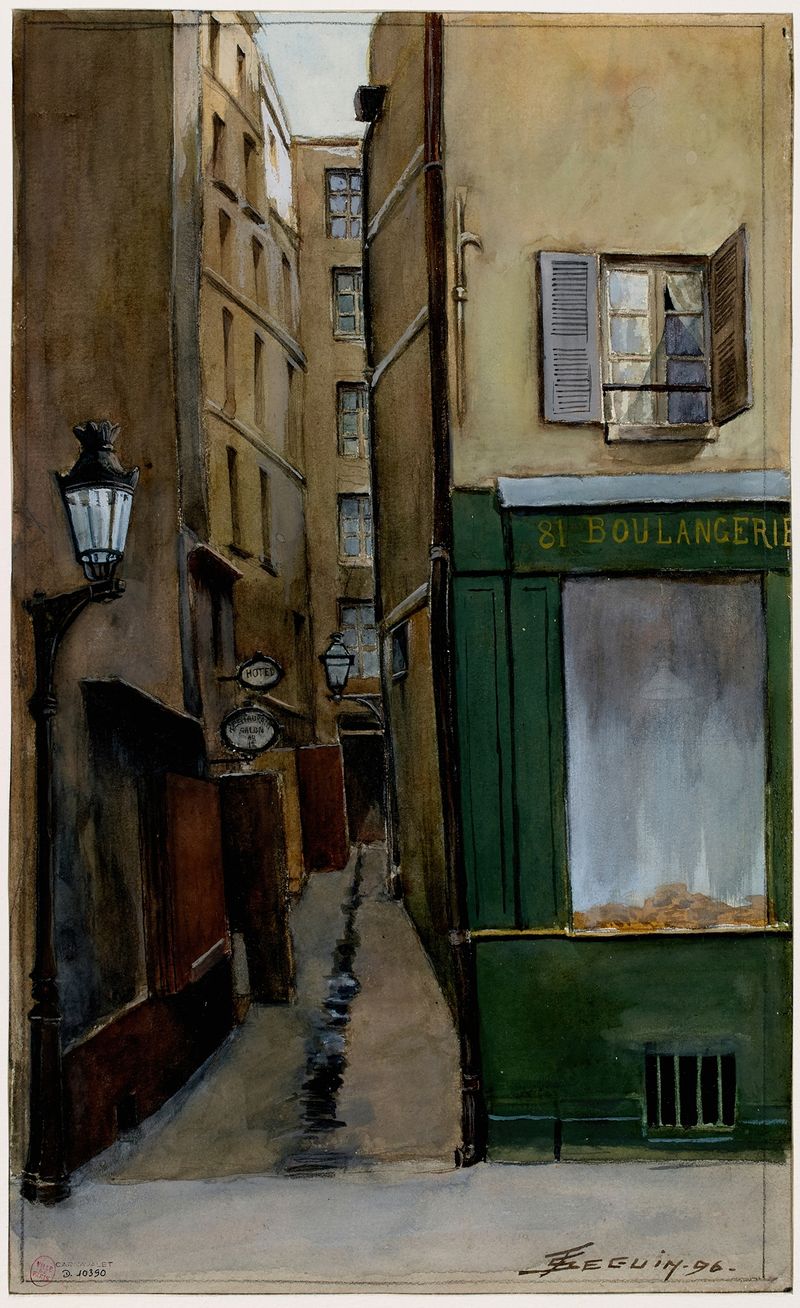
Cul de sac du Fiacre, 81 rue Saint Martin
F. Séguin
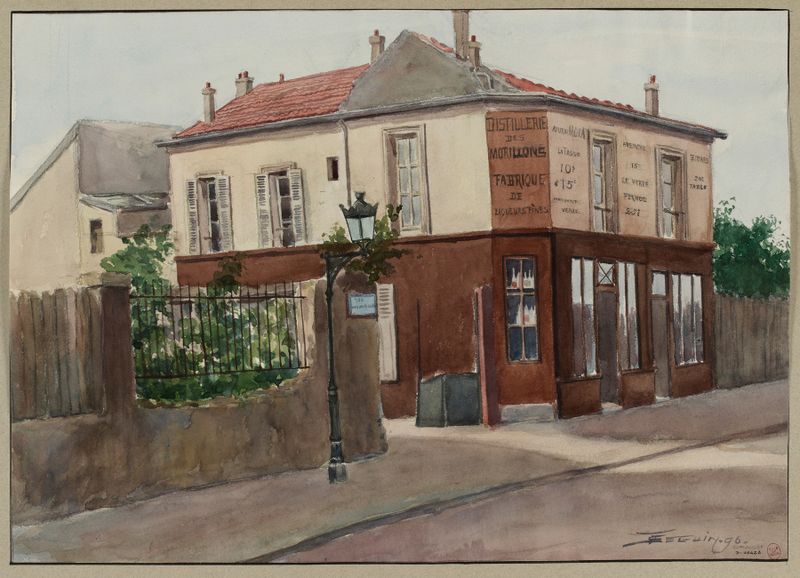
Angle de l’impasse Carlier et au 24 rue des Morillons, Vaugirard
F. Séguin
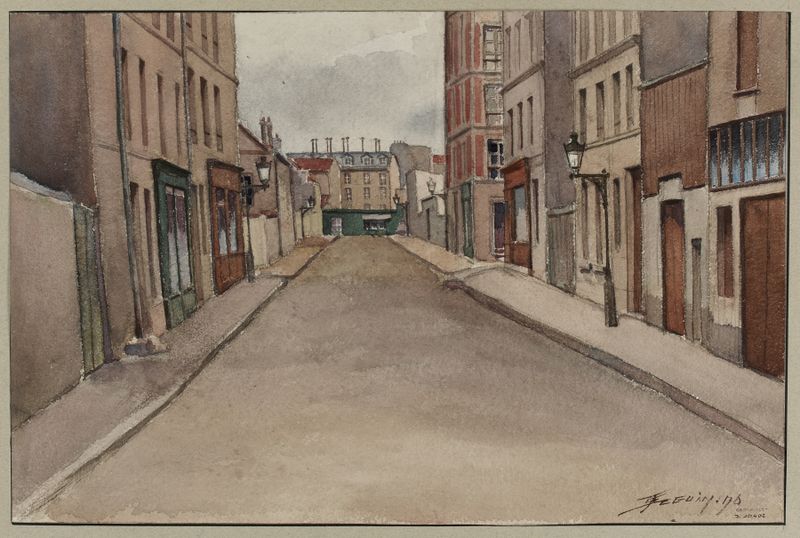
Rue Franquet
F. Séguin

Rue Daubenton
F. Séguin
More Architecture Art
Browse all →
The statue of Liberty
Frédéric Auguste Bartholdi

View of Houses in Delft, Known as ‘The Little Street’
Johannes Vermeer

View of Houses in Delft, Known as ‘The Little Street’
Johannes Vermeer

The Cathedral in Rouen. The portal, Grey Weather
Claude Monet

The yellow house
Vincent van Gogh

The Church in Auvers-sur-Oise, View from the Chevet
Vincent van Gogh