
Rue Franquet — History & Facts
In the stillness of Rue Franquet, reflections invite us to ponder the invisible stories hidden within the everyday hustle of urban life. The interplay of light and shadow reveals depths often overlooked, encouraging a pause to consider our own presence in the world. Look to the left at the serene figure, silhouetted against the muted tones of the street. Notice how the soft pastels of the buildings contrast with the sharp lines of cobblestone, guiding your gaze deeper into the scene.
The gentle brushwork creates an atmosphere where time seems suspended, evoking a sense of both nostalgia and mystery. The play of light on the surfaces, especially the warm glow of the lamp, suggests a whisper of life just beyond the frame, beckoning us to look closer. Yet, amid the tranquility, the painting subtly conveys a tension between solitude and community. The solitary figure, dwarfed by the towering buildings, embodies the isolation that can accompany urban existence.
In the reflections, one might sense the echoes of distant voices or the fleeting memories of lives intertwined. The overall composition cleverly juxtaposes the vibrancy of city life against a backdrop of introspection, prompting viewers to confront their own emotions and experiences. F. Séguin painted Rue Franquet in 1896 during a period of significant change in Paris.
This era was marked by rapid urbanization and the rise of Impressionism, where artists began to explore the relationship between light and atmosphere in their work. Séguin’s quiet, reflective approach stands out, revealing not only the physical landscape but also the emotional landscape of the city dwellers—capturing both the beauty and solitude that life in Paris could evoke.
More Artworks by F. Séguin
Browse all →
Rue Brantôme. (anciennement rue des Petits Champs donnant rue Saint Martin et rue Beaubourg)
F. Séguin
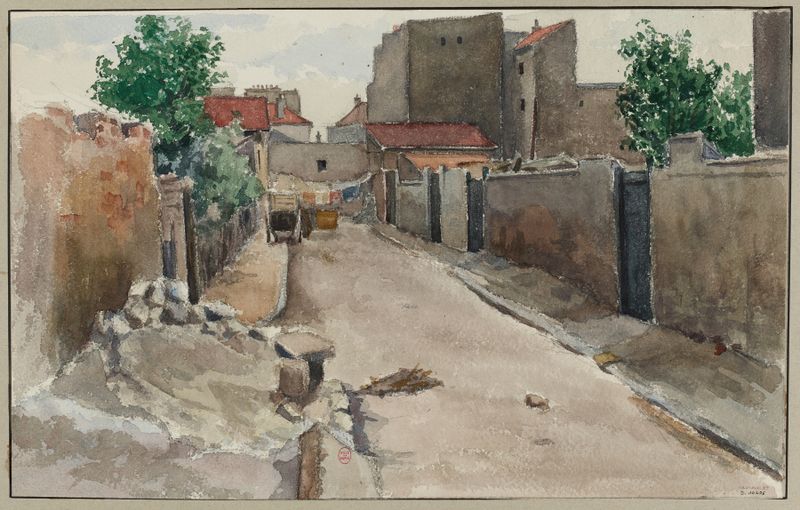
La rue de Chambéry, prise de la rue de Nice la Frontière
F. Séguin
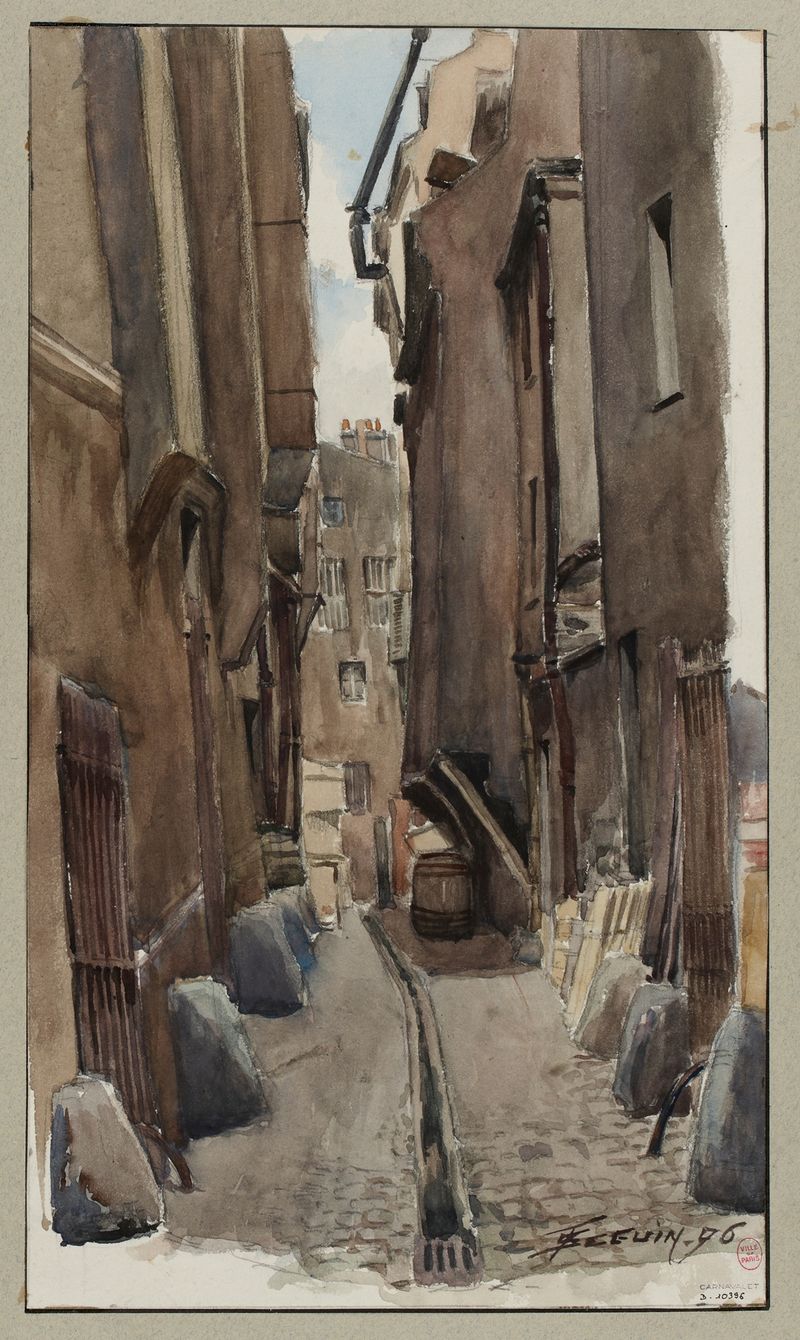
Le Cul de sac du Bœuf, (rue Saint Merri)
F. Séguin

Rue Descartes
F. Séguin
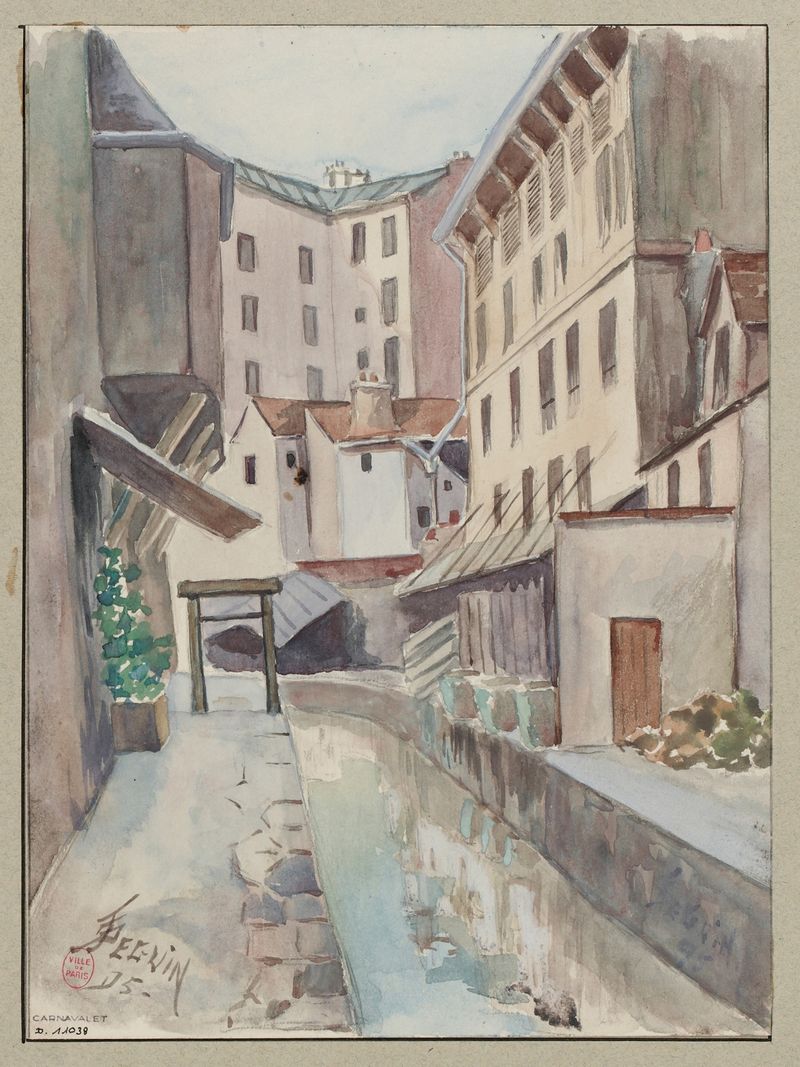
Le bord de la Bièvre à l’avenue des Gobelins
F. Séguin

Villa des Otages mur où furent fusillés les 52 derniers otages de la Commune, rue Haxo
F. Séguin
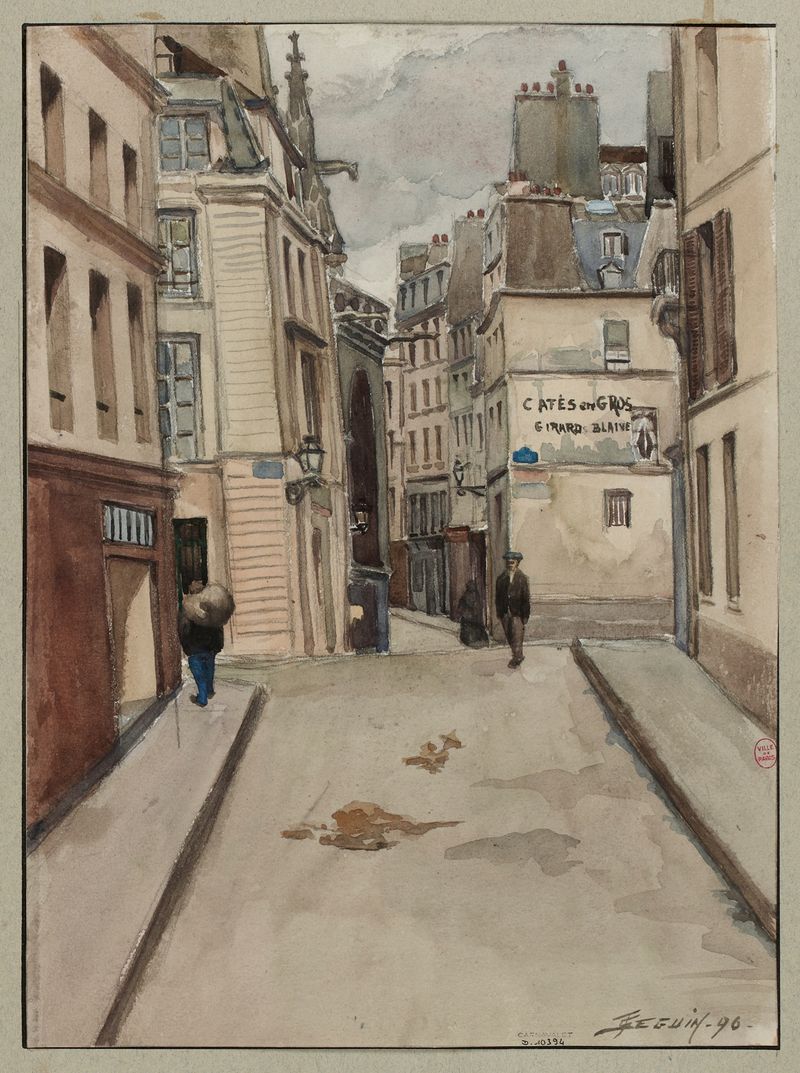
Rue du Cloître Saint Mérry, de la rue du Renard à la rue Saint Martin
F. Séguin
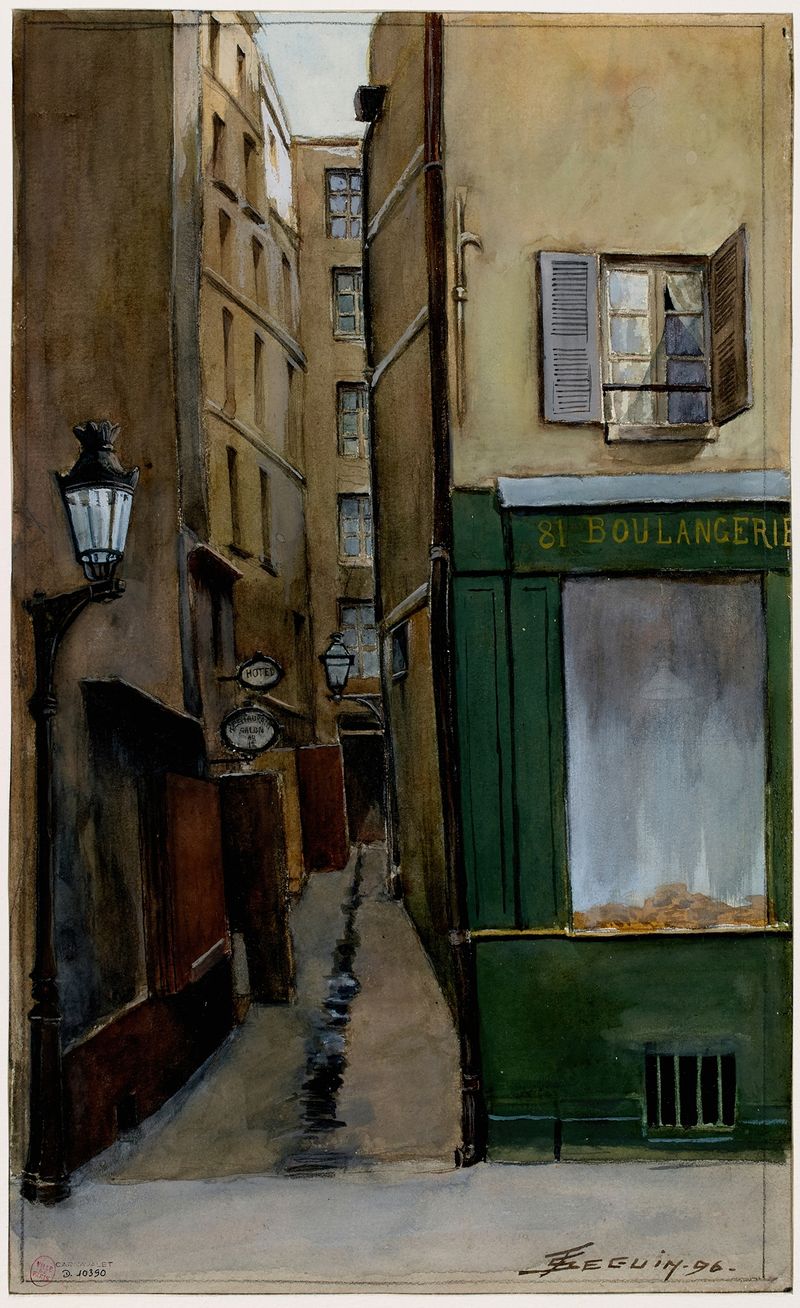
Cul de sac du Fiacre, 81 rue Saint Martin
F. Séguin
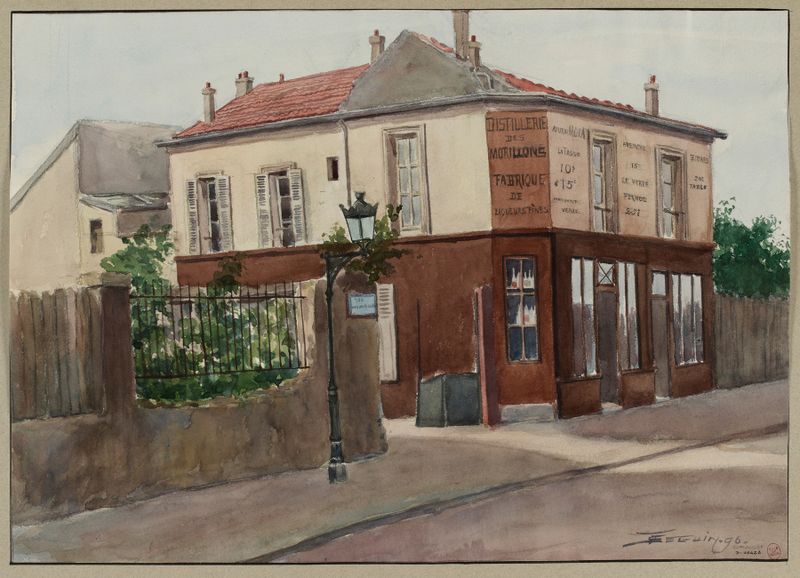
Angle de l’impasse Carlier et au 24 rue des Morillons, Vaugirard
F. Séguin

Rue Daubenton
F. Séguin





