
Le Cul de sac du Bœuf, (rue Saint Merri) — History & Facts
In the quiet corners of Paris, where destiny whispers through the cobblestones, art becomes a refuge from the relentless march of time. Look to the left of Le Cul de sac du Bœuf, (rue Saint Merri), where the intricate details of the old buildings rise against the sky. The warm ochres and soft blues create a comforting embrace, while the gentle brushstrokes invite you to linger, as if the scene itself is breathing. Notice how the sunlight dances across the textured facades, illuminating the stories etched into every crack and crevice, beckoning you closer. Beyond the surface beauty lies a deeper narrative.
The juxtaposition of light and shadow reflects the passage of time, hinting at the lives intertwined within these walls. Each window frames a glimpse into history, evoking feelings of nostalgia and longing. The stillness of the scene juxtaposes the ever-changing rhythm of urban life, creating an emotional tension that resonates with anyone who has felt the weight of their own destiny. F.
Séguin painted this piece in 1896 while living in a rapidly transforming Paris, where the old world met the modern age. During this time, artists were exploring new techniques and subjects, seeking to capture fleeting moments and the essence of their surroundings. Séguin's work reflects this tension, as he navigated the beauty of tradition in a city on the brink of modernity, forever preserving a moment that might otherwise be forgotten.
More Artworks by F. Séguin
Browse all →
Rue Brantôme. (anciennement rue des Petits Champs donnant rue Saint Martin et rue Beaubourg)
F. Séguin
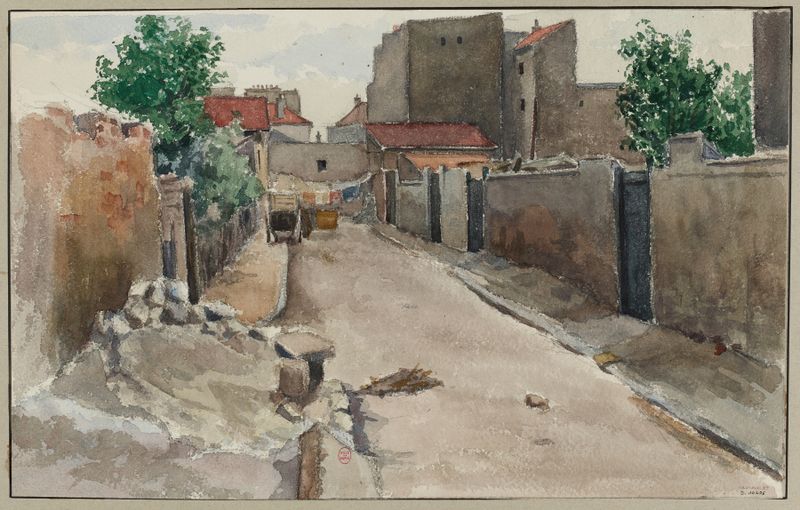
La rue de Chambéry, prise de la rue de Nice la Frontière
F. Séguin

Rue Descartes
F. Séguin
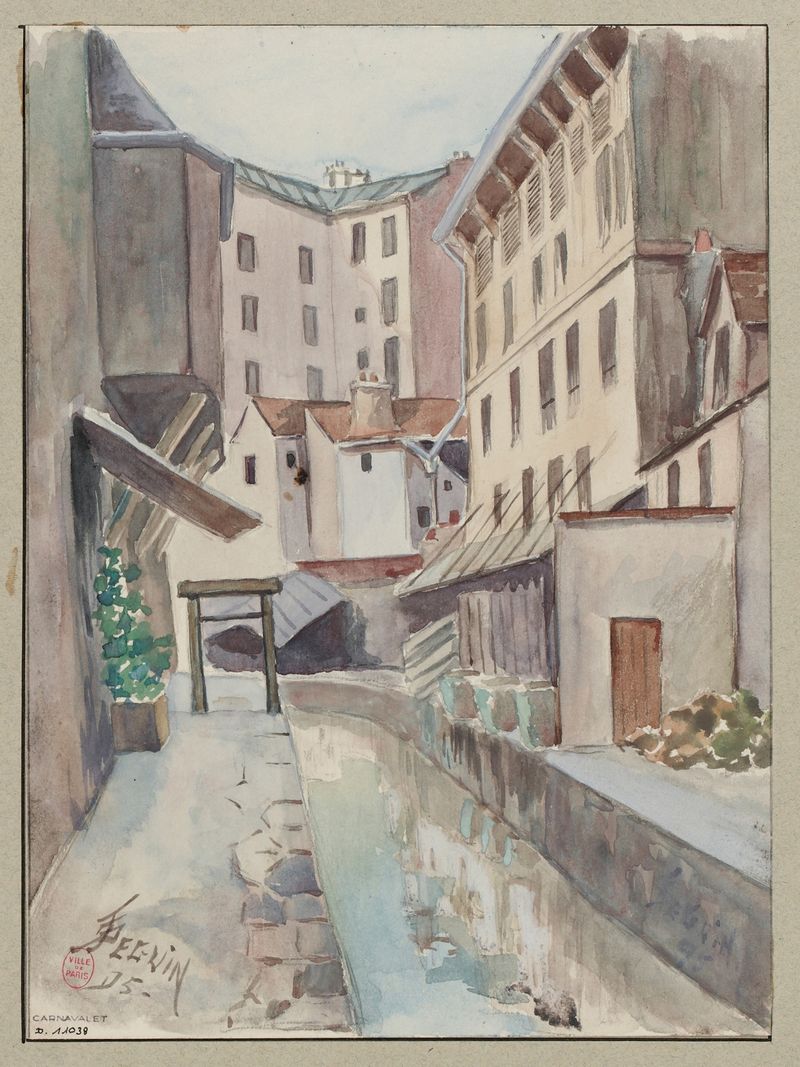
Le bord de la Bièvre à l’avenue des Gobelins
F. Séguin

Villa des Otages mur où furent fusillés les 52 derniers otages de la Commune, rue Haxo
F. Séguin
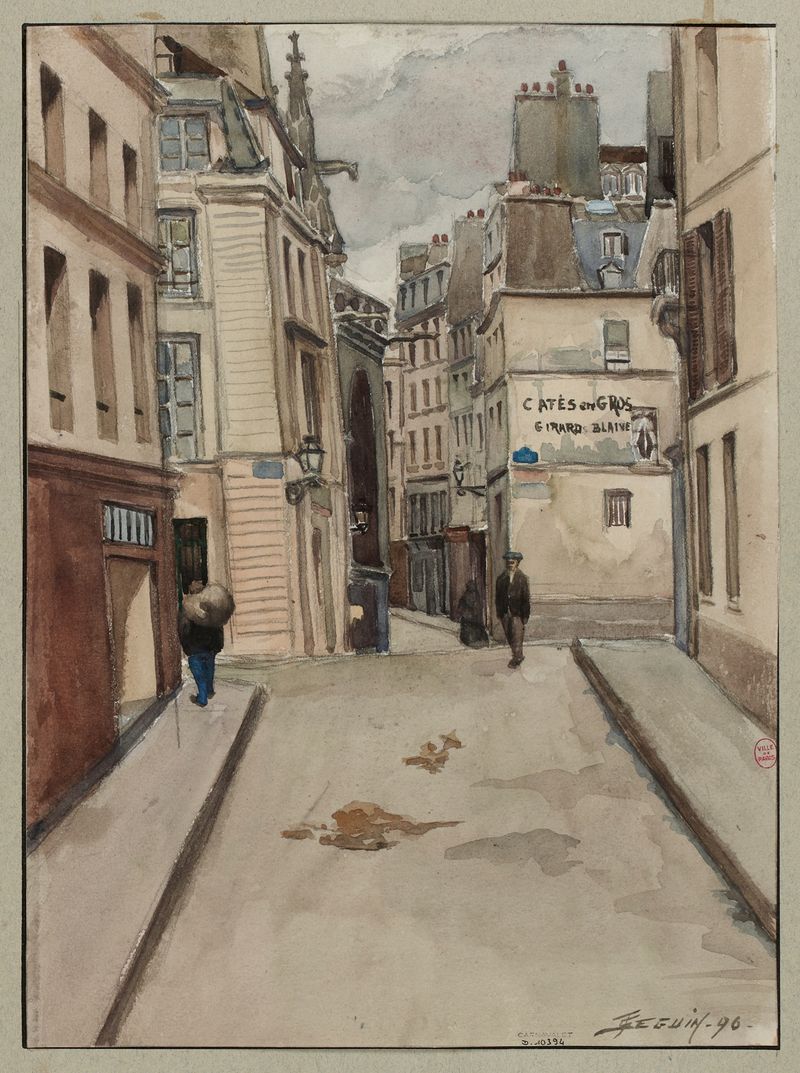
Rue du Cloître Saint Mérry, de la rue du Renard à la rue Saint Martin
F. Séguin
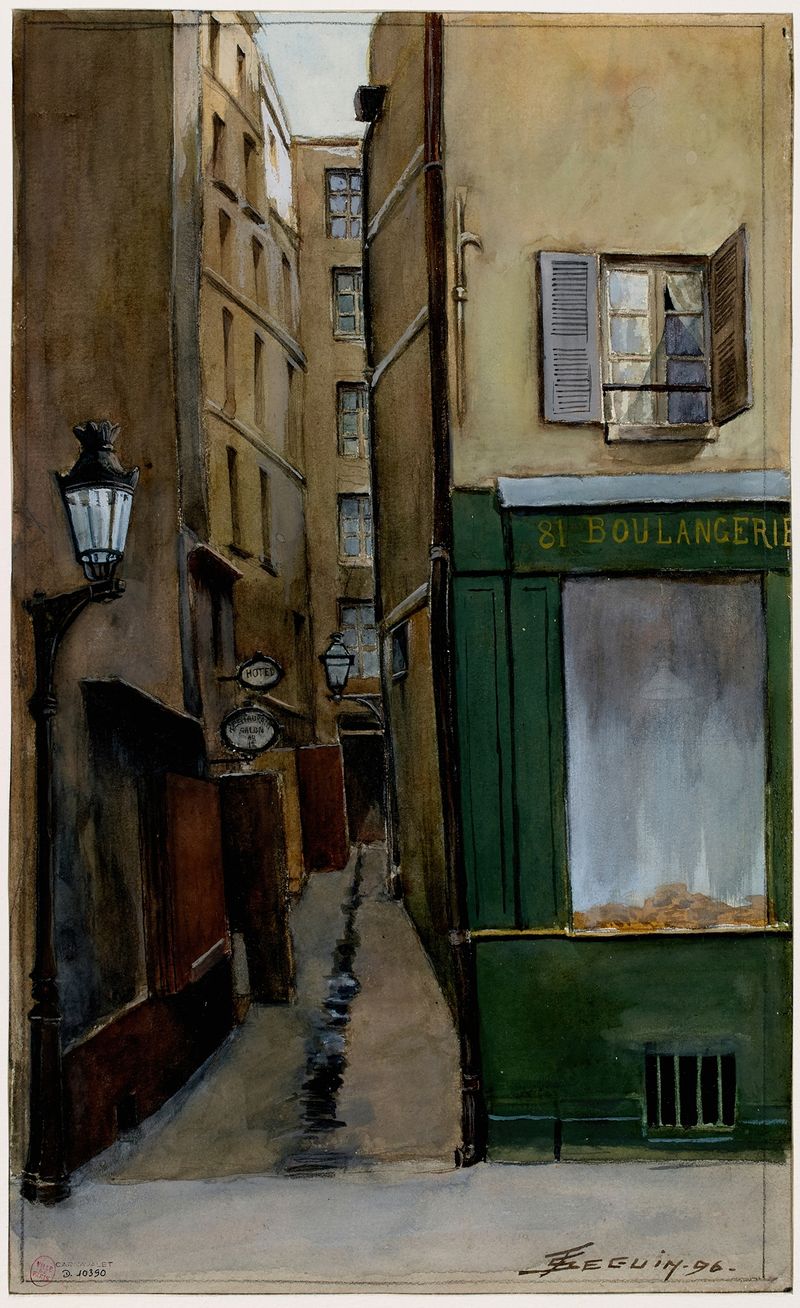
Cul de sac du Fiacre, 81 rue Saint Martin
F. Séguin
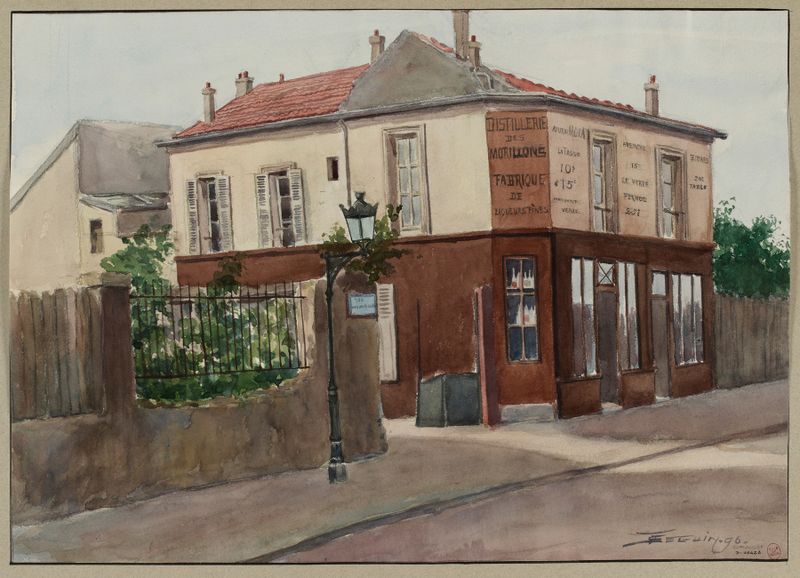
Angle de l’impasse Carlier et au 24 rue des Morillons, Vaugirard
F. Séguin
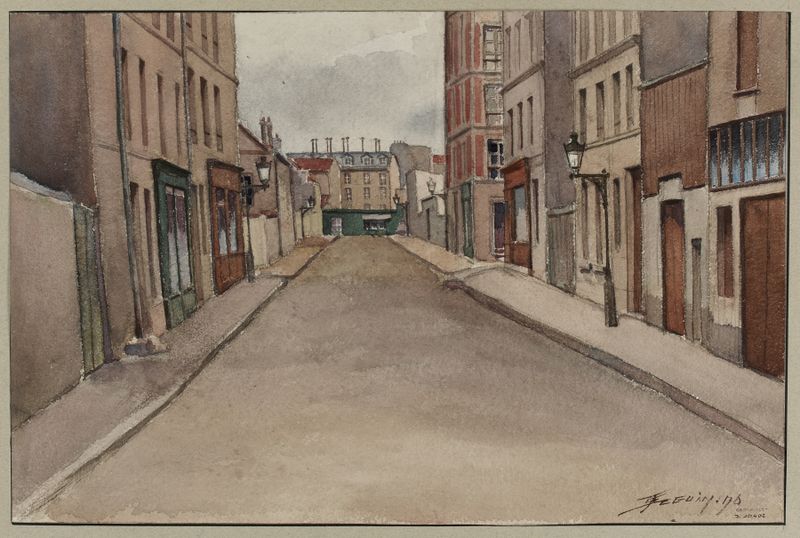
Rue Franquet
F. Séguin

Rue Daubenton
F. Séguin
More Architecture Art
Browse all →
The statue of Liberty
Frédéric Auguste Bartholdi

View of Houses in Delft, Known as ‘The Little Street’
Johannes Vermeer

View of Houses in Delft, Known as ‘The Little Street’
Johannes Vermeer

The Cathedral in Rouen. The portal, Grey Weather
Claude Monet

The yellow house
Vincent van Gogh

The Church in Auvers-sur-Oise, View from the Chevet
Vincent van Gogh