
Villa des Otages mur où furent fusillés les 52 derniers otages de la Commune, rue Haxo — History & Facts
Is this a mirror — or a memory? The somber facade of a once-vibrant villa now stands as a testament to a painful past, inviting us to confront the unseen echoes of history. Look to the center of the canvas, where the crumbling wall dominates the scene. Its muted tones of gray and brown, interspersed with shadows, evoke a sense of decay and loss. The brushwork is deliberate, each stroke capturing the texture of the surface, as if the wall itself is a silent witness to the atrocities that occurred.
The absence of color conveys a haunting stillness, drawing the eye to the faint inscriptions and marks that whisper stories of those who met their end here. Beneath the surface lies a profound tension between remembrance and erasure. The artist’s choice to depict the wall rather than the act of violence itself underscores the concept of faith in memory — the belief that the dead deserve to be remembered, even if their voices have been silenced. The wall serves as both a boundary and a threshold, challenging viewers to reflect on the weight of history and the fragility of human life.
In this portrayal, the emotional depth grows as one contemplates the personal and collective grief intertwined with the villa’s legacy. F. Séguin painted this work in 1895, during a period of political upheaval in France. The memory of the Paris Commune, which had ended over two decades prior, still resonated deeply in the national consciousness.
This artwork emerged amidst a growing interest in historical themes and social commentaries in art, as the world grappled with the legacies of violence and the quest for identity in a rapidly changing society.
More Artworks by F. Séguin
Browse all →
Rue Brantôme. (anciennement rue des Petits Champs donnant rue Saint Martin et rue Beaubourg)
F. Séguin
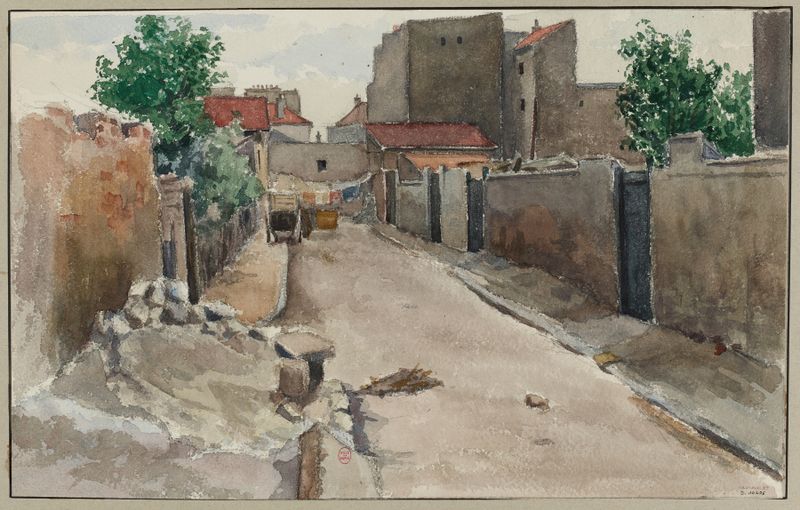
La rue de Chambéry, prise de la rue de Nice la Frontière
F. Séguin
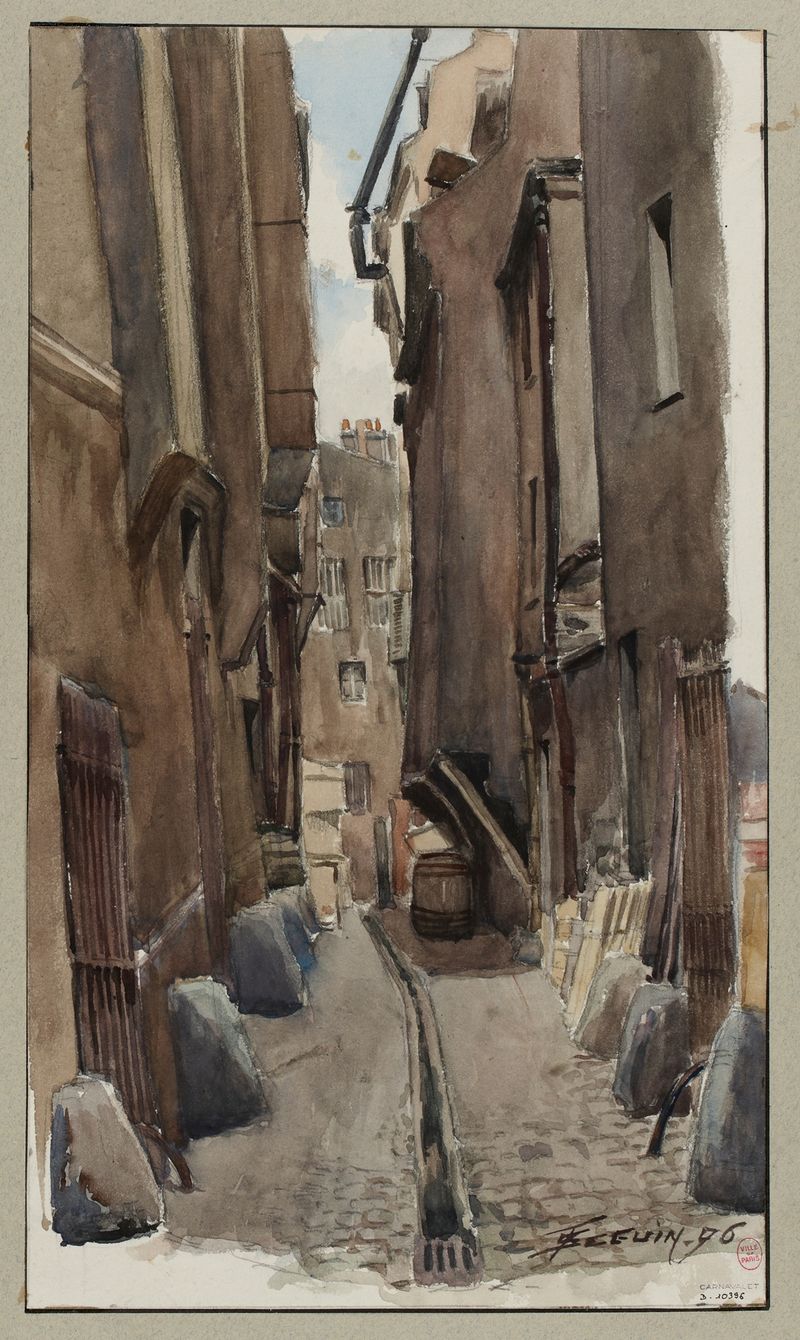
Le Cul de sac du Bœuf, (rue Saint Merri)
F. Séguin

Rue Descartes
F. Séguin
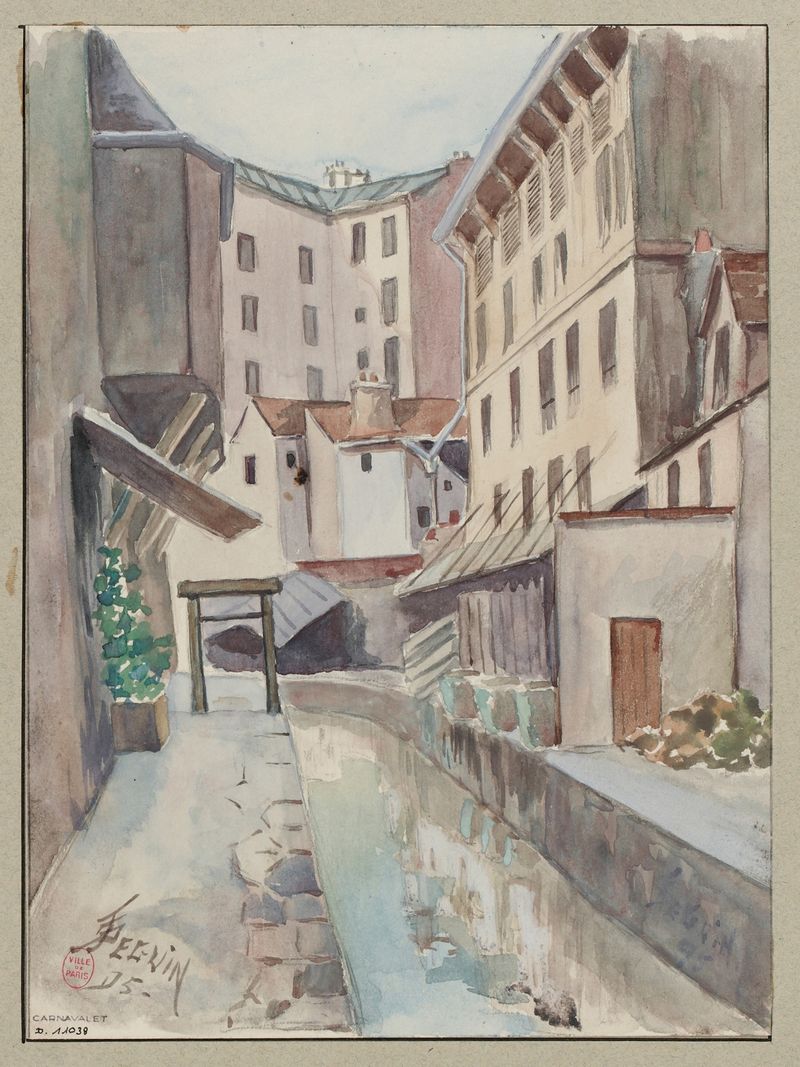
Le bord de la Bièvre à l’avenue des Gobelins
F. Séguin
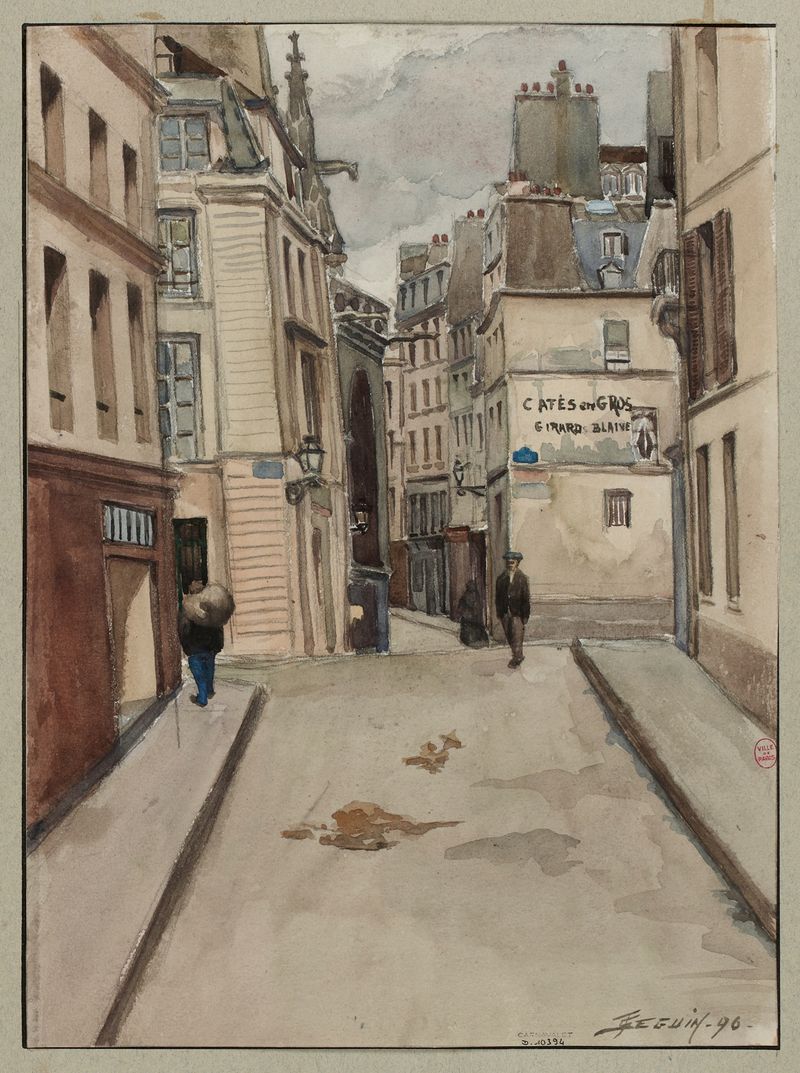
Rue du Cloître Saint Mérry, de la rue du Renard à la rue Saint Martin
F. Séguin
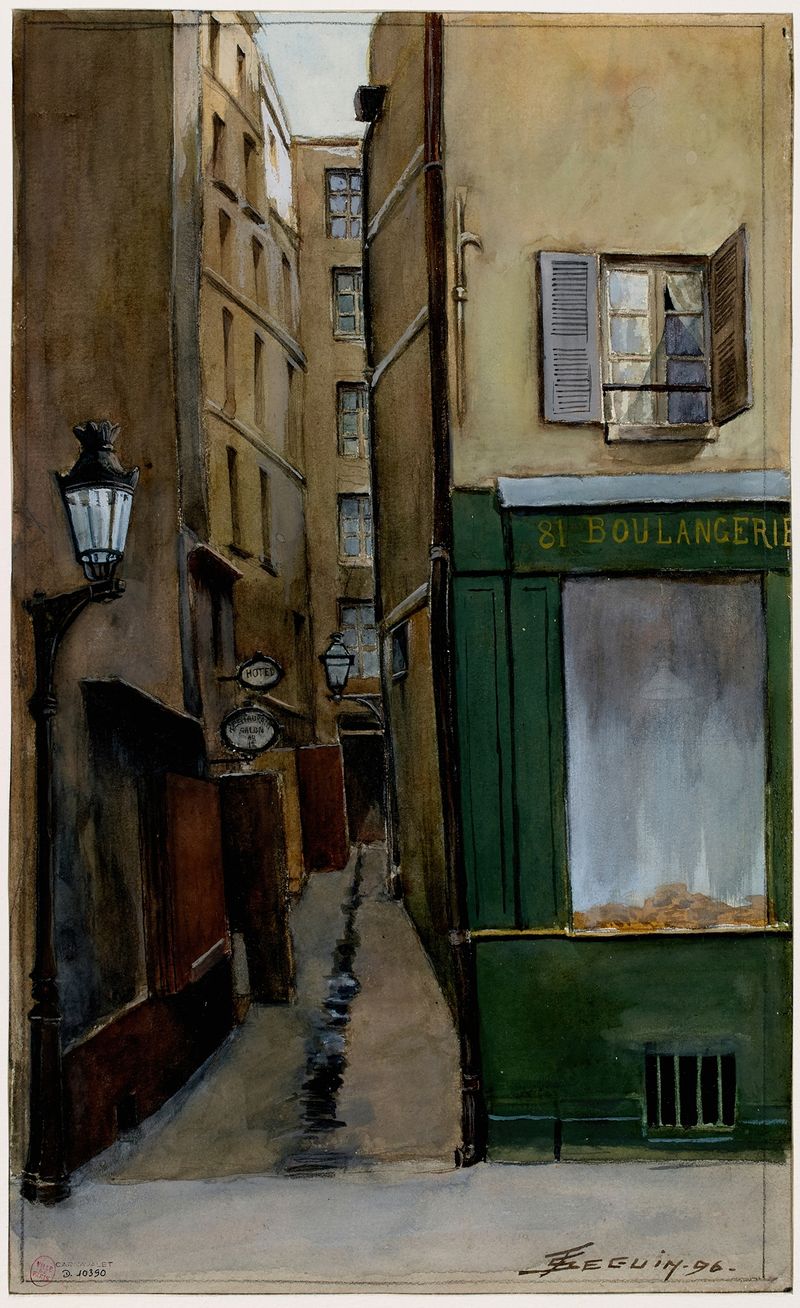
Cul de sac du Fiacre, 81 rue Saint Martin
F. Séguin
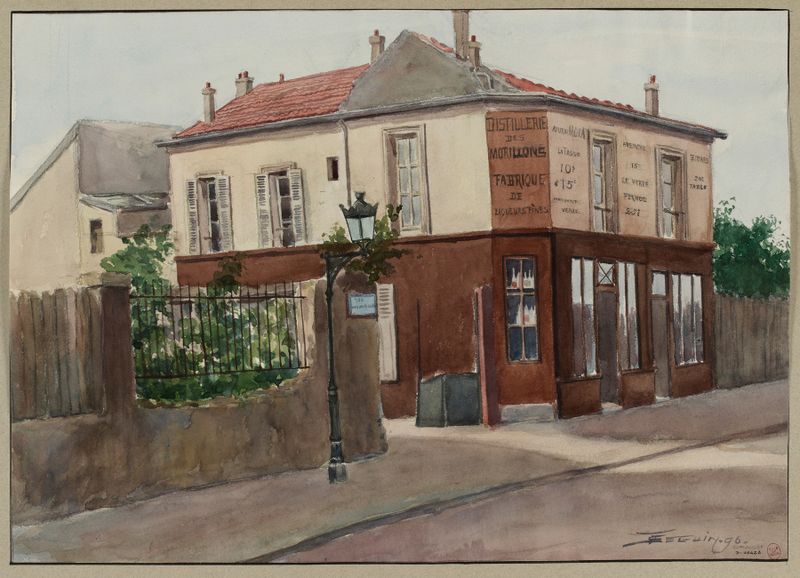
Angle de l’impasse Carlier et au 24 rue des Morillons, Vaugirard
F. Séguin
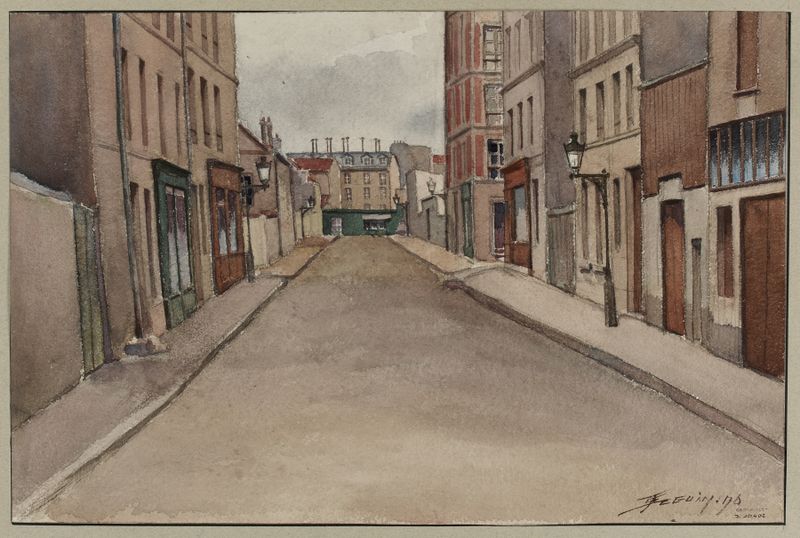
Rue Franquet
F. Séguin

Rue Daubenton
F. Séguin
More Architecture Art
Browse all →
The statue of Liberty
Frédéric Auguste Bartholdi

View of Houses in Delft, Known as ‘The Little Street’
Johannes Vermeer

View of Houses in Delft, Known as ‘The Little Street’
Johannes Vermeer

The Cathedral in Rouen. The portal, Grey Weather
Claude Monet

The yellow house
Vincent van Gogh

The Church in Auvers-sur-Oise, View from the Chevet
Vincent van Gogh