
Avenue Trudaine — History & Facts
Who listens when art speaks of silence? In Avenue Trudaine, the emptiness of the scene is a profound invitation to introspection, echoing the stillness of a Parisian street that seems to hold its breath. Look to the left at the soft, muted tones of the buildings, their façades standing stoic beneath a cloudy sky. Notice how the light gently caresses the cobblestones, creating a delicate play of shadows that draws your gaze toward the distant horizon. The composition, with its elongated perspective, fosters a sense of quiet anticipation, as if the viewer is peering into a moment caught between the clamor of life and the hush of solitude. Within this seemingly tranquil setting lies a tension between the bustling city and the silence experienced in this isolated frame.
The sparse figures suggest a world just out of reach, evoking feelings of longing and contemplation. Each empty space speaks volumes, inviting viewers to reflect on what is absent, rather than present. The rhythmic brushstrokes and the palette of soft greys and earth tones amplify this emotional depth, encouraging the viewer to linger in the quiet. Henri-Charles Guérard created Avenue Trudaine in 1872, amidst a transitional period in the art world that echoed a shift towards modernity.
During this time, Paris was bustling with innovation and change, yet Guérard chose to capture a moment of stillness, reflecting his personal artistic journey and the broader exploration of impressionism. His work often delved into themes of solitude and the human experience, making this painting resonate with an enduring sense of emptiness.
More Artworks by Henri-Charles Guérard
Browse all →
Paris, la rue Cortot, Montmartre
Henri-Charles Guérard
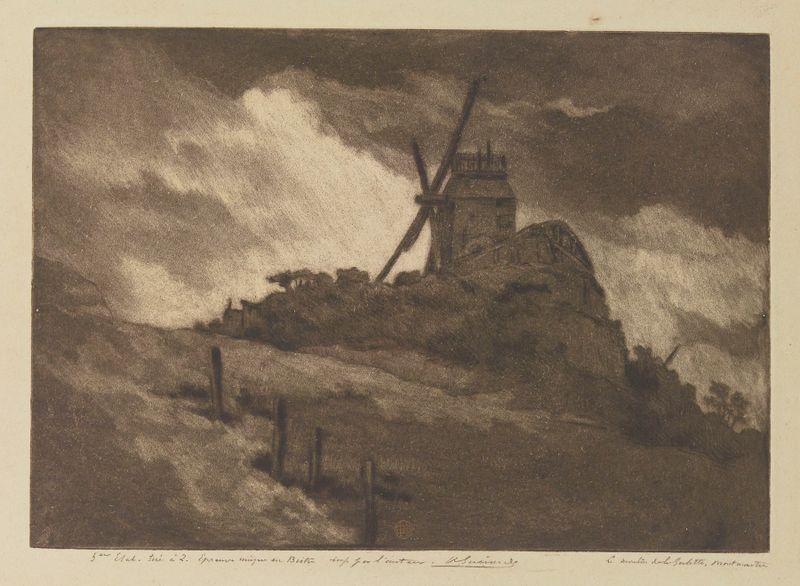
Le moulin de la Galette, Montmartre
Henri-Charles Guérard
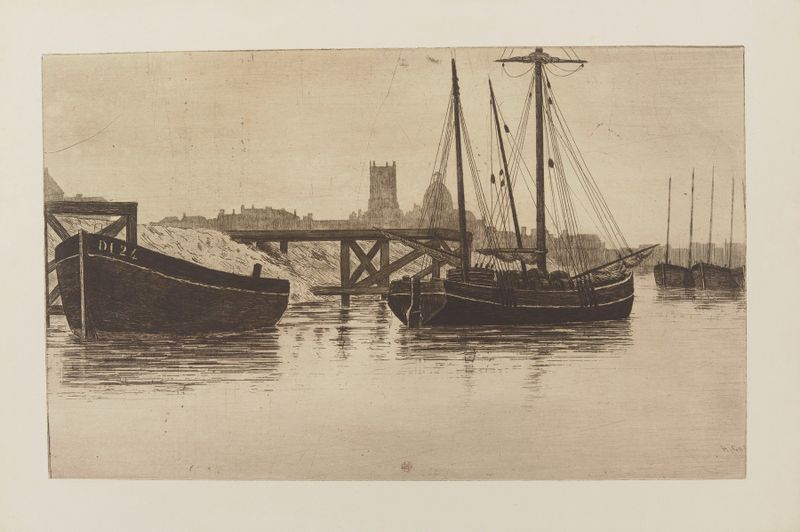
Débarquement de créosote, Retenue, Dieppe
Henri-Charles Guérard
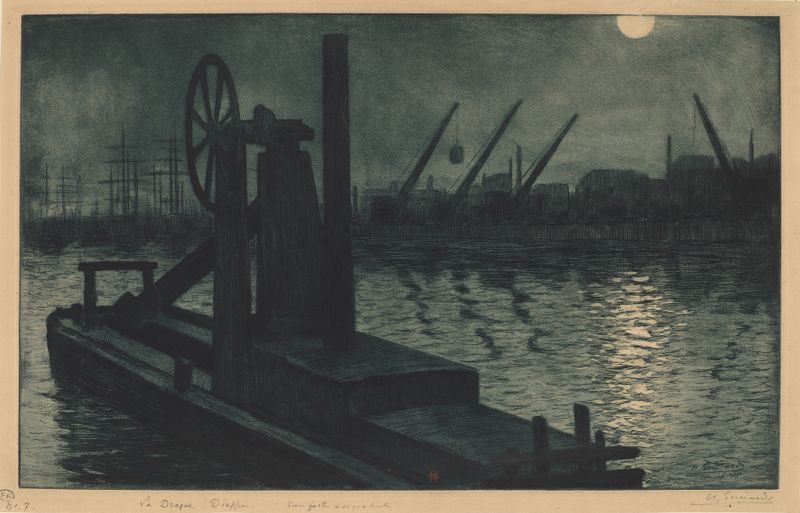
La Drague Dieppe (A Dredger in Dieppe Harbor by Moonlight)
Henri-Charles Guérard
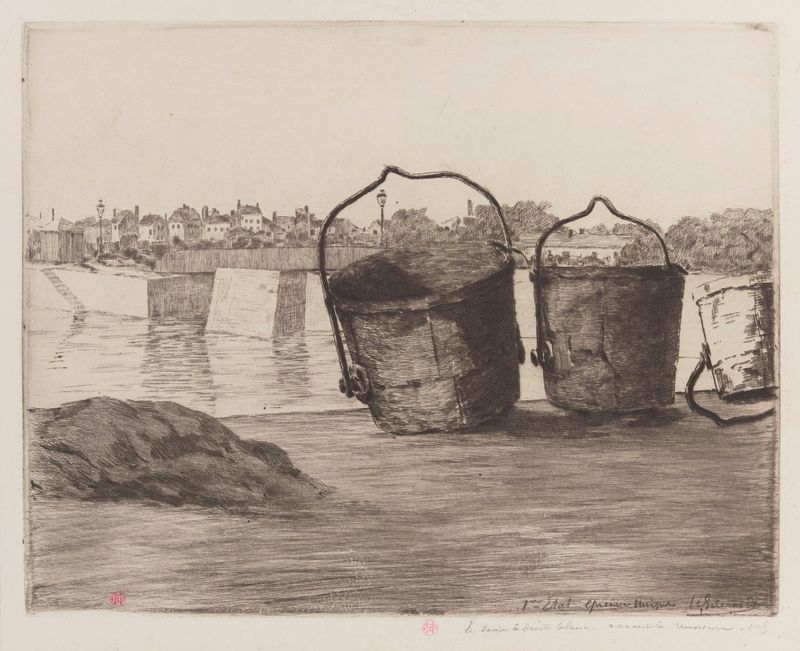
Quai au charbon, Honfleur
Henri-Charles Guérard
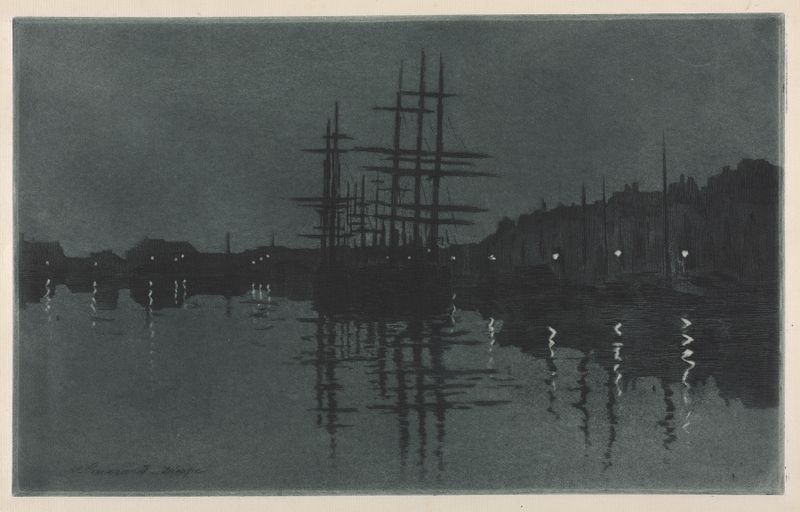
Effect of Moon at Dieppe
Henri-Charles Guérard

Escalier de la cale au Pollet, Dieppe
Henri-Charles Guérard

Venise (l’entrée du Grand canal, près de la Piazetta)
Henri-Charles Guérard

Le pêcheur au carrelet
Henri-Charles Guérard

Patineurs sur le lac d’Annecy
Henri-Charles Guérard
More Architecture Art
Browse all →
The statue of Liberty
Frédéric Auguste Bartholdi

View of Houses in Delft, Known as ‘The Little Street’
Johannes Vermeer

View of Houses in Delft, Known as ‘The Little Street’
Johannes Vermeer

The Cathedral in Rouen. The portal, Grey Weather
Claude Monet

The yellow house
Vincent van Gogh

The Church in Auvers-sur-Oise, View from the Chevet
Vincent van Gogh