Escalier de la cale au Pollet, Dieppe — History & Facts
What if beauty was never meant to be finished? In Escalier de la cale au Pollet, Dieppe, a world teeters on the brink of decay, where the passage of time melds with the allure of the forgotten. Look to the center of the composition, where the weathered wooden staircase spirals down into shadow. The intricate texture of the steps invites you to trace the contours, while the cool, muted palette evokes a sense of nostalgia. Notice how the interplay of light and shadow highlights the subtle imperfections of the surface, each mark whispering stories of its past.
The painter's deft hand captures not just the physical structure but the very soul of the place, drawing you into a moment suspended in time. As you delve deeper, consider the melancholic yet captivating atmosphere that permeates the scene. The dilapidation of the staircase serves as a metaphor for life's transience, where each creak and splinter represents both beauty and loss. Additionally, the contrast between light and dark creates a visual tension, symbolizing the coexistence of creation and decay.
This unsettling harmony evokes an emotional response, inviting you to reflect on your own experiences of impermanence. In 1888, Guérard painted this work while residing in Dieppe, a coastal town in France, during a period where Impressionism was in full bloom. His focus shifted from the vibrant scenes of leisure to the more quiet and contemplative aspects of life. At the time, the art world was experiencing a tension between the burgeoning modern movement and the traditions of the past, a struggle that is palpably echoed in the striated beauty of this piece.
More Artworks by Henri-Charles Guérard
Browse all →
Paris, la rue Cortot, Montmartre
Henri-Charles Guérard
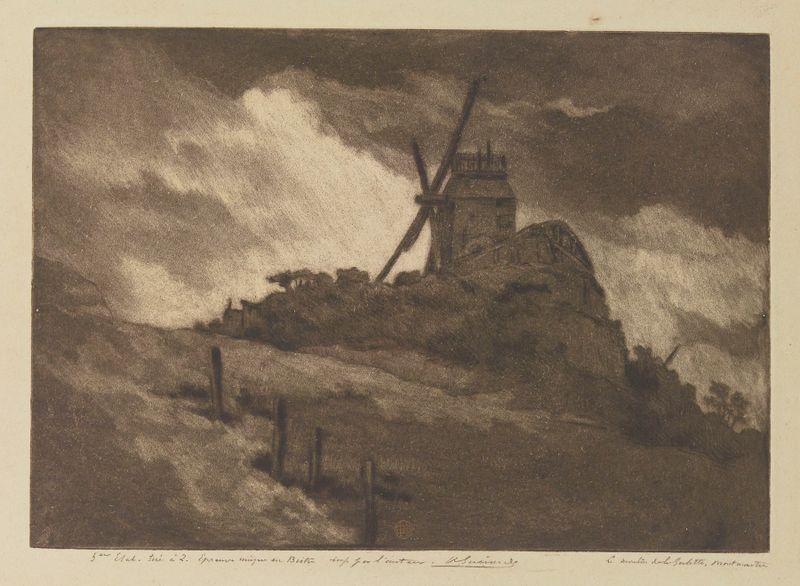
Le moulin de la Galette, Montmartre
Henri-Charles Guérard
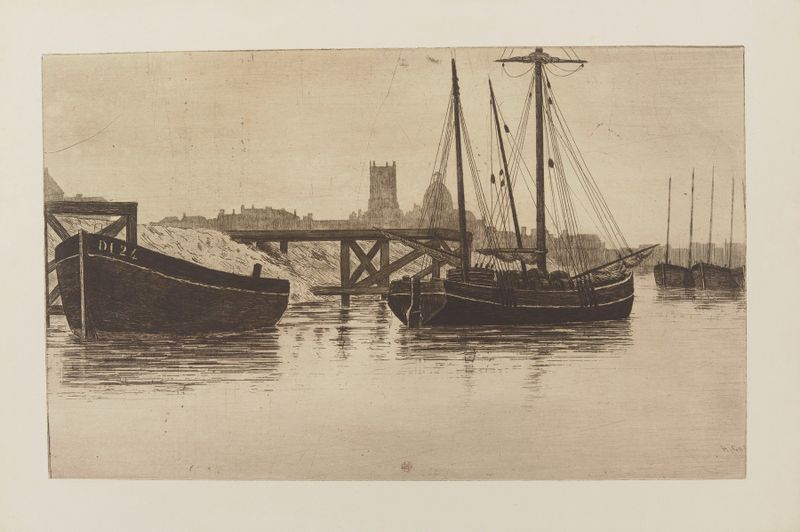
Débarquement de créosote, Retenue, Dieppe
Henri-Charles Guérard
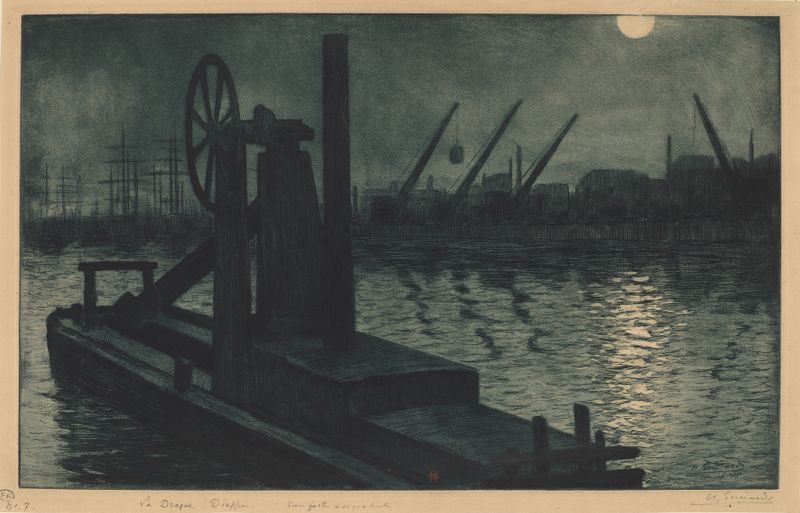
La Drague Dieppe (A Dredger in Dieppe Harbor by Moonlight)
Henri-Charles Guérard
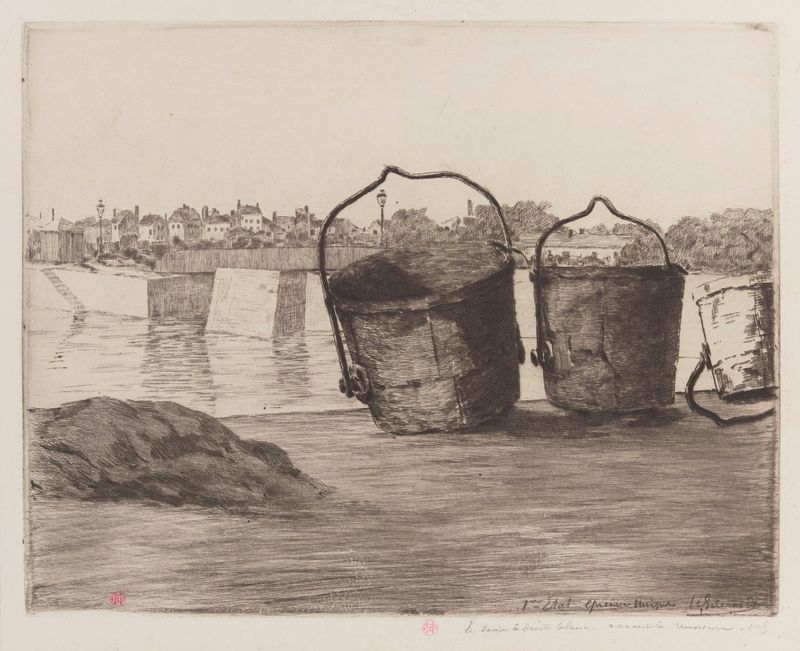
Quai au charbon, Honfleur
Henri-Charles Guérard
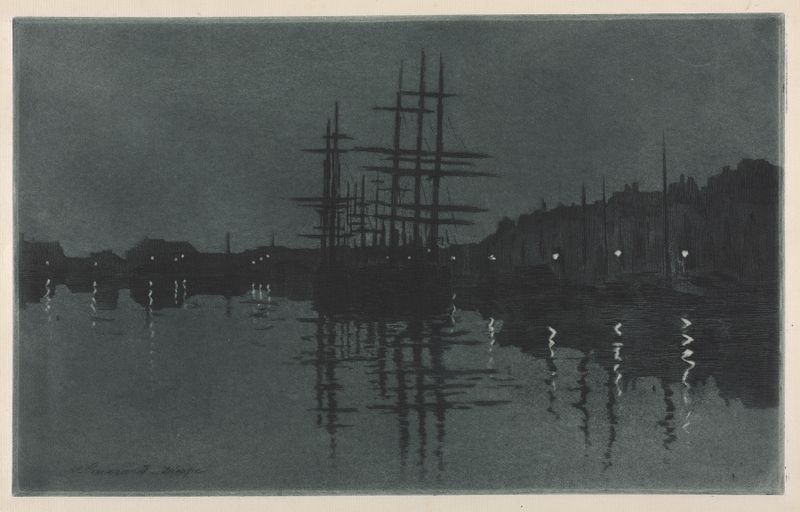
Effect of Moon at Dieppe
Henri-Charles Guérard

Venise (l’entrée du Grand canal, près de la Piazetta)
Henri-Charles Guérard

Le pêcheur au carrelet
Henri-Charles Guérard

Patineurs sur le lac d’Annecy
Henri-Charles Guérard
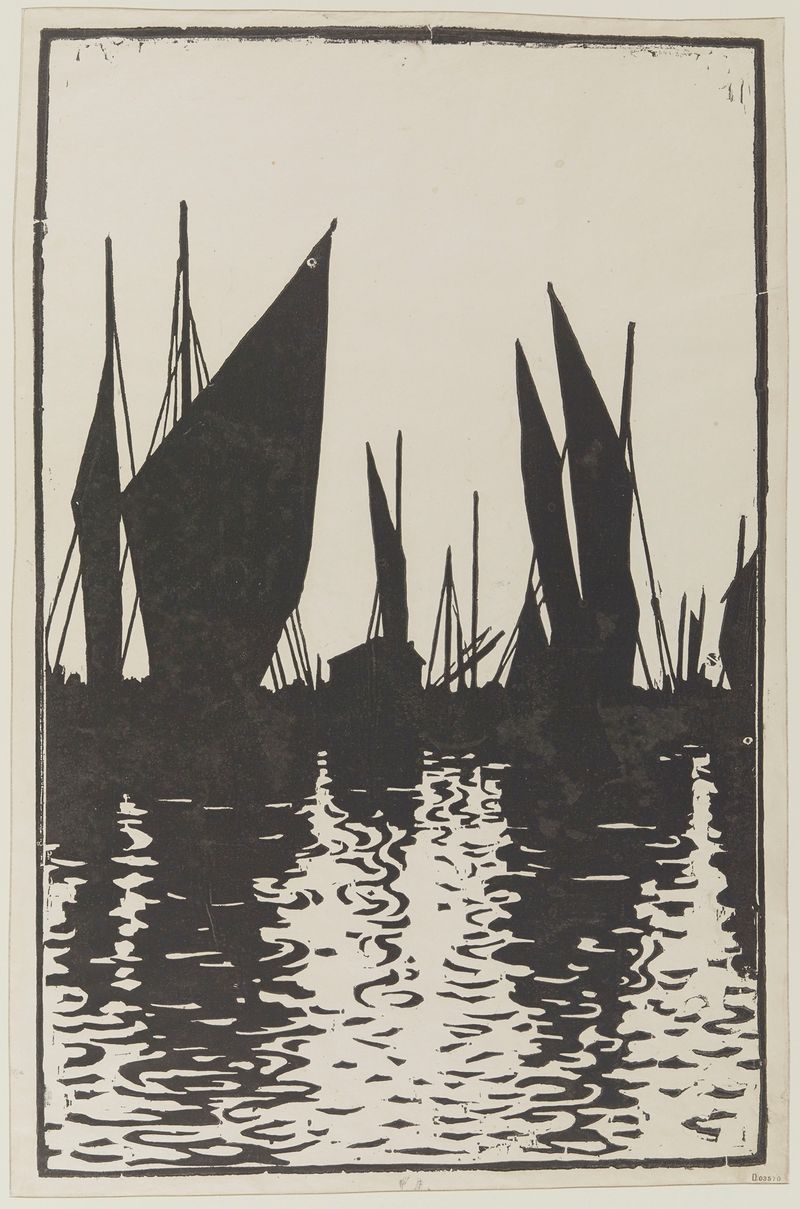
Soleil couchant, Honfleur
Henri-Charles Guérard