
Débarquement de créosote, Retenue, Dieppe — History & Facts
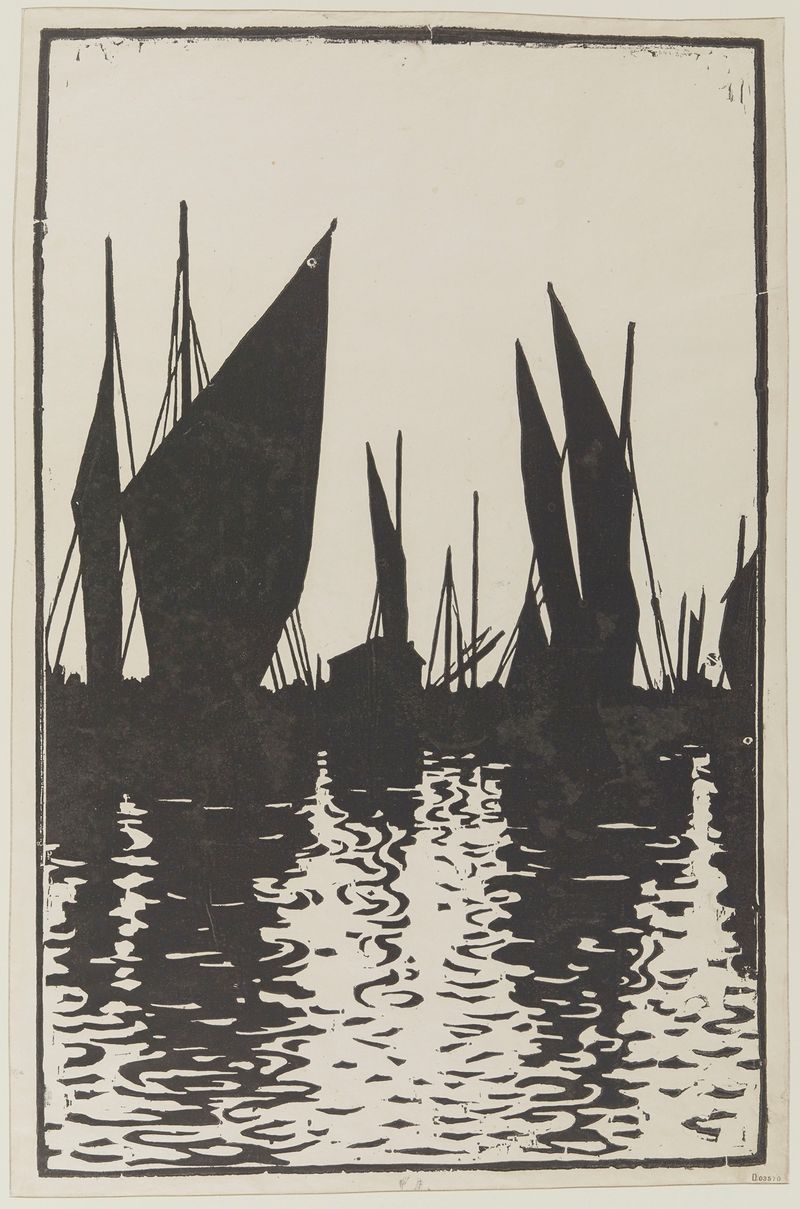
Can beauty exist without sorrow? In Débarquement de créosote, Retenue, Dieppe, Henri-Charles Guérard captivates us with an emotional tapestry woven from both ecstasy and melancholy, revealing the intricate relationship between joy and pain. Look to the center of the composition, where figures bustle in a moment of industrious purpose. The rich browns and deep greens of the creosote barrels contrast against the lighter hues of the dock, suggesting both the vitality of labor and the dark undertones of the work being done. The gentle play of light — dappling across the scene — draws our gaze from worker to worker, each engaged in their roles, embodying a shared sense of urgency as their faces reflect determination and perhaps a hint of weariness. Hidden within this seemingly vibrant scene are the deeper tensions of industrial life.
The creosote itself, an agent of preservation, hints at the fragility of existence, as does the looming horizon of the sea, which suggests both promise and peril. The juxtaposition of labor and nature underpins the human experience, revealing how ecstasy in creating can often carry the weight of sorrow. Each barrel tells a story of toil, yet their arrangement evokes a rhythm of hope amidst the inevitable struggles of life. In 1887, Guérard painted this scene during a time of great change and industrial advancement in France.
The artist, known for his innovative techniques, was exploring the intersection of realism and impressionism amidst a burgeoning art scene. This particular work reflects not only his personal journey — navigating the complexities of beauty and labor — but also mirrors a society grappling with the profound impacts of modernization.
More Artworks by Henri-Charles Guérard
Browse all →
Paris, la rue Cortot, Montmartre
Henri-Charles Guérard
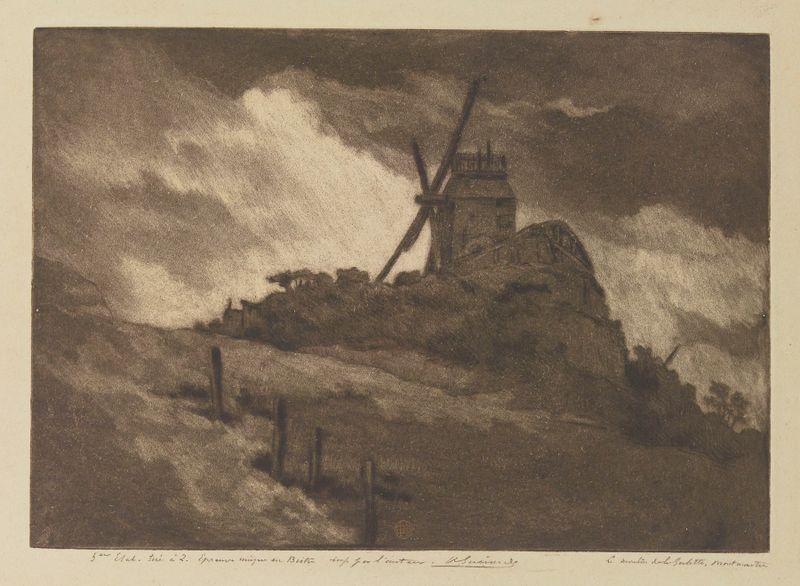
Le moulin de la Galette, Montmartre
Henri-Charles Guérard
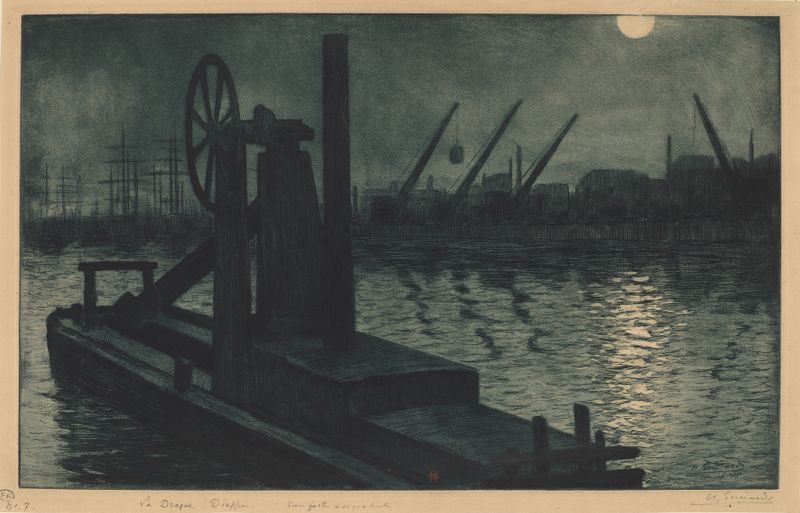
La Drague Dieppe (A Dredger in Dieppe Harbor by Moonlight)
Henri-Charles Guérard
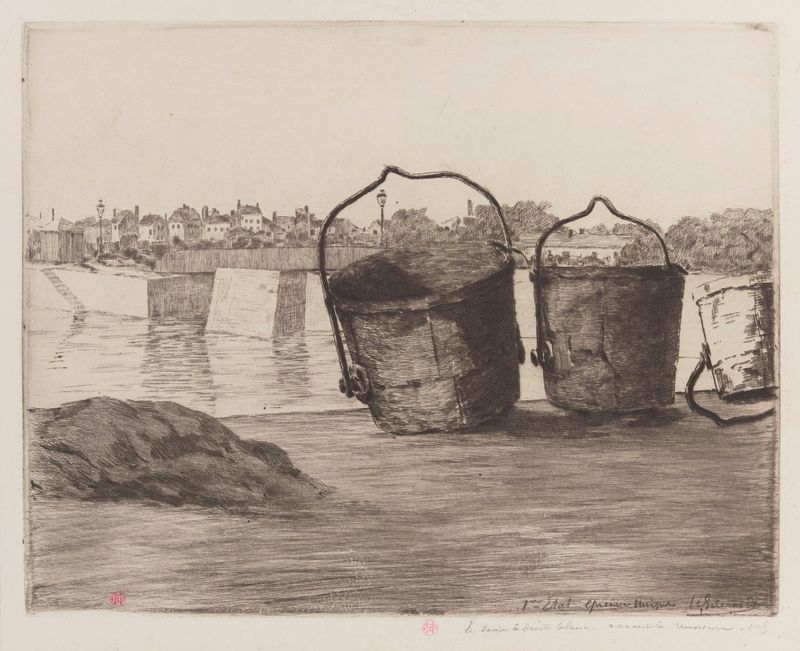
Quai au charbon, Honfleur
Henri-Charles Guérard
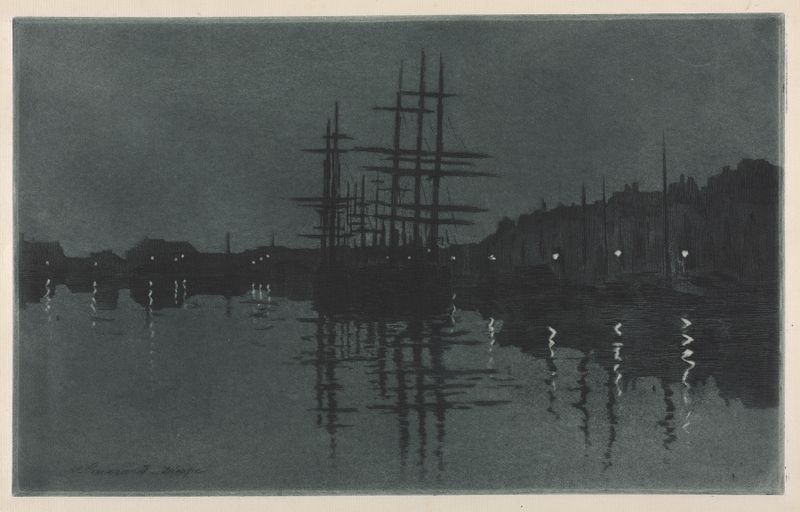
Effect of Moon at Dieppe
Henri-Charles Guérard

Escalier de la cale au Pollet, Dieppe
Henri-Charles Guérard

Venise (l’entrée du Grand canal, près de la Piazetta)
Henri-Charles Guérard

Le pêcheur au carrelet
Henri-Charles Guérard

Patineurs sur le lac d’Annecy
Henri-Charles Guérard
Soleil couchant, Honfleur
Henri-Charles Guérard





